
Restaurant kitchen equipment standards that affect inspections
Restaurant kitchen equipment standards play a critical role in passing inspections, reducing food safety risks, and maintaining smooth daily operations. For facilities that handle food every day, compliance is not only about having modern appliances; it is about ensuring that every surface, joint, drain connection, and temperature control point supports safe production and easy sanitation. When people search for restaurant kitchen equipment standards, they often want practical answers: what inspectors actually check, which equipment details trigger violations, and how to choose systems that lower inspection risk. This article explains the standards that matter most, the common problem areas, and the steps that can make restaurant kitchens easier to inspect and operate.
What do restaurant kitchen equipment standards actually cover?
Restaurant kitchen equipment standards are not limited to one single rulebook. In practice, inspections often draw on local health codes, fire safety rules, sanitation requirements, electrical standards, ventilation requirements, and product certification expectations. Inspectors usually look at whether equipment is designed and installed in a way that prevents contamination, supports cleaning, and operates safely under commercial loads.
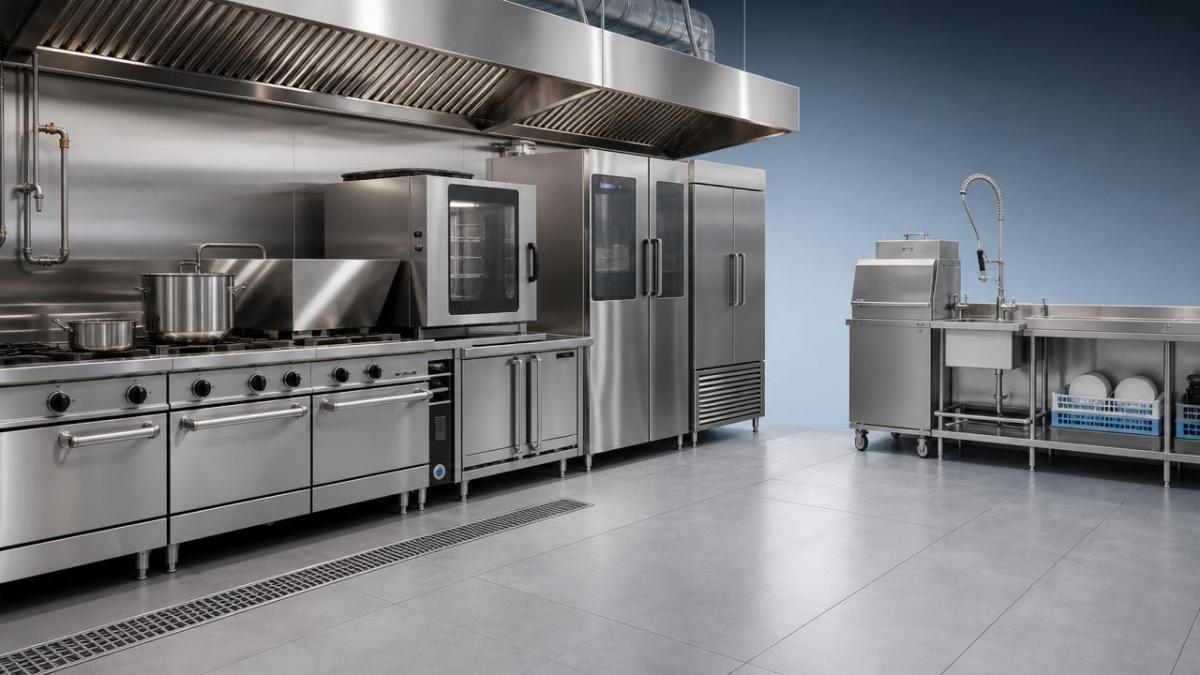
The most relevant areas include food-contact materials, smooth and cleanable surfaces, sealed joints, corrosion resistance, temperature performance, drainage, grease management, ventilation, and adequate spacing around units. Certification labels such as NSF, ETL, UL, or equivalent local approvals can also affect inspection outcomes because they indicate that equipment has been evaluated against recognized safety or sanitation criteria.
In simple terms, restaurant kitchen equipment standards exist to answer three inspection questions: Can the equipment be cleaned thoroughly? Can it keep food safe? Can it operate without creating electrical, fire, or injury hazards? If the answer to any of these is unclear, inspection risk increases quickly.
Which equipment features most often affect inspection results?
Inspectors rarely judge equipment by appearance alone. They focus on functional details that influence hygiene and safety. Stainless steel construction is a common example. Not all stainless surfaces perform equally in wet, high-heat, or chemical-cleaning environments. Poor-grade materials may corrode, pit, or trap residue, creating sanitation concerns. Smooth welds, rounded internal corners, and non-absorbent surfaces are often viewed more favorably because they reduce hard-to-clean areas.
Temperature control is another major area. Refrigerators, freezers, holding cabinets, and cooking equipment must consistently achieve required temperature ranges. If thermometers are missing, inaccurate, or hard to read, even high-quality equipment may become a compliance concern. For hot and cold storage, restaurant kitchen equipment standards are closely linked to time and temperature control for safety, so performance consistency matters more than brand claims.
Mobility and accessibility also affect inspection results. Units placed too close to walls or mounted in ways that block cleaning access can create hidden grease, dust, and pest harborage points. Casters, sufficient floor clearance, or sealed installation methods can reduce these risks when properly selected. Drainage and backflow protection are equally important for dishwashers, ice machines, prep sinks, and steam equipment. Improper drain lines or missing air gaps can lead to immediate citations because wastewater contamination is a serious hazard.
- Food-contact surfaces must be smooth, non-toxic, durable, and easy to sanitize.
- Non-food-contact surfaces should still resist grease buildup and allow routine cleaning.
- Heating and cooling equipment must reliably maintain safe operating temperatures.
- Ventilation, exhaust, and grease control systems must match equipment output.
- Installation details, including spacing, sealing, and utility connections, often determine compliance.
How do installation and layout influence restaurant kitchen equipment standards?
Even compliant equipment can fail inspection if it is installed incorrectly. Restaurant kitchen equipment standards do not stop at product manufacturing; they continue through layout planning, utility connection, and workflow design. A well-designed kitchen should separate raw and cooked food handling, minimize cross-traffic, and allow enough space for cleaning behind, under, and around equipment.
Ventilation is one of the clearest examples. Cooking lines that produce smoke, grease vapors, or heat must be paired with hoods and fire suppression systems appropriate to the appliance type and output level. If the ventilation system is undersized, poorly balanced, or difficult to clean, the issue can affect both fire safety and sanitation. Similarly, gas lines, electrical wiring, and water connections should be protected, accessible for service, and installed according to local code.
Floor-mounted equipment must also be considered carefully. Inspectors frequently notice whether legs provide enough clearance for cleaning, whether units are sealed to the floor correctly, and whether surrounding surfaces can withstand moisture and grease exposure. Layout decisions that seem minor during installation often become recurring inspection issues later. That is why restaurant kitchen equipment standards should be reviewed before purchase, not only before an inspection.
Common layout mistakes that raise compliance risk
- Placing refrigeration units where doors cannot open fully for cleaning or service.
- Installing prep tables too tightly against walls without proper sealing.
- Using residential-style appliances in heavy commercial environments.
- Adding equipment later without updating ventilation or electrical capacity.
- Ignoring floor slope, drainage direction, or splash exposure near wet equipment.
How can equipment selection reduce food safety and inspection failures?
Choosing the right equipment is one of the most practical ways to align with restaurant kitchen equipment standards. The best selection process starts with use conditions rather than catalog descriptions. Equipment for high-volume frying, rapid chilling, or continuous dishwashing must be matched to actual workload, cleaning frequency, and environmental stress. Underpowered or overloaded units are more likely to lose temperature control, leak, wear prematurely, or accumulate residue.
It is also important to compare commercial-grade certifications, construction details, and maintenance access. A unit that is easy to disassemble for cleaning can be more inspection-friendly than one with slightly lower purchase cost but difficult sanitation access. In many cases, energy-efficient kitchen solutions also support compliance because stable controls, better insulation, and improved airflow can make performance more consistent.
For operations handling multiple product categories, integrated kitchen systems can reduce risk when they support clear zoning, digital monitoring, and preventive alerts. Smart kitchen technologies are especially useful for temperature logs, alarm tracking, and maintenance reminders. While technology does not replace cleaning and training, it can provide evidence that critical parameters are being monitored. That evidence often helps when inspection questions arise.
What are the most common misconceptions about restaurant kitchen equipment standards?
One common misconception is that buying expensive equipment automatically guarantees compliance. In reality, inspection success depends on the full chain of design, installation, use, cleaning, and maintenance. A premium appliance can still fail expectations if drains are connected improperly or if inaccessible surfaces are never cleaned.
Another mistake is assuming that certification alone solves every issue. Certification is important, but restaurant kitchen equipment standards also involve local codes and actual operating conditions. A certified machine may still be unacceptable if it is used beyond capacity, placed in the wrong zone, or paired with inadequate ventilation. Similarly, some operations believe retrofitted household-style equipment is a cost-saving option, yet such substitutions often create inspection weaknesses because they are harder to sanitize and less durable under commercial use.
A third misunderstanding is treating maintenance as separate from compliance. Inspections often reveal problems caused by neglect rather than poor initial selection: damaged gaskets, failed door closers, grease-filled filters, broken temperature displays, loose handles, or cracked sealant. Restaurant kitchen equipment standards are easier to meet when maintenance schedules are built into daily and weekly routines.
How should facilities prepare for inspections and ongoing compliance?
Preparation should begin with an equipment-focused review rather than a last-minute cleanup. Walk through the kitchen as an inspector would. Check labels and certifications, surface condition, temperature logs, drain integrity, hood cleanliness, and the ability to access all sides of high-risk units. If equipment has been moved, replaced, or upgraded, confirm that utility and ventilation systems still match the new configuration.
A practical compliance plan usually includes preventive maintenance, calibration checks, documented cleaning procedures, and replacement criteria for wear parts. Digital kitchen management tools can support recordkeeping, but even a simple inspection checklist is valuable when used consistently. The goal is not only to pass one inspection, but to make restaurant kitchen equipment standards part of normal operating control.
In the end, restaurant kitchen equipment standards affect inspections because they connect equipment quality with food safety, cleanability, and operational reliability. The most effective approach is to evaluate equipment as part of a complete system: material choice, certification, installation method, ventilation, maintenance access, and performance under real workload. Reviewing these points early can reduce corrective costs later, improve inspection confidence, and support safer, more efficient kitchen operations over time.
For the next step, create a checklist based on your actual cooking, storage, washing, and preparation equipment. Compare every unit against restaurant kitchen equipment standards, local inspection expectations, and daily cleaning realities. That kind of structured review turns compliance from a reactive task into a practical operating advantage.
Popular Tags
Kitchen Industry Research Team
Dedicated to analyzing emerging trends and technological shifts in the global hospitality and foodservice infrastructure sector.
Industry Insights
Join 15,000+ industry professionals. Get the latest market trends and tech news delivered weekly.
No spam. Unsubscribe anytime.
Contact With us
Contact:
Anne Yin (Ceramics Dinnerware/Glassware)
Lucky Zhai(Flatware)