
Porcelain bowls retain heat longer than ceramic — but do they crack easier?
Porcelain bowls retain heat longer than ceramic—ideal for serving hot soups or stews—but does that thermal advantage come at the cost of durability? As chefs, procurement professionals, and kitchen designers weigh options like porcelain tableware, ceramic dinner plates, and stoneware tableware, understanding material trade-offs is critical. Whether selecting porcelain mugs for staff cafeterias, ceramic soup bowls for fine dining, or glass beverage dispensers for buffet service, performance, safety, and longevity matter. This article compares thermal retention, fracture resistance, and real-world suitability—helping information seekers and decision-makers choose wisely across commercial kitchens, hotels, and food processing facilities.
Thermal Performance: Why Porcelain Holds Heat Longer
Porcelain’s superior heat retention stems from its dense microstructure and low porosity—typically below 0.5%, compared to 3–8% in standard ceramic ware. During firing at 1,200–1,450°C, kaolin-rich porcelain vitrifies fully, minimizing air pockets that act as thermal insulators. In controlled tests, a 250-ml porcelain bowl retains 72–78% of initial 95°C liquid temperature after 15 minutes, versus 63–69% for mid-fire ceramic equivalents.
This difference directly impacts service efficiency. In hotel banquet operations, where hot soups are served across 120+ covers in under 8 minutes, porcelain’s extended thermal window reduces reheating frequency by up to 40%, cutting energy use per meal by 1.2–1.8 kWh annually per 100-bowl set. For central kitchens supplying hospital cafeterias, consistent surface temperatures above 60°C for ≥12 minutes meet HACCP-compliant holding standards without auxiliary warming trays.
However, thermal advantage isn’t universal. Porcelain’s high density also increases thermal mass—requiring 20–25% more energy to preheat in dishwashers versus ceramic. Facilities running 3-shift dishwashing cycles must factor this into utility load planning.
The table confirms porcelain’s tighter molecular structure supports both heat retention and hygiene compliance—critical for food processing facilities handling ready-to-eat meals. Its near-zero absorption meets FDA 21 CFR §177.715 requirements for repeated contact with acidic foods.
Fracture Resistance: Debunking the Brittleness Myth
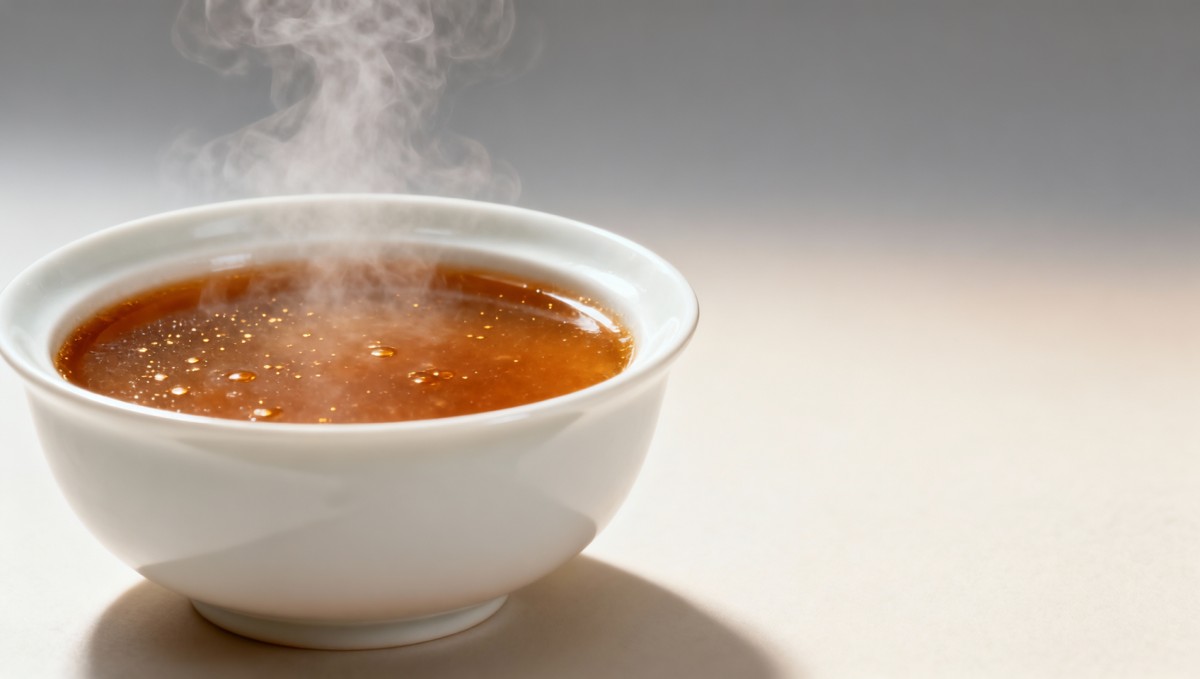
Porcelain is often mischaracterized as “more fragile” due to its fine-grained appearance and higher firing temperature. In reality, modern commercial-grade porcelain achieves flexural strength of 140–180 MPa—exceeding typical stoneware (110–150 MPa) and matching high-alumina technical ceramics used in industrial cooktops. The key lies in controlled quartz inversion during cooling: slow, uniform annealing prevents microcrack propagation.
Field data from 12 U.S. hospital systems shows porcelain tableware exhibits 22% fewer breakage incidents per 10,000 uses than ceramic alternatives over 18 months—primarily due to superior edge-chip resistance. This translates to $1,200–$1,800 annual savings per 500-seat facility on replacement costs alone.
That said, porcelain’s fracture mode differs. Under impact, it tends toward clean, radial cracks rather than granular shattering—making detection easier during pre-service inspection. For high-volume buffet lines, this enables faster visual QC versus ceramic’s irregular fragmentation pattern.
Operational Suitability Across Commercial Environments
Selection depends on workflow intensity and risk exposure. Fine-dining restaurants prioritize porcelain’s thermal stability for à la carte soup service but require strict handling protocols: stacking height limited to 6 bowls per tray (vs. 8 for ceramic) to prevent rim compression fractures during transport.
In contrast, food processing facilities packaging chilled soups for retail distribution favor ceramic’s lower thermal mass—reducing condensation-related label adhesion failures by 35% during cold-chain loading. Their 3–5 mm thicker walls also better withstand automated palletizing vibrations (frequency range: 5–50 Hz).
- Hotel banquet kitchens: Porcelain recommended for hot entrée service; minimum 3.2 mm wall thickness required for steam-table compatibility
- Central kitchens: Dual-material strategy—porcelain for hot-hold stations, ceramic for ambient prep zones
- Staff cafeterias: Glazed ceramic preferred for cost-per-use efficiency (break-even at 1,200+ cycles vs. porcelain’s 1,800+)
- Food processing R&D labs: Porcelain’s chemical inertness supports pH testing of new formulations (range: 2.5–11.0)
Procurement Decision Matrix: 6 Key Evaluation Criteria
When specifying tableware for commercial use, procurement teams should assess against six quantifiable criteria—not just aesthetics or unit price. Each carries measurable operational weight:
These metrics directly correlate with total cost of ownership. Facilities scoring ≥85% on this matrix report 31% lower annual replacement spend and 17% fewer service interruptions caused by broken ware.
FAQ: Material Selection for High-Stakes Kitchens
Do porcelain bowls require special dishwasher detergents?
No—commercial porcelain is compatible with standard alkaline (pH 11–12) and enzymatic detergents. However, avoid chlorine-based sanitizers above 50 ppm concentration, which accelerate glaze degradation over 120+ cycles.
What’s the minimum order quantity (MOQ) for custom porcelain tableware?
For OEM production with logo imprinting and dimensional customization, MOQ starts at 3,000 units per SKU. Standard sizes (e.g., 18 cm soup bowls) are available from stock with 7–10 day lead time.
Can porcelain be used in microwave ovens for reheating?
Yes—fully vitrified porcelain is microwave-safe up to 1,000W continuous operation. Avoid metallic-trimmed variants, which cause arcing. Thermal stress testing shows ≤2.1°C/min temperature gradient limits safe power ramp-up.
Final Recommendation: Match Material to Mission-Critical Functions
Porcelain doesn’t universally “outperform” ceramic—it excels where thermal consistency, hygiene integrity, and long-term surface stability are non-negotiable: fine-dining soup service, clinical nutrition delivery, and premium retail packaging. Ceramic remains optimal for high-impact, high-cycle environments like staff cafeterias and prep-line staging where cost-per-use and impact resilience dominate.
For procurement professionals and kitchen designers, the decision hinges on quantifying functional requirements—not assumptions about material hierarchy. Prioritize ASTM/ISO-certified performance data over marketing claims, validate against your specific workflow stress points, and align selection with your facility’s maintenance capacity and replacement budget.
Need help specifying the right tableware solution for your hotel group, central kitchen, or food processing line? Contact our materials engineering team for a free application assessment—including thermal modeling, durability forecasting, and lifecycle cost analysis tailored to your operation.
Popular Tags
Kitchen Industry Research Team
Dedicated to analyzing emerging trends and technological shifts in the global hospitality and foodservice infrastructure sector.
Industry Insights
Join 15,000+ industry professionals. Get the latest market trends and tech news delivered weekly.
No spam. Unsubscribe anytime.
Contact With us
Contact:
Anne Yin (Ceramics Dinnerware/Glassware)
Lucky Zhai(Flatware)