
Kitchen Shelving System Trends from 2026 Trade Shows
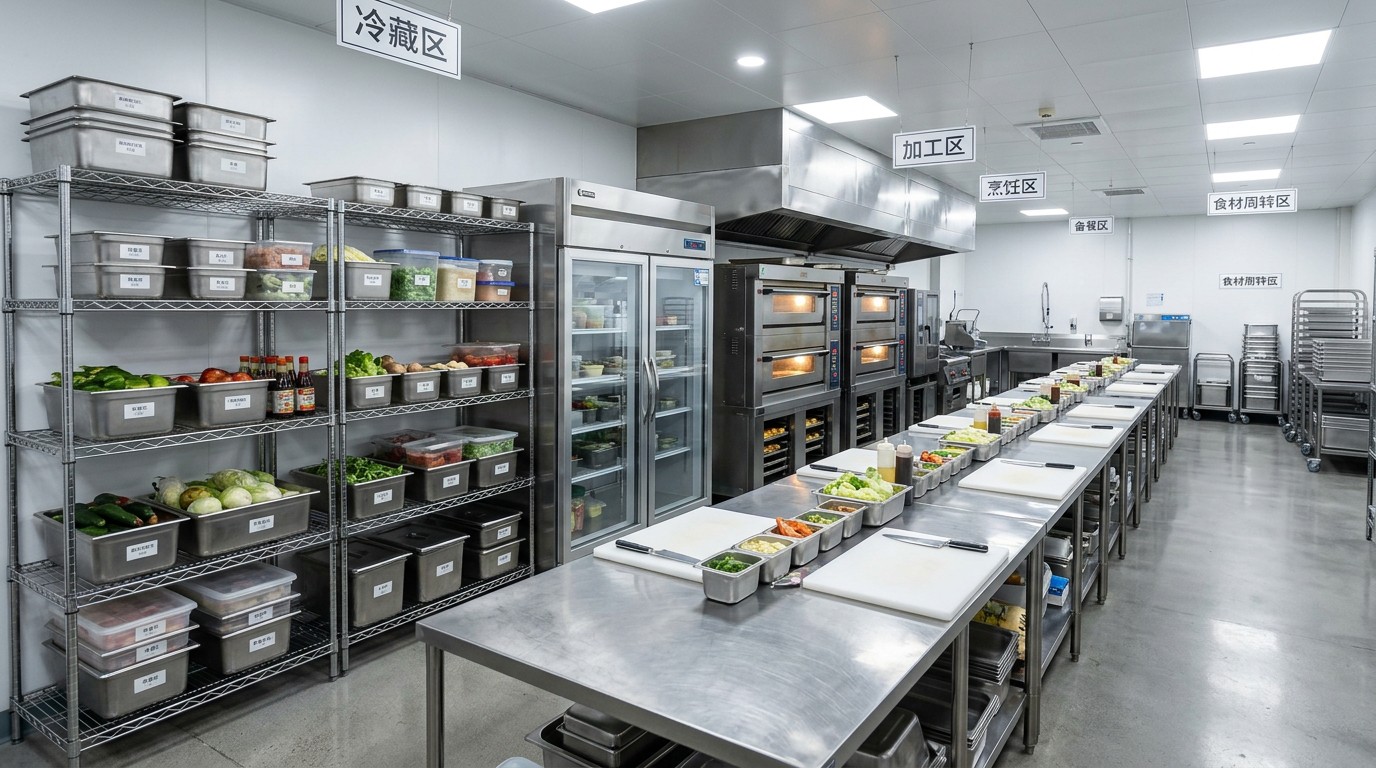
From 2026 trade shows, the kitchen shelving system is emerging as a core trend shaping modern foodservice spaces. Buyers, operators, and decision-makers are paying closer attention to how Kitchen Shelf solutions integrate with stainless steel kitchen equipment, catering kitchen equipment, and restaurant kitchen supplies to improve storage efficiency, hygiene, and workflow. This article explores the latest innovations, market signals, and practical sourcing insights driving the next generation of kitchen equipment wholesale.
Why kitchen shelving systems are becoming a strategic buying category
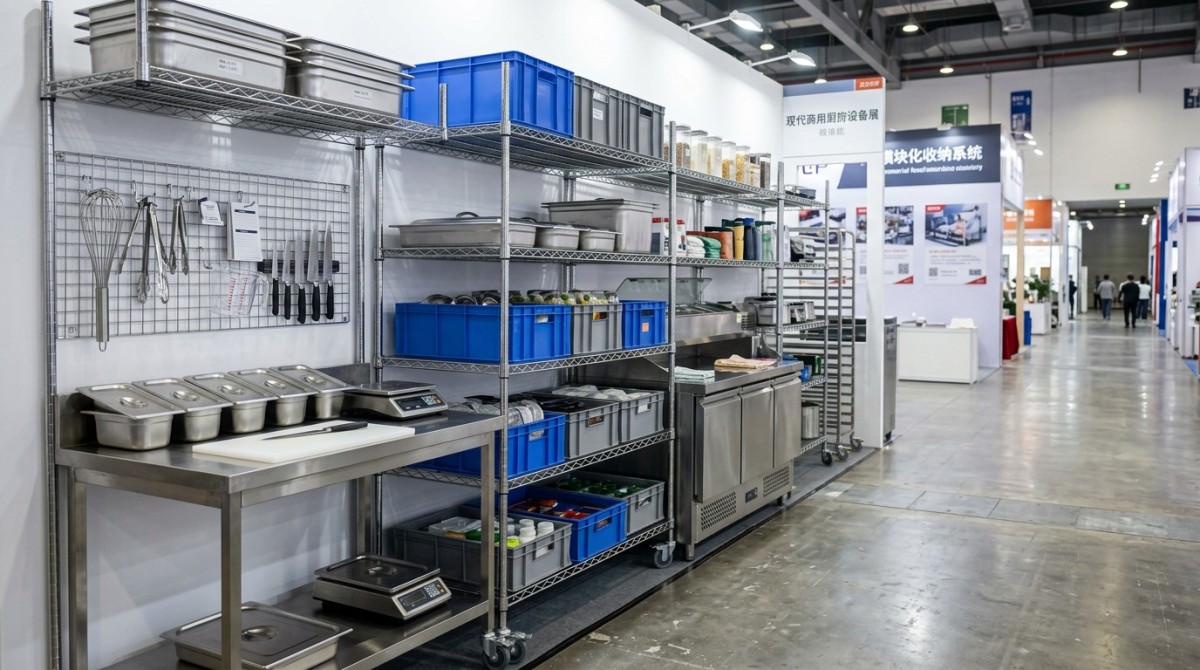
At 2026 trade shows, kitchen shelving system displays were no longer treated as simple accessories. They were presented as workflow infrastructure that supports food safety, labor efficiency, and space utilization across restaurants, hotels, central kitchens, and food processing environments. This shift matters because storage failures often create hidden costs: delayed prep, cross-contamination risk, damaged ingredients, and poor line replenishment.
For operators, the value of a Kitchen Shelf is practical and measurable. A well-planned shelving layout can reduce unnecessary movement between storage and prep zones, support first-in-first-out organization, and maintain clearer separation between dry goods, utensils, and cleaned containers. In compact kitchens, even a 10%–20% improvement in vertical storage use can change daily operating flow.
For procurement teams, shelving is now evaluated together with stainless steel kitchen equipment, refrigeration lines, preparation tables, and dishwashing zones. The reason is simple: a shelving system that does not match tray sizes, load requirements, cleaning frequency, or room humidity can create recurring replacement costs within 12–24 months instead of delivering long-term value.
For decision-makers, trade show trends also confirmed that shelving is moving toward modularity, corrosion resistance, and easier sanitation. That aligns with the broader kitchen equipment industry direction toward integrated kitchen systems, digital planning, and energy-efficient operations. In many projects, shelving selection now starts earlier in the layout phase rather than being added at the final purchasing stage.
What buyers are watching most closely in 2026
- Material durability under frequent washdown conditions, especially in humid kitchens, cold rooms, and dish-return areas.
- Modular shelf adjustment intervals, commonly around 25mm–50mm, to fit changing container heights and operational needs.
- Load performance per tier and per unit, particularly for bulk ingredients, cookware, and packaged supplies.
- Compatibility with restaurant kitchen supplies, mobile carts, bins, and GN pans used in daily workflow.
Which kitchen shelving system trends stood out at trade shows?
The first major trend was modular reconfiguration. Exhibitors emphasized shelving systems that can be expanded, reduced, or re-zoned without replacing the full structure. This is especially relevant for catering kitchen equipment projects and multi-site restaurant groups, where menu changes and storage turnover require flexibility every 6–12 months rather than fixed layouts.
The second trend was hygiene-driven design. More shelving lines featured smoother surfaces, fewer dirt-trap joints, removable shelf inserts, and open-wire or ventilated structures where airflow matters. In dry storage, these features support visibility and cleaning access. In chilled storage, they help reduce moisture accumulation and support more consistent air circulation around ingredients.
The third trend was closer integration with stainless steel kitchen equipment. Instead of isolated storage units, suppliers showed shelving paired with worktables, pass-through zones, mobile ingredient racks, and wall-mounted systems. This reflects a broader move toward connected kitchen stations that support prep, holding, and transport within one coordinated footprint.
The fourth trend was application-specific engineering. Rather than marketing one universal Kitchen Shelf, manufacturers increasingly separated product lines for dry stores, walk-in coolers, high-humidity wash areas, and heavy-duty back-of-house storage. That gives purchasing teams a more realistic basis for selection, especially when one site contains 3–5 distinct storage environments.
Trend signals that matter for different stakeholders
For information researchers
Look beyond visual design. Focus on shelf spacing flexibility, sanitation method, replacement parts availability, and installation limits. Trade show displays often highlight appearance first, but long-term usability depends on measurable details.
For operators
The most useful shelving systems are those that match actual handling patterns: bin access, cleaning cycles, loading direction, and replenishment frequency. A shelf that looks robust but slows retrieval during a lunch rush will not improve productivity.
For procurement and management
Prioritize whole-life suitability over unit price. If a lower-cost rack requires early replacement, causes cleaning inefficiency, or limits future layout changes, the total ownership cost rises quickly over a 2–3 year cycle.
How do shelving options compare across common foodservice applications?
Different environments place very different demands on a kitchen shelving system. Dry storage favors organization, visibility, and stable load support. Cold rooms demand corrosion resistance and airflow. Wash areas require stronger moisture tolerance. Heavy back-of-house storage may need higher per-shelf load capacity and reinforced frames. Selecting by room function is usually more effective than selecting by appearance alone.
The comparison below helps buyers align Kitchen Shelf types with realistic operating conditions. It is particularly useful when evaluating kitchen equipment wholesale packages that combine shelving with catering kitchen equipment, sinks, worktables, and storage accessories.
This comparison shows why one-size-fits-all shelving often performs poorly. In practice, many projects combine 2–4 shelving formats within one facility. That mixed approach often delivers better hygiene and workflow outcomes than standardizing every room around a single low-cost rack type.
A practical decision rule
If your kitchen handles dry ingredients, chilled produce, cleaned utensils, and bulk packaging in separate zones, evaluate each zone independently. Matching structure to use condition usually reduces maintenance disruptions and replacement pressure during the first 18–36 months of operation.
What technical details should buyers confirm before ordering?
Trade show discussions often stay at the concept level, but purchasing decisions need technical confirmation. A kitchen shelving system should be checked for load rating, shelf adjustment range, material suitability, cleaning compatibility, and installation footprint. These details affect daily use more than visual finish or brochure claims.
One common issue is load mismatch. Buyers sometimes focus on total unit capacity while ignoring per-shelf limits. Yet heavy cookware, oil containers, flour sacks, and ingredient bins create point loads that can stress specific tiers. For that reason, load should be reviewed at both shelf level and full-rack level, especially when shelving height exceeds 1800mm–2100mm.
Another critical issue is environmental fit. A Kitchen Shelf for dry storage may not perform well in chilled or humid rooms. Surface finish, corrosion resistance, vented shelf style, and cleanability all matter. Where hygiene protocols include frequent wipe-down or washdown, easier disassembly and smooth contact surfaces become especially valuable.
The table below can be used as a procurement checklist when comparing kitchen equipment wholesale offers from different suppliers. It also helps operators verify whether proposed shelving matches the way the site actually works.
A technical review should also include 4 practical checks: available door clearance, aisle width, floor condition, and interaction with adjacent restaurant kitchen supplies. Missing one of these can delay installation or force costly on-site adjustments after delivery.
Standards and compliance considerations
When sourcing internationally, ask how the shelving materials and surface finishes align with local food-contact or hygiene expectations, even if the shelf itself is not a direct food-contact item. In professional kitchens, easy cleaning, corrosion resistance, and stable structural assembly are more important than decorative styling. Procurement teams should also confirm whether installation and material documentation can support internal compliance review.
How should procurement teams evaluate cost, alternatives, and implementation risk?
The lowest purchase price rarely tells the full story. A cheaper kitchen shelving system may require more frequent replacement, more cleaning time, or more compromises in room layout. A realistic cost review should cover product life, maintenance effort, workflow impact, and the ability to reconfigure the system as operations evolve over 2–5 years.
Buyers usually compare at least 3 paths: entry-level fixed shelving, modular mid-range shelving, and application-specific premium shelving. The right option depends on turnover rate, hygiene pressure, storage density, and expected site changes. In a stable dry store, basic shelving may be acceptable. In a high-throughput catering kitchen equipment setup, modular or heavy-duty options often deliver better value.
Implementation risk is another overlooked area. Lead times for shelving can vary with material choice, customization level, and export schedule. Standard items may move in 2–4 weeks, while customized dimensions or bundled wholesale kitchen equipment orders can take longer. This matters when project opening dates are fixed and installation sequencing is tight.
Use the checklist below before issuing a purchase order or confirming a kitchen equipment wholesale package:
- Confirm room-by-room application needs instead of using one specification for all areas.
- Verify dimensions against doorways, wall obstructions, and operator reach limits.
- Check whether shelf spacing, accessories, and replacement parts are available for future changes.
- Review delivery timing, packing method, and installation sequence with other stainless steel kitchen equipment.
- Ask for material and maintenance guidance suitable for your cleaning routine and room conditions.
Common buying mistakes
Mistake 1: choosing only by price
A lower initial cost can become expensive if the shelf cannot handle actual loading patterns or must be replaced early. Cost should be reviewed alongside service life and operational fit.
Mistake 2: ignoring sanitation workflow
If a shelf is difficult to clean, staff either spend more labor time or cleaning quality drops. Both outcomes affect long-term performance.
Mistake 3: underestimating future layout changes
Operations change. Menus, packaging sizes, and storage turnover shift over time. Adjustable modular shelving is often more practical than rigid fixed formats in growing businesses.
FAQ: what do buyers and operators ask most about Kitchen Shelf solutions?
How do I choose a kitchen shelving system for a small commercial kitchen?
Start with vertical space, not just floor area. In smaller kitchens, shelving height, corner use, and adjacency to prep stations matter more than total shelf count. Choose units that allow 25mm–50mm adjustment intervals and support the actual container sizes used by staff. Also leave enough aisle space for safe movement during peak service.
Are all shelving systems suitable for cold rooms?
No. Cold rooms need stronger resistance to humidity and condensation, plus better airflow around stored products. Buyers should confirm material suitability, corrosion resistance, and shelf style before using standard room-temperature shelving in chilled conditions.
What matters most when buying shelving together with other restaurant kitchen supplies?
Compatibility matters most. Check tray dimensions, bin sizes, operator reach, and how the shelf aligns with worktables, sinks, carts, and prep lines. When ordered as part of a larger kitchen equipment wholesale package, coordinated dimensions and delivery planning can reduce installation issues.
How long is the usual lead time?
Lead time depends on whether the product is standard or customized. Common market practice ranges from 2–4 weeks for standard configurations to longer for special dimensions, bundled export orders, or projects requiring coordinated shipment with multiple equipment categories.
Is modular shelving worth the extra cost?
In many professional kitchens, yes. If your operation changes menus, packaging formats, or room functions over time, modular shelving reduces replacement risk and supports reconfiguration. The value is strongest in central kitchens, hotel operations, and fast-evolving foodservice businesses.
Why work with a supplier that understands the full kitchen equipment system?
Kitchen shelving system sourcing works best when the supplier understands more than shelves alone. Storage planning should connect with stainless steel kitchen equipment, catering kitchen equipment, workflow design, sanitation routines, and project delivery timing. That system-level view helps reduce mismatched dimensions, overlooked accessories, and unnecessary procurement revisions.
If you are evaluating Kitchen Shelf solutions for restaurants, hotels, central kitchens, or food processing support areas, you can consult us on practical topics that affect real purchasing outcomes. These include parameter confirmation, room-based product selection, material suitability, standard versus custom sizing, delivery schedule planning, sample support, and export packing coordination.
We can also help compare application scenarios, organize quotation details, and review whether a shelving proposal fits your broader kitchen equipment wholesale project. This is especially useful when you need to align storage with restaurant kitchen supplies, prep stations, refrigeration zones, or integrated kitchen layouts under a fixed opening deadline.
Contact us to discuss your project scope, expected load conditions, installation environment, certification concerns, customization needs, and target delivery window. A clear early review can save time during sourcing, reduce adjustment costs, and help you choose a kitchen shelving system that supports hygiene, efficiency, and long-term operational value.
Popular Tags
Kitchen Industry Research Team
Dedicated to analyzing emerging trends and technological shifts in the global hospitality and foodservice infrastructure sector.
Industry Insights
Join 15,000+ industry professionals. Get the latest market trends and tech news delivered weekly.
No spam. Unsubscribe anytime.
Contact With us
Contact:
Anne Yin (Ceramics Dinnerware/Glassware)
Lucky Zhai(Flatware)