
Why proofing results vary between bakery proofer machines
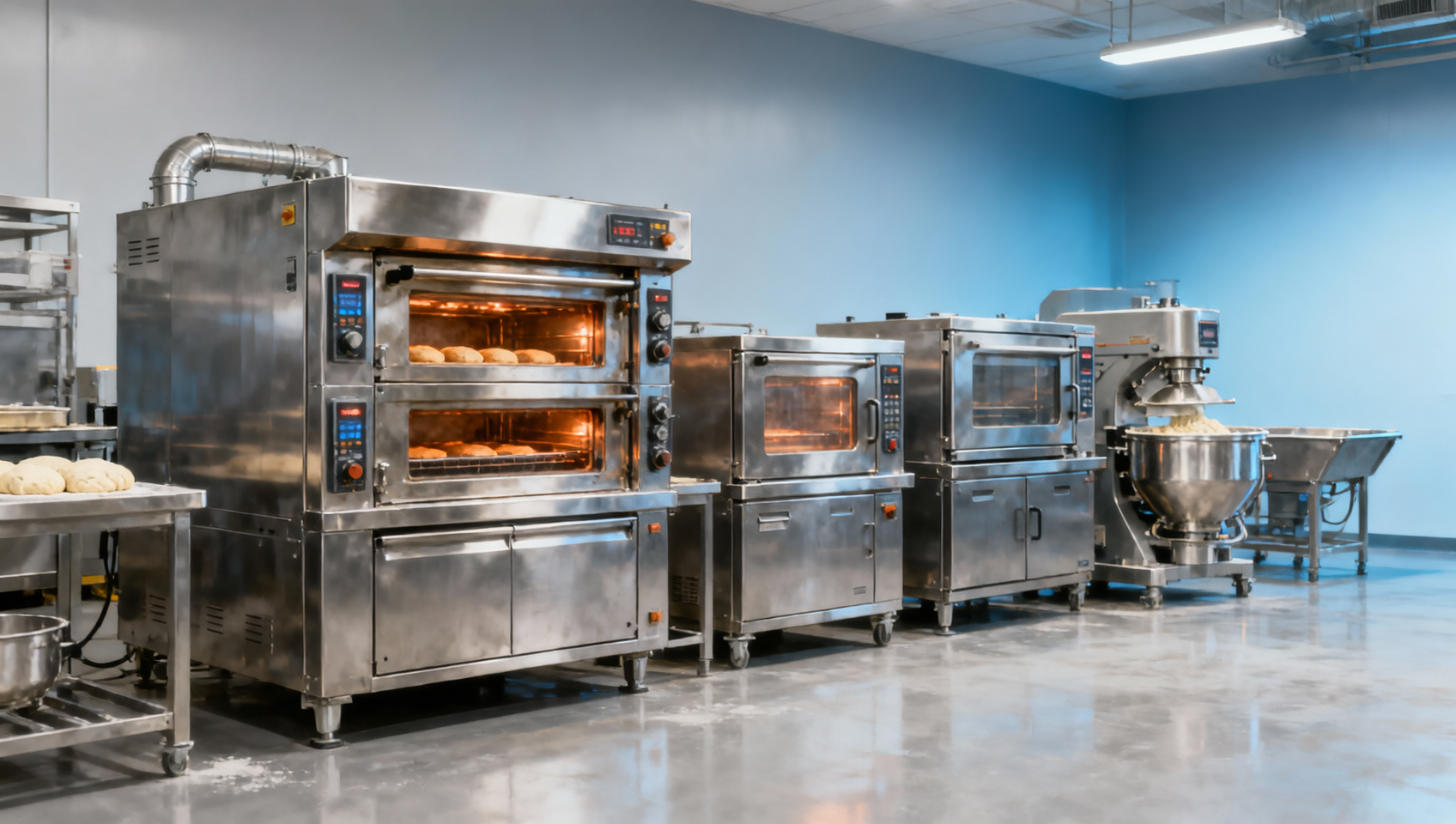
In commercial baking, proofing consistency can change dramatically even when using the same bakery proofer machine. Factors such as dough formulation, operator settings, humidity control, airflow, and coordination with equipment like the dough mixer machine, dough divider machine, and bakery oven machine all affect the final result. Understanding these variables helps bakers, buyers, and kitchen managers improve product quality and production efficiency.
For operators, this means fewer rejected batches and more stable daily output. For procurement teams and decision-makers, it means evaluating bakery equipment as a connected production system rather than a single standalone unit. A bakery proofer machine may be technically sound, yet proofing results can still vary by 15% to 30% in volume, skin dryness, or fermentation uniformity when upstream preparation and downstream baking conditions are not aligned.
This article explains why proofing results differ, what technical and operational factors matter most, and how commercial bakeries, central kitchens, and foodservice facilities can improve consistency. It also offers practical guidance for equipment selection, process control, maintenance, and purchasing decisions in a modern kitchen equipment environment.
What a bakery proofer machine really controls
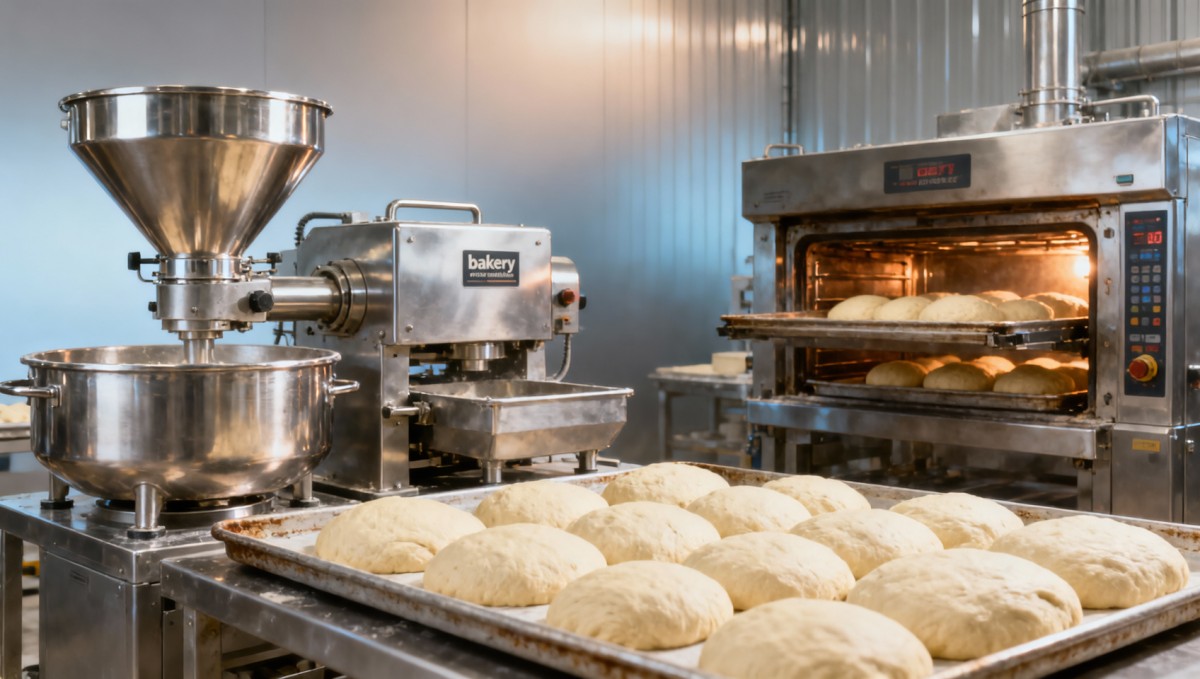
A bakery proofer machine does more than create a warm box for dough. In commercial use, it manages a controlled environment where temperature, relative humidity, airflow pattern, and holding time work together to support yeast activity and dough expansion. Typical proofing ranges are around 30°C to 40°C with 70% to 85% relative humidity, but the ideal setting depends on product type, dough hydration, sugar level, and production rhythm.
Many users assume that if the display shows the same setpoint every day, the result should also be the same. In practice, the displayed number and the actual chamber condition may differ by 1°C to 3°C or by 5% to 10% relative humidity, especially when the door is opened frequently, racks are overloaded, or sensors are not calibrated on schedule. These small variations can visibly affect dough surface condition and final oven spring.
The proofing process also depends on heat and moisture distribution inside the chamber. Two machines with the same nominal capacity may behave differently if one has better air circulation, steam generation stability, or insulation quality. This is why bakeries comparing equipment should not focus only on cabinet size or tray count. Uniformity across all rack positions is often more important than maximum stated capacity.
In integrated kitchen equipment operations, the proofer is one link in a chain. If dough enters the chamber too cold, too warm, too dry, or unevenly divided, the proofer cannot fully compensate. Understanding the real control scope of the machine helps prevent unrealistic expectations and leads to better process planning.
Core proofing variables inside the chamber
The table below shows the main environmental variables controlled by a bakery proofer machine and how each one affects finished dough performance in commercial production.
The key takeaway is that proofing is a multi-variable process. If temperature is correct but humidity is unstable, or if airflow is uneven, the dough may still show patchy expansion or a dry surface. Buyers should therefore ask suppliers about control accuracy, recovery time after door opening, and chamber uniformity under full load, not just rated power or external dimensions.
Why dough preparation creates different proofing results
A bakery proofer machine can only work with the dough it receives. One of the most common reasons for inconsistent proofing is variation in dough preparation. Even a 1% to 2% change in water ratio, a 2-minute difference in mixing time, or a 3°C shift in final dough temperature can alter yeast activity and gluten development enough to change proofing behavior inside the same chamber.
The dough mixer machine plays a direct role here. Under-mixed dough often lacks strength and may spread instead of rising evenly, while over-mixed dough can become warm and oxidized, shortening fermentation tolerance. In high-output bakeries, target final dough temperature is often managed within a narrow band, such as 24°C to 27°C for standard bread lines, because warmer dough enters proofing already advanced in fermentation.
The dough divider machine also influences proofing consistency. If dividing accuracy drifts by 3% to 5%, smaller pieces may overproof while larger ones lag behind. Uneven rounding or degassing pressure can further create differences in surface tension, which affects how each piece expands during proofing. These issues are often mistaken for a proofer machine problem when the actual cause begins upstream.
Ingredient formulation matters as well. Doughs with high sugar, fat, or egg content typically ferment more slowly than lean doughs. Frozen or retarded dough programs introduce additional variability because core dough temperature may not equal surface temperature. As a result, operators need product-specific proofing recipes rather than one universal setting for all SKUs.
Upstream process factors that change proofing performance
The following list highlights where bakeries should check the process before blaming the bakery proofer machine for unstable results.
- Final dough temperature after mixing: a difference of 2°C to 4°C can shorten or extend proofing time significantly.
- Dough hydration consistency: even small water dosing deviations can affect gas retention and skin formation.
- Divider accuracy: weight deviations create uneven proofing across the same tray or rack.
- Intermediate rest time: insufficient bench time may lead to tight dough entering final proofing.
- Line waiting time: dough that sits 10 to 20 minutes before entering the chamber may begin fermenting inconsistently.
For procurement managers, this means proofing quality should be evaluated as part of a full bakery line review. A stronger bakery proofer machine can improve environmental control, but it cannot correct poor dough preparation, inaccurate dividing, or weak operator discipline. Facilities planning equipment upgrades should assess mixer performance, divider consistency, and proofing workflow together.
Product-specific proofing examples
Standard white bread, hamburger buns, sweet dough, and laminated products rarely share the same ideal proofing profile. Bread rolls may perform well at 35°C and 80% relative humidity for 45 to 60 minutes, while richer doughs may require a longer window or slightly different moisture management. This is why recipe-based control and operator training are just as important as machine specification.
Machine design, loading pattern, and operator settings
Two operators can use the same bakery proofer machine and still get different results because machine performance depends heavily on loading method and settings discipline. Overloading a chamber by 10% to 20%, placing trays too close together, or mixing products with very different moisture needs on one rack can disrupt airflow and humidity distribution. The result is often stronger proofing at the center and weaker proofing near the door or top section.
Door opening frequency is another major variable. In busy kitchens and bakery production rooms, operators may open the chamber every few minutes to check trays, rotate racks, or load partial batches. Each opening causes a temporary drop in temperature and humidity. If recovery time is slow, actual proofing conditions may stay below target for 5 to 10 minutes, especially in large-capacity cabinets or rooms with frequent traffic.
Sensor placement and calibration affect consistency as well. A chamber may report 38°C near the sensor while lower tray positions remain cooler. Calibration checks every 3 to 6 months are common in disciplined commercial environments, particularly where multiple SKUs and shift teams use the same machine. Without periodic verification, users may unknowingly compensate with poor habits, such as overextending proof time.
Operator settings should also align with production goals. Proofing too aggressively can create overexpanded dough that collapses during transfer or bakes with coarse grain. Proofing too conservatively may lead to dense crumb and reduced volume. The right setting is not the hottest or fastest setting, but the most repeatable one for the full process from mixing to baking.
Common operational causes of inconsistent proofing
This comparison table helps bakery managers identify whether proofing variation is more likely caused by machine configuration, loading practice, or daily operation.
For buyers, this table shows why factory acceptance should include loaded testing, not only empty-chamber demonstration. A machine that appears stable under light conditions may behave differently when running 70% to 100% of real tray capacity across a full production shift.
Four operator practices that improve repeatability
- Use a standard loading pattern for every product family and avoid ad hoc tray placement.
- Limit door opening and monitor recovery time after each loading event.
- Record dough temperature and proofing duration for at least the first 3 batches of each shift.
- Verify sensors, seals, and water supply condition on a weekly inspection routine.
These simple controls often reduce proofing variation faster than changing the recipe or raising the set temperature. In many commercial bakeries, repeatability improves when process discipline is tightened before any major equipment replacement is considered.
How the bakery oven machine and line coordination affect proofing outcomes
Proofing should never be evaluated in isolation from baking. A bakery oven machine with unstable deck temperature, delayed loading, or poor steam timing can make properly proofed dough appear underproofed or overproofed after baking. For example, if proofed dough waits 8 to 15 minutes before entering the oven, fermentation continues during staging, which may cause collapse, blistering, or inconsistent scoring response.
Line coordination is especially important in central kitchens and high-volume production systems. If the dough mixer machine, dough divider machine, bakery proofer machine, and bakery oven machine operate at different cycle rates, bottlenecks occur. A mixer producing one batch every 12 minutes paired with a proofer and oven line designed around 18-minute pacing will create waiting time, and waiting time changes proofing condition even when chamber settings are correct.
Transfer handling also matters. Delicate, fully proofed products lose tolerance quickly if moved roughly or exposed to drafts between the proofer and oven. In some facilities, this short transfer zone is only 5 to 10 meters, yet ambient room conditions below 22°C or strong cross airflow can still dry the surface or slow expansion. This is one reason integrated kitchen layout planning supports better baking consistency.
Decision-makers comparing equipment suppliers should therefore examine line synchronization, not only machine-by-machine specifications. A slightly smaller but better-matched line may outperform a larger mixed system with poor rhythm control, especially for bakeries producing multiple SKUs in short runs.
Production coordination checkpoints
The following checkpoints are useful when evaluating whether proofing inconsistency is actually a line-balance issue rather than a single equipment fault.
- Confirm whether average proofing residence time matches actual oven loading schedule within a tolerance of about ±5 minutes.
- Measure queue time between divider, moulding, proofing, and oven entry for at least 2 full production cycles.
- Check whether oven steam, bake temperature, and loading density are stable enough to preserve proofed dough structure.
- Review room environment in transfer areas, especially if ambient humidity is low or ventilation is strong.
When these checkpoints are standardized, bakeries often see a measurable reduction in product variation without changing the bakery proofer machine itself. This approach is particularly valuable for purchasing teams assessing whether to replace one machine or redesign a larger part of the production flow.
Buying and maintaining a bakery proofer machine for stable long-term performance
From a procurement perspective, choosing a bakery proofer machine should focus on control stability, serviceability, and compatibility with the rest of the bakery line. Capacity is important, but consistent proofing under real production load is the stronger value indicator. Buyers should compare tray capacity, recovery time, humidity generation method, insulation quality, cleaning access, and spare parts availability over a 3- to 5-year operating horizon.
Maintenance has a direct influence on proofing results. Water quality, drain cleanliness, door gasket condition, fan performance, and sensor calibration all affect chamber stability. In many commercial environments, preventive inspection every 1 to 4 weeks is enough for visible components, while deeper service intervals may be scheduled quarterly or semiannually depending on operating hours. Skipping these routines often produces gradual quality drift rather than a sudden equipment failure.
For enterprise decision-makers, after-sales support matters as much as machine price. A lower-cost unit can become expensive if spare parts lead time is 3 to 6 weeks or if technical support cannot guide operators through recipe adjustment and startup stabilization. This is especially relevant in export-oriented kitchen equipment procurement, where logistics, installation support, and operator training affect total project value.
A good supplier should be able to discuss application details, not just catalog data. That includes expected product mix, proofing time windows, tray dimensions, daily batch count, water condition, room environment, and coordination with the dough mixer machine, dough divider machine, and bakery oven machine. The more complete the process data, the more accurate the equipment recommendation.
Practical purchase evaluation criteria
This table can help procurement teams compare bakery proofer machine options beyond headline specifications.
The buying lesson is clear: stable proofing comes from a combination of machine capability, process fit, and service support. Organizations that evaluate all three dimensions usually make better long-term equipment decisions than those focused mainly on initial purchase price.
FAQ for users and buyers
How often should a bakery proofer machine be checked?
Operators should perform basic daily checks on water supply, seals, chamber cleanliness, and display alarms. A more detailed functional check every 1 to 4 weeks is common, while calibration and preventive maintenance are often scheduled every 3 to 6 months depending on production intensity.
Is bigger capacity always better?
Not necessarily. If the chamber is much larger than the actual batch pattern, partial loading can create inefficient operation and slower environmental recovery. The best choice usually matches 70% to 90% of normal production demand while still leaving room for moderate peak periods.
Can one proofing program fit all bakery products?
In most commercial settings, no. Lean bread dough, sweet dough, buns, and specialty products often require different temperature, humidity, and time combinations. Product-specific recipes are the more reliable approach.
What should buyers ask suppliers before ordering?
Ask about chamber uniformity under load, humidity generation method, recovery time after door opening, spare parts lead time, maintenance points, installation requirements, and how the machine integrates with your dough mixer machine, dough divider machine, and bakery oven machine.
Proofing results vary between bakery proofer machines because proofing is not controlled by one factor alone. Dough formulation, mixing quality, dividing accuracy, chamber environment, loading discipline, oven coordination, and maintenance all shape the final outcome. For bakeries, foodservice operators, procurement teams, and business decision-makers, the most reliable path is to evaluate proofing as part of a complete production system.
If you are comparing commercial bakery equipment, upgrading an existing line, or troubleshooting unstable proofing performance, a process-based equipment review can save time, reduce product waste, and improve daily consistency. Contact us to discuss your production scenario, get a tailored equipment recommendation, or learn more about integrated bakery and kitchen equipment solutions.
Popular Tags
Kitchen Industry Research Team
Dedicated to analyzing emerging trends and technological shifts in the global hospitality and foodservice infrastructure sector.
Industry Insights
Join 15,000+ industry professionals. Get the latest market trends and tech news delivered weekly.
No spam. Unsubscribe anytime.
Contact With us
Contact:
Anne Yin (Ceramics Dinnerware/Glassware)
Lucky Zhai(Flatware)