
What Good Restaurant Kitchen Equipment Design Looks Like
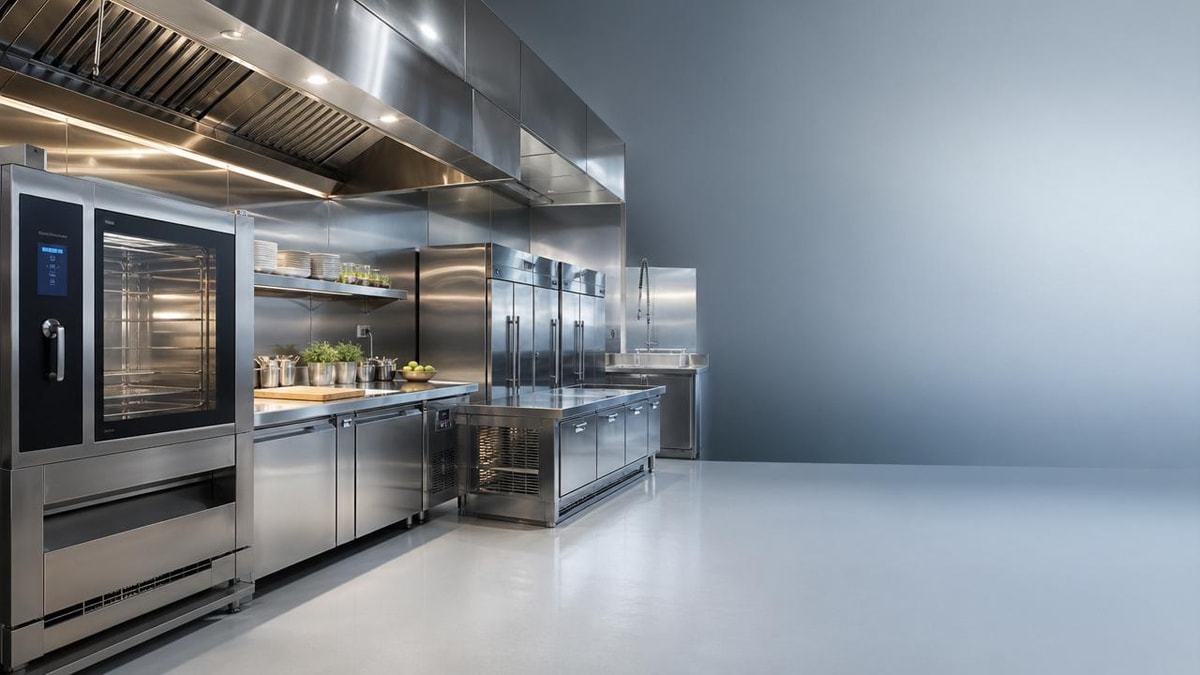
Good restaurant kitchen equipment design goes beyond appearance—it directly affects workflow efficiency, food safety, energy use, and long-term operational reliability. For technical evaluators, understanding how layout, material selection, equipment integration, and maintenance access work together is essential when assessing performance. This article explores what practical, high-performing restaurant kitchen equipment design looks like in modern foodservice environments.
Why restaurant kitchen equipment design is being judged differently today
The standards used to evaluate restaurant kitchen equipment design have changed quickly in recent years. In the past, many projects focused mainly on capacity, upfront cost, and whether a kitchen could fit essential appliances into a limited footprint. Today, technical evaluators are being asked to look deeper. Labor shortages, stricter food safety expectations, rising utility prices, and digital management systems have all shifted the definition of a “good” design.
As a result, restaurant kitchen equipment design is no longer just a question of selecting durable stainless steel units or arranging a standard cooking line. It now has to support faster service, safer handling, easier cleaning, better ventilation coordination, lower energy waste, and more reliable uptime. Kitchens are also becoming more integrated with data, meaning equipment layout and utility planning increasingly affect monitoring, preventive maintenance, and performance tracking.
For technical assessment teams, this shift matters because design weaknesses usually reveal themselves only after operations begin. A kitchen may look complete on installation day, but if the workflow creates bottlenecks, if hot and cold processes cross paths, or if service access is blocked, the real cost appears later in lost productivity, hygiene risk, and repair delays.
The main signals shaping modern kitchen equipment decisions
Several industry signals are changing what good restaurant kitchen equipment design looks like. First, operators want more output from smaller spaces. Urban restaurant formats, delivery-focused brands, and central kitchen models all put pressure on spatial efficiency. Second, energy performance has moved from a secondary concern to a core evaluation point. Third, kitchens are expected to support more standardized production, especially where chains need consistency across locations. Finally, hygiene and cleanability are being examined more carefully, not only by regulators but also by operators trying to reduce labor time.
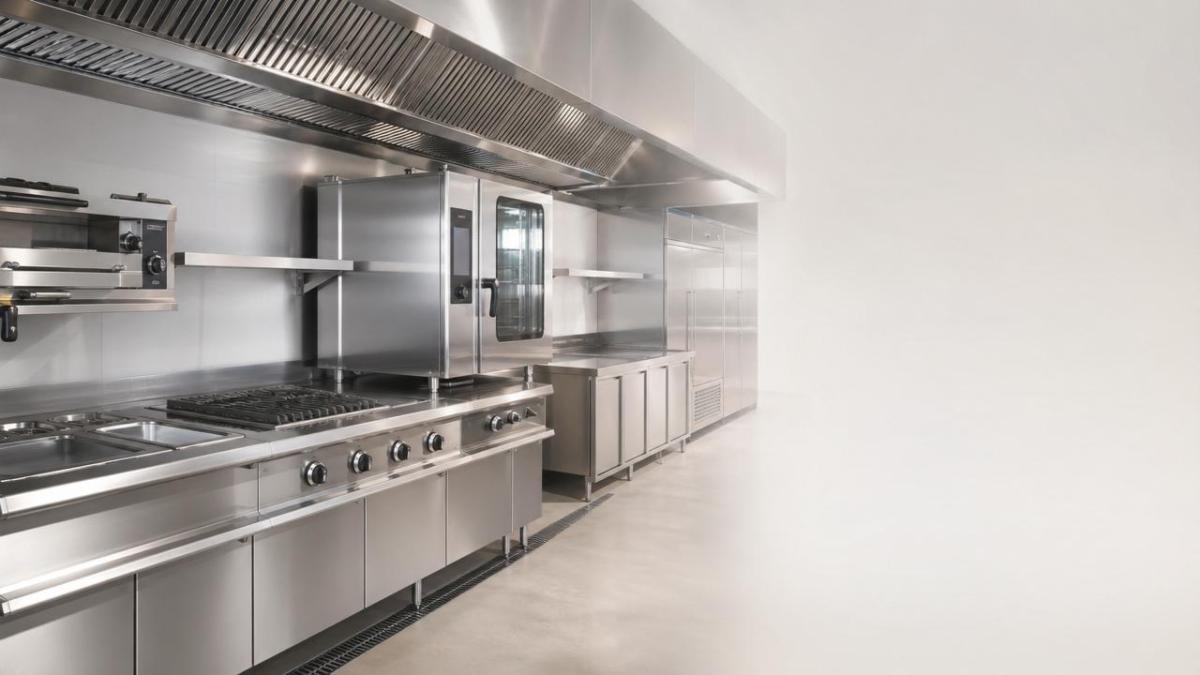
These changes mean technical evaluators should consider design as a system rather than a collection of individual machines. A combi oven, prep table, refrigeration line, exhaust hood, drainage plan, and wash area may all perform well separately, but if they do not work together, the kitchen underperforms. Good restaurant kitchen equipment design therefore depends on system compatibility, sequence of use, and support for daily operating reality.
What good restaurant kitchen equipment design looks like in practice
A strong design usually begins with flow logic. Raw receiving, storage, washing, prep, cooking, holding, plating, and warewashing should move in a practical sequence with minimal crossing of traffic. This is especially important in high-volume restaurants, hotel kitchens, and multi-menu operations where staff congestion can quickly reduce speed and increase risk. Good restaurant kitchen equipment design supports the movement of food, people, tools, and waste in clearly separated paths wherever possible.
Material selection is another visible marker of design quality. Evaluators should not only check for corrosion resistance and structural strength, but also examine weld finish, corner treatment, sealing quality, and ease of sanitation. Rounded internal corners, smooth joints, removable panels, and splash control features often indicate that the design has considered real cleaning conditions. In many cases, these details matter more than cosmetic appearance because they directly affect hygiene compliance and downtime.
Integration quality is equally important. A cooking suite that produces high heat without coordinated ventilation planning is not well designed. Refrigeration units placed too close to heat sources create avoidable compressor strain. Drainage points positioned far from washdown zones increase cleaning difficulty. Good restaurant kitchen equipment design aligns thermal loads, utility access, ventilation capture, cleaning procedures, and maintenance reach from the beginning rather than solving problems later with operational workarounds.
The biggest design drivers behind current upgrades
One major driver is operational consistency. Chain restaurants, managed foodservice operations, and expanding hospitality groups need kitchen systems that deliver repeatable results across sites. This has increased the value of programmable equipment, modular station design, and layouts that reduce operator variability. In this environment, restaurant kitchen equipment design must support standardization without making service or cleaning more difficult.
Another driver is the rise of compact, flexible formats. Ghost kitchens, mixed dine-in and delivery concepts, and limited-footprint restaurants need equipment arrangements that support multiple production modes. That often means multi-function cooking equipment, undercounter refrigeration, vertical storage efficiency, and utility planning that allows future reconfiguration. Technical evaluators should ask whether the design supports current menu demand only, or whether it also has flexibility for menu shifts, batch changes, and service model changes.
The third driver is sustainability pressure. While not every buyer uses the same environmental framework, there is broad movement toward lower energy consumption, water efficiency, reduced waste heat, and longer equipment life. In practical terms, this shifts attention toward insulation performance, standby energy management, efficient burners or induction systems, water-saving wash systems, and serviceable components that extend lifecycle value.
Where technical evaluators should focus their assessment
For technical assessment personnel, the most useful approach is to test restaurant kitchen equipment design against use conditions rather than brochure claims. Workflow simulation is especially valuable. Evaluate how many steps are needed between prep and cook lines, whether door swings interfere with movement, whether operators can clean behind units safely, and whether maintenance access requires removing adjacent equipment. Designs that look efficient on plan drawings can fail when real human movement is considered.
Attention should also be given to utility resilience. Good design includes practical routing for power, gas, water, drainage, and ventilation, with enough service access for inspection and repair. Overly tight installations may save floor space initially but create expensive maintenance problems later. If technicians cannot reach filters, valves, control panels, or condensate systems quickly, uptime suffers. In modern foodservice, maintainability is a key part of performance, not an afterthought.
Control interface design is another growing evaluation area. As kitchens adopt smart or semi-automated systems, complex interfaces can become operational barriers. Good restaurant kitchen equipment design should help reduce training time, prevent misuse, and provide clear status visibility. Error alerts, temperature display logic, and cleaning prompts all influence the real value of the equipment, especially in operations with frequent staff turnover.
How these changes affect manufacturers, buyers, and operators
The shift in restaurant kitchen equipment design affects different stakeholders in different ways. Manufacturers are under pressure to create equipment that is not only robust but also easier to install, easier to clean, and more compatible with digital and energy management expectations. Product development now has to balance durability, modularity, and user simplicity.
For buyers and consultants, the challenge is that specification decisions carry more downstream risk than before. A lower-cost selection may appear attractive during procurement, but hidden costs emerge through ventilation mismatch, excess energy use, sanitation inefficiency, or service difficulty. This is why technical evaluation has become more strategic. The goal is no longer just buying equipment that works; it is choosing a design that continues to work well under changing operational demands.
Operators, meanwhile, increasingly depend on kitchens that can absorb staff variability and menu pressure. Good design reduces reliance on individual operator experience by making movement, control, and cleaning more intuitive. In a market where speed, consistency, and compliance all matter, better design becomes a practical operating advantage rather than a premium feature.
Warning signs that a design may underperform
Several warning signs should trigger closer review. One is excessive dependence on manual movement between stations, especially where hot food, raw ingredients, and clean utensils share the same narrow path. Another is poor access for cleaning beneath or behind equipment. A third is weak coordination between heavy-load cooking appliances and extraction systems. Evaluators should also be cautious if a layout appears highly compact but leaves no allowance for service doors, maintenance tools, or replacement of wear parts.
A design can also underperform if it overemphasizes multifunctionality without considering throughput. For example, one unit may technically perform several cooking tasks, but if demand peaks require simultaneous output, that flexibility may create a bottleneck. Good restaurant kitchen equipment design always balances versatility with production reality.
What to watch next in restaurant kitchen equipment design
Looking ahead, several directions are worth monitoring. Smart monitoring will continue expanding, especially in temperature control, maintenance alerts, and usage tracking. More kitchens will adopt modular equipment strategies that allow phased upgrades instead of full redesigns. Energy efficiency will remain central, but attention will likely move beyond simple equipment ratings toward total kitchen system performance, including airflow balance, heat recovery potential, and real operating patterns.
There is also likely to be more demand for designs that support mixed production environments. Restaurants increasingly combine dine-in, takeaway, delivery, and pre-prepared components. This requires equipment layouts that can switch between speed service and controlled batch production without introducing confusion or hygiene risk. For technical evaluators, this means future assessments should include adaptability as a core criterion, not just immediate fitness for purpose.
Practical judgment questions before making a design decision
Before approving a proposal, evaluators should ask a focused set of questions. Does the restaurant kitchen equipment design reduce steps in the highest-frequency tasks? Can all critical surfaces and hidden zones be cleaned without disassembly that operators will realistically avoid? Are utilities and ventilation sized for peak demand rather than nominal use? Can maintenance teams reach the most failure-prone components quickly? Will the layout still function if menu mix, staffing level, or service format changes within the next few years?
These questions help connect industry trends with practical decisions. They also shift evaluation away from appearance-led judgments and toward long-term performance. In today’s market, the strongest restaurant kitchen equipment design is not the one that simply fits the plan; it is the one that keeps delivering efficiency, sanitation, flexibility, and serviceability as business conditions evolve.
Final takeaway for technical evaluators
The most important change in restaurant kitchen equipment design is that it must now be judged as an operational system shaped by labor realities, energy pressure, food safety demands, and digital integration. For technical evaluators, the opportunity is clear: assess not only equipment specifications, but also the way each design responds to real workflow, real maintenance conditions, and future business change.
If a business wants to understand how these trends affect its own projects, the best next step is to verify five points: workflow efficiency, sanitary access, utility coordination, maintenance reach, and adaptability under future load. Those five checks often reveal whether a proposed restaurant kitchen equipment design will remain reliable and competitive after installation, not just on paper.
Popular Tags
Kitchen Industry Research Team
Dedicated to analyzing emerging trends and technological shifts in the global hospitality and foodservice infrastructure sector.
Industry Insights
Join 15,000+ industry professionals. Get the latest market trends and tech news delivered weekly.
No spam. Unsubscribe anytime.
Contact With us
Contact:
Anne Yin (Ceramics Dinnerware/Glassware)
Lucky Zhai(Flatware)