
How to Build a Practical Restaurant Kitchen Equipment Setup
A practical restaurant kitchen equipment setup is the foundation of a safe, efficient, and productive foodservice operation. For kitchen staff and operators, choosing the right equipment layout and tools can reduce workflow delays, improve food quality, and support daily hygiene standards. This guide explores how to build a setup that matches real operational needs while keeping performance, energy efficiency, and ease of use in focus.
What makes a practical restaurant kitchen equipment setup work in real operations?
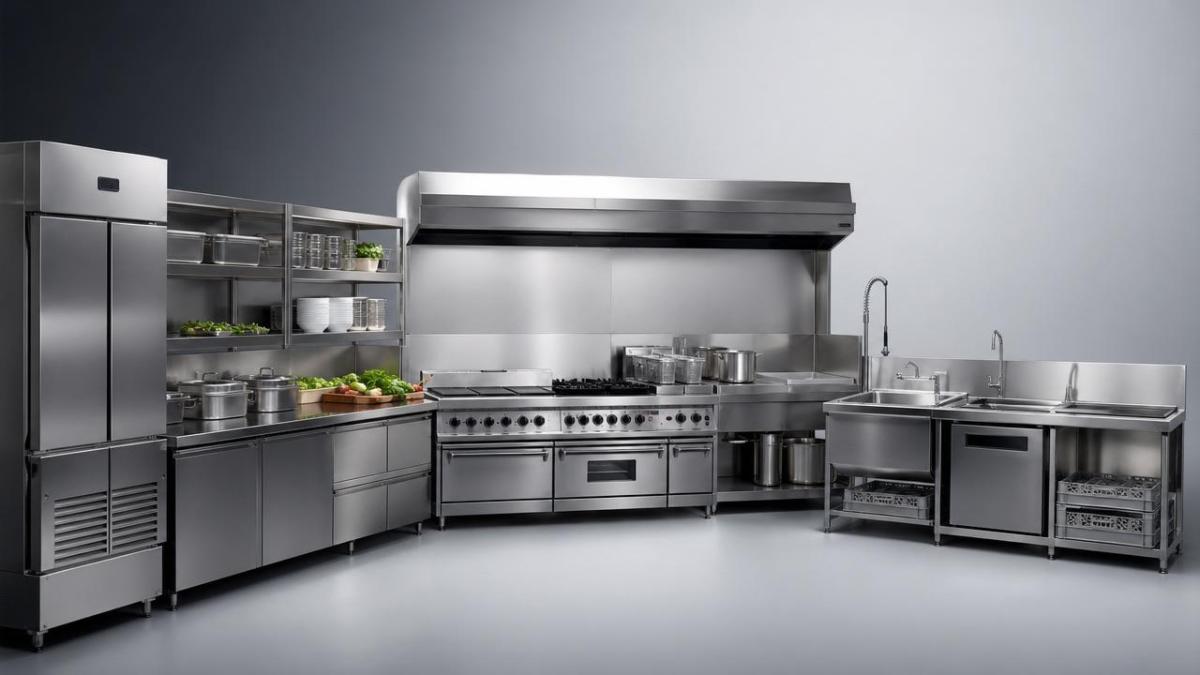
A restaurant kitchen equipment setup is not just a list of machines. It is a working system that connects prep, cooking, holding, cleaning, storage, and food safety control. Operators usually feel the difference quickly: a practical setup reduces backtracking, lowers stress during rush hours, and helps teams maintain output even with limited labor.
In the broader kitchen equipment industry, the shift toward automation, intelligent controls, and energy-efficient design is changing how restaurants plan their kitchens. Commercial kitchens now need equipment that supports consistency, simple operation, faster cleaning, and easier maintenance. This matters not only for large chains, but also for independent restaurants, hotel kitchens, central kitchens, and quick-service formats.
Core goals of a practical setup
- Maintain a smooth food flow from receiving and storage to prep, cooking, plating, and dish return.
- Reduce cross-contamination risk by separating raw, cooked, clean, and waste zones.
- Match equipment capacity to menu demand so staff do not overwork small machines or waste energy on oversized ones.
- Support daily usability with controls that operators can learn quickly and maintain safely.
- Control utility use, especially electricity, gas, water, and ventilation load.
The most effective restaurant kitchen equipment setup is therefore practical before it is impressive. Fancy features do not help if they slow down staff training, increase downtime, or create cleaning difficulties. A strong setup balances performance, footprint, maintenance access, and compliance needs.
How should operators divide the kitchen into functional zones?
Many equipment problems are actually layout problems. When fryers are too far from refrigerated prep, or warewashing blocks the service line, labor cost rises and food timing suffers. Building a restaurant kitchen equipment setup should start with functional zones rather than individual products.
Recommended work zones
- Receiving and dry storage: Shelving, carts, ingredient bins, and labeling space should allow stock rotation and quick inspection.
- Cold storage: Reach-in refrigerators, freezers, or walk-in units should be placed near prep but away from direct heat sources.
- Preparation area: Worktables, sinks, cutting tools, mixers, slicers, and food processors belong here. This zone needs strong lighting and easy sanitation access.
- Cooking line: Ranges, ovens, grills, fryers, steamers, and holding units should follow menu sequence and peak-hour demand.
- Service and pass area: Heat lamps, counters, ticket display systems, and plating space should support fast communication between cooks and front-of-house staff.
- Warewashing and waste handling: Dishwashers, sinks, drainboards, grease handling points, and trash separation should stay isolated from food prep.
For operators, the best sign of a well-zoned kitchen is fewer unnecessary steps per task. If staff regularly cross hot areas carrying raw food or clean dishes, the setup needs revision. Good zoning improves safety, service speed, and supervision.
Which equipment categories are essential for a restaurant kitchen equipment setup?
The right mix depends on menu style, service volume, and production rhythm. A café, casual dining restaurant, ghost kitchen, and hotel banquet kitchen all need different capacities. Still, most operators can evaluate equipment in several standard categories.
The table below helps operators map essential equipment categories to their operational role in a restaurant kitchen equipment setup.
This structure helps operators avoid a common mistake: spending most of the budget on the cooking line while underinvesting in prep flow, cold storage, or warewashing. A balanced restaurant kitchen equipment setup supports the full shift, not only the final cooking step.
How do you choose equipment sizes and performance levels without overspending?
Oversized equipment increases purchase cost, ventilation load, and utility bills. Undersized equipment causes bottlenecks, quality loss, and staff frustration. Operators should size equipment according to menu mix, hourly output, and batch timing rather than rough floor area alone.
Key sizing questions
- How many meals are produced during the busiest hour, not just in a full day?
- Which menu items compete for the same equipment at the same time?
- Does the operation rely on batch cooking, cook-to-order service, or mixed production?
- How much refrigerated mise en place must remain within arm’s reach during service?
- Can the electrical, gas, and exhaust infrastructure support future upgrades?
Smart kitchen technologies are also becoming relevant here. Digital temperature display, programmable cycles, and energy-saving idle modes can improve control without forcing operators into unnecessary complexity. The goal is useful intelligence, not feature overload.
The following comparison table supports equipment selection decisions by showing how different restaurant profiles usually prioritize a restaurant kitchen equipment setup.
This comparison shows that the best setup depends on production pattern. Operators should buy for workload logic, not just for catalog popularity. That is especially important in a global market where many products look similar but serve very different output levels.
What should operators check before purchasing restaurant kitchen equipment?
A practical purchasing process protects both budget and daily performance. The wrong buying decision often comes from focusing on initial price while ignoring serviceability, cleaning time, spare parts access, and utility compatibility.
Procurement checklist for operators
- Confirm utility conditions: Verify gas type, voltage, phase, drainage, water pressure, and exhaust requirements before ordering.
- Review cleaning design: Rounded corners, removable parts, grease management, and accessible surfaces matter during every shift.
- Check operator interface: Clear controls, visible displays, and simple programming reduce training mistakes.
- Assess maintenance access: Ask how filters, heating elements, probes, doors, and wear parts are serviced.
- Match output to menu: A machine with high nominal capacity may still be inefficient for your portion size or cooking cycle.
- Clarify delivery scope: Determine whether accessories, installation items, and start-up guidance are included.
If your project involves international sourcing, ask early about documentation, packing standards, lead times, and local compatibility. The kitchen equipment industry has strong manufacturing centers in countries such as China, Germany, Italy, and Japan, but operators still need practical confirmation on spare parts, installation conditions, and after-sales coordination.
How do cost, energy efficiency, and replacement options affect the final setup?
A restaurant kitchen equipment setup should be judged by total operating value, not purchase price alone. Two units with similar output can create very different costs over time because of energy draw, cleaning labor, oil consumption, downtime risk, or replacement frequency.
Where total cost usually comes from
- Initial equipment purchase and accessory package.
- Installation cost, including ventilation, gas, power, and plumbing adaptation.
- Utility use during daily operation, especially for hot-line equipment and refrigeration.
- Routine maintenance items such as seals, filters, probes, baskets, blades, or gaskets.
- Labor impact caused by slow cleaning, poor workflow, or frequent temperature instability.
Energy-efficient kitchen solutions deserve attention because they can reduce long-term operating pressure. For example, better insulation, standby control logic, and more accurate temperature management may help lower wasted heat and improve consistency. These benefits are especially relevant in restaurants with long opening hours.
When budget is limited, operators can consider phased purchasing. Start with core production equipment, refrigeration, and sanitation capacity first. Secondary upgrades such as additional holding units, advanced monitoring features, or specialized prep machines can follow once service volume is stable.
Which standards and compliance points should not be ignored?
Compliance is not only a regulatory topic. For operators, it affects safety, inspection readiness, installation approval, and food handling reliability. Specific requirements vary by country and project, but the principles are consistent across professional kitchens.
Common compliance areas
- Food-contact materials should be suitable for commercial foodservice use and easy to sanitize.
- Electrical and gas equipment should align with local installation and safety requirements.
- Ventilation planning should reflect heat, grease, and steam load generated by the cooking line.
- Temperature-sensitive equipment should allow reliable monitoring for refrigeration, cooking, and holding tasks.
- Cleaning workflow should support standard hygiene routines and reduce hidden contamination points.
If you are comparing suppliers for a restaurant kitchen equipment setup, ask what documentation can be provided for technical parameters, material details, wiring or gas information, and operation manuals. This makes installation planning and internal approval much easier.
What mistakes often weaken a restaurant kitchen equipment setup?
Operators often encounter the same avoidable problems, especially when projects move quickly or when procurement is separated from day-to-day kitchen reality.
Common mistakes and practical corrections
- Buying by price only: A low-cost unit may create higher service and replacement costs later.
- Ignoring workflow: Equipment may be individually strong but inefficient as a system if staff movement is poorly planned.
- Underestimating cleaning time: Hard-to-clean equipment increases labor burden and hygiene risk.
- Skipping future capacity planning: A setup that cannot scale forces expensive retrofits when business grows.
- Forgetting operator training: Even capable equipment performs poorly if teams do not understand settings, loading limits, and maintenance basics.
The fix is simple in principle: involve kitchen users early, evaluate tasks by shift, and compare equipment according to production reality. A practical setup should make work easier on a busy Tuesday night, not only look complete on an equipment list.
FAQ about building a practical restaurant kitchen equipment setup
How do I know whether my restaurant kitchen equipment setup is too large or too small?
Look at peak-hour output, waiting time at each station, and unused equipment time. If staff queue for access to one fryer, oven, or prep table during rush periods, capacity is too tight. If several major machines stay idle most of the week, the setup may be oversized. The right balance comes from matching equipment to actual menu demand and service rhythm.
Which area should operators prioritize first when the budget is limited?
Prioritize the equipment that protects food safety and core output: refrigeration, main cooking units, prep work surfaces, and handwashing or warewashing support. A restaurant kitchen equipment setup fails quickly if it cannot store ingredients safely, cook consistently, or clean efficiently. Decorative upgrades and niche equipment can wait.
Are smart controls necessary in every commercial kitchen?
Not always. Smart features are most valuable when they solve a clear problem, such as unstable temperatures, repeated cooking programs, or energy waste during idle periods. For many operators, useful digital controls are better than highly complex systems that require extra training and are rarely used.
What is the biggest layout mistake in a restaurant kitchen equipment setup?
One of the biggest mistakes is placing equipment according to available floor space rather than task sequence. This creates crossing paths between raw food, finished dishes, and dirty return items. The result is slower service, higher stress, and more sanitation risk. Workflow should guide layout decisions from the beginning.
Why choose us for restaurant kitchen equipment planning and supply support?
Choosing the right partner for a restaurant kitchen equipment setup means getting more than a product list. You need support that connects equipment selection with real kitchen use, energy efficiency goals, delivery timing, and compliance expectations. We focus on practical solutions for restaurants, hotels, central kitchens, and foodservice projects that need dependable equipment planning rather than generic recommendations.
What you can discuss with us
- Equipment parameters for cooking, refrigeration, prep, holding, and sanitation systems.
- Product selection based on menu type, expected output, and available utility conditions.
- Delivery schedules, packing details, and project coordination for local or export orders.
- Custom configuration ideas for compact kitchens, high-volume operations, or central production models.
- Documentation support for technical confirmation, operating needs, and general compliance review.
- Sample discussions, quotation requests, and phased purchasing plans when budgets must be controlled carefully.
If you are reviewing a new restaurant kitchen equipment setup or upgrading an existing line, contact us with your menu structure, service volume, kitchen dimensions, and preferred utility type. We can help you compare options, confirm practical parameters, discuss lead time, and build a setup that supports safe, efficient, and sustainable daily operation.
Popular Tags
Kitchen Industry Research Team
Dedicated to analyzing emerging trends and technological shifts in the global hospitality and foodservice infrastructure sector.
Industry Insights
Join 15,000+ industry professionals. Get the latest market trends and tech news delivered weekly.
No spam. Unsubscribe anytime.
Contact With us
Contact:
Anne Yin (Ceramics Dinnerware/Glassware)
Lucky Zhai(Flatware)