
Restaurant Kitchen Ideas That Improve Workflow and Output
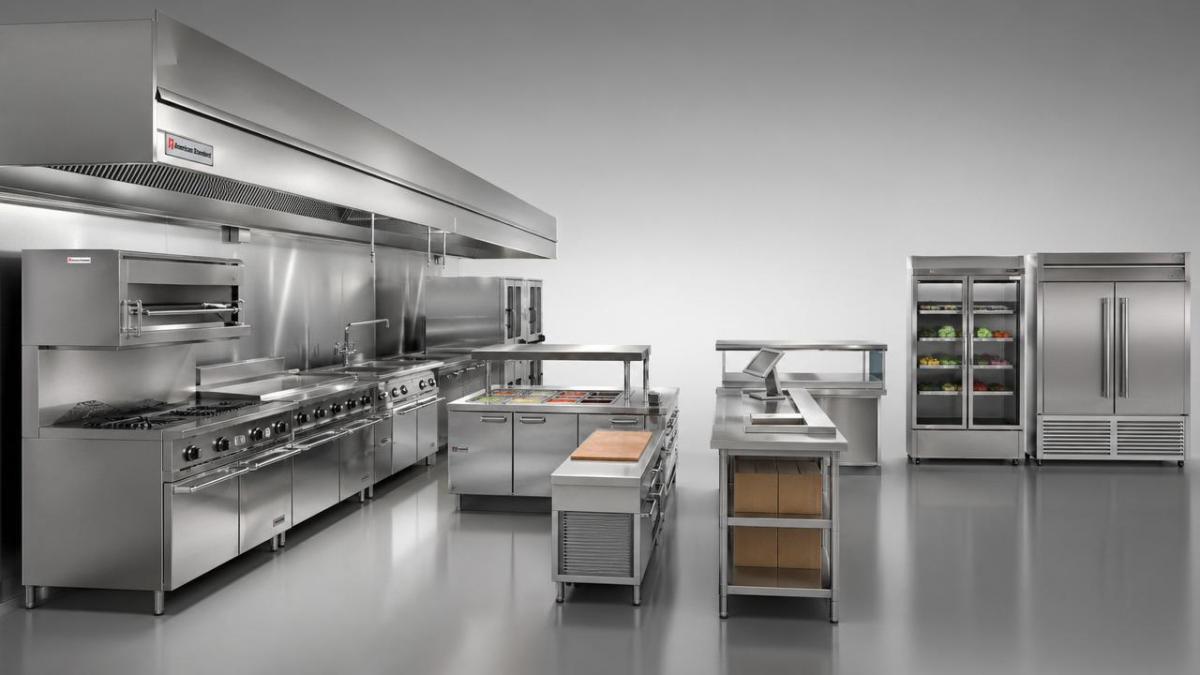
Great restaurant kitchen ideas do more than improve appearance—they directly shape speed, safety, and daily output. For kitchen staff and operators, a well-planned layout, smart equipment placement, and efficient workflow can reduce delays, lower labor pressure, and support consistent food quality. This article explores practical ways to design a restaurant kitchen that works harder, faster, and smarter.
Why workflow needs change from one kitchen scenario to another
Not all restaurant kitchen ideas work equally well in every operation. A fast-casual outlet serving a limited menu has very different demands from a full-service restaurant, hotel banquet kitchen, ghost kitchen, or high-volume chain unit. For operators and kitchen teams, the best design choice depends on order volume, menu complexity, staffing levels, cleaning routines, food safety control, and available floor space.
That is why layout planning should begin with actual use conditions rather than appearance alone. In one setting, the priority may be speed of assembly and packaging. In another, it may be separating hot and cold stations, reducing cross-traffic, or adding automated kitchen equipment that lowers repetitive labor. Good restaurant kitchen ideas are really about matching space, equipment, and staff movement to the output goal of the business.
For kitchen operators, the most effective question is not simply “What looks modern?” but “What setup helps our team prepare, cook, plate, clean, and restock with fewer interruptions?” This practical lens makes it easier to choose commercial kitchen equipment, workstation spacing, and energy-efficient kitchen solutions that support daily performance.
Typical operating scenarios where restaurant kitchen ideas matter most
The strongest restaurant kitchen ideas usually emerge when the kitchen is designed around a specific operating model. Below are common scenarios and the workflow issues each one faces.
Fast-casual and quick-service kitchens
These kitchens depend on short ticket times, predictable menu flow, and clear movement from storage to prep to cooking to service. In this scenario, compact line design, undercounter refrigeration, heated holding, and direct access to packaging supplies often improve output more than large multi-use spaces. Staff benefit from short walking distances and fixed station responsibilities.
Full-service restaurants with varied menus
A full-service operation typically needs more flexibility. Grill, fry, sauté, oven, salad, dessert, and dishwashing zones must work together without creating traffic conflict. Here, restaurant kitchen ideas should focus on line balance, clear pass-through areas, and equipment grouping by cooking method. The goal is to maintain quality while handling different preparation times.
Delivery-first and ghost kitchen models
In a delivery-heavy kitchen, the packaging station becomes as important as the cooking line. Operators need room for order checking, labeling, bagging, and dispatch. Smart kitchen technologies such as kitchen display systems, digital order routing, and production tracking are especially valuable here because they reduce order confusion and help manage peaks.
Hotels, banquets, and high-volume event kitchens
These environments require production at scale. Restaurant kitchen ideas for this scenario should support batch prep, hot holding, cold storage capacity, and smooth movement of carts, trays, and large cookware. Centralized prep zones and food processing machinery can help reduce labor intensity while keeping output consistent during service rushes.
Scenario comparison: what each kitchen setup should prioritize
To choose the right restaurant kitchen ideas, operators should compare their actual service model against space, labor, and equipment demands. The table below highlights the main differences.
Workflow-focused restaurant kitchen ideas by work zone
Across almost every scenario, the most useful restaurant kitchen ideas can be organized by work zone. This helps operators identify where delays begin and what changes can improve output.
Receiving and storage
If ingredients arrive in one area but are stored far away, staff lose time before prep even begins. A smart setup places dry storage, cold storage, and labeling tools close to receiving. Shelving should support first-in, first-out rotation, and larger operations should consider digital kitchen management solutions for stock tracking. Better storage flow reduces waste and avoids last-minute searching during service.
Prep stations
Prep zones should be built around actual menu volume. For example, a sandwich concept may need refrigerated ingredient rails and slicing tools close together, while a high-protein concept may need separate raw and ready-to-cook areas. One of the most practical restaurant kitchen ideas is to keep prep tools, containers, sinks, and waste bins within easy reach to reduce repeated motion.
Cooking line
The cooking line should reflect ticket sequence, not just equipment size. If fryers, griddles, ovens, and holding cabinets are arranged according to dish flow, staff can move more naturally under pressure. Energy-efficient kitchen equipment also adds value here because high-heat appliances often drive major utility costs. For many operators, replacing oversized or outdated units is one of the most profitable restaurant kitchen ideas available.
Plating, packing, and handoff
In many kitchens, this is the hidden bottleneck. A clean handoff station with garnishing supplies, packaging materials, ticket visibility, and heat retention tools prevents finished food from waiting in the wrong place. For dine-in operations, the pass should support communication between kitchen and front-of-house. For delivery, the staging shelf should separate active, ready, and dispatched orders.
Cleaning and reset
Restaurant kitchen ideas often fail when cleaning flow is ignored. Dish return routes should not cross with finished food. Operators should also plan for quick reset between service periods, with cleaning chemicals, drying racks, waste management, and utility access placed logically. A kitchen that resets faster is a kitchen that protects output all day.
How equipment choices should change by business size and staffing
The right restaurant kitchen ideas depend not only on menu type but also on labor reality. A small independent restaurant with a lean team may benefit from multifunction equipment that saves space and reduces training needs. A larger operation may gain more from specialized stations that increase throughput during rush periods.
When staffing is unstable or skill levels vary, automation becomes more important. Intelligent cooking equipment, programmable ovens, automatic fryers, and monitored holding systems support consistency even when operators are managing multiple tasks. In contrast, if the kitchen has experienced staff and a premium menu, the best approach may be to preserve manual control in certain stations while improving support flow around them.
For growing brands, scalable restaurant kitchen ideas matter. Equipment layout should allow the addition of a second prep table, extra refrigeration, or digital order management without a full redesign. This is especially useful in emerging foodservice markets where traffic can increase quickly and operational flexibility becomes a competitive advantage.
Common mistakes when applying restaurant kitchen ideas
Operators often adopt restaurant kitchen ideas from another concept without checking whether the same conditions exist. This leads to expensive mismatches. A visual trend from a showcase kitchen may not suit a high-volume back-of-house environment.
- Choosing equipment based on catalog appeal instead of production need
- Ignoring staff traffic patterns during peak periods
- Underplanning packaging and dispatch space for delivery orders
- Adding more appliances without upgrading ventilation, power, or cleaning access
- Creating large prep areas that are rarely used while core line stations remain cramped
Another common mistake is overlooking safety and hygiene. In foodservice environments, better workflow must support food safety, not compete with it. Separate cutting areas, controlled cold chain movement, proper handwashing access, and easy-to-clean surfaces should always remain part of the design decision.
Practical checklist for selecting the best-fit setup
Before investing in new restaurant kitchen ideas, kitchen staff and operators should review a few key questions:
- What are the top three bottlenecks during lunch, dinner, or delivery peaks?
- Which menu items create the most line congestion?
- Do staff cross paths too often between prep, cooking, and dishwashing?
- Can current commercial kitchen equipment support future volume increases?
- Would smart kitchen technologies improve ticket visibility, consistency, or inventory control?
- Are utilities, ventilation, and sanitation systems aligned with the proposed changes?
These questions help separate useful restaurant kitchen ideas from attractive but low-impact upgrades. In many cases, small changes such as station repositioning, better shelf placement, or improved holding and packing flow can produce measurable gains before major renovation is needed.
FAQ: scenario-based questions operators often ask
Which restaurant kitchen ideas work best for small spaces?
Small kitchens benefit most from vertical storage, multifunction equipment, undercounter refrigeration, and tightly grouped prep-to-cook stations. The key is to reduce unnecessary movement while maintaining safe separation of tasks.
How do I know if automation is worth it?
Automation is usually worth stronger consideration when labor is limited, consistency is difficult to maintain, or the same process is repeated at high volume. Programmable and intelligent kitchen equipment is especially effective in chain, delivery, and banquet scenarios.
Should dine-in and delivery use the same handoff station?
Usually not. If delivery volume is meaningful, separate staging prevents confusion, protects order accuracy, and reduces crowding near the pass. This is one of the most overlooked restaurant kitchen ideas in mixed-service operations.
Turning ideas into a better daily operation
The most effective restaurant kitchen ideas are not universal trends—they are scenario-based decisions. A kitchen that serves speed-focused takeaway orders needs a different layout from one that manages plated dining or banquet production. By reviewing workflow zone by zone and matching equipment to real service patterns, operators can improve output, reduce labor pressure, strengthen food safety, and make better use of energy-efficient kitchen systems.
If you are evaluating changes, start with your actual bottlenecks, menu flow, staffing pattern, and growth plan. From there, the right combination of layout planning, commercial kitchen equipment, and smart kitchen technologies can turn restaurant kitchen ideas into measurable performance gains.
Popular Tags
Kitchen Industry Research Team
Dedicated to analyzing emerging trends and technological shifts in the global hospitality and foodservice infrastructure sector.
Industry Insights
Join 15,000+ industry professionals. Get the latest market trends and tech news delivered weekly.
No spam. Unsubscribe anytime.
Contact With us
Contact:
Anne Yin (Ceramics Dinnerware/Glassware)
Lucky Zhai(Flatware)