
Small cafe kitchen design without crowding the prep line
A smart kitchen design for cafes can turn a small workspace into an efficient prep zone without slowing service. For owners, operators, and buyers comparing commercial restaurant supplies, stainless steel restaurant supplies, and a reliable restaurant supplies manufacturer, the right layout matters as much as the equipment itself. This guide explores kitchen design for small spaces with practical ideas to improve workflow, hygiene, and energy efficient kitchen design.
In a small cafe, the prep line is where speed, quality, and food safety meet. When refrigerators block movement, sinks are too far from prep counters, or undercounter storage is poorly planned, a team of 2 to 4 people can feel like a team of 10 in the worst way. The result is delayed orders, inconsistent output, higher labor strain, and avoidable waste.
For information researchers, operators, procurement teams, and business decision-makers, the goal is not simply to fit more equipment into less space. The goal is to create a kitchen workflow that supports daily volume, menu complexity, cleaning routines, and future growth. Good small cafe kitchen design balances circulation, ergonomic reach, cold storage access, and durable equipment selection.
Why small cafe kitchens become crowded so quickly
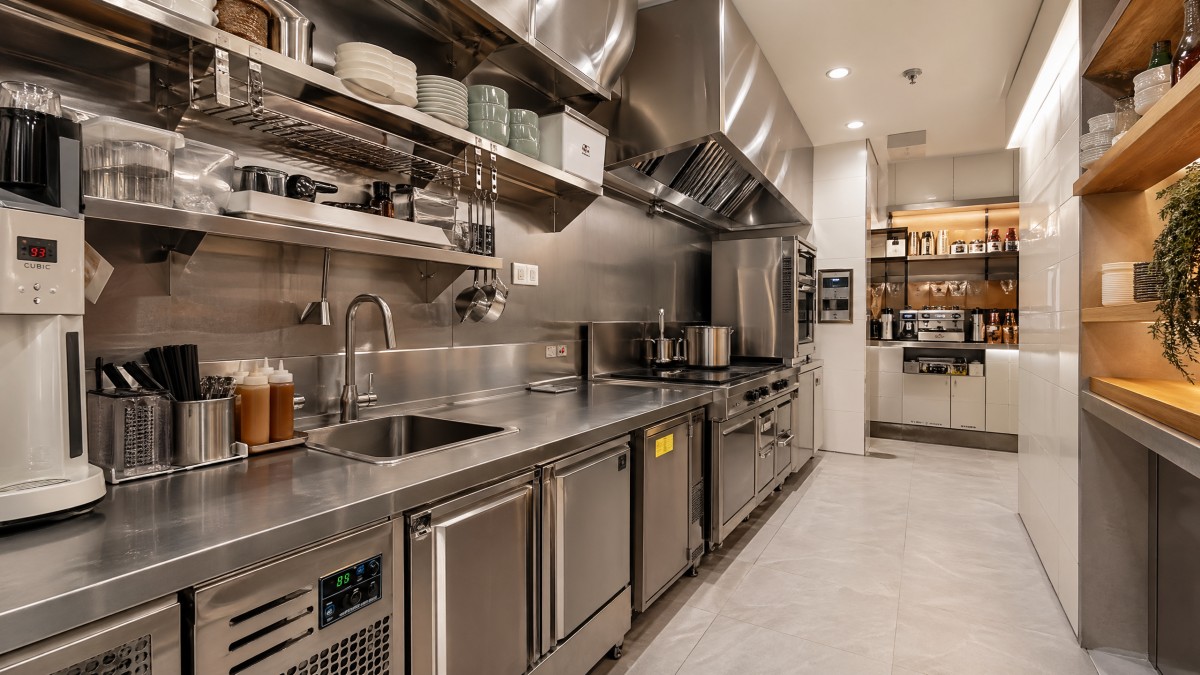
Most small cafe kitchens operate within 10 to 30 square meters, yet they may need to support beverage prep, cold food assembly, light hot food, dishwashing, dry storage, and packaging. Crowding happens when layout decisions are made by appliance dimensions alone rather than by motion paths. A 700 mm worktable may fit on paper, but if it narrows the aisle below 900 mm, two staff members can no longer pass safely during peak periods.
Another common issue is stacking too many functions into one prep line. In many compact cafes, the same counter is used for washing produce, portioning ingredients, plating desserts, and packing takeaway orders. That overlap creates cross-traffic, increases the risk of contamination, and slows service during rush windows that may last 60 to 120 minutes each morning and lunch period.
Equipment oversizing is also a hidden cause of congestion. Buyers sometimes choose larger refrigerators, wider cooklines, or deep storage cabinets “just in case,” but extra capacity is only useful if it does not damage workflow. In a small kitchen, one oversized reach-in unit can reduce productive movement by 15% to 25% compared with an undercounter or modular alternative better matched to the menu.
The table below outlines common crowding causes and their operational impact in compact cafe kitchens.
The key takeaway is simple: crowding is rarely caused by kitchen size alone. It usually comes from poor sequencing, oversized equipment, and weak zoning. For any buyer evaluating commercial kitchen equipment, the first step should be workflow mapping, not catalog selection.
Typical pain points by stakeholder
- Operators need faster handoff between cold prep, hot prep, and service within a 3-step to 6-step movement range.
- Procurement teams need durable stainless steel restaurant supplies that fit exact footprints, utility points, and cleaning needs.
- Decision-makers need layouts that support current output while allowing 10% to 30% future menu expansion without a full rebuild.
Designing the prep line around workflow, not just equipment
A high-performing prep line in a small cafe should follow task order from receiving and storage to washing, prep, finishing, and dispatch. Even in a limited footprint, arranging stations in a logical sequence can reduce backtracking significantly. For example, placing undercounter refrigeration directly beneath the prep surface shortens ingredient access to less than 1 step, compared with 4 to 7 steps to a separate upright refrigerator.
Zoning matters more than visual symmetry. A compact cafe kitchen often works best when divided into 4 practical zones: cold storage, wash/prep, assembly/finishing, and cleaning/return. If each zone has a clear boundary, one employee can complete repetitive prep tasks while another handles finishing and service, reducing interference during peak periods.
Counter depth and equipment height should also support ergonomics. A common prep depth of 600 mm to 700 mm is usually enough for sandwiches, salads, pastries, and beverage accompaniments. Overly deep counters create dead space at the back and increase bending. Likewise, shelving above 1800 mm may technically add storage, but items placed that high are often underused or create safety issues during rush hours.
The list below shows a practical sequence for building a prep line that stays efficient under daily cafe demand.
- Define menu categories and estimate volume by daypart, such as breakfast, lunch, and takeaway peak.
- Measure actual movement paths and identify all tasks requiring water, refrigeration, heat, or packaging access.
- Group equipment by sequence, not by supplier category, so preparation steps follow a natural order.
- Reserve at least 15% to 20% of the worktop for temporary staging to avoid clutter during peak periods.
- Validate cleaning access around equipment, especially for wall gaps, undershelves, and grease-prone areas.
When workflow drives layout, equipment selection becomes more precise. A smaller refrigerated prep counter, a single compact induction unit, or a narrow dish table may outperform larger standalone machines because they reduce movement and increase usable bench area. This is why experienced restaurant supplies manufacturers often recommend modular combinations for cafes instead of standard full-line installations designed for larger restaurants.
Station planning for different cafe formats
Coffee-led cafe
For beverage-focused stores, the back-of-house prep line can stay compact if food production is limited to cold assembly and reheating. In that case, undercounter refrigeration, a narrow sink, and a 1200 mm to 1800 mm stainless steel prep table are usually enough for the main line.
Light meal cafe
If the menu includes panini, soups, egg items, or pasta, the layout should separate hot finish from cold assembly. Even a 1.2-meter hot zone needs heat-resistant splash protection and enough side landing space to keep the prep line from becoming blocked during simultaneous orders.
Choosing equipment that saves space without reducing output
The best small cafe kitchen equipment is compact, easy to clean, and sized to actual throughput. Procurement should start with daily covers, order mix, batch size, and service style. A cafe serving 80 to 150 covers per day needs different refrigeration, holding, and wash-up capacity than one serving 250 covers with a strong takeaway program.
Multi-function equipment can reduce crowding when used selectively. Combination solutions such as refrigerated prep tables with ingredient pans, undercounter dishwashers, and stackable shelving can free up floor area. However, multifunction does not always mean better. If one machine creates a queue because too many tasks depend on it, the kitchen may become less efficient despite the space saving.
Material choice is equally important. Stainless steel restaurant supplies remain the preferred standard for compact commercial kitchens because they are durable, easier to sanitize, and better suited to moisture and acidic food exposure. In tight spaces where cleaning frequency may be 2 to 4 times per shift, smooth surfaces and simplified joints reduce maintenance time.
The table below compares common equipment choices for small cafe prep lines.
For buyers comparing suppliers, fit accuracy matters almost as much as machine performance. A variation of even 20 mm to 30 mm can affect whether a unit clears a drain line, door swing, or neighboring table. Confirm equipment drawings, service access points, and ventilation clearances before final purchase, especially for imported or custom-fabricated items.
Equipment selection checklist
- Match storage volume to 1-day to 2-day working stock, not full weekly inventory if external storage is available.
- Prioritize equipment with front service access where rear clearance is limited.
- Check door swing, drawer pull-out, and cleaning access within the actual kitchen footprint.
- Review power load, drainage, and water inlet positions before ordering.
Hygiene, safety, and energy efficiency in a compact layout
Small kitchens do not have extra room to absorb hygiene mistakes. When raw ingredients, ready-to-eat items, packaging, and dirty return paths overlap, the risk of cross-contact increases. A practical approach is to create clear “clean” and “used” directions, even if they are only separated by one dedicated landing area or one color-coded shelf group.
Sink placement is one of the most important decisions. In many cafes, a prep sink and a handwash point should be reachable within 3 to 5 steps from the main line. If staff must cross the cooking or dispatch area to wash hands or rinse produce, service slows and floors stay wetter for longer. This is both a hygiene and slip-risk issue.
Energy efficient kitchen design also starts with layout. Refrigeration placed beside heat-generating appliances works harder and consumes more energy. Separating cold equipment from ovens, griddles, or boilers where possible, even by 300 mm to 600 mm plus a barrier, can improve operating stability. Good gasket condition, condenser cleaning, and proper air circulation also have a measurable effect on performance over time.
Ventilation and lighting should not be treated as secondary details. In a 15 to 25 square meter kitchen, inadequate extraction can quickly raise ambient temperature, reducing comfort and affecting refrigerated prep. Targeted task lighting above the main prep surface improves accuracy, reduces errors in garnish and portioning, and supports cleaning inspection at the end of each shift.
The following points help maintain safety and efficiency in daily operation.
- Keep at least 1 dedicated handwash point separate from food contact sinks where local practice requires it.
- Use stainless steel surfaces with easy-wipe corners in zones cleaned multiple times per day.
- Separate hot and cold equipment to reduce thermal stress and unnecessary energy consumption.
- Schedule condenser, filter, and drain cleaning weekly or biweekly depending on grease and dust load.
For decision-makers, these details directly affect operating cost and risk control. Compact kitchens that are easy to clean and logically ventilated often experience fewer interruptions, more stable equipment life, and lower daily friction for staff. That value is not always visible in the purchase price, but it becomes clear in month 3, month 6, and year 1 of operation.
Procurement planning, supplier coordination, and implementation steps
A small cafe kitchen project moves faster when procurement is tied to an implementation plan. Whether the buyer works with a local fabricator or an international restaurant supplies manufacturer, key decisions should cover layout verification, utility coordination, fabrication tolerances, delivery sequence, and installation access. Compact sites are less forgiving than large kitchens, so a missed measurement can delay opening or trigger rework.
Lead times vary by product type. Standard stainless steel tables and sinks may be available within 7 to 15 days in many markets, while custom counters, imported refrigeration, or integrated prep stations can require 3 to 8 weeks. If the project includes electrical upgrades, extraction work, or plumbing relocation, buyers should build extra time into the schedule instead of assuming equipment arrival equals readiness.
A structured procurement review reduces risk. Instead of comparing quotes by price alone, assess material thickness, weld finish, service response time, spare parts availability, and dimensional consistency. For operations planning to run 6 or 7 days per week, after-sales support may be more valuable than a small initial saving.
The table below provides a simple decision framework for evaluating suppliers and implementation readiness.
The strongest suppliers usually support more than product delivery. They help buyers align fabrication with menu flow, identify utility conflicts early, and recommend alternatives when a standard product will crowd the prep line. That consultative approach is especially useful for growing cafe chains, hotel coffee bars, and foodservice investors opening compact urban sites.
A practical 5-step rollout
- Measure the site and map utility points, doors, drains, and ventilation limits.
- Define menu process and assign each task to a physical station.
- Select equipment by throughput, footprint, and cleaning access.
- Review shop drawings and confirm lead times before final approval.
- Install, test, train staff, and adjust station stocking during the first 2 to 4 weeks.
Common questions when planning a small cafe kitchen
How much aisle space should a small cafe kitchen allow?
A practical target is around 900 mm for a one-person working aisle and more where staff regularly pass each other with trays, hot containers, or dish racks. If the space falls much below that, the prep line may feel crowded even with well-chosen equipment.
Is custom stainless steel fabrication worth it for a small site?
Often yes, especially when the kitchen has irregular corners, columns, non-standard drainage points, or a need for combined storage and prep functions. Custom stainless steel restaurant supplies can recover valuable centimeters that standard units leave unused. The trade-off is a longer lead time, often 2 to 6 weeks depending on scope.
What is the biggest mistake buyers make?
One of the most common mistakes is buying for maximum theoretical capacity instead of daily workflow. A kitchen with too many large units may appear fully equipped, but if staff cannot move smoothly or clean effectively, service quality suffers. In small cafes, operational fit is usually more important than raw equipment volume.
How can operators improve an existing crowded prep line without full renovation?
Start with low-disruption changes: relocate small tools to wall shelving, replace bulky storage with undercounter units, separate clean and dirty return paths, and reserve one surface only for finishing or packing. Even 3 to 4 small adjustments can improve flow and reduce prep congestion noticeably.
A small cafe kitchen works best when every station, shelf, and appliance supports a clear sequence of movement. Smart layout decisions, right-sized commercial restaurant supplies, and durable stainless steel equipment can reduce crowding, protect hygiene, and improve output without increasing the footprint. For operators, buyers, and business leaders planning a new site or upgrading an existing one, the most effective solution is a workflow-first design backed by dependable supplier support. Contact us to discuss your layout, request a tailored equipment plan, or learn more about practical solutions for compact cafe kitchens.
- commercial kitchen equipment
- smart kitchen
- kitchen design
- restaurant supplies
- Griddle
- Storage Cabinet
- kitchen equipment
- energy efficient kitchen design
- smart kitchen design
- kitchen design for small spaces
- kitchen design for cafes
- commercial restaurant supplies
- restaurant supplies manufacturer
- stainless steel restaurant supplies
Popular Tags
Kitchen Industry Research Team
Dedicated to analyzing emerging trends and technological shifts in the global hospitality and foodservice infrastructure sector.
Industry Insights
Join 15,000+ industry professionals. Get the latest market trends and tech news delivered weekly.
No spam. Unsubscribe anytime.
Contact With us
Contact:
Anne Yin (Ceramics Dinnerware/Glassware)
Lucky Zhai(Flatware)