
Restaurant supplies for bakeries that cut prep time
In busy bakery kitchens, the right restaurant supplies for bakeries can make a major difference in daily prep speed, consistency, and workflow. From mixing and storage to baking and serving, well-designed equipment helps operators reduce manual tasks, improve food safety, and keep production running smoothly during peak hours.
Why scenario-based selection matters in bakery operations
Not every bakery works the same way, so not every equipment list delivers the same value. A neighborhood bread shop, a café with an in-house pastry station, a hotel breakfast bakery corner, and a central production kitchen all use restaurant supplies for bakeries differently. Operators who handle prep every day know that time loss usually comes from movement, waiting, poor storage access, uneven batch handling, and repeated manual steps rather than from one dramatic failure.
That is why scenario fit matters. The best setup is not always the biggest oven or the most advanced mixer. It is the combination of worktables, ingredient bins, racks, mixers, proofing support, refrigeration, baking trays, and cleaning tools that matches output volume, menu type, staff skill, and peak-hour rhythm. In practical terms, choosing restaurant supplies for bakeries should focus on where delays happen, what product lines need the most precision, and how operators move between stations.
For operators, this approach is especially useful because it turns equipment planning into a workflow decision. Instead of asking only what to buy, the better question is: which supplies reduce touches, shorten transitions, and support safe, repeatable prep in our specific bakery scene?
Common bakery scenarios and what each one needs most
The value of restaurant supplies for bakeries changes depending on the production environment. Below is a practical comparison that helps operators and supervisors match equipment priorities to real work conditions.
This comparison shows that restaurant supplies for bakeries are not one-size-fits-all. A compact operation may save more time with mobility and organization, while a large facility gains more from automation and capacity. Operators should always connect equipment decisions to actual production flow rather than to general product popularity.
Scenario 1: Small bakeries that need flexibility more than scale
Small bakeries often produce bread, pastries, cookies, and seasonal items in short runs. In this setting, prep time is lost when staff keep switching tools, moving ingredients from one corner to another, or cleaning down surfaces for the next batch. The right restaurant supplies for bakeries in this scenario should support quick changeovers and clean zoning.
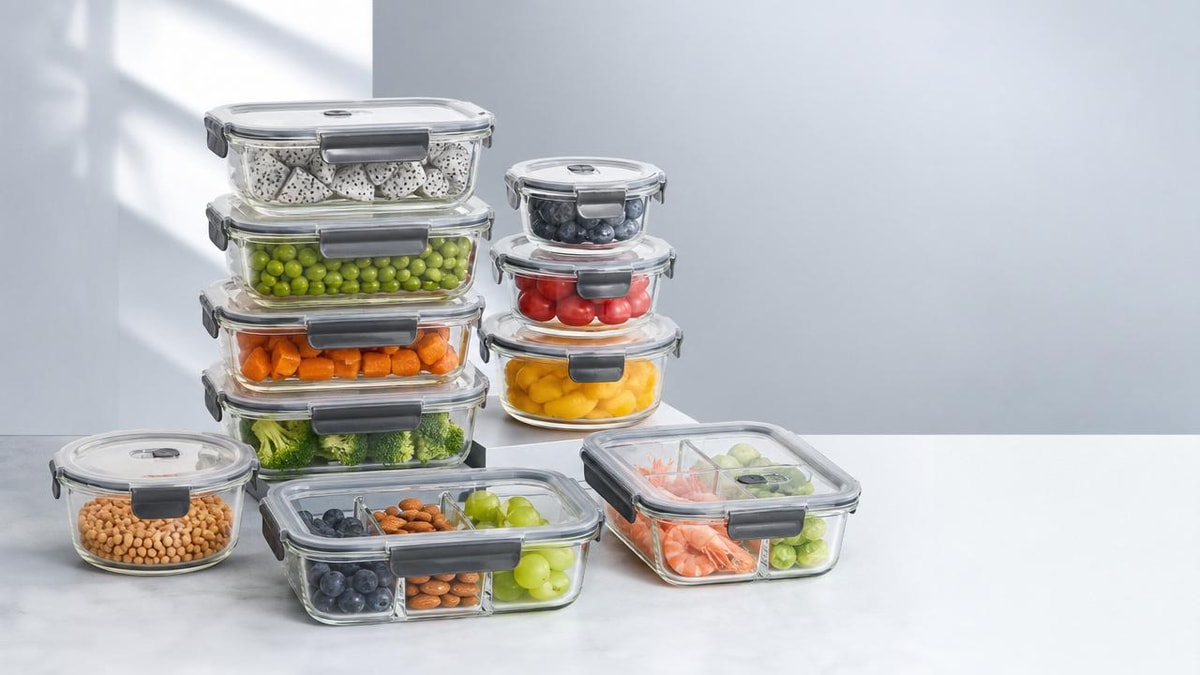
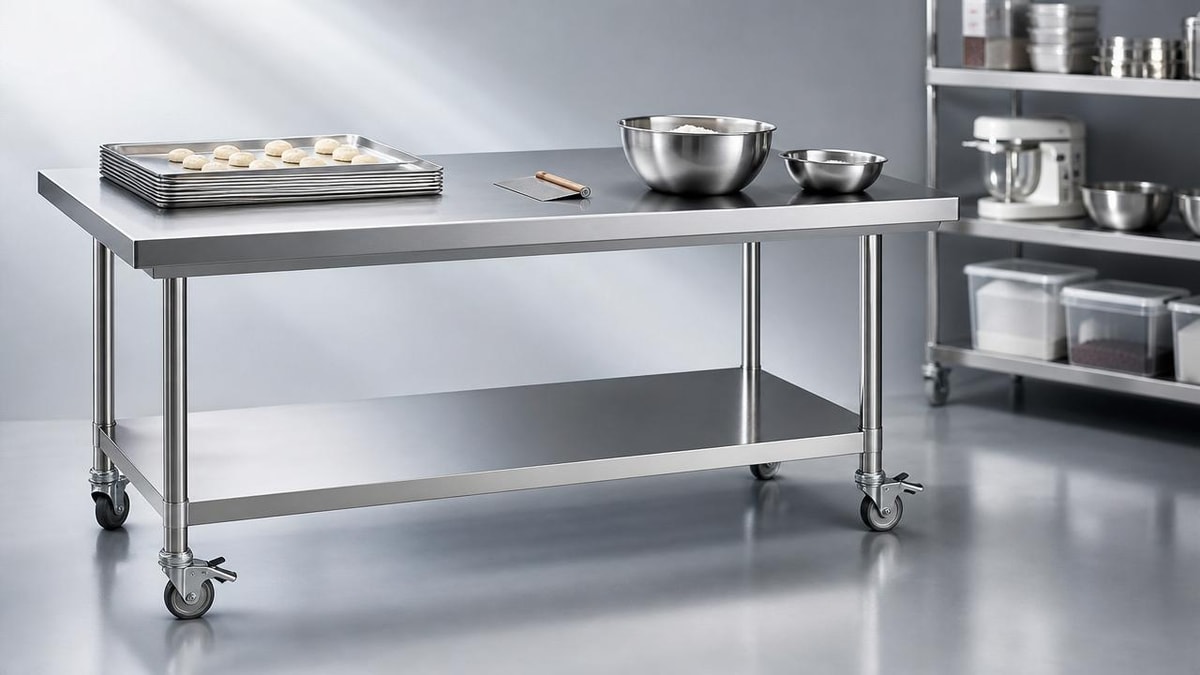
Operators usually benefit from stainless worktables with lower shelving, stackable ingredient containers, dough boxes, wheeled racks, and mid-size mixers that can handle multiple recipes without taking over the room. Clear food storage and accessible measuring tools also reduce searching time, which is a hidden but frequent delay in small shops.
A useful rule here is to prioritize movement efficiency. If staff take too many steps between flour storage, mixing, shaping, proofing, and baking, prep speed drops even with good appliances. Supplies that create a tighter work triangle often deliver more value than simply upgrading one machine.
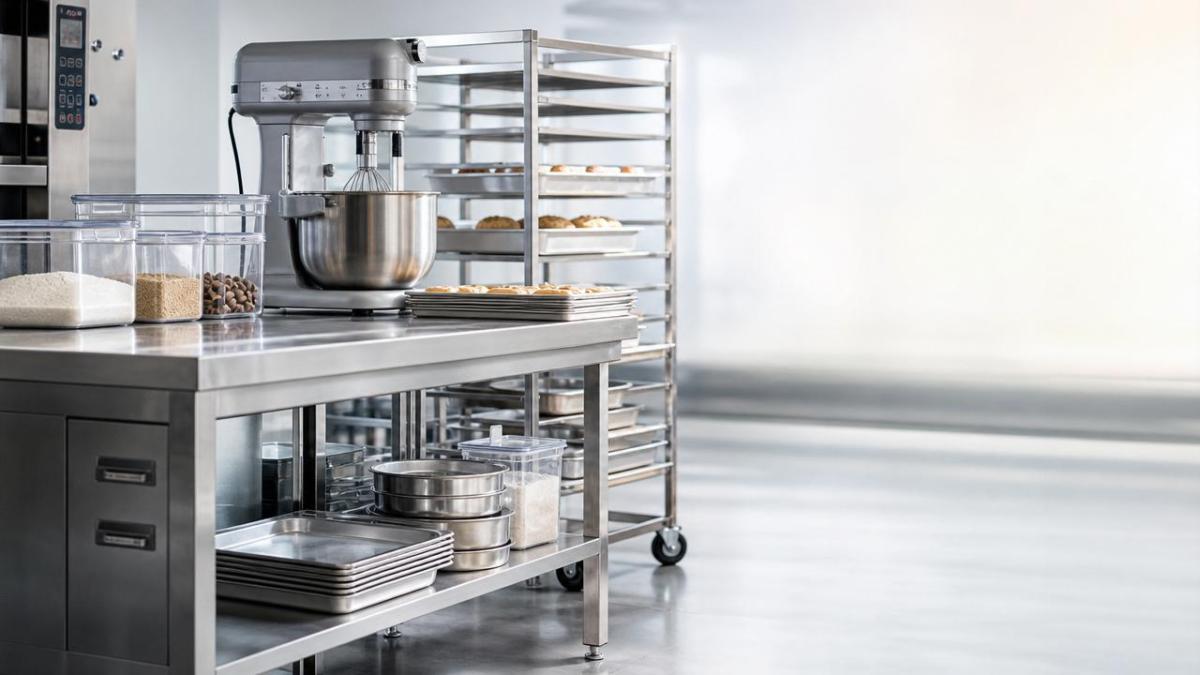
Scenario 2: Production bakeries where consistency drives labor savings
In higher-volume bread or pastry production, the problem is less about variety and more about repeatability. Teams may handle hundreds of units in a single shift, so small inefficiencies multiply quickly. Here, restaurant supplies for bakeries should reduce handwork, improve portion control, and keep batches moving without waiting for the next station.
Heavy-duty planetary or spiral mixers, dough dividers, sheeters, proofing cabinets, high-density pan racks, and cooling racks become central. Operators also need durable sheet pans, scrapers, bins, and transport carts that survive constant use. If the production line stops because trays are unavailable or dough rests in the wrong place, the cost is not just time but also product quality.
For this scenario, supplies should be selected in sets rather than individually. A faster mixer without enough tubs, racks, or proofing support may create a downstream bottleneck. Operators should map the full path from scaling ingredients to final cooling and packing, then identify where queueing occurs most often.
Scenario 3: Café bakeries and mixed-service kitchens
Many cafés bake on-site but operate with limited back-of-house space and overlapping staff duties. A team member may prep dough, serve customers, restock displays, and clean between rush periods. In this environment, restaurant supplies for bakeries should support compact workflow, simple operation, and fast access.
Undercounter refrigerators, countertop mixers, convection ovens, proofing drawers, ingredient dispensers, and easy-clean trays are common time-saving choices. Display-linked tools matter too. If baked items move directly from oven to presentation, operators save handling time by using serving trays and racks designed for both cooling and merchandising.
The key judgment point is whether the bakery station serves prep or service first. If customer-facing speed is critical, choose supplies that shorten finishing and replenishment. If the menu relies on fresh laminated or fermented items, more support should go into temperature control, dough holding, and organization behind the counter.
Scenario 4: Hotels, buffets, and institutional bakery corners
Hotels and institutional foodservice operations usually face fluctuating demand. Breakfast may be intense for two hours, while banquet production creates a very different prep cycle. For these users, restaurant supplies for bakeries must help teams prepare ahead, hold quality, and restock efficiently.
Holding cabinets, insulated transport solutions, rack systems, portioning tools, and easy-label storage containers are especially useful. Operators also benefit from versatile ovens and reliable refrigeration that protect product texture before service. In these settings, consistency in appearance matters almost as much as speed, so trays, molds, and finishing tools should support uniform output.
A common mistake is to focus only on bake capacity. In reality, staging, holding, and replenishment often decide whether service feels smooth. If products are ready but awkward to move, label, or rotate, prep gains disappear at the point of service.
How demand differences change the right equipment choice
Even within the same bakery type, demand patterns create different priorities. Morning bread production, custom cake work, frozen dough finishing, and all-day pastry replenishment each require a different set of restaurant supplies for bakeries. Operators should compare their own workflow against four core demand factors: batch size, product sensitivity, staff experience, and peak-hour timing.
This kind of matching process is where many operators gain the greatest improvement. The goal is not simply to buy more restaurant supplies for bakeries, but to buy the right combination for the exact pressure points of the shift.
Practical selection tips for operators on the floor
Operators should evaluate restaurant supplies for bakeries using real daily tasks rather than catalog descriptions. Start by tracking one full prep cycle: receiving ingredients, measuring, mixing, resting, shaping, baking, cooling, and storage. Note where staff wait, bend repeatedly, walk too far, or re-handle the same product. Those points usually reveal the best supply upgrades.
It is also smart to check cleaning requirements. Equipment that saves five minutes in production but adds fifteen minutes in sanitation may not improve total labor efficiency. For bakeries, smooth surfaces, removable parts, easy-access storage, and durable food-safe materials often create better long-term value than complex features with little daily benefit.
Another important consideration is integration. Mixing tools should fit bowl sizes, racks should fit oven trays, carts should move through doorways, and storage containers should match ingredient turnover. Compatibility across restaurant supplies for bakeries is what prevents workflow friction.
Common misjudgments when choosing bakery supplies
One common error is overbuying capacity and underbuying organization. A bakery may invest in a large machine but ignore ingredient bins, work surfaces, labels, and transport tools that actually control prep speed. Another mistake is selecting equipment based on a future expansion plan while current staff and menu do not yet justify it.
Some teams also underestimate storage flow. Dry storage, cold storage, and finished product holding are all part of prep efficiency. If operators cannot find ingredients quickly or if finished items crowd active work zones, restaurant supplies for bakeries will not deliver their full benefit no matter how advanced the main equipment is.
Finally, businesses sometimes ignore the user skill level. Supplies should support the people who use them every day. If controls are confusing, tools are too heavy, or the setup requires frequent workarounds, time savings disappear and consistency suffers.
FAQ: scenario-based questions operators often ask
Which restaurant supplies for bakeries usually cut prep time first?
In many bakeries, the fastest gains come from organized ingredient storage, mobile racks, efficient prep tables, reliable mixers, and accessible refrigeration. These improve movement and reduce repeated handling.
Are compact supplies enough for a small bakery?
Yes, if they match production style. Small bakeries often benefit more from compact, flexible restaurant supplies for bakeries than from oversized equipment that disrupts movement and cleaning.
What matters most in a high-volume setting?
Consistency, batch flow, and support equipment. Large-capacity machines help, but enough racks, pans, proofing space, and cooling capacity are just as important.
How can operators know a supply upgrade is worth it?
Measure labor time, product handling steps, and bottlenecks before and after the change. If the upgrade reduces waiting, walking, or rework, it is likely a good fit.
Choosing the right next step for your bakery scene
The best restaurant supplies for bakeries are the ones that fit your actual prep scene, staffing pattern, and product mix. A small artisan shop may need agility. A production bakery may need throughput and standardization. A café may need compact service-friendly tools. A hotel or institutional kitchen may need better staging and holding. When operators evaluate supplies through the lens of real workflow, they make smarter decisions that improve speed without sacrificing quality.
Before making a purchase, review your busiest shift, identify the top three prep delays, and compare them against the supplies currently in use. That simple scenario-based review often reveals which restaurant supplies for bakeries will produce the most immediate operational value. If needed, start with one work zone, measure the result, and then expand the upgrade plan with greater confidence.
Popular Tags
Kitchen Industry Research Team
Dedicated to analyzing emerging trends and technological shifts in the global hospitality and foodservice infrastructure sector.
Industry Insights
Join 15,000+ industry professionals. Get the latest market trends and tech news delivered weekly.
No spam. Unsubscribe anytime.
Contact With us
Contact:
Anne Yin (Ceramics Dinnerware/Glassware)
Lucky Zhai(Flatware)