
Glass tea server designs that pour cleanly without drip marks
A well-designed glass tea server should do more than look elegant on the table—it should pour smoothly, cleanly, and without leaving drip marks behind. If you are choosing a glass tea server for daily use, understanding spout shape, balance, and heat-resistant construction can help you find a piece that combines style with practical performance.
What a glass tea server is and why clean pouring matters
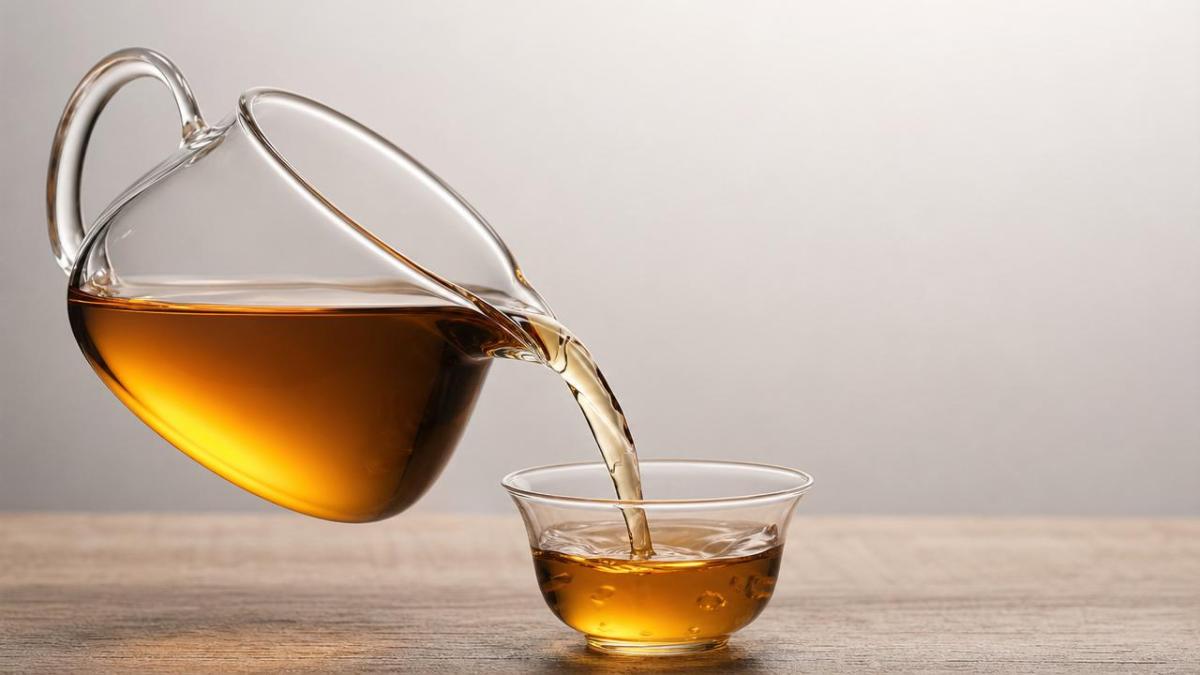
A glass tea server is a vessel used to hold brewed tea before serving it into cups. In many homes, cafés, and hospitality settings, it sits between the teapot or infuser and the final drinking cup, helping users control strength, temperature, and presentation. For end consumers, however, the most important detail is often not the concept itself but the everyday experience: does the tea flow neatly, or does it leave stains on the table after every pour?
Clean pouring matters because small drips quickly turn into repeated frustration. Tea marks on trays, counters, napkins, and tablecloths create extra cleanup and reduce the sense of quality that a transparent tea vessel is supposed to offer. A good glass tea server should direct liquid into the cup in a stable stream, stop cleanly when tilted back, and resist residual droplets that cling to the spout edge.
This issue has also gained attention in the wider kitchen equipment industry. As consumers increasingly value functional design, manufacturers are expected to combine aesthetics with precision. Products for modern kitchens are no longer judged only by materials and appearance; they are judged by usability, efficiency, and how well they fit into fast, tidy daily routines. In that context, drip-free pouring is a meaningful performance feature, not a minor luxury.
Why the kitchen equipment industry pays attention to pouring performance
Across the kitchen equipment sector, there is a clear move toward smarter design, energy efficiency, and user-centered functionality. Even for simple drinkware and serving tools, buyers now expect more thoughtful engineering. A glass tea server is a small product, but it reflects larger industry trends: precision shaping, safer heat-resistant materials, and improved performance through better manufacturing.
For restaurants, hotels, tea shops, and home users alike, a server that pours cleanly supports efficiency and presentation. In commercial environments, fewer drips mean less wiping between guests and a more polished service standard. In home kitchens, it means less mess on breakfast tables and less tea residue around the serving area. As kitchen products become more refined, details such as spout geometry, handle balance, and thermal durability become central to product quality.
The rise of global trade has also increased product variety. Consumers can now choose among minimalist European forms, heat-resistant Asian tea service designs, and hybrid products made for both specialty tea and casual daily use. This broad supply has made product comparison more important. Rather than buying on appearance alone, consumers benefit from understanding how design features affect actual pouring behavior.
The key design features that help a glass tea server pour without drip marks
Several design elements influence whether a glass tea server performs neatly. The first is the spout. A longer, more defined spout usually gives liquid a clear path, while a rounded lip with no edge may let tea spread and run back toward the body. A sharply formed pouring point often helps the stream break cleanly when the server is returned upright.
The second factor is wall thickness and rim finishing. Glass that is too thick at the pouring edge can encourage tea to cling and roll underneath. A refined edge, shaped with a narrow outlet and smooth transition, tends to improve flow. At the same time, the finish must remain durable enough for repeated hot use.
Balance is equally important. If the body becomes front-heavy when full, users often overcompensate by tilting too far, which can increase splashing and after-drip. A well-balanced handle and body allow more controlled motion. This is especially useful when serving multiple cups quickly or when the tea server has a larger capacity.
Heat-resistant construction also matters. Borosilicate glass is widely used because it tolerates temperature changes better than ordinary glass and supports thin yet strong designs. This allows manufacturers to create elegant forms with more accurate spouts and lighter handling. For consumers, this often translates into better comfort, better visibility of tea color, and longer-lasting performance.
A quick industry overview of design factors and user value
The following table summarizes the main design factors that influence the performance of a glass tea server and explains why they matter to end users.
Common glass tea server designs and who they suit best
Not every glass tea server is designed for the same user. Some prioritize visual elegance, while others focus on repeated practical serving. Understanding the common categories can help consumers choose a design that fits their habits.
For most end consumers, the straight spout or fairness pitcher style offers the best balance between appearance and drip control. Larger decorative models may look attractive on a shelf, but if they have a short spout and a heavy body, they can become inconvenient in daily use. A design that pours well once should also perform consistently over months of repeated handling and washing.
Practical value in home kitchens, cafés, and hospitality settings
Although the target audience here is the end consumer, it is useful to recognize how the same product logic applies across the wider kitchen environment. In a household kitchen, a clean-pouring glass tea server helps maintain an organized routine. Morning tea becomes easier to prepare and serve without having to wipe spills from the countertop or the tray.
In cafés and boutique tea service spaces, a clear server offers visual appeal by showing the color and clarity of the infusion. At the same time, staff need speed and precision. A server that drips after each pour slows down service and creates visible residue. Clean flow supports both product presentation and operational efficiency.
Hotels and hospitality businesses also benefit from tools that combine elegance with cleanliness. Guests notice details, especially during breakfast or afternoon tea service. The kitchen equipment industry increasingly responds to this by improving even small tabletop items. As a result, home users now have access to product standards that were once more associated with premium hospitality service.
How to evaluate a glass tea server before buying
When choosing a glass tea server, start by looking closely at the spout. A visible pouring point with a slightly narrowed tip often indicates better drip resistance than a smooth rounded edge. Product photos from the side can reveal whether the spout extends enough to separate the stream from the body.
Next, consider capacity in relation to your normal use. If you usually serve one or two cups, a compact server is easier to control and less likely to become front-heavy. If you often serve guests, choose a larger model with a handle that gives a stable grip even when full.
Material quality should also be checked. Heat-resistant borosilicate glass is generally a better choice for regular hot tea service. It supports transparency, lighter construction, and better tolerance to temperature change. For consumers concerned about longevity, this is often more valuable than decorative features alone.
Finally, pay attention to cleaning. A glass tea server with a narrow neck may look refined, but if it is difficult to wash thoroughly, tea residue can build up and affect both hygiene and appearance. A useful design should balance clean pouring with easy maintenance.
Usage tips to reduce dripping even further
Even a well-designed glass tea server performs best when used correctly. Pour in one steady motion rather than in a hesitant stop-and-start movement. At the end of the pour, rotate the wrist slightly upward to help break the stream cleanly. Avoid overfilling the server, since liquid too close to the rim can make neat pouring harder.
It also helps to rinse tea residue from the spout after use. Dried tannins can change surface behavior and encourage future droplets to cling. If your server includes a lid or integrated filter, make sure these parts fit securely and do not shift the balance during pouring.
A thoughtful choice for modern tea service
A good glass tea server represents more than visual simplicity. It reflects the broader direction of modern kitchen equipment: practical performance, material reliability, and design that improves everyday use. For consumers, the ideal choice is one that pours cleanly, feels balanced in the hand, handles heat safely, and stays easy to clean over time.
If you are comparing options, focus on real pouring design rather than appearance alone. A carefully shaped spout, stable body, and heat-resistant glass can make the difference between a decorative object and a truly useful tea-serving tool. Choosing the right glass tea server means investing in a better tea experience every day—cleaner, neater, and far more satisfying.
Popular Tags
Kitchen Industry Research Team
Dedicated to analyzing emerging trends and technological shifts in the global hospitality and foodservice infrastructure sector.
Industry Insights
Join 15,000+ industry professionals. Get the latest market trends and tech news delivered weekly.
No spam. Unsubscribe anytime.
Contact With us
Contact:
Anne Yin (Ceramics Dinnerware/Glassware)
Lucky Zhai(Flatware)