
Modular kitchen design makes upgrades easier later
Modular kitchen design gives project managers and engineering leaders a practical way to future-proof kitchen investments while keeping installation, expansion, and maintenance under control. As commercial and integrated kitchen systems evolve toward smarter, more energy-efficient solutions, a modular approach makes later upgrades faster, less disruptive, and more cost-effective for restaurants, hotels, food processing facilities, and large-scale kitchen projects.
Why modular kitchen design matters in modern project delivery
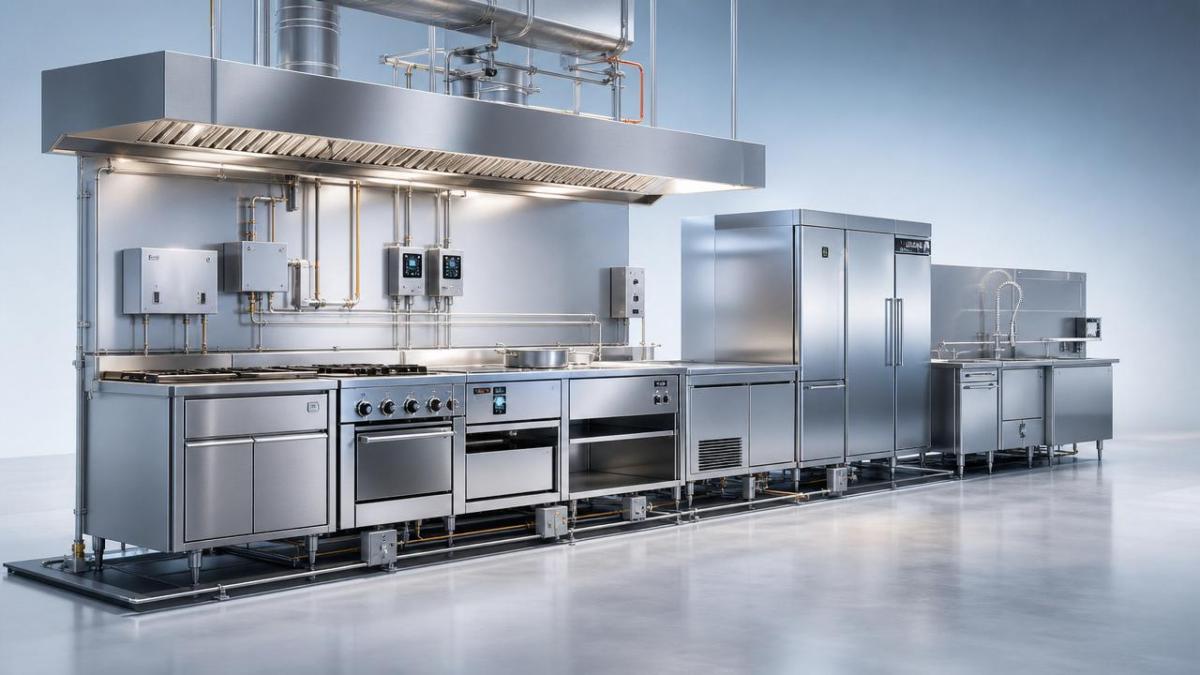
For project managers, the main challenge is rarely the first installation alone. The real pressure comes later: menu changes, capacity growth, stricter hygiene rules, higher energy costs, and new automation requirements. In that context, modular kitchen design is not just a layout method. It is a risk-control strategy for assets, timelines, and operating continuity.
In the kitchen equipment industry, buyers increasingly need systems that can adapt to digital controls, smart cooking equipment, automated preparation lines, and energy-saving upgrades. A fixed, highly customized kitchen may work at handover, but it often becomes expensive when equipment must be replaced, relocated, or integrated with new utility demands.
A modular kitchen design breaks the kitchen into functional units such as cooking, refrigeration, preparation, warewashing, ventilation, storage, and service interfaces. These units can be configured around standardized dimensions, connection points, and workflow logic. That structure gives engineering teams more control when facing phased construction, tenant fit-outs, regional compliance differences, or future retrofit projects.
- It reduces rework during later expansion because utility routes and equipment zones are planned with replacement in mind.
- It supports faster procurement decisions because the system is divided into easier-to-evaluate functional packages.
- It improves maintenance access, which matters in hotels, central kitchens, and food processing environments where downtime is costly.
- It makes integration with smart controls and energy monitoring more realistic, especially in projects with sustainability targets.
What defines a modular kitchen design in commercial and integrated projects?
In practice, modular kitchen design means more than using prefabricated cabinets. In commercial kitchens and large integrated projects, it refers to designing around repeatable modules, standardized equipment footprints, coordinated service connections, and layout flexibility. The system should let teams swap, add, or relocate equipment with less demolition and less disruption to operations.
Core characteristics engineering teams should expect
- Standardized dimensions for equipment lines, worktables, storage units, and support structures.
- Planned utility interfaces for power, gas, water, drainage, fresh air, and exhaust that can support future equipment changes.
- Functional zoning that separates raw preparation, cooking, holding, cleaning, and waste handling to support food safety and efficient flow.
- Compatibility with smart kitchen systems, digital monitoring, and energy management devices.
- Serviceability features such as accessible maintenance space, removable panels, and replaceable subassemblies.
This approach is especially relevant as the kitchen equipment industry moves toward automation, intelligence, and greener operations. Equipment lifecycles are no longer driven only by mechanical wear. They are also influenced by software upgrades, data integration needs, food safety audits, and pressure to reduce utility consumption.
Which project scenarios benefit most from modular kitchen design?
Not every kitchen project has the same upgrade path. However, several application scenarios consistently show strong returns from modular kitchen design. The common factor is change: changing menus, changing output, changing regulations, or changing business models.
The table below helps project decision-makers compare how modular planning supports different kitchen environments and why later upgrades become easier.
For project managers, the message is clear: when the operating model is likely to evolve, modular kitchen design creates flexibility that directly affects future capex, shutdown planning, and asset utilization.
Modular vs fixed kitchen layouts: what should buyers compare first?
A fixed layout may appear less complex during initial design, but it often hides future cost. Buyers should compare not only purchase price, but also reconfiguration effort, utility adaptation, and downtime risk. This is where modular kitchen design usually gains an advantage.
The comparison below is useful during concept review, value engineering, or pre-procurement meetings.
This does not mean fixed layouts are always unsuitable. In a highly stable, low-change environment, they may still be acceptable. But in most commercial foodservice and processing-related facilities, future changes are common enough that modular kitchen design deserves serious consideration from the beginning.
What technical factors make later upgrades easier?
A modular concept only works if the technical foundation is sound. Project teams should evaluate layout logic together with infrastructure design, equipment interfaces, and service strategy. If these elements are ignored, a so-called modular kitchen design may still be difficult to upgrade later.
Technical checkpoints for engineering review
- Reserve utility capacity. Electrical load, gas supply, drainage, and ventilation should include reasonable allowance for future equipment changes.
- Standardize connection interfaces. Consistent connection points reduce the need for custom field modifications when replacing ovens, fryers, refrigeration, or prep equipment.
- Protect workflow integrity. Upgrades should not force dirty-to-clean crossover or raw-to-cooked conflicts that create food safety risks.
- Plan ventilation and heat rejection early. Many later problems come from insufficient exhaust, make-up air, or refrigeration heat management.
- Allow service clearances. Tight spaces increase maintenance labor and may turn a minor replacement into a shutdown event.
In smart kitchen environments, data points also matter. If future goals include digital kitchen management, HACCP-related monitoring, energy tracking, or remote diagnostics, the design should leave space and pathways for sensors, control wiring, gateways, and communication devices.
How should project managers evaluate procurement and supplier fit?
A strong modular kitchen design is not defined by appearance alone. Procurement teams need a disciplined review method that covers equipment suitability, integration logic, documentation quality, and delivery capability. This is especially important when sourcing across international supply chains or combining products from different manufacturers.
The following table can be used as a practical supplier evaluation tool during RFQ, bid comparison, or technical clarification.
For engineering leaders, the best supplier is often the one that can explain interfaces, tolerances, utility loads, and upgrade pathways clearly, not simply the one offering the lowest unit price. Cheap equipment in a poor modular system can create expensive coordination problems later.
Cost, lifecycle value, and common budget mistakes
Some buyers assume modular kitchen design always costs more. Initial costs can be slightly higher in some cases because more attention is given to standardization, interface coordination, and future service access. But lifecycle value is where the model often proves itself.
Where savings usually appear
- Lower disruption cost during expansion or refurbishment, especially in live hotel and restaurant operations.
- Reduced field modification work because utility and layout interfaces were planned earlier.
- Improved equipment replacement efficiency, which can shorten maintenance shutdown windows.
- Better support for energy-efficient upgrades, such as newer cooking equipment, controls, or refrigeration technologies.
Budget mistakes project teams should avoid
- Comparing only equipment purchase price without including installation complexity and future retrofit cost.
- Cutting utility reserve capacity too aggressively to save short-term cost.
- Ignoring access space around high-failure or high-maintenance equipment.
- Mixing incompatible module sizes or interface standards from multiple sources without coordination review.
For many large projects, the real decision is not modular versus non-modular in absolute terms. It is whether the project will pay now for flexibility, or pay later in downtime, redesign, and reactive modifications.
What standards and compliance points should be reviewed?
Compliance should be built into modular kitchen design from the beginning. Exact requirements depend on country, project type, and equipment category, but several review areas consistently matter across foodservice, hospitality, and food processing support facilities.
- Food safety and sanitation design, including cleanable surfaces, hygienic zoning, and drainage logic.
- Electrical safety and proper matching of power supply, protection devices, and installation conditions.
- Ventilation and fire-related requirements for cooking lines and grease-producing equipment.
- Material suitability for food contact or wet-area operation where relevant.
- Energy efficiency expectations, especially in projects with sustainability targets or operating cost controls.
If the project involves cross-border sourcing, managers should also verify whether the supplied kitchen equipment aligns with destination market requirements. This is particularly important when equipment is manufactured in major export centers and deployed in a different regulatory environment.
FAQ: common questions about modular kitchen design
Is modular kitchen design only suitable for new projects?
No. It is also valuable in retrofit projects, especially when operators need to modernize kitchens while keeping part of the facility active. In refurbishment work, modular planning can help sequence installation by zone, reduce demolition scope, and shorten interruption to foodservice operations.
How much future capacity should be reserved?
There is no universal figure. The right reserve depends on the business plan, menu complexity, expected throughput growth, and utility constraints. A practical approach is to identify the most likely future changes first, then reserve capacity where upgrades are expensive to implement later, such as exhaust, drainage, and main electrical distribution.
What is the biggest mistake when buying a modular kitchen system?
The most common mistake is assuming modular means universally compatible. True upgrade flexibility requires coordinated dimensions, service interfaces, maintenance access, and documented utility conditions. Without those, the project may still face major rework during equipment replacement.
Can modular kitchen design support smart and automated kitchen upgrades?
Yes, and that is one of its strongest advantages. As kitchens adopt intelligent cooking equipment, digital monitoring, and automated food processing support, modular layouts make it easier to add sensors, communication devices, control panels, and upgraded equipment without rebuilding the entire workspace.
Why modular kitchen design is becoming a long-term industry standard
The kitchen equipment industry is moving toward integrated systems that are smarter, more energy efficient, and easier to manage digitally. In that environment, adaptability becomes part of performance. A kitchen that cannot evolve will eventually become a cost center, even if it looked efficient on day one.
For project managers and engineering leaders, modular kitchen design creates a more controllable path from concept to operation to future upgrade. It aligns with the realities of global sourcing, fast-changing foodservice formats, stricter hygiene expectations, and the growing role of data-driven kitchen management.
Why choose us for modular kitchen planning and upgrade support
If you are evaluating modular kitchen design for a hotel, restaurant group, central kitchen, food processing support facility, or integrated commercial project, we can help you move from broad concept to practical specification. Our support is focused on the issues project teams need to solve before procurement delays or upgrade risks appear on site.
- Parameter confirmation for layout zoning, utility loads, ventilation coordination, and equipment interface planning.
- Product selection support for cooking, refrigeration, preparation, warewashing, and integrated kitchen modules.
- Delivery timeline discussion for phased installation, retrofit sequencing, or multi-site rollout projects.
- Customized solution review based on throughput targets, workflow, hygiene zoning, and future automation plans.
- Certification and compliance communication for destination market requirements and project documentation needs.
- Quotation and sample support to compare alternative configurations, lifecycle implications, and upgrade readiness.
Contact us when you need a modular kitchen design review, equipment matching advice, utility planning input, or a clearer upgrade roadmap before finalizing your purchasing decision. Early technical alignment usually saves far more than late corrective work.
Popular Tags
Kitchen Industry Research Team
Dedicated to analyzing emerging trends and technological shifts in the global hospitality and foodservice infrastructure sector.
Industry Insights
Join 15,000+ industry professionals. Get the latest market trends and tech news delivered weekly.
No spam. Unsubscribe anytime.
Contact With us
Contact:
Anne Yin (Ceramics Dinnerware/Glassware)
Lucky Zhai(Flatware)