
Custom kitchen design pays off when standard layouts fail
When standard kitchen layouts start creating slow service, wasted movement, safety risks, or poor equipment fit, custom kitchen design usually stops being a luxury and becomes a practical business decision. For operators, buyers, and decision-makers, the real question is not simply “custom or standard,” but whether the current layout is limiting output, compliance, labor efficiency, and future growth. In many industrial kitchens, hospitals, schools, cafes, bakeries, and restaurant operations, a tailored plan delivers better workflow, stronger hygiene control, improved equipment utilization, and more predictable long-term operating costs.
That is why custom kitchen design often pays off when standard layouts fail: it solves real operational problems that generic plans cannot. Whether you are comparing commercial restaurant supplies, evaluating stainless steel restaurant supplies, or selecting a reliable restaurant supplies manufacturer, the value of a custom solution should be judged by performance, safety, adaptability, and total lifecycle return—not just by the initial kitchen design cost.
How do you know when a standard kitchen layout is no longer good enough?
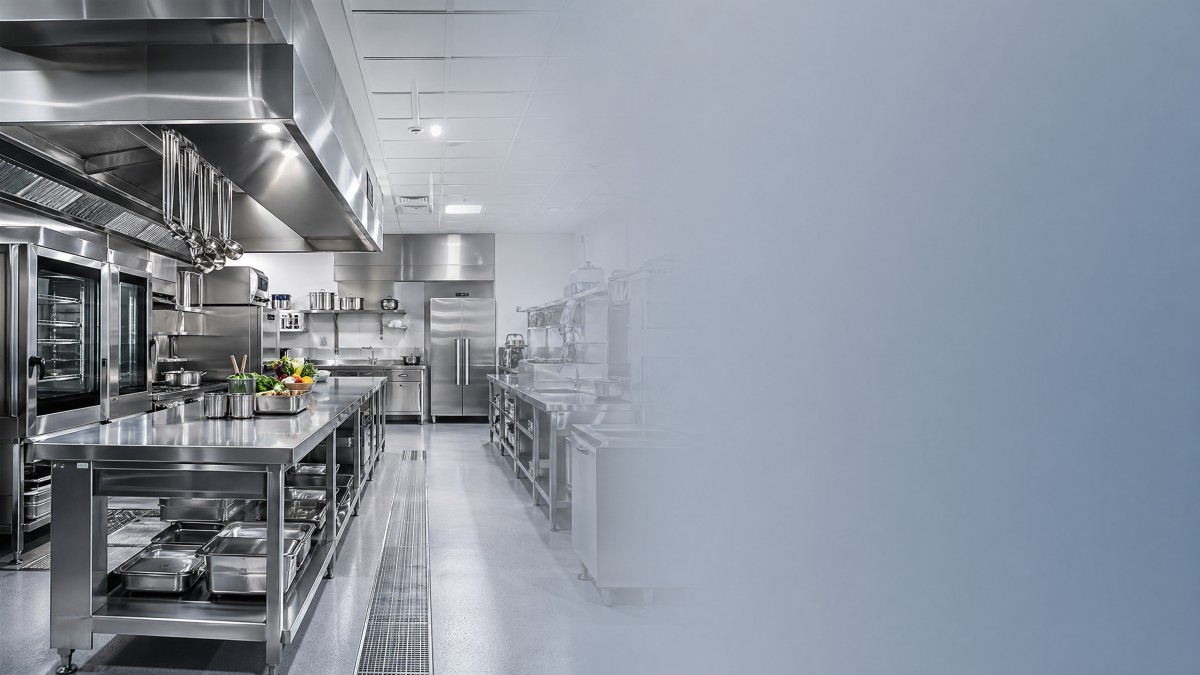
A standard layout works best when the menu is simple, the space is predictable, the equipment list is limited, and production volume is stable. But many kitchens do not operate under those conditions for long. As service complexity increases, layout limitations show up quickly.
Common warning signs include:
- Staff crossing paths constantly during peak hours
- Cooking, prep, washing, and storage zones interfering with each other
- Long ticket times despite experienced staff
- Equipment that fits physically but does not fit the workflow
- Underused corners and overcrowded workstations
- Hygiene risks caused by poor separation of clean and dirty processes
- Ventilation, drainage, or power capacity issues after new equipment is added
- Difficulty scaling output without adding labor disproportionately
For commercial and institutional users, these issues are not minor inconveniences. They directly affect labor cost, food quality, safety compliance, energy use, and customer experience. In this situation, custom kitchen design helps by aligning space, equipment, process flow, and operational goals.
Why custom kitchen design creates value beyond appearance
Many buyers first associate custom design with aesthetics. In reality, its strongest value is operational. A well-planned kitchen should reduce friction in the daily work of cooking, prep, cleaning, storage, and service.
Custom kitchen design creates measurable value in several ways:
1. Better workflow efficiency
A tailored layout reduces unnecessary walking, reaching, turning, and waiting. Staff can move faster with less fatigue, which is especially important in high-volume restaurants, central kitchens, schools, hospitals, and bakeries.
2. Stronger food safety and hygiene control
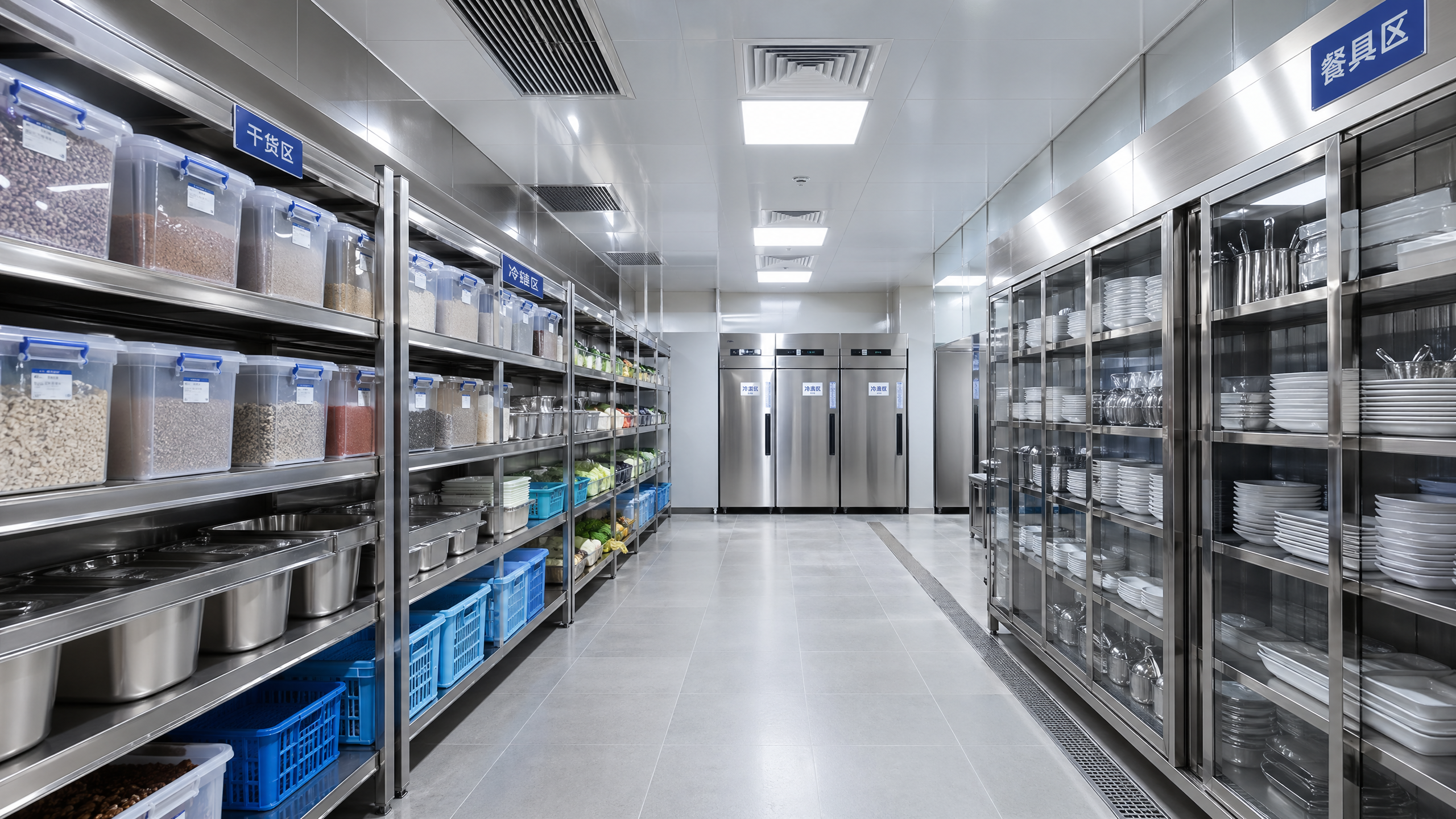
Custom planning allows better separation between raw and cooked products, allergen-sensitive preparation, dishwashing, waste handling, and storage. This is critical in healthcare, institutional, and food processing environments.
3. Improved equipment performance
Even premium equipment underperforms in a poor layout. Proper spacing, utility access, ventilation, and sequence positioning help ovens, refrigeration, prep tables, dishwashers, and automated systems operate as intended.
4. Lower long-term operating cost
Energy efficient kitchen design can reduce utility waste through better zoning, ventilation planning, refrigeration placement, and appliance selection. The design itself supports lower daily costs, not just the equipment specifications.
5. Easier expansion and adaptation
Custom layouts can be designed with future menu changes, higher production volume, or smart kitchen upgrades in mind. This reduces the chance of expensive redesigns later.
Which operations benefit most from custom kitchen design?
Not every project requires a fully customized solution, but certain environments gain far more from it than others.
Kitchen design for industrial kitchens
Industrial kitchens often have strict output targets, multiple process steps, and large equipment footprints. A generic layout can cause serious bottlenecks. Custom design helps balance production lines, loading zones, storage, and worker circulation.
Hospitals and healthcare kitchens
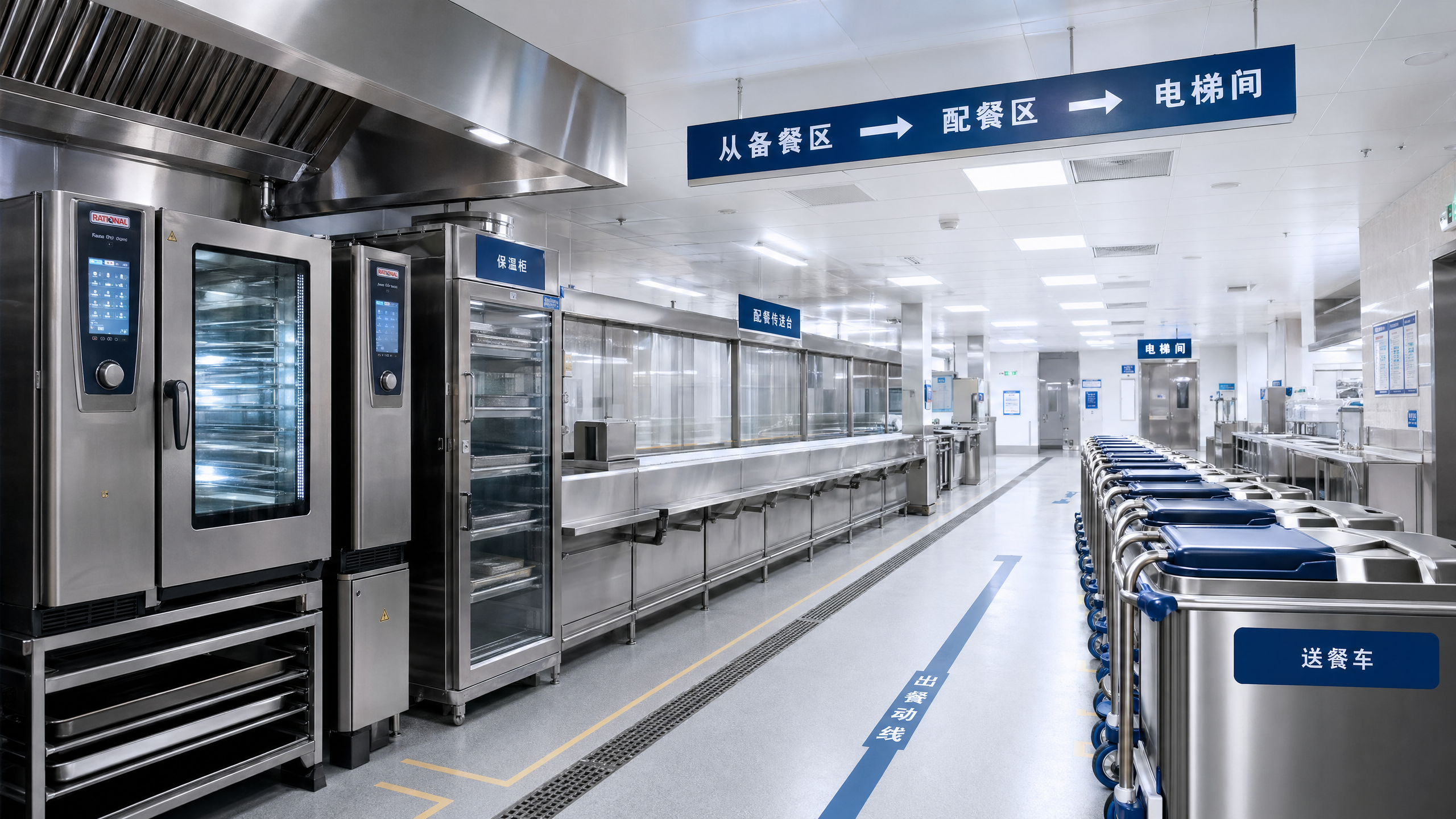
These kitchens must support sanitation, diet-specific production, traceability, and efficient meal distribution. Workflow precision matters as much as equipment quality.
Schools and institutional catering
Schools need reliable throughput in narrow service windows. A custom layout can improve serving speed, reduce congestion, and support safer handling for large meal volumes.
Cafes and compact urban kitchens
Smaller spaces require every meter to work harder. Custom planning is often the difference between a cramped kitchen and a productive one.
Bakery operations
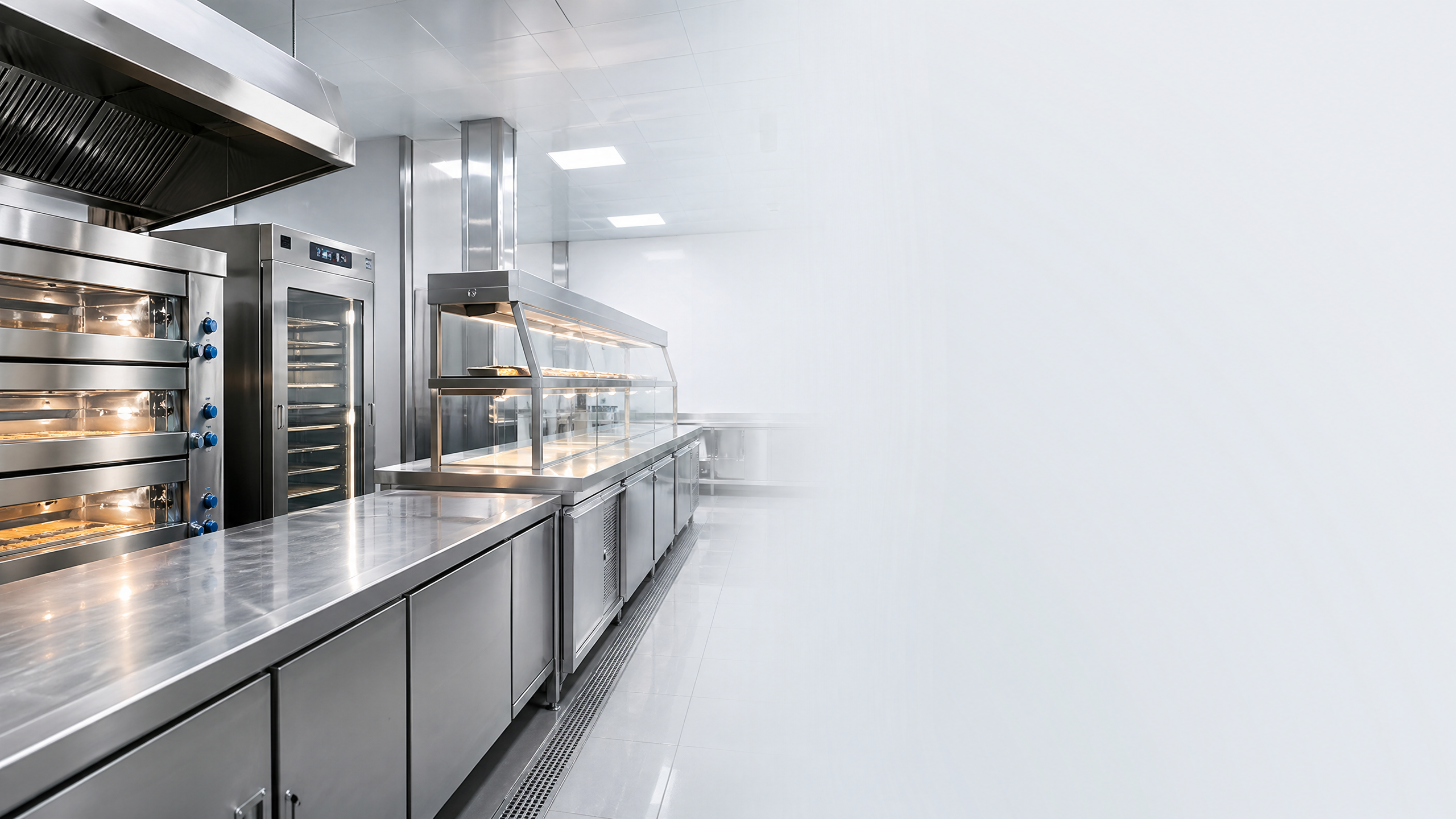
Bakeries need process-specific zoning for mixing, proofing, baking, cooling, finishing, and storage. Standard layouts often fail because bakery workflow is different from general hot-kitchen workflow.
What should buyers evaluate before approving a custom kitchen project?
For procurement teams and business leaders, the best decisions come from evaluating a kitchen as an operating system, not a furniture arrangement. Before approving a project, focus on these questions:
What production outcome must the kitchen support?
Start with output: meals per hour, batches per day, service peaks, menu complexity, and staffing model. A kitchen should be designed around production reality.
Where are today’s bottlenecks?
Look at receiving, storage, prep, cooking, plating, service, return, washing, and waste. The slowest stage often reveals where custom planning will generate the biggest return.
Will the equipment list match the actual process?
Commercial restaurant supplies should be chosen based on workflow sequence, utility requirements, cleaning access, and daily use frequency. Equipment should fit the operation, not just the room dimensions.
Are hygiene and compliance risks fully addressed?
This matters especially in hospitals, schools, central kitchens, and food processing environments. Drainage, handwashing points, clean/dirty separation, material selection, and ventilation should all be reviewed early.
Can the design support future changes?
If the business may add delivery volume, automation, new menu lines, or digital management tools, the layout should leave room for that evolution.
How to think about kitchen design cost versus long-term return
One of the biggest concerns for buyers is kitchen design cost. The mistake is evaluating cost only by the initial project budget. A cheaper standard layout can become more expensive over time if it increases labor hours, slows output, wastes energy, or forces an early retrofit.
To assess return more accurately, consider:
- Labor saved through better movement and faster production
- Reduced downtime from better equipment placement and service access
- Lower energy use through energy efficient kitchen design
- Less product waste from improved storage and prep flow
- Fewer safety incidents and compliance issues
- Higher throughput during peak demand
- Longer usable life of the kitchen before major redesign is needed
For many businesses, the payoff does not come from one dramatic number. It comes from consistent daily gains across labor, utilities, maintenance, quality, and service speed.
What role do smart kitchen design and modern equipment play?
Smart kitchen design is becoming more relevant as foodservice and food processing operations seek better visibility and control. But smart systems only work well when the physical layout supports them.
Examples of useful integration include:
- Connected cooking equipment for temperature and cycle monitoring
- Automated food processing systems for repetitive production tasks
- Digital kitchen management tools for scheduling, maintenance, and performance tracking
- Sensor-based refrigeration monitoring
- Energy management systems tied to usage patterns
For operators, smart kitchen design should solve a real problem such as inconsistency, waste, maintenance delays, or labor pressure. It should not be added just because it is modern. The best results come when intelligent systems are planned together with workflow, equipment spacing, utilities, and staff use patterns.
How to choose equipment and supplier support for a custom kitchen
A good design can still fail if the equipment quality, material choice, or supplier coordination is weak. That is why many procurement teams compare not only product features, but also the capabilities of the restaurant supplies manufacturer behind them.
When reviewing suppliers and equipment partners, consider:
- Experience with similar project types such as hospitals, bakeries, cafes, or industrial kitchens
- Ability to provide stainless steel restaurant supplies suited to hygiene and durability needs
- Support for utility planning, layout coordination, and installation requirements
- Customization options for counters, shelving, fabrication, and workflow stations
- Lead time reliability and after-sales service
- Compliance with local and project-specific safety standards
Stainless steel restaurant supplies remain a preferred choice in many commercial settings because they are durable, hygienic, corrosion-resistant, and easier to maintain. But material alone is not enough. The dimensions, fabrication quality, and placement must support actual operational flow.
What does a practical custom kitchen design process look like?
For execution teams and operators, a structured process reduces mistakes and helps align design with real use.
- Assess the operation: Review menu, volume, staffing, service model, compliance needs, and pain points.
- Map the workflow: Track the movement of ingredients, staff, equipment, utensils, and waste.
- Define equipment requirements: Select core and support equipment based on process sequence.
- Plan utilities and environment: Confirm ventilation, drainage, power, gas, water, lighting, and cleaning access.
- Review ergonomics and safety: Check reach zones, aisle width, visibility, and separation of hot, cold, clean, and dirty areas.
- Test for peak-hour function: Simulate service periods before final approval.
- Prepare for future flexibility: Leave room for expansion, replacement, or smart upgrades.
This process is especially important when multiple stakeholders are involved, including chefs, facility managers, procurement staff, maintenance teams, and senior management.
Conclusion: when standard layouts fail, customization becomes a performance decision
Custom kitchen design pays off when standard layouts no longer support the way a kitchen truly operates. If the current setup causes bottlenecks, weak hygiene flow, poor equipment use, rising labor pressure, or limited growth, customization is not extra complexity—it is a way to remove operational constraints.
For information researchers, operators, procurement teams, and business decision-makers, the best approach is to evaluate kitchen design through business outcomes: workflow efficiency, safety, scalability, energy performance, and total lifecycle value. Whether the project involves kitchen design for industrial kitchens, hospitals, schools, cafes, or bakeries, the right layout can improve both daily performance and long-term return. And when selecting commercial restaurant supplies, stainless steel restaurant supplies, or a trusted restaurant supplies manufacturer, the strongest results come from matching equipment decisions with a design built around real operational needs.
- smart kitchen
- industrial kitchen
- cooking equipment
- central kitchen
- kitchen design
- restaurant supplies
- energy efficient kitchen design
- smart kitchen design
- custom kitchen design
- kitchen design cost
- kitchen design for industrial kitchens
- commercial restaurant supplies
- restaurant supplies manufacturer
- stainless steel restaurant supplies
Popular Tags
Kitchen Industry Research Team
Dedicated to analyzing emerging trends and technological shifts in the global hospitality and foodservice infrastructure sector.
Industry Insights
Join 15,000+ industry professionals. Get the latest market trends and tech news delivered weekly.
No spam. Unsubscribe anytime.
Contact With us
Contact:
Anne Yin (Ceramics Dinnerware/Glassware)
Lucky Zhai(Flatware)