
Commercial Kitchen Equipment Manufacturers to Watch
As global foodservice evolves, commercial kitchen equipment manufacturers are racing to deliver smarter, safer, and more efficient solutions. From industrial food equipment and hotel kitchen equipment to commercial kitchen layout planning, today’s buyers need reliable partners that combine innovation, scale, and service. This guide highlights the commercial kitchen equipment manufacturers to watch, helping procurement teams, operators, and decision-makers compare leading brands, sourcing trends, and catering equipment suppliers in a fast-changing market.
For buyers in restaurants, hotels, central kitchens, and food processing environments, the market is no longer defined by basic stainless steel hardware alone. Selection now depends on energy performance, automation capability, after-sales support, hygiene design, spare parts availability, and whether a manufacturer can support projects across 1 site or 100 locations. That shift is why watching the right commercial kitchen equipment manufacturers matters.
The most relevant manufacturers today are not always the biggest by volume. They are the companies that balance product breadth, engineering consistency, lead time control, and service responsiveness. Whether you are comparing hotel kitchen equipment, commercial refrigeration, cooking lines, or food preparation systems, a structured sourcing approach reduces risk and improves long-term operating cost.
What Defines a Manufacturer Worth Watching
A commercial kitchen equipment manufacturer becomes worth watching when it consistently performs across four dimensions: product reliability, application fit, service support, and innovation pace. In practical procurement terms, this means the supplier can deliver equipment that runs under high daily workloads, adapts to local code requirements, and maintains stable performance through 8 to 16 operating hours per day.
For operators, reliability is not abstract. A combi oven with uneven heat recovery, a refrigerator with poor gasket durability, or a dishwasher with inconsistent rinse temperature can slow production in less than 30 days after installation. For procurement teams, these issues translate into higher service calls, replacement part costs, and avoidable downtime during peak service windows.
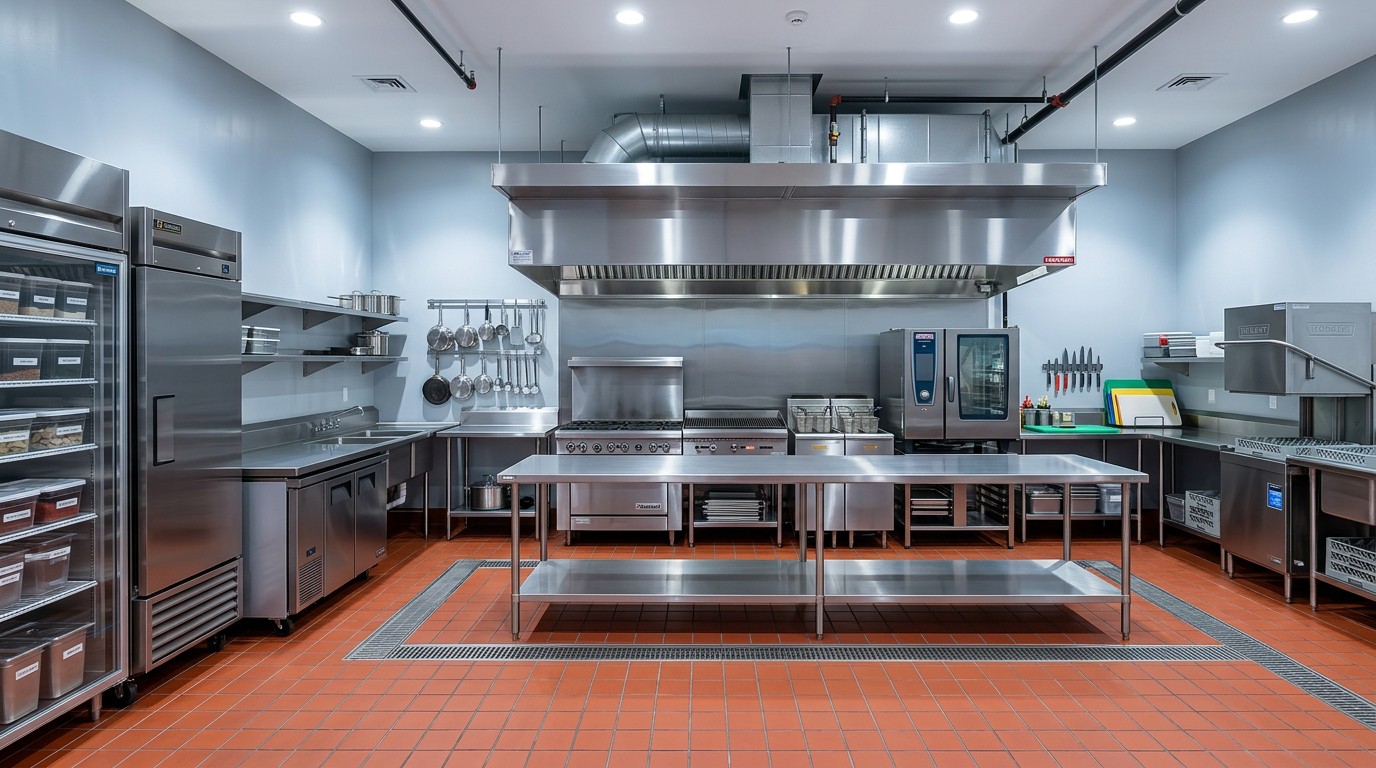
Manufacturers to watch also stand out in how they support different use cases. A hotel banquet kitchen, a fast-casual chain, and a food processing prep area require different design priorities. Strong suppliers understand load volume, workflow bottlenecks, ventilation constraints, and utility matching rather than pushing a one-size-fits-all catalog.
Another sign of a strong manufacturer is engineering discipline. Buyers should look for clean welds, rounded hygienic corners, standardized parts, accessible maintenance zones, and clear documentation. These details affect sanitation time, repair difficulty, and daily staff safety more than marketing brochures suggest.
Core Evaluation Criteria
- Product range coverage: cooking, refrigeration, preparation, washing, holding, and ventilation solutions.
- Output stability: ability to support projects from a single outlet to multi-site rollouts of 20, 50, or more units.
- Technical service readiness: installation guidance, troubleshooting response, spare parts support, and operator training.
- Efficiency profile: energy-saving features, heat retention, insulated design, and smart monitoring capability.
- Compliance adaptability: suitability for local voltage, gas types, food safety requirements, and kitchen layout standards.
The table below summarizes what decision-makers typically compare when screening commercial kitchen equipment manufacturers in the early sourcing phase.
The strongest candidates typically perform well across all four areas instead of excelling in only one. A lower unit price may look attractive, but if service response extends beyond 72 hours or spare parts need 3 to 4 weeks to arrive, the total cost can rise quickly in a busy commercial operation.
Key Types of Commercial Kitchen Equipment Manufacturers in the Global Market
Not all commercial kitchen equipment manufacturers compete in the same way. Some specialize in cooking systems, some focus on refrigeration or food preparation, and others provide integrated project solutions that cover layout planning, fabrication, installation, and commissioning. Understanding these categories helps buyers shortlist the right type of supplier before comparing brands.
Cooking equipment manufacturers are often the most visible because ovens, fryers, ranges, steamers, and griddles directly affect output speed and menu consistency. In high-volume environments, buyers may compare heating capacity in ranges such as 5kW to 20kW, batch throughput, heat-up time, and temperature recovery after door openings or repeated loading cycles.
Refrigeration manufacturers serve a different priority set. Here, the decision focuses on insulation quality, compressor reliability, temperature stability, and serviceability. For cold rooms, reach-ins, and prep counters, a common benchmark is maintaining target storage ranges such as 0°C to 5°C for chilled products and -18°C or below for frozen inventory.
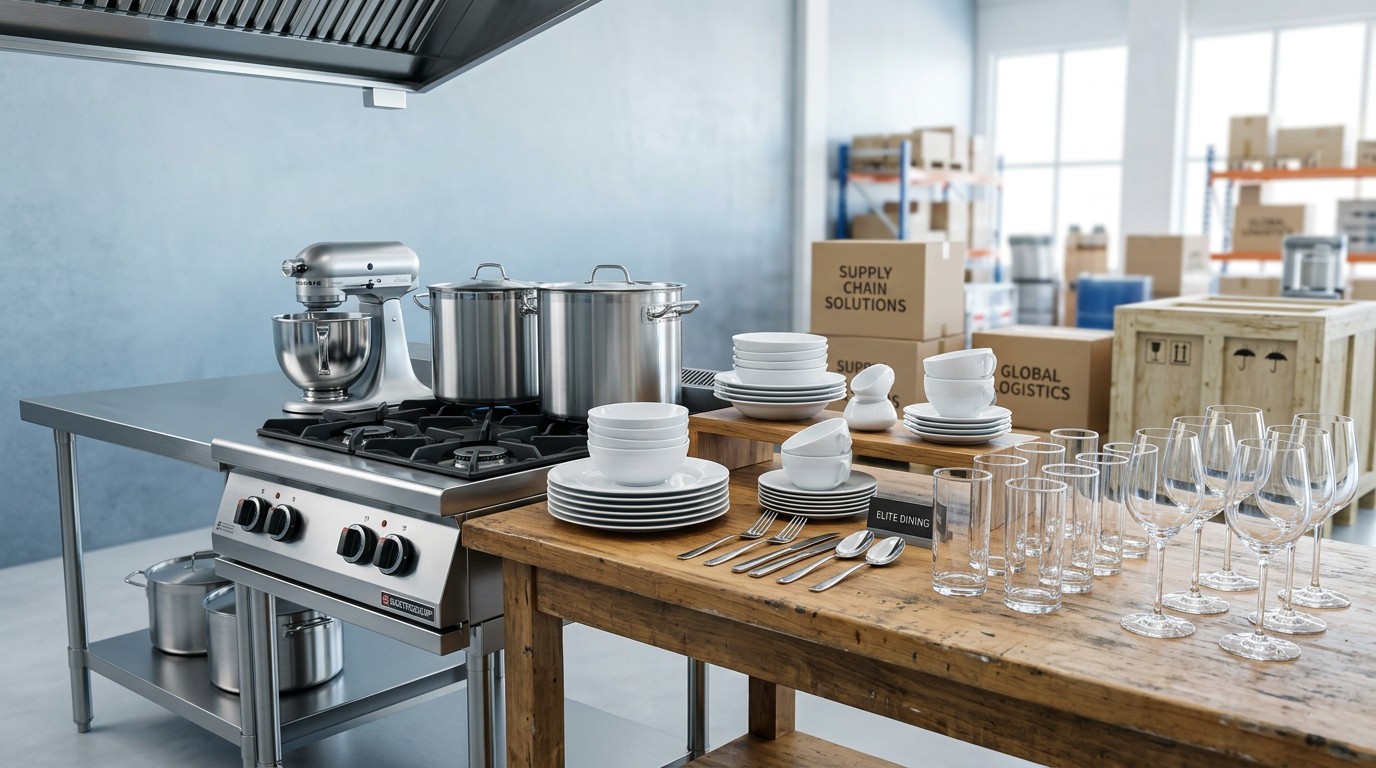
Integrated project suppliers matter especially for hotel kitchen equipment and central kitchens. These manufacturers or solution partners often combine stainless steel fabrication, cooking lines, ventilation systems, washing areas, and workflow planning. Their value lies in reducing coordination risk across MEP teams, consultants, and foodservice operators.
Main Manufacturer Categories
The following comparison can help procurement teams identify what kind of manufacturer best fits their sourcing objective.
This distinction matters because a supplier that is excellent in one category may be average in another. Buyers seeking full kitchen packages should verify whether the manufacturer genuinely engineers multiple systems or simply resells third-party products under one quotation. That affects warranty responsibility, installation coordination, and future service clarity.
Geographic Sourcing Trends
- China remains a major sourcing base for broad catalog manufacturing, OEM support, and competitive project pricing.
- Germany and Italy are often associated with precision engineering, premium cooking systems, and high-end foodservice applications.
- Japan is frequently valued for compact design efficiency, process control, and durable small-to-mid-capacity equipment.
- Regional suppliers in the Middle East, Southeast Asia, and North America often compete through faster local support and compliance familiarity.
A practical sourcing strategy often combines 2 or 3 supplier types rather than relying on one source for every category. This can improve application fit while still allowing procurement teams to standardize service procedures and spare parts planning.
How Procurement Teams Should Compare Manufacturers
A sound procurement process starts with operational clarity. Before reviewing catalogs, buyers should define meal volume, menu complexity, utility availability, installation constraints, and service expectations. A site serving 300 covers per day requires a different equipment profile than a cloud kitchen managing 1,500 delivery orders across 3 production shifts.
The next step is translating operational needs into measurable selection criteria. For example, instead of asking for a “high-performance” oven, specify tray capacity, target temperature range, recovery time, cleaning mode, footprint limit, and power or gas configuration. This approach makes manufacturer comparison more objective and reduces surprises after delivery.
Commercial kitchen layout planning should also be part of the evaluation. Even high-quality equipment can underperform in a poor workflow. If cold storage is too far from prep, or dishwashing traffic crosses hot-line movement, labor efficiency drops and safety risk rises. Good manufacturers and catering equipment suppliers can flag these issues during the proposal stage.
A useful rule is to compare suppliers across total lifecycle cost over 3 to 7 years rather than unit purchase price alone. Electricity use, water consumption, cleaning time, maintenance intervals, and spare part commonality all influence payback. In many kitchens, a 10% to 15% improvement in energy efficiency can make a noticeable difference over time.
A Practical 5-Step Comparison Process
- Define output requirements: daily covers, batch size, menu mix, and production peaks.
- Map the kitchen: receiving, storage, prep, cooking, pass, washing, and waste flow.
- Issue a structured RFQ: include utility data, dimensions, expected lead time, and training needs.
- Review commercial and technical fit: not only price, but service scope, installation method, and warranty terms.
- Validate after-sales capability: response time, local stock, remote support, and operator handover process.
The table below can be used as a buyer-side scorecard for commercial kitchen equipment manufacturers.
Using a weighted matrix helps cross-functional teams align faster. Procurement can focus on commercial risk, operators can assess usability, and management can review ROI. This is especially useful when comparing multiple catering equipment suppliers across international and domestic sourcing channels.
Trends Shaping the Manufacturers to Watch
The manufacturers drawing the most attention today are those responding to three persistent industry pressures: labor shortage, energy cost, and food safety. In many commercial kitchens, fewer skilled operators are expected to produce more output with tighter consistency. This has accelerated demand for programmable cooking systems, automated controls, and simplified user interfaces.
Smart kitchen features are moving from optional to practical. Equipment with digital recipe storage, remote diagnostics, temperature alerts, or service logs can reduce training time and support standardized production across multiple sites. Even a reduction of 5 to 10 minutes per batch can be meaningful when repeated across 50 or 100 cycles each week.
Energy efficiency is another major differentiator. Commercial kitchen equipment manufacturers that improve insulation, combustion control, standby modes, and heat retention help operators manage utility costs without reducing output. For example, efficient dishwashers and combi ovens can influence both electricity and water use, which matters in facilities operating 12 months a year.
Hygiene design is equally important. Smooth surfaces, removable components, drain-friendly structures, and fewer dirt traps reduce cleaning time and support safer operation. In food processing and central kitchen environments, sanitation efficiency can be as important as throughput because contamination risk affects the entire production chain.
What Forward-Looking Buyers Are Watching
- Connected equipment that supports preventive maintenance and fault alerts before failure becomes critical.
- Modular production lines that can scale from 1 kitchen to 10 sites without redesigning every workstation.
- Compact, high-output units for urban kitchens where floor space may be limited to 30–80 square meters.
- Multi-function equipment that reduces labor steps, such as combi systems replacing 2 or 3 separate processes.
- Lower-emission and energy-conscious designs aligned with long-term operating cost control.
Why These Trends Matter for Decision-Makers
For business leaders, the strategic question is not whether technology is available, but whether it improves throughput, consistency, and service resilience. A manufacturer that can support digital monitoring, provide staff training within 1 to 3 days of commissioning, and maintain spare parts access over several years becomes far more valuable than a low-cost supplier with limited support depth.
For end users and kitchen staff, trends matter only if they simplify daily work. Interfaces should reduce errors, not create them. Equipment should be intuitive enough for shift teams, practical to clean, and stable under repeated use. That is why the most promising manufacturers combine technology with operator-centered design rather than adding complexity for its own sake.
Common Sourcing Risks, FAQs, and How to Reduce Them
The biggest sourcing mistakes usually happen before the purchase order is issued. Buyers may focus too much on initial price, overlook utility mismatch, ignore maintenance accessibility, or assume all stainless steel construction offers the same durability. In reality, project success depends on fit, not just specification sheets.
Another common risk is incomplete scope definition. If quotations exclude installation accessories, startup support, operator training, or ventilation coordination, the final project cost can increase after equipment arrives. For larger hotel kitchen equipment projects, even a 2 to 4 week delay in coordination can affect opening readiness and contractor sequencing.
To reduce risk, procurement teams should ask each manufacturer to clarify five items in writing: lead time, commissioning scope, warranty boundaries, spare parts availability, and support response process. This creates a clearer basis for comparison and helps management understand long-term service implications.
FAQ: How do I choose between a specialized brand and a full-line supplier?
Choose a specialist when one category is mission critical, such as blast chilling, combi cooking, or bakery production. Choose a full-line or integrated supplier when project coordination, compatibility, and single-point responsibility matter more. In many projects, a hybrid strategy works best: one specialist for critical production equipment and one broader supplier for support categories.
FAQ: What delivery cycle is typical for commercial kitchen equipment?
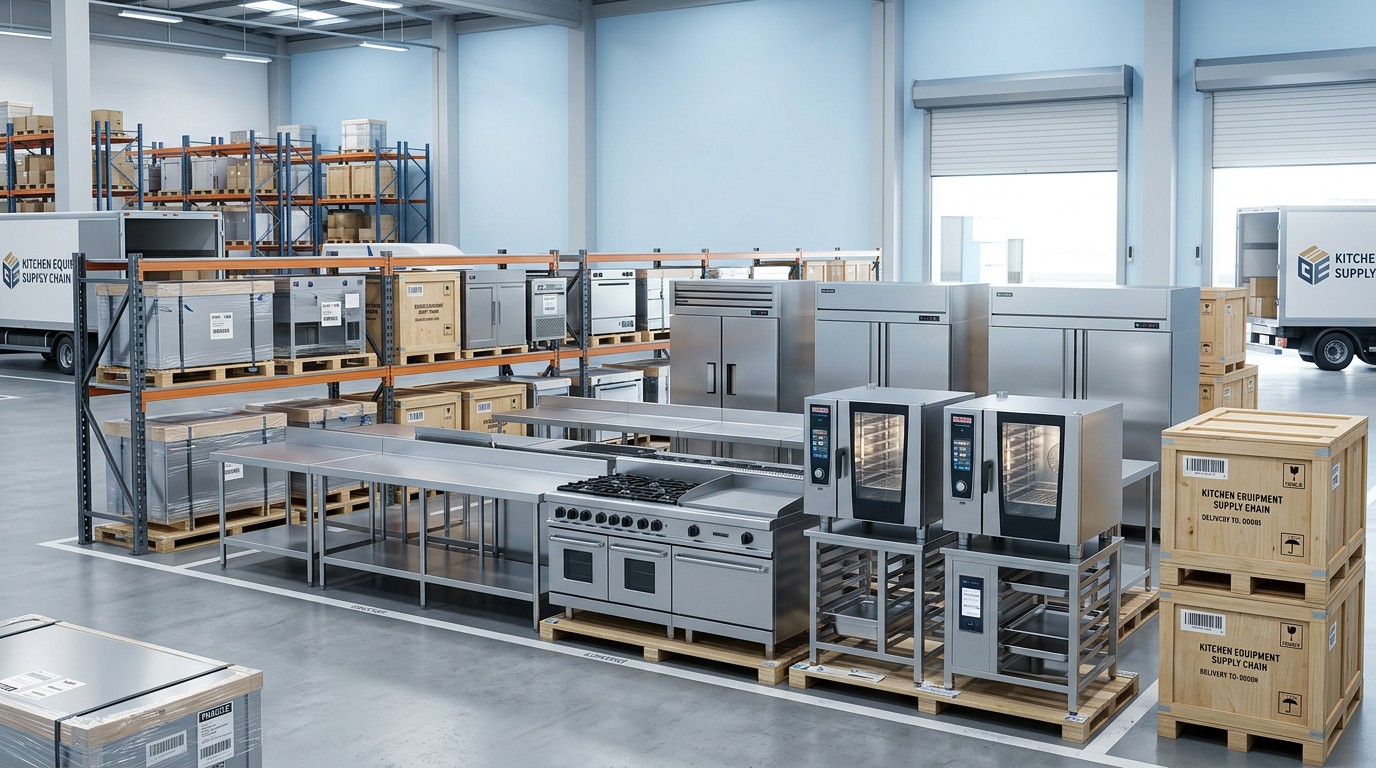
Stocked standard items may ship in 7 to 21 days depending on region and quantity. Custom stainless fabrication, integrated kitchen lines, or imported project packages often require 4 to 12 weeks. Buyers should confirm whether the quoted timeline covers production only or includes shipping, customs, installation, and testing.
FAQ: Which indicators matter most during product review?
Focus on capacity, temperature or heating stability, cleaning effort, service access, energy use, and training complexity. For refrigeration, check recovery speed and temperature retention. For cooking lines, review output per hour, control precision, and maintenance access. For washing systems, compare rack throughput, rinse performance, and water consumption per cycle.
FAQ: How important is after-sales support?
It is often decisive. Equipment in a commercial kitchen may operate 6 or 7 days a week, so slow support can directly affect service revenue. A supplier that responds within 24 to 48 hours, provides remote diagnostics, and stocks common parts locally can reduce interruption far more effectively than a cheaper source with limited support.
Risk Reduction Checklist
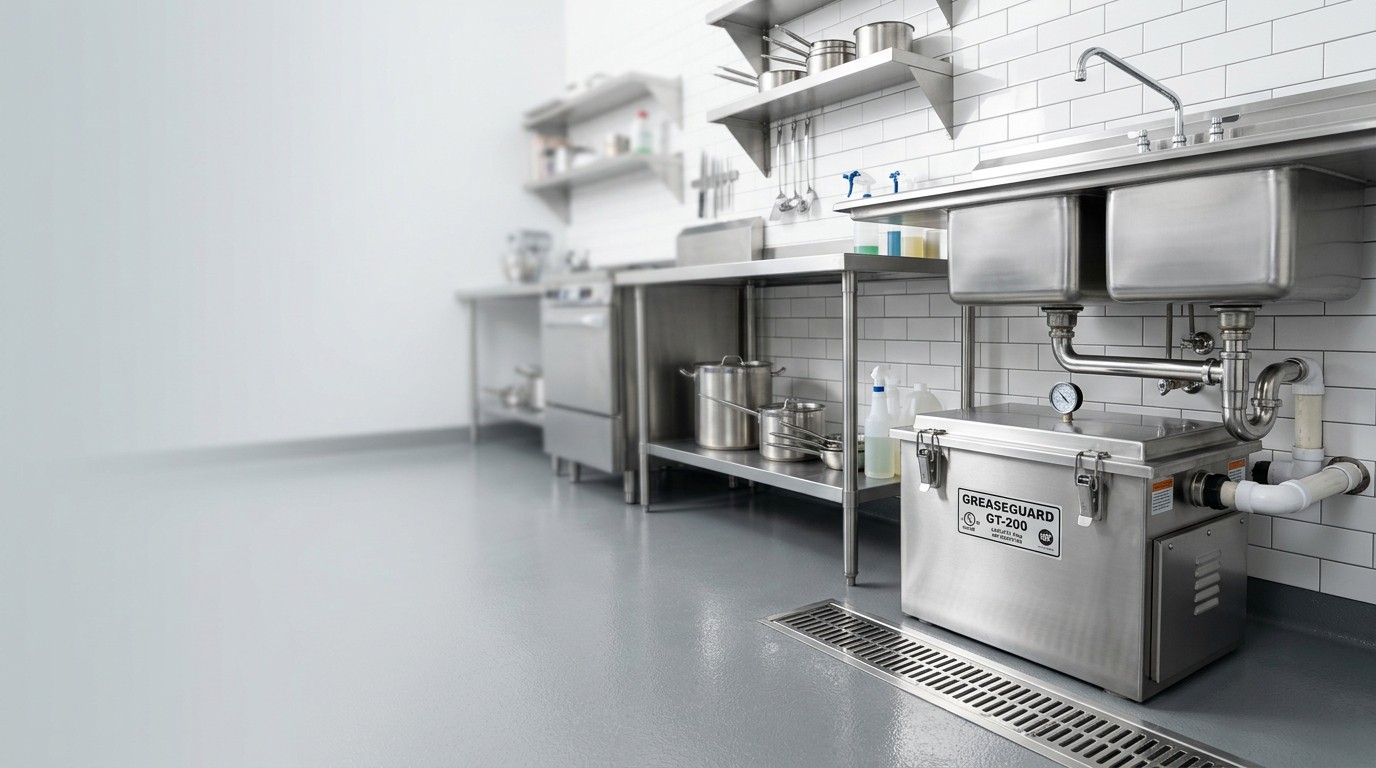
- Verify electrical, gas, drainage, and ventilation requirements before final approval.
- Request equipment drawings and service clearance dimensions, not only outer dimensions.
- Confirm operator training scope and whether manuals are suitable for on-site staff.
- Ask about preventive maintenance frequency, common wear parts, and recommended service intervals.
- Review whether the manufacturer can support future expansion, replacement, or model continuity.
For organizations evaluating commercial kitchen equipment manufacturers today, the most important signal is not a broad catalog alone. It is the ability to convert equipment into reliable kitchen performance through engineering fit, clear delivery, responsive service, and practical efficiency gains. Buyers who compare manufacturers on lifecycle value, workflow impact, and service depth are more likely to build resilient operations.
If you are reviewing hotel kitchen equipment, industrial food equipment, or integrated commercial kitchen layout planning, now is the right time to assess your requirements with greater precision. Shortlist suppliers that match your operating model, ask the right technical questions, and compare total cost over time. To move forward, contact us to get a tailored recommendation, discuss product details, or explore more kitchen equipment solutions for your project.
- commercial kitchen equipment
- smart kitchen
- catering equipment
- cooking equipment
- central kitchen
- Griddle
- Slicer
- Mixer
- kitchen equipment
- kitchen equipment manufacturers
- commercial kitchen layout
- catering equipment suppliers
- commercial kitchen equipment manufacturers
- hotel kitchen equipment
- industrial food equipment
Popular Tags
Kitchen Industry Research Team
Dedicated to analyzing emerging trends and technological shifts in the global hospitality and foodservice infrastructure sector.
Industry Insights
Join 15,000+ industry professionals. Get the latest market trends and tech news delivered weekly.
No spam. Unsubscribe anytime.
Contact With us
Contact:
Anne Yin (Ceramics Dinnerware/Glassware)
Lucky Zhai(Flatware)