
Dinnerware set launches now favor stackability over ornate shapes
Today’s dinnerware set launches are shifting from ornate silhouettes to smart, stackable designs that save space and improve workflow. For buyers comparing a ceramic dinner set, stoneware dinnerware, ceramic plate, ceramic bowl, or dinner plate options, this trend reflects broader changes in kitchen efficiency, storage, and modern foodservice operations—making function just as important as visual appeal.
Why stackable dinnerware is becoming a practical standard in foodservice

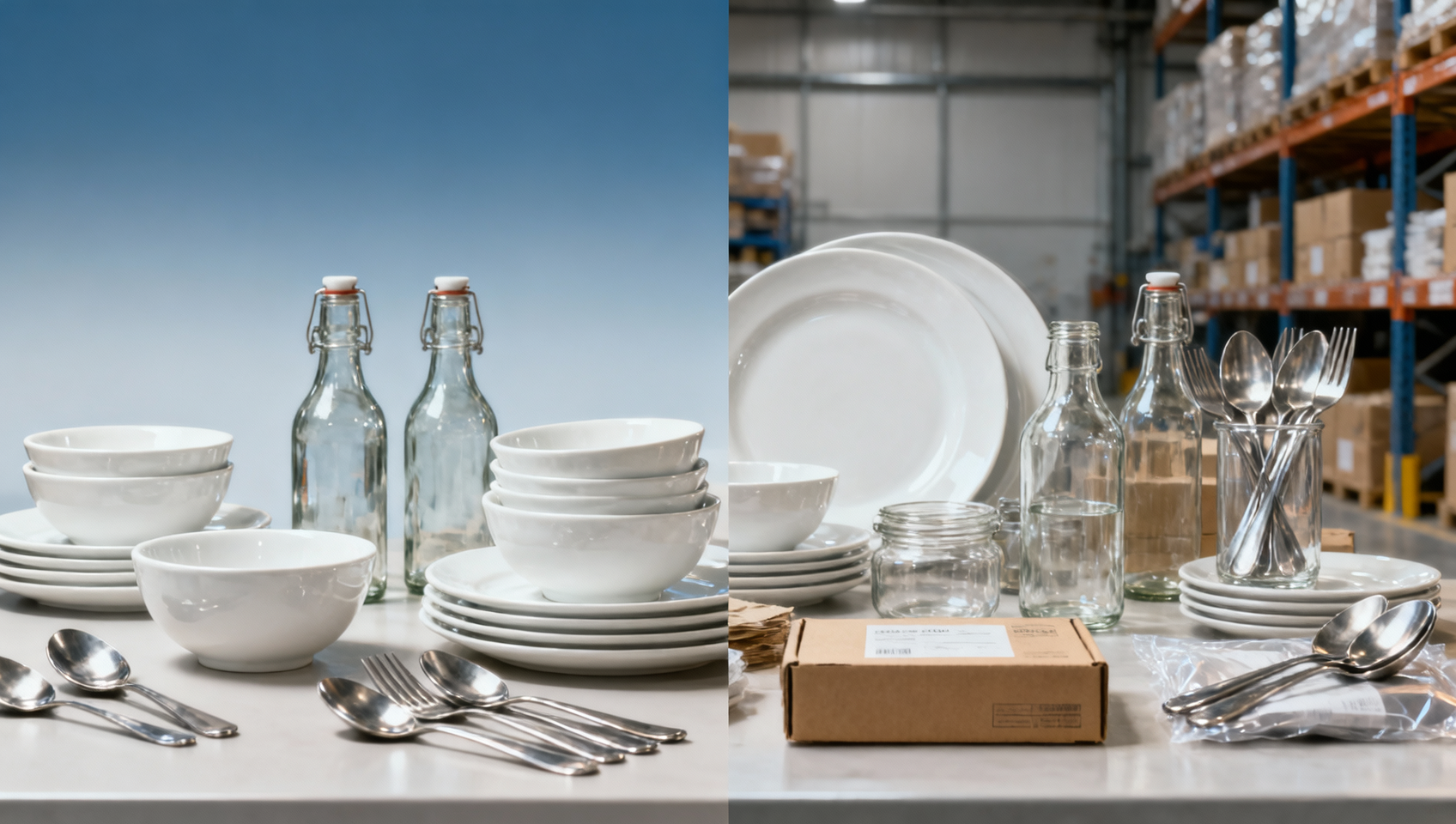
In restaurants, hotels, central kitchens, and catering operations, dinnerware is no longer judged by appearance alone. A dinnerware set now has to support storage efficiency, fast turnover, easier cleaning flow, and safer handling during peak service. When shelves are limited and labor costs remain under pressure, stackability becomes a measurable operational advantage rather than a minor design preference.
This shift is closely linked to the wider kitchen equipment industry, where automation, smart workflow, and energy-efficient operations influence even small tabletop decisions. A ceramic dinner set or stoneware dinnerware collection that stacks neatly can reduce cabinet congestion, improve tray loading, and help operators move more items in fewer trips. In high-volume environments, even a 2–4 second saving per handling cycle matters over hundreds of covers per day.
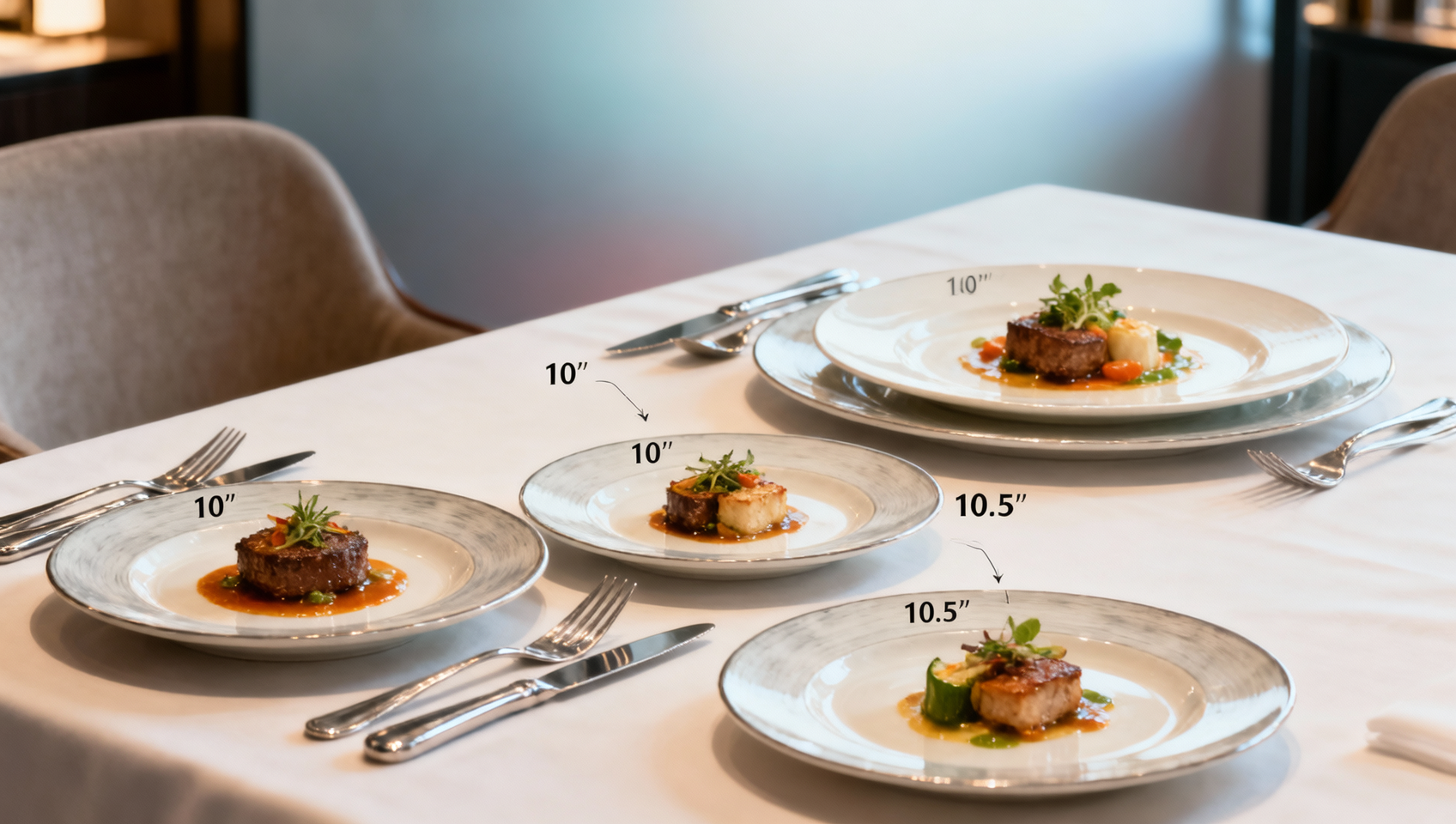
Buyers also face a new balance between presentation and performance. Ornate rims, irregular edges, and highly sculpted forms may look premium in a showroom, but they can create problems in dishwashing racks, storage towers, and transport crates. By contrast, a well-designed ceramic plate or ceramic bowl with controlled rim geometry and stable nesting can support smoother back-of-house routines across 3 key stages: service, washing, and storage.
For procurement teams and decision-makers, the practical question is not whether elegant design still matters. It does. The real issue is whether decorative complexity adds enough value to justify slower handling, higher breakage risk, and reduced storage density. In many projects, especially those with repeat service volumes, stackable dinner plate and bowl formats now offer the more resilient operational choice.
What operational pressure is driving this change?
Foodservice environments increasingly require equipment and tools that fit standardized movement patterns. Storage racks, dishwashers, tray carts, and shelving systems are often planned around predictable dimensions. When a dinnerware set introduces unstable stacking or oversized decorative contours, it disrupts that system and can reduce the usable capacity of a shelf by a noticeable margin.
- Back-of-house teams need faster loading and unloading during lunch and dinner peaks, often within service windows of 1–3 hours.
- Storage areas in urban restaurants and hotel pantries are commonly tight, so stack height and nesting stability directly affect daily workflow.
- Replacement cost control matters, especially when fragile decorative edges increase chip frequency during repeated handling.
- Multi-site buyers prefer standardized forms that are easier to reorder, train on, and integrate across multiple operating units.
As a result, stackability is no longer only a design preference for household use. It is becoming part of procurement logic in the broader kitchen equipment supply chain, where compact storage, repeat handling, and compatibility with commercial systems all influence buying decisions.
Ceramic dinner set vs ornate shapes: what buyers should compare before ordering
A useful comparison starts with actual usage conditions. A ceramic dinner set for a boutique restaurant may prioritize plating aesthetics, while stoneware dinnerware for a busy hotel buffet must withstand frequent movement, stacking, and washing. The same product category can therefore perform very differently depending on whether the operating model is high-volume, presentation-led, or mixed-use.
Procurement teams should compare not only material and finish, but also stack height, base ring stability, rim thickness, and piece-to-piece consistency. A dinner plate with a slightly flatter profile may occupy less vertical space per stack, while a ceramic bowl with a controlled foot design may reduce sliding during transport. These small design features often decide whether a range performs well over 6–12 months of daily use.
The table below summarizes practical differences between stackable and ornate dinnerware formats in commercial and mixed-use settings. It is intended to support early-stage evaluation rather than replace sample testing.
The comparison shows why many operators now prefer function-led forms. That does not mean ornate products have no place. They can work well in tasting menus, signature dining concepts, or low-turnover presentation settings. However, when service frequency increases, a stackable ceramic plate or ceramic bowl usually supports better consistency across storage, transport, and cleaning.
How material choice changes the decision
Ceramic dinner set options and stoneware dinnerware ranges can both support stackable design, but their feel, finish, and application may differ. Stoneware often appeals where a more artisanal surface is desired, while refined ceramic may better suit modern, standardized service presentation. In either case, buyers should ask for consistent dimensional tolerances and verify how the pieces behave when stacked in 8–12 unit columns.
Practical checks before final selection
- Test whether the dinner plate stacks without lateral drift after repeated placement.
- Check whether the ceramic bowl nests too tightly, which can slow separation during service.
- Measure total stack height for 10 pieces to compare storage impact across candidate lines.
- Review glaze uniformity and rim finish, especially if pieces will be used daily in commercial dishwashing cycles.
These checks give users, purchasing teams, and managers a clearer basis for choosing between attractive showroom presentation and reliable operational value.
Which application scenarios benefit most from stackable ceramic plate and bowl designs?
Not every operation needs the same dinnerware profile. A hotel breakfast area, a quick-service dining hall, and a premium à la carte restaurant all use plates and bowls differently. Stackable formats are especially valuable where tableware moves through repeated cycles each day, where storage is shared with other kitchen equipment, or where labor teams need fast, consistent handling.
In central kitchens and catering preparation zones, packaging and transport also matter. Stack-stable dinner plate and ceramic bowl designs are easier to organize before dispatch and simpler to count during return processing. For groups managing 2–5 service locations, standardized stackable pieces can also reduce complexity in warehousing and replenishment.
The following table maps common usage environments to practical dinnerware priorities. This helps buyers understand where ornate shapes may still fit and where stackability creates stronger value.
A scenario-based approach often leads to better purchasing outcomes than a purely style-based decision. Many businesses now adopt a hybrid model: stackable ceramic dinnerware for 70%–90% of routine service and a smaller decorative range for specialty menus or premium presentation moments. This approach controls storage pressure while preserving brand character where it matters most.
Where users and operators see the biggest benefit
For frontline staff, the most immediate gain is easier movement. Stacks feel more secure, loading is faster, and shelves are simpler to organize. For supervisors, the benefit is visibility: inventory is easier to count, turnover is easier to monitor, and replacement planning becomes less reactive. For enterprise buyers, the value lies in standardization across locations, especially when storage systems and wash areas already follow defined operating layouts.
- Reduced storage disorder in constrained kitchens and pantry rooms.
- More predictable loading in commercial dishwashing and transport routines.
- Lower training complexity for new staff over the first 1–2 weeks of operation.
- Better alignment with modern kitchen systems focused on efficiency and repeatability.
That is why stackability should be evaluated as part of the wider kitchen workflow, not as an isolated product detail.
How to evaluate procurement, compliance, and total operating value
Purchasing a dinnerware set for professional or mixed commercial use should involve more than style approval and unit pricing. Buyers need to review durability expectations, sample validation, supply consistency, and compatibility with food-contact requirements in the destination market. Even when a ceramic plate looks suitable on first inspection, inconsistent dimensions or glaze finish may create long-term issues in stacking and replenishment.
A disciplined procurement process usually has 4 steps: requirement definition, sample review, operational testing, and order confirmation. Requirement definition should include service type, target stack height, preferred material, approximate order volume, and storage constraints. Sample review should check finish, weight feel, and visual consistency. Operational testing should simulate dishwashing, shelf stacking, and carrying. Final confirmation should cover packaging, lead time, and after-sales replenishment support.
The table below provides a practical selection framework for teams comparing ceramic dinner set and stoneware dinnerware options. It is especially useful when several stakeholders—operations, purchasing, and management—need a shared decision tool.
This type of evaluation helps buyers look beyond initial price. A lower-priced ornate dinner plate may appear attractive at tender stage, but if it requires more storage space, chips faster, or complicates handling, the real operating cost rises over time. Total value should include replacement frequency, labor convenience, warehousing efficiency, and suitability for the intended service model.
Common procurement mistakes to avoid
- Selecting only by visual appeal without testing 8–10 stacked units under real shelf conditions.
- Ignoring how the ceramic bowl or plate behaves after repeated washing and quick back-of-house handling.
- Failing to confirm supply continuity for replacement orders over the next 6–12 months.
- Overlooking food-contact documentation and market-specific compliance needs during import planning.
For decision-makers, the best result usually comes from aligning design, operations, and procurement early—before the order is locked and the launch timeline becomes tight.
FAQ: what buyers and operators often ask about stackable stoneware dinnerware and ceramic dinnerware
Is stackable dinnerware always better than ornate dinnerware?
Not always. It is usually better for high-frequency service, tight storage conditions, and standardized operations. Ornate formats can still be effective for chef-led presentation, tasting menus, or lower-volume premium dining. A common decision model is to keep 1 core stackable dinnerware line for daily service and add a smaller decorative range for signature dishes.
What should I check first when comparing a ceramic plate, ceramic bowl, and dinner plate range?
Start with 3 practical checks: stack stability, storage height, and handling comfort. Then review glaze finish, edge protection, and compatibility with your wash and storage process. If possible, test the pieces over several service cycles rather than relying only on a catalog or studio photo.
How long is a typical sampling and order process?
For many supply projects, sample confirmation may take around 7–15 days depending on availability and logistics, while bulk delivery can range from 2–6 weeks based on order scale, packaging requirements, and destination market. Buyers with opening deadlines should confirm this early, especially if they need mixed items such as ceramic dinner set combinations, bowls, and specialty plates.
Are there compliance issues to consider for imported dinnerware?
Yes. Requirements vary by market, but food-contact suitability, labeling, and supporting documentation may all matter. Procurement teams should ask suppliers what general compliance documents can be provided for the target country or region. This is particularly important for importers, hotel groups, and distributors serving regulated channels.
Can stackable design still look premium?
Yes. Many modern ceramic dinner set and stoneware dinnerware collections combine clean geometry, refined glaze finishes, and practical stackability. Premium no longer means highly ornate by default. In many markets, the preferred look is now understated, contemporary, and operationally smart.
Why work with us when selecting a dinnerware set for commercial or multi-use projects?
Choosing a dinnerware set today involves more than selecting shapes and colors. Buyers need support with application matching, ceramic dinner set or stoneware dinnerware comparison, packing logic, lead time coordination, and market-facing documentation. In the broader kitchen equipment industry, these details affect service efficiency, storage planning, and procurement reliability just as much as product appearance.
We can help you evaluate stackable ceramic plate, ceramic bowl, and dinner plate options against real operating conditions. That includes parameter confirmation for size mix, sample review for stacking behavior, selection guidance for restaurant, hotel, catering, or retail use, and discussion of typical delivery windows such as 2–6 weeks depending on project scope. If you need a hybrid solution, we can also discuss a core stackable range plus selective presentation pieces.
Our support can be focused around the topics procurement teams actually need to resolve before ordering:
- Product selection based on service style, storage limits, and handling frequency.
- Parameter confirmation for plate diameter range, bowl capacity range, and stack height expectations.
- Sample support to compare ceramic dinner set and stoneware dinnerware options under real use conditions.
- Discussion of packaging, delivery planning, replacement strategy, and destination-market compliance needs.
- Quotation communication for standard items, mixed assortments, or customized project requirements.
If you are reviewing new dinnerware set launches and want a more practical basis for decision-making, contact us with your target application, required item list, estimated quantity, and delivery schedule. We can help you narrow down suitable ceramic dinnerware options, confirm the right stackable design direction, and build a sourcing plan that supports both presentation and kitchen efficiency.
Popular Tags
Kitchen Industry Research Team
Dedicated to analyzing emerging trends and technological shifts in the global hospitality and foodservice infrastructure sector.
Industry Insights
Join 15,000+ industry professionals. Get the latest market trends and tech news delivered weekly.
No spam. Unsubscribe anytime.


Contact With us
Contact:
Anne Yin (Ceramics Dinnerware/Glassware)
Lucky Zhai(Flatware)