
Why hotel restaurant supplies fail faster than expected
Why do hotel restaurant supplies wear out sooner than expected? From stainless steel restaurant supplies to commercial restaurant supplies bought through restaurant supplies wholesale or bulk order channels, early failure often comes down to material quality, usage intensity, maintenance gaps, and poor kitchen design. This article explores the hidden causes and what buyers, operators, and decision-makers should check before choosing a restaurant supplies manufacturer.
In hotels and foodservice operations, equipment rarely fails because of one dramatic event. More often, it degrades through repeated heat cycles, heavy cleaning chemicals, overloaded service hours, and mismatched purchasing decisions. A prep table used 14 to 18 hours per day in a hotel kitchen faces very different stress than the same product in a low-volume café.
For researchers, operators, procurement teams, and executives, the practical question is not only how long supplies should last, but why similar-looking products perform so differently over 12, 24, or 36 months. Understanding those differences helps reduce replacement costs, avoid downtime, and improve total cost of ownership across the kitchen equipment lifecycle.
The real operating conditions behind early failure
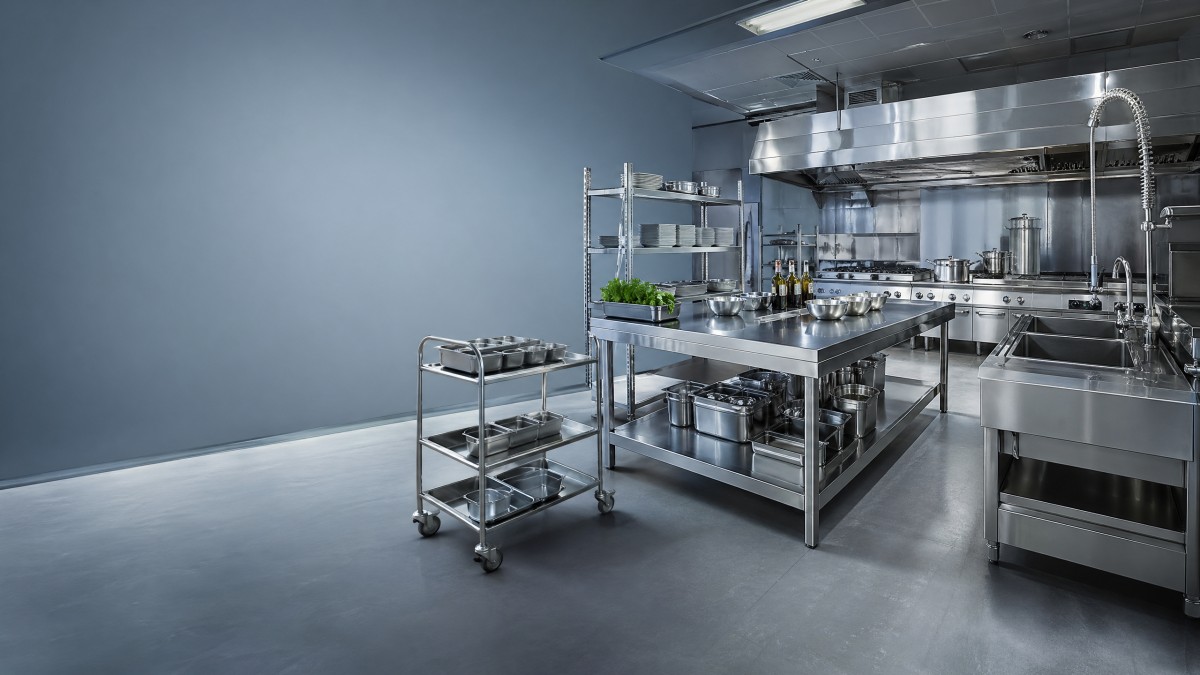
Many hotel buyers assume restaurant supplies fail because staff misuse them. In reality, the operating environment is often harsher than the product specification originally anticipated. A hotel breakfast kitchen, banquet operation, room-service station, and all-day dining outlet can create near-continuous usage with only short cleaning breaks between shifts.
That means stainless steel restaurant supplies, storage racks, pans, trolleys, sinks, and preparation tools may be exposed to 3 major stress categories at once: thermal shock, chemical corrosion, and mechanical impact. If one factor is underestimated during purchasing, service life can drop from an expected 5 years to 2 or 3 years in demanding applications.
Another overlooked factor is workflow density. In many hotel kitchens, the same workstation supports breakfast prep at 5:00 a.m., lunch mise en place at 10:30 a.m., banquet production in the afternoon, and late-night service after 9:00 p.m. Equipment and supplies are touched hundreds of times per shift, far beyond light-duty assumptions.
Humidity also matters. Dishwashing zones, steam-heavy cooking lines, and cold-to-hot transfer areas can accelerate joint loosening, surface staining, and seal failure. A component that performs well at 22°C in dry storage may degrade much faster when repeatedly exposed to splash zones, 80% relative humidity, and detergent residue.
Where wear usually starts first
In many commercial restaurant supplies categories, failure does not begin on the visible surface. It often starts at weld points, hinges, caster mounts, folded edges, drain areas, or undersides where moisture stays longer. These hidden zones are usually where corrosion, fatigue cracks, and alignment problems appear first.
- Weld seams may discolor or pit after repeated exposure to chlorine-based cleaners.
- Casters can fail early when carts regularly exceed their rated load by 15% to 25%.
- Door gaskets and seals deteriorate faster in hot-wash and rapid-cooling cycles.
- Thin-gauge metal shelves may bow after months of point loading from bulk storage.
The table below shows common hotel kitchen stress factors and the types of supply failure they often trigger.
The key takeaway is simple: hotel restaurant supplies fail faster when the real service environment is more demanding than the assumed duty level. Before blaming product lifespan alone, teams should map usage hours, cleaning methods, and actual loading patterns in each kitchen zone.
Material quality gaps that are not obvious at purchase
A major reason supplies disappoint buyers is that visual similarity hides material differences. Two stainless steel worktables may look almost identical on delivery day, yet vary significantly in sheet thickness, weld finish, reinforcement design, and corrosion resistance. These differences become visible only after 6 to 12 months of real use.
In procurement, price pressure often pushes teams toward restaurant supplies wholesale offers that prioritize unit cost over duty fit. That can work for low-risk items, but it becomes expensive when high-contact products are bought in bulk without checking steel grade, gauge, edge construction, or weight-bearing design.
Material choice matters especially in wet or acidic environments. Stainless steel is not one uniform category. Surface finish, fabrication quality, and environmental exposure all affect whether a cart, sink, shelf, or prep station keeps its structure over time. Thin material may dent faster, while poor finishing may trap moisture and food residue.
What buyers should verify beyond the catalog photo
Procurement teams should ask for practical construction details rather than broad promises. The most useful questions are usually measurable and operational, not promotional. Even a 0.2 mm to 0.4 mm difference in material thickness can affect rigidity on shelves, undershelves, and frequently moved tables.
Critical checks before a bulk order
- Confirm whether the product is intended for light, medium, or heavy-duty commercial use.
- Check material thickness, reinforcement bars, corner treatment, and weld consistency.
- Review load ratings for static and mobile applications separately.
- Ask which cleaners are compatible and which chemical agents should be avoided.
- Inspect whether replacement parts such as wheels, hinges, or seals are stocked for 12–24 months.
The following table helps compare visible and hidden indicators that influence long-term durability when selecting a restaurant supplies manufacturer.
A lower purchase price is not automatically a bad decision. The issue is mismatch. If a product designed for moderate use is deployed into a 300-cover hotel kitchen or a banquet operation with rolling transport every hour, failure becomes predictable rather than surprising.
Maintenance gaps and cleaning mistakes that shorten service life
Even well-built commercial restaurant supplies lose life quickly when maintenance routines are inconsistent. In many kitchens, cleaning is frequent but not always correct. Operators may use strong chemicals to save time, leave surfaces wet after sanitation, or neglect low-visibility components such as caster bearings, joints, and drainage channels.
This is especially common in multi-shift hotel environments. When one team ends at 3:00 p.m. and another begins at 4:00 p.m., the handover often focuses on production continuity rather than maintenance discipline. Small issues then compound over 30, 60, or 90 days until the supply item appears to have “failed early.”
The most damaging maintenance mistakes are usually not dramatic. Leaving chloride residue on metal surfaces, using abrasive pads daily, over-tightening screws after wobble appears, or washing mobile units without drying the wheel assembly can all reduce useful life by months.
A practical maintenance routine for busy kitchen teams
Operators need maintenance routines that fit real labor conditions. Complex instructions often fail in practice. A workable approach is to divide care into daily, weekly, and monthly checks, with no step taking more than 10 to 15 minutes for common supply categories.
- Daily: rinse, neutral-clean, dry contact surfaces, and inspect visible looseness or cracks.
- Weekly: check wheels, hinges, shelf alignment, silicone edges, and standing water points.
- Monthly: review load habits, replace worn fasteners, and compare actual condition against original duty expectations.
Training matters as much as the checklist. A 20-minute onboarding module for new staff can reduce avoidable damage significantly, especially for mobile shelving, storage bins, hot-holding accessories, and dish-area tools that change hands frequently.
Common cleaning and maintenance errors
- Using one aggressive chemical for every surface and accessory.
- Skipping the drying stage after sanitation, especially on welded corners.
- Ignoring rattling wheels or loose handles for more than 2 to 4 weeks.
- Stacking supplies above rated capacity during peak occupancy periods.
- Failing to replace low-cost wear parts before they damage the full assembly.
For decision-makers, maintenance is not just a labor issue. It is a procurement outcome. If supplies require complex care but the site runs with lean staffing, buyers should favor designs with simpler cleaning access, fewer moisture traps, and easily replaceable components.
Poor layout and workflow design create hidden equipment stress
Hotel restaurant supplies often fail faster because the kitchen layout forces them into roles they were never designed to perform. A cart intended for short-distance transfer becomes a long-route transport tool. A prep shelf becomes a temporary heavy storage rack. A service trolley becomes a collision point in narrow aisles during peak periods.
When aisle widths are tight, turning angles are awkward, or storage is undersized, physical stress rises immediately. Operators start dragging instead of rolling, stacking instead of organizing, and placing hot items on surfaces not intended for sustained heat. Over a 6-month cycle, layout inefficiency turns into measurable wear.
Workflow mismatch is common when kitchens expand output without re-evaluating support supplies. A hotel that moves from 120 breakfast covers to 220 covers may keep the same carts, shelving, bins, and dish-return tools. Output grows, but supporting supplies remain at the old capacity level.
How layout issues translate into replacement costs
The easiest way to identify layout-related failure is to follow the movement path of supplies during one full service period. If a trolley crosses hot, wet, and uneven flooring within 15 minutes, or if staff repeatedly lift rather than roll a unit, the layout is already shortening service life.
The table below links common workflow problems with the damage patterns they create in hotel kitchens.
For buyers and managers, layout review should be part of purchasing, not an afterthought. A slightly different wheel specification, shelf depth, handle placement, or storage plan can extend usable life more effectively than simply replacing failed items with the same model again.
How to choose supplies and suppliers that last longer
A better purchasing process starts with matching duty level to application. Hotel kitchens usually need a zone-based selection method rather than one standard specification for everything. The dry store, hot line, stewarding area, banquet transport route, and front-of-house support area each place different demands on commercial supplies.
This is where a capable restaurant supplies manufacturer or distributor adds value. The right supplier should ask about output volume, cleaning routines, temperature exposure, movement frequency, and replacement part needs. If a quotation only lists sizes and prices, it may not be enough for long-term operational success.
Procurement teams should compare not just product cost, but lifecycle factors over 12 to 36 months. A unit that costs 15% more but lasts 40% longer, with faster spare-part support, can be the stronger financial choice in hotels where downtime directly affects service continuity.
A 5-point evaluation framework
- Define the use case by zone, shift hours, and movement frequency.
- Verify construction details, load rating, and wear-part access.
- Check whether maintenance demands fit available labor and skills.
- Review lead time, spare-part supply, and after-sales response expectations.
- Estimate replacement cost over at least 2 service cycles, not one purchase order.
It is also wise to test a sample in one high-use kitchen zone before placing a full bulk order. A 30-day to 60-day field trial often reveals more than a specification sheet. Operators can then report on wheel performance, cleanability, vibration, stability, and practical ergonomics.
Questions worth asking suppliers
- Which components are considered wear parts, and what is the usual replacement interval?
- What load rating applies during movement, not only when stationary?
- How should the item be cleaned in high-chemical or high-humidity kitchens?
- What is the normal lead time for repeat orders or replacement parts, such as 7–15 days or 3–5 weeks?
- Can the design be adjusted for heavier use, tighter aisles, or specific workflow needs?
For executives, the broader trend in kitchen equipment purchasing is clear: durability is increasingly linked to smarter selection, not just stronger materials. As kitchens adopt more efficient workflows and integrated systems, support supplies must be chosen with the same operational logic as larger equipment.
FAQ for buyers, operators, and decision-makers
How long should hotel restaurant supplies typically last?
There is no single answer because lifespan depends on category and duty level. Mobile carts in heavy banquet use may need major part replacement within 12 to 24 months, while well-maintained stainless worktables in lower-impact zones may remain structurally sound for 5 years or more. The important measure is whether the product matches the actual service intensity.
Are bulk purchases always more cost-effective?
Not always. Restaurant supplies wholesale purchasing can reduce unit price, but the savings disappear if the wrong specification is ordered in volume. Bulk orders work best when the kitchen has standardized workflows, validated one sample in real operation, and confirmed spare-part or replacement support for the next 12 to 24 months.
What should operators report to procurement before replacing failed items?
Operators should report where the item is used, how many times per shift it is moved or cleaned, typical load range, and the exact failure point. “Broken cart” is not enough. Useful feedback includes details such as wheel seizure after wet-floor use, shelf bending at roughly 80 kg, or weld staining after daily chemical sanitation.
What is the most common mistake when selecting a restaurant supplies manufacturer?
The most common mistake is evaluating only price and appearance. A better approach is to assess 4 dimensions together: construction quality, operational fit, maintenance practicality, and service support. Suppliers that can discuss workflow, cleaning conditions, and replacement parts usually provide more reliable long-term value than suppliers offering only a fast quote.
Hotel restaurant supplies fail faster than expected when heavy usage, hidden material gaps, weak maintenance habits, and poor kitchen flow combine. The best results come from treating supplies as operational assets rather than simple commodities. That means matching specification to workload, validating durability in real kitchen zones, and choosing suppliers that can support lifecycle performance rather than only first-time delivery.
If you are reviewing stainless steel restaurant supplies, planning a restaurant supplies wholesale purchase, or comparing a new restaurant supplies manufacturer, now is the right time to assess duty level, cleaning conditions, and layout fit before placing the next order. Contact us to discuss your application, get a tailored product selection approach, and explore more durable kitchen equipment solutions for hotel and foodservice operations.
Popular Tags
Kitchen Industry Research Team
Dedicated to analyzing emerging trends and technological shifts in the global hospitality and foodservice infrastructure sector.
Industry Insights
Join 15,000+ industry professionals. Get the latest market trends and tech news delivered weekly.
No spam. Unsubscribe anytime.
Contact With us
Contact:
Anne Yin (Ceramics Dinnerware/Glassware)
Lucky Zhai(Flatware)