
Restaurant supplies manufacturer lead times are getting longer
Lead times from every restaurant supplies manufacturer are getting longer, creating pressure for buyers of commercial restaurant supplies, stainless steel restaurant supplies, and restaurant supplies bulk order projects. For hotels, schools, hospitals, cafes, and food processing facilities, delays can disrupt kitchen design plans, budgets, and opening schedules. Understanding the causes behind these supply chain shifts is essential for smarter sourcing and more resilient purchasing decisions.
In the kitchen equipment industry, procurement is no longer just about comparing unit prices. Buyers now have to evaluate production capacity, raw material availability, engineering complexity, freight scheduling, and installation timing. A fryer, prep table, refrigeration line, or stainless steel fabrication package may look straightforward on paper, but actual delivery can vary from 2 weeks to 20 weeks depending on specification, volume, and origin.
For information researchers, operators, purchasing teams, and business decision-makers, the key question is not simply why lead times are increasing. The more practical issue is how to reduce supply risk without sacrificing kitchen performance, hygiene compliance, or long-term operating efficiency. That requires a clearer view of what is happening inside the restaurant supplies manufacturing and sourcing chain.
Why restaurant supplies manufacturer lead times are extending
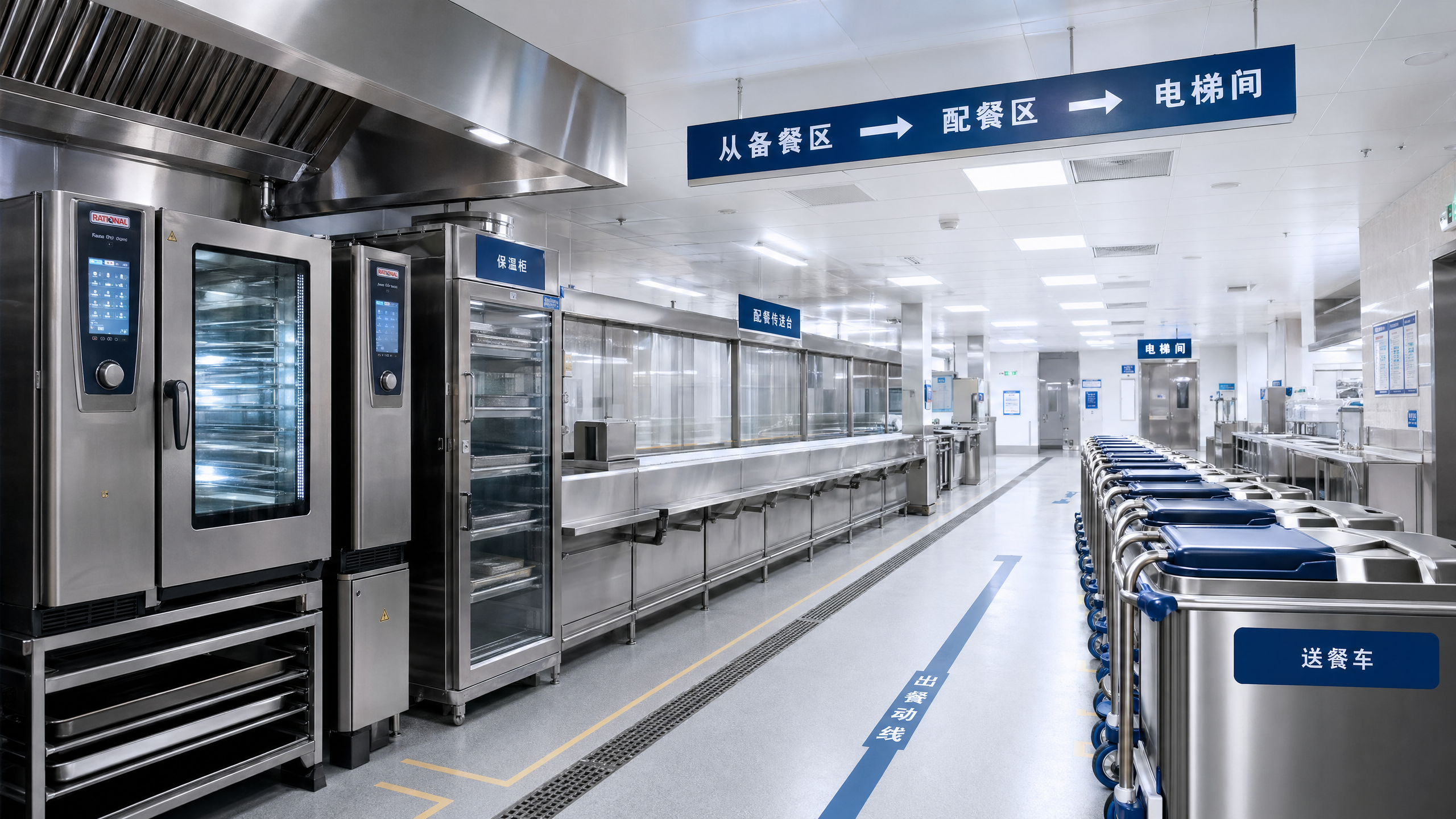
[[IMG:img_01]]Longer lead times are the result of several overlapping factors rather than one isolated disruption. In commercial kitchen projects, manufacturers of cooking equipment, stainless steel worktables, shelving, sinks, food prep systems, and ventilation components depend on coordinated inputs. If one stage slows down by 5 to 10 days, the total delivery window can expand by 2 to 4 weeks.
Raw materials remain one of the most common constraints. Stainless steel sheet, compressors, control boards, motors, and heating elements often come from different suppliers. When lead times for core components rise from a normal 7 to 15 days up to 30 to 60 days, manufacturers cannot keep standard output schedules, especially for custom commercial restaurant supplies.
Another important driver is product customization. A standard stock sink or shelf can move quickly, but a project involving custom dimensions, welded corners, backsplash height changes, or integrated drainage can add 1 to 3 extra production stages. This is especially common in stainless steel restaurant supplies for hospitals, central kitchens, and school canteens where hygiene layouts are tightly controlled.
Labor availability also matters. Fabrication, polishing, refrigeration assembly, wiring, and testing require skilled workers. When factories face labor turnover, seasonal demand peaks, or overtime limits, throughput drops. Even a 10% reduction in available technicians can slow final assembly enough to affect bulk orders and mixed-container shipments.
The table below shows common causes behind longer lead times and how they affect kitchen equipment delivery.
The key takeaway is that longer lead times are usually cumulative. A buyer may see only a final delivery date, but the actual delay often comes from 4 or 5 smaller bottlenecks across design, procurement, production, packing, and logistics. This is why asking only for an estimated shipping date is no longer enough.
What categories are most exposed
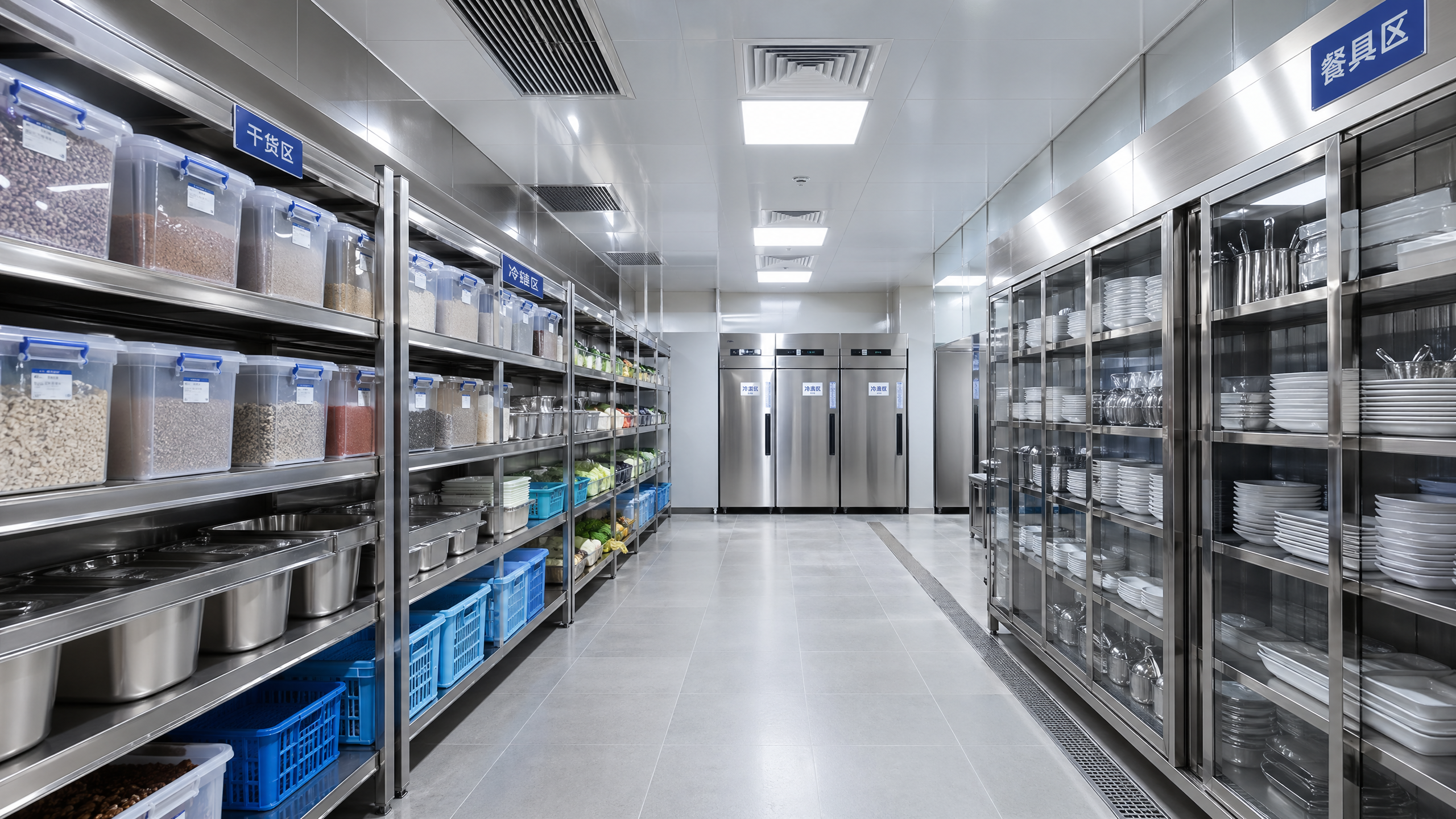
The highest-risk categories are usually custom stainless steel fabrication, refrigeration equipment, ventilation systems, and integrated cooking lines. These products involve more components, more testing steps, and more coordination with kitchen layout drawings than simple utensils or stock storage items.
- Custom sinks, cabinets, and worktables often require site-specific dimensions and welding schedules.
- Refrigeration products depend on compressors, thermostats, and insulated panels, each with different sourcing cycles.
- Cooking batteries and automated equipment may require electrical configuration checks, safety testing, and export packaging.
How longer lead times affect kitchen projects and operations
For business decision-makers, delayed restaurant supplies are rarely a standalone issue. They affect construction coordination, contractor scheduling, utility connections, menu rollout, staffing plans, and first-month revenue targets. A delayed extraction hood or refrigeration bank can hold back an entire kitchen handover, even when 80% of the other items are already on site.
Procurement teams also face budget pressure when lead times expand. If a project originally planned around a 45-day supply cycle slips to 75 or 90 days, warehousing, temporary equipment rental, expedited freight, or revised installation labor can increase total project cost. In many cases, the hidden cost of delay is higher than a 3% to 8% difference in supplier pricing.
Operators and end users experience the consequences in practical terms. A kitchen may open with incomplete prep zones, reduced cold storage capacity, or substitute equipment that does not match workflow. That can affect food safety routines, staff movement, cleaning efficiency, and service speed during the first 30 to 60 operating days.
The risk is even greater in healthcare, education, and food processing environments, where equipment installation often follows strict sequences. Delays in one product group can interrupt hygienic zoning, water drainage alignment, or commissioning schedules. In these sectors, procurement timing is directly linked to compliance, not just convenience.
Typical project impacts by facility type
Not every buyer experiences delays in the same way. The table below outlines how different applications are affected when a restaurant supplies manufacturer extends lead times.
This comparison shows why purchasing teams should prioritize equipment based on project criticality rather than order value alone. A low-cost custom drainboard may delay a hygiene-sensitive prep area more than a higher-value appliance that can be installed later.
Three overlooked cost areas
- Rework and resequencing costs when installers return to finish incomplete areas.
- Short-term operating inefficiency when staff use temporary or undersized equipment for 2 to 8 weeks.
- Freight premiums caused by split shipments, urgent air cargo for small components, or off-schedule container loading.
How buyers can reduce sourcing risk and plan smarter
The most effective response to longer lead times is earlier and more structured planning. In many kitchen equipment projects, procurement should begin 12 to 20 weeks before target installation, especially when custom stainless steel restaurant supplies, imported refrigeration, or large-volume restaurant supplies bulk orders are involved. Waiting for final construction completion before placing orders often creates avoidable pressure.
Buyers should also separate products into three categories: stock items, configurable items, and engineered items. Stock items may move in 7 to 20 days. Configurable products often require 3 to 6 weeks. Engineered or drawing-based products can require 6 to 14 weeks, depending on revision cycles and factory workload. This classification helps procurement teams align approvals with actual manufacturing reality.
Supplier communication needs to become more detailed as well. Instead of asking for a single delivery promise, buyers should request milestone-based updates covering drawing confirmation, material readiness, fabrication start, quality inspection, packing, and dispatch. A six-stage progress view is more useful than a vague answer such as “production is underway.”
For projects involving multiple kitchen zones, phased procurement can lower risk. For example, receiving heavy stainless steel fabrication and utility-linked equipment first can protect installation sequencing, while smallwares and replacement tools can ship later. This approach is particularly useful for hotel kitchens, institutional kitchens, and food processing expansions.
A practical supplier evaluation checklist
When comparing a restaurant supplies manufacturer, price should be only one of several criteria. The following points are more relevant during long lead-time conditions.
- Can the supplier distinguish standard lead time from current live lead time by category?
- Do they provide drawing approval timelines, not just shipment estimates?
- Can they offer substitute materials, alternate dimensions, or modular options when components are delayed?
- Do they support mixed orders of commercial restaurant supplies and stainless steel restaurant supplies with one coordination window?
- Can they pack and label by kitchen zone, installation phase, or project sequence?
Four planning actions that improve control
- Freeze critical equipment specifications at least 8 to 12 weeks before installation.
- Approve shop drawings within 48 to 72 hours whenever possible to avoid queue loss in production.
- Keep 1 approved alternative for each high-risk category such as refrigeration, hoods, or custom fabrication.
- Build a 10% to 15% time buffer into projects that depend on imported equipment or complex custom work.
These actions do not eliminate supply chain delays, but they significantly reduce surprise. For purchasing managers, predictability is often more valuable than the shortest quoted lead time.
What manufacturers and distributors should communicate more clearly
Longer lead times create tension when communication is incomplete. Buyers do not expect every order to move at the same speed, but they do expect transparency. Manufacturers and distributors who clearly explain constraints usually retain stronger buyer confidence than those who simply revise delivery dates at the end of the process.
A strong communication model should include product-by-product lead time ranges, customization limits, MOQ conditions, and shipment consolidation rules. For example, a supplier may state that standard shelving ships in 10 to 18 days, while custom stainless steel counters require 25 to 40 days and project-based ventilation systems require 6 to 10 weeks. That level of detail supports better planning across engineering, procurement, and operations.
Manufacturers should also identify which parts of the schedule are fixed and which are variable. Drawing approval timing is often buyer-dependent, while steel availability and vessel booking may be market-dependent. Distinguishing these variables helps both sides focus on the controllable steps first.
Distributors and sourcing partners add value when they convert factory information into project-level guidance. Instead of forwarding a factory estimate unchanged, they should explain whether a delayed item blocks opening, can be split shipped, or can be replaced temporarily without affecting sanitation or workflow.
Recommended information format for quotes and updates
The table below shows a more useful communication format for restaurant supplies orders under variable lead-time conditions.
This style of communication is especially useful in B2B kitchen equipment sourcing because it shifts the conversation from simple delivery promises to risk-managed execution. Buyers can then make more informed decisions around sequencing, substitution, and budget control.
Where digital tools help
Digital kitchen project management, shared approval files, and live order tracking can shorten administrative lag by several days per stage. While these tools do not solve material shortages, they can reduce avoidable waiting time across quoting, approval, and dispatch coordination.
FAQ: common sourcing questions during long lead-time periods
The current market has changed how buyers evaluate commercial restaurant supplies. The questions below reflect common concerns from procurement teams, project planners, and kitchen operators.
How long should buyers expect for commercial kitchen equipment today?
A reasonable planning range is 2 to 4 weeks for simpler stock products, 4 to 8 weeks for configurable items, and 6 to 14 weeks for custom or imported project equipment. Complex installations involving refrigeration, ventilation, or engineered stainless steel fabrication may need longer if drawings are revised more than once.
Are stainless steel restaurant supplies usually slower than general smallwares?
Yes. Stainless steel restaurant supplies often involve cutting, bending, welding, polishing, and dimensional verification. Even small changes such as a sink bowl position, backsplash height, or undershelf clearance can add production time. By contrast, standard utensils or packaged accessories may already be in inventory.
What is the best way to manage a restaurant supplies bulk order?
Start by splitting the order into critical-path items and non-critical items. Confirm all custom drawings first, then align shipping by installation phase. If the order exceeds 20 to 50 SKUs, request a category-level lead time map instead of one overall date. This reduces the risk that a few custom items delay the entire shipment.
Should buyers switch suppliers when lead times increase?
Not automatically. A longer but reliable 6-week lead time is often safer than an unrealistic 3-week promise. Buyers should compare transparency, capacity visibility, drawing support, substitution options, and after-sales coordination. In many B2B kitchen projects, execution quality matters more than the shortest quotation.
Which products should be ordered first in a new kitchen project?
Order utility-linked and layout-dependent items first. This usually includes hood systems, refrigeration lines, custom stainless steel fabrication, sinks, drainage-linked workstations, and heavy cooking equipment. Smaller accessories, utensils, and replaceable tabletop items can often follow later with less project risk.
Longer lead times from a restaurant supplies manufacturer are now a strategic procurement issue, not just a logistics inconvenience. The buyers who perform best in this environment are the ones who plan 8 to 20 weeks ahead, classify equipment by risk level, track milestone-based progress, and work with suppliers that communicate clearly across engineering, production, and shipping.
For restaurants, hotels, institutions, and food processing facilities, the goal is not only to buy the right kitchen equipment, but to secure it at the right stage of the project with fewer surprises. If you are evaluating commercial restaurant supplies, stainless steel restaurant supplies, or a restaurant supplies bulk order, now is the time to review lead-time exposure, refine your sourcing plan, and build more resilient purchasing decisions.
To discuss product categories, delivery planning, or a tailored sourcing approach for your project, contact us today to get a customized solution, consult product details, and explore more reliable kitchen equipment options.
- commercial kitchen equipment
- cooking equipment
- refrigeration equipment
- central kitchen
- kitchen design
- restaurant supplies
- Stainless Steel Worktable
- kitchen equipment
- commercial restaurant supplies
- restaurant supplies manufacturer
- stainless steel restaurant supplies
- restaurant supplies bulk order
- restaurant supplies for hospitals
Popular Tags
Kitchen Industry Research Team
Dedicated to analyzing emerging trends and technological shifts in the global hospitality and foodservice infrastructure sector.
Industry Insights
Join 15,000+ industry professionals. Get the latest market trends and tech news delivered weekly.
No spam. Unsubscribe anytime.
Contact With us
Contact:
Anne Yin (Ceramics Dinnerware/Glassware)
Lucky Zhai(Flatware)