
What restaurant kitchen equipment for catering gets used most
In busy foodservice operations, restaurant kitchen equipment for catering is used every day to keep prep fast, cooking consistent, and service running smoothly. From ovens and refrigerators to mixers and food prep stations, some tools work harder than others. Knowing which equipment gets used most helps operators improve efficiency, control costs, and maintain food quality in high-demand kitchens.
For kitchen operators, chefs, line cooks, and catering teams, the question is not only which machines are essential, but which ones deliver the highest daily value. In a commercial setup handling 50, 200, or even 1,000 meals per day, heavily used equipment directly affects labor speed, food safety, utility costs, and service reliability. That is why understanding the most frequently used restaurant kitchen equipment for catering matters for both operations and purchasing decisions.
This article looks at the equipment categories that see the most use, why they matter in real service conditions, how to evaluate them, and what operators should watch for when planning upgrades, replacements, or new kitchen layouts.
The equipment used most often in catering kitchens
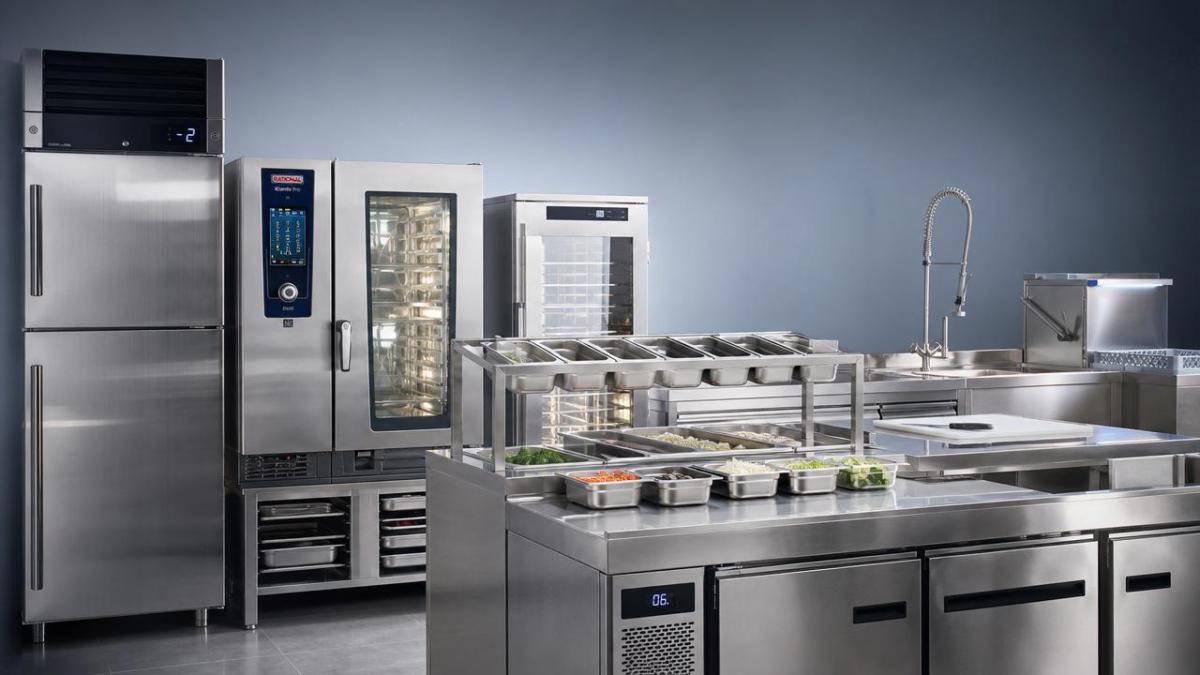
The busiest items in restaurant kitchen equipment for catering are usually not the most expensive machines. They are the units touched dozens or hundreds of times per shift: refrigeration, prep tables, ovens, ranges, sinks, holding cabinets, and small food preparation machines. In a standard 8- to 12-hour production day, these pieces support the full workflow from receiving and storage to cooking, plating, transport, and cleanup.
Usage frequency depends on menu type, production volume, and service format. A banquet kitchen may rely more on combi ovens and hot holding. A fast casual catering operation may use prep counters, slicers, and reach-in refrigerators more heavily. A central kitchen serving multiple locations may put mixers, food processors, blast chillers, and packaging stations into near-continuous rotation.
Core categories that work every shift
In most catering environments, the highest-use categories fall into 6 groups: cold storage, cooking equipment, preparation equipment, holding equipment, washing systems, and work surfaces. Each category supports at least 1 critical control point in food handling. If one fails during service, output can slow within 10 to 30 minutes.
- Refrigeration: reach-in fridges, undercounter fridges, walk-in coolers, freezer storage
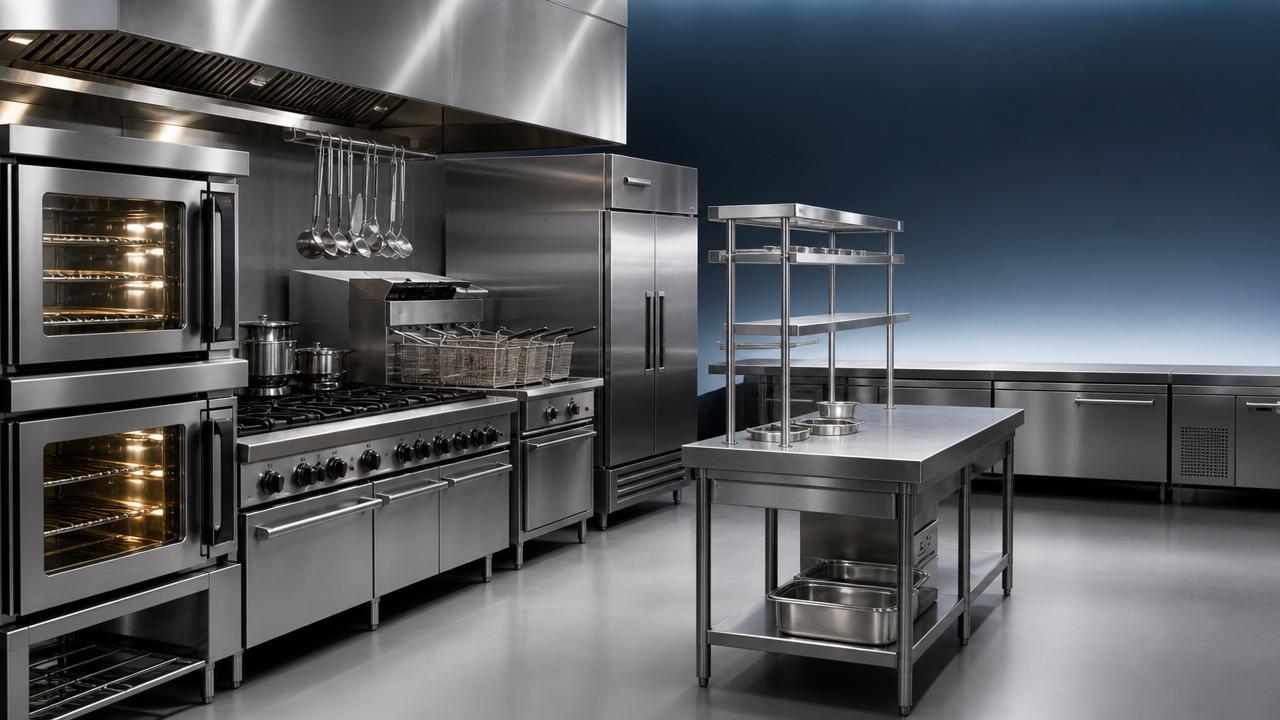
- Cooking: ranges, convection ovens, combi ovens, griddles, fryers
- Prep: mixers, slicers, food processors, vegetable cutters, prep tables
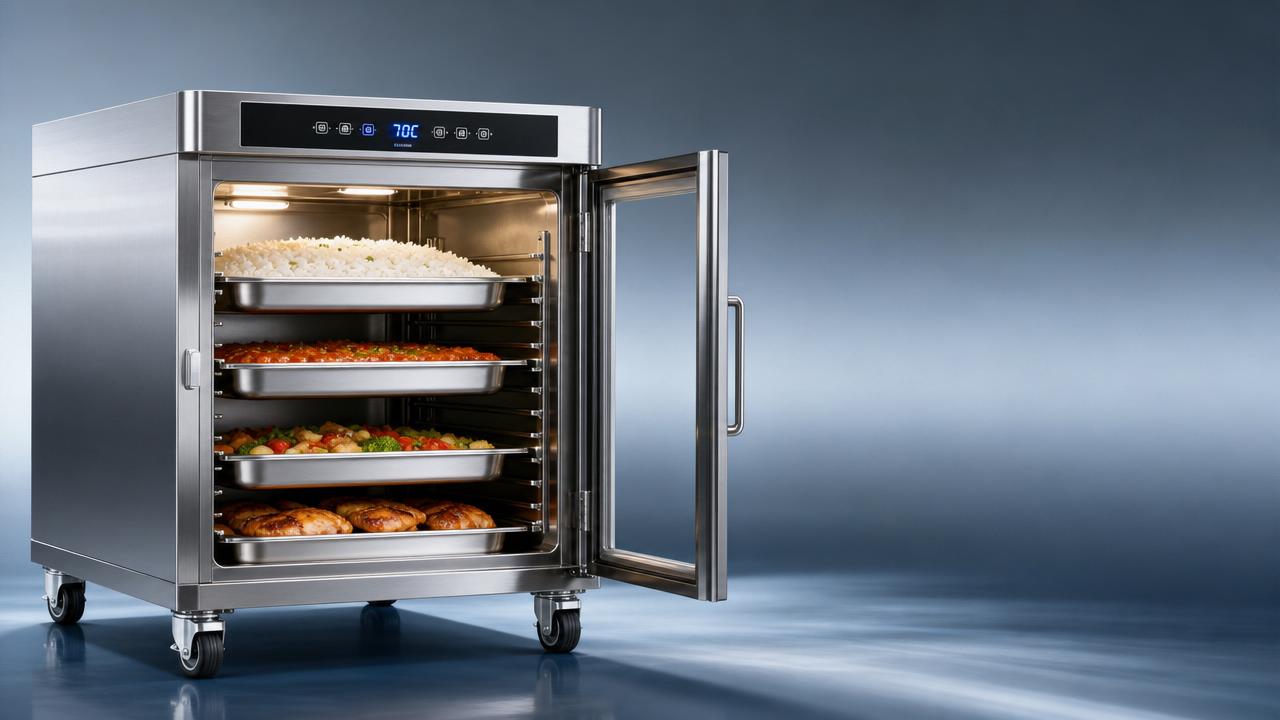
- Holding: hot cabinets, warming drawers, insulated transport units
- Cleaning: sinks, dishwashers, spray stations, sanitation tables
- Support: stainless steel tables, shelving, GN pans, mobile racks
Why these categories dominate daily use
These tools stay active because they connect directly to repetitive kitchen tasks. Refrigeration may be opened 80 to 200 times per day in a medium-volume operation. Prep tables are occupied across multiple shifts. Ovens may run in 2 to 5 production cycles daily. Dishwashing systems often peak at the end of prep, after service, and during equipment turnaround.
The table below shows which restaurant kitchen equipment for catering is typically used most and what role it plays in production.
The practical takeaway is clear: the most-used equipment is usually the equipment that supports movement, not just cooking. Storage access, bench space, safe holding, and fast washing often have as much impact on output as the headline cooking appliances.
What operators need from high-use equipment
Operators who work directly with restaurant kitchen equipment for catering usually judge equipment by four factors: speed, consistency, cleaning effort, and downtime risk. A unit that saves 15 seconds per task can create major gains over 200 portions. A machine that takes 25 minutes to clean may become unpopular even if its output is good.
Daily pain points in real kitchens
In practical terms, the most common complaints are uneven heating, poor cold recovery, awkward workflow, difficult controls, and maintenance delays. For example, if a refrigerator struggles to return to safe temperature after repeated door openings, product quality and compliance can both be affected. If an oven has inconsistent hot spots, batch yield may vary by 5% to 15%.
- Slow recovery time during peak opening cycles
- Controls that are too complex for multi-shift teams
- Hard-to-clean corners that increase sanitation time
- Insufficient capacity for tray counts or pan sizes
- Unexpected service stops caused by poor preventive maintenance
Capacity matters more than headline power
Operators often focus first on power rating, but capacity and workflow fit usually matter more. A mixer with a 20 L bowl may suit a small bakery-catering hybrid, while a 40 L to 60 L unit is more practical for high-volume sauce, dough, or mashed product preparation. The same logic applies to ovens, holding cabinets, and refrigerators. If tray format, shelf spacing, and batch timing do not match the menu, the machine may be underused or overloaded.
Features that improve shift performance
When selecting restaurant kitchen equipment for catering, operators should prioritize the features that reduce repetitive friction. Not every kitchen needs smart connectivity, but many benefit from simpler programming, temperature visibility, easy-access filters, rounded cleaning surfaces, and strong door hardware rated for frequent use.
- Fast startup or recovery time
- Clear temperature or cycle display
- Tool-free or low-tool cleaning access
- Compatibility with standard GN pans or sheet pans
- Stable results across at least 2 to 3 shifts per day
These practical details often determine whether a piece of equipment supports labor efficiency or creates daily workarounds.
How to choose the right restaurant kitchen equipment for catering
A good buying decision starts with workload, not catalog size. Operators and purchasing teams should map actual production data first: average meals per day, peak hour output, menu complexity, storage turnover, and cleaning labor. A kitchen producing 120 plated meals is very different from one preparing 600 boxed meals plus hot buffet service.
Five-point evaluation framework
Before buying or replacing restaurant kitchen equipment for catering, review at least 5 factors. This prevents overspending on oversized machinery or underbuying equipment that creates bottlenecks within 3 to 6 months.
- Production volume: meals, trays, or batches per shift
- Available footprint: aisle clearance, door swing, loading space
- Utility compatibility: gas, electric, drainage, ventilation
- Cleaning and maintenance: daily, weekly, monthly service needs
- Staff skill level: simple manual controls or programmable systems
The next table provides a practical comparison for operators evaluating common high-use equipment categories.
This comparison shows why purchasing cannot rely on price alone. Throughput fit, cleaning effort, and utility alignment have direct impact on long-term usability. Equipment that is slightly more expensive up front may reduce labor pressure every day for 3 to 7 years.
Common buying mistakes
The most common mistake is buying for occasional peak demand while ignoring everyday workload. Another is selecting a unit with advanced features that only 1 or 2 staff members understand. In multi-shift kitchens, ease of training is critical. A 10-minute handover process is more realistic than a 45-minute explanation of complex programs during service changeover.
Maintenance, hygiene, and service planning for heavy-use equipment
The restaurant kitchen equipment for catering that gets used most also requires the most disciplined maintenance. High-use does not automatically mean high-failure, but it does mean higher wear on gaskets, hinges, heating elements, seals, switches, and moving parts. Operators who follow a basic preventive routine can often reduce avoidable downtime and extend service life.
A simple maintenance schedule
A practical maintenance plan usually works in 3 levels: daily cleaning and inspection, weekly functional checks, and monthly technical review. This approach is manageable for most kitchens and does not require a full engineering team. The key is consistency and clear ownership.
- Daily: wipe surfaces, check temperatures, inspect door seals, clear food debris
- Weekly: check filters, fans, burner condition, calibration signs, hose condition
- Monthly: review unusual noise, cycle times, water scale, loose fittings, wear parts
Hygiene and food safety impact
Frequent-use equipment has direct food safety impact because it handles product at multiple stages. Cold storage should maintain target ranges consistently. Hot holding should protect food quality without drying it out. Prep equipment must be easy to disassemble and sanitize. If sanitation takes too long, staff may delay cleaning during peak turnover, increasing cross-contact risk.
For many operators, a good rule is to favor equipment with fewer hidden surfaces, smoother welds, removable trays, and accessible drainage points. Saving even 8 to 12 minutes in end-of-shift cleaning can make compliance more realistic during busy periods.
When to repair and when to replace
Replacement decisions should be based on operating disruption, not only age. If a high-use refrigerator needs repeated service every 30 to 60 days, or if an oven misses production windows because of uneven cycles, replacement may be more economical than repeated repair. On the other hand, a structurally sound mixer or stainless prep table may remain productive for many years with routine service.
A useful rule for operators is to track 4 indicators: fault frequency, repair turnaround time, lost production time, and sanitation difficulty after repair. These tell a more accurate story than purchase date alone.
Future trends shaping everyday catering equipment use
The kitchen equipment sector is moving toward automation, intelligence, and energy efficiency, but operators still need practical value. The best new features are the ones that solve routine problems in real kitchens: energy monitoring, programmable cycles, more precise humidity control, easier diagnostics, and better space integration.
What smart features are actually useful
Not every catering kitchen needs a fully connected digital system. However, some smart functions are increasingly helpful, especially in multi-site or high-volume operations. These include temperature alerts, recipe memory, maintenance reminders, and basic performance logs. For example, a combi oven that stores 20 to 100 programs can reduce training variation across teams and shifts.
- Auto alerts for abnormal temperature deviation
- Pre-set cooking programs for repeatable batch results
- Usage logs that help plan service intervals
- Energy-saving standby modes during low-demand periods
Energy efficiency as an operating factor
Energy efficiency matters more as utility costs rise. In heavy-use kitchens, equipment with better insulation, improved heat recovery, or more accurate control systems can reduce unnecessary consumption over hundreds of hours per month. Operators should not expect instant savings from one single machine, but across refrigeration, cooking, and holding, incremental gains can be meaningful over 12 months.
This is especially relevant for kitchens that run 6 or 7 days per week and have extended prep windows. In those environments, selecting efficient restaurant kitchen equipment for catering supports both cost control and sustainability targets without changing menu output.
FAQ for operators and buyers
Which equipment should be upgraded first?
Start with the equipment that creates the largest daily bottleneck or highest compliance risk. In many kitchens, this is refrigeration, ovens, or dishwashing capacity rather than specialty machines used once per day.
Is multifunction equipment always better?
Not always. Multifunction units save space, but if they become a single point of failure, service can be disrupted. The right choice depends on menu mix, backup capacity, and repair support.
How often should high-use equipment be reviewed?
A monthly operational review is a reasonable baseline, with daily checks for temperature, cleanliness, and visible wear. For heavy-volume kitchens, quarterly service planning is often a good discipline.
The restaurant kitchen equipment for catering that gets used most is the equipment that keeps every stage of service moving: refrigeration, prep stations, ovens, holding systems, and cleaning equipment. Operators should evaluate these assets by daily workload, cleaning effort, reliability, capacity fit, and ease of use rather than by headline price alone. Well-chosen equipment improves consistency, protects food safety, and supports labor efficiency across every shift.
If you are reviewing your current kitchen setup, planning a replacement cycle, or sourcing equipment for a new catering operation, now is the right time to assess which machines carry the heaviest workload. Contact us to discuss product details, get a tailored equipment plan, or learn more about practical kitchen solutions for your catering business.
Popular Tags
Kitchen Industry Research Team
Dedicated to analyzing emerging trends and technological shifts in the global hospitality and foodservice infrastructure sector.
Industry Insights
Join 15,000+ industry professionals. Get the latest market trends and tech news delivered weekly.
No spam. Unsubscribe anytime.
Contact With us
Contact:
Anne Yin (Ceramics Dinnerware/Glassware)
Lucky Zhai(Flatware)