
Stoneware Pasta Bowl Demand Signals for 2026
As foodservice buyers and kitchen operators plan for 2026, rising interest in the stoneware pasta bowl is becoming a practical market signal. From restaurant plating needs to durable tabletop programs, related demand for stoneware soup bowl, ceramic pasta plate, and stoneware cereal bowl is also shaping purchasing decisions. This article explores what these trends mean for sourcing, product selection, and competitive positioning in the evolving kitchen equipment market.
Search intent behind this topic is largely commercial and strategic: readers want to know whether growing demand for stoneware pasta bowls is real, what is driving it, and how to make better sourcing or product decisions before 2026. For purchasers, operators, and decision-makers, the real question is not simply whether stoneware is popular, but whether it delivers operational value, fits menu and brand needs, reduces replacement costs, and supports profitable tabletop planning.
The most useful way to evaluate this demand signal is to look at it from four angles: menu presentation trends, durability and usability in daily service, procurement risk and supply consistency, and how adjacent categories such as stoneware soup bowl, ceramic pasta plate, and stoneware cereal bowl influence total assortment planning. That is where the strongest buying decisions will be made.
Why the stoneware pasta bowl is drawing stronger demand signals for 2026
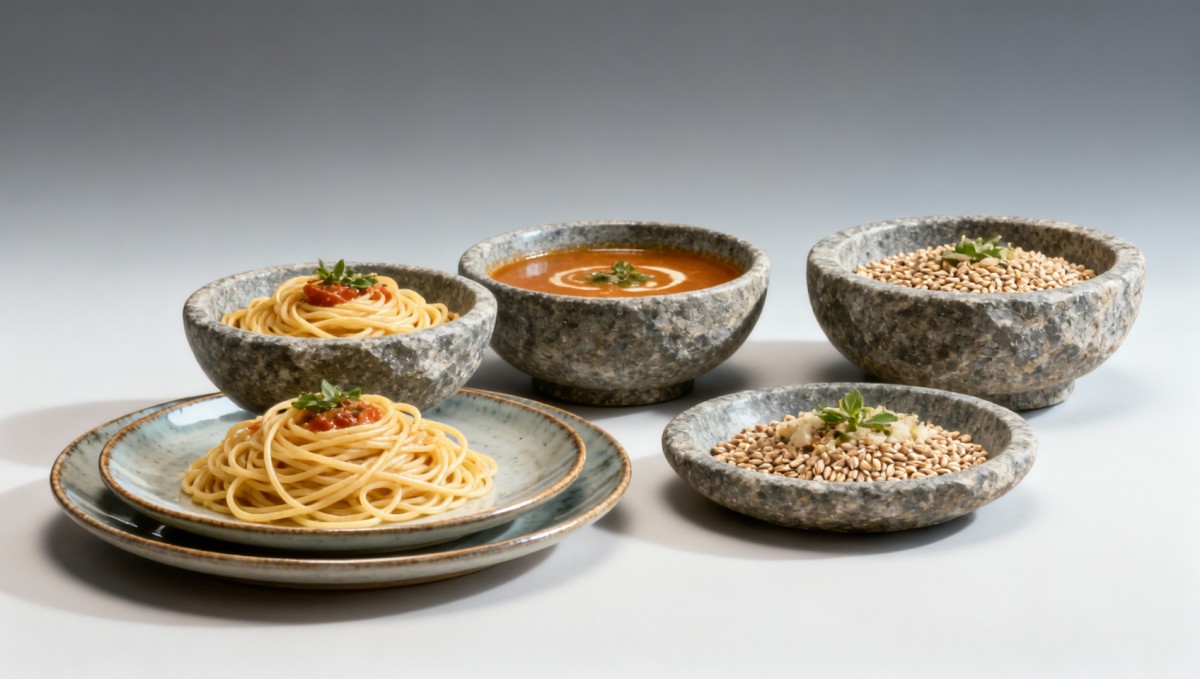
The rise of the stoneware pasta bowl is tied to practical changes in foodservice, not just aesthetics. In many restaurants, hotels, and upscale casual concepts, menu design has shifted toward versatile bowl-based presentations. Pasta, grain bowls, salads, shared small plates, and composed dishes increasingly benefit from deeper formats that improve plating control and portion appearance. This gives the stoneware pasta bowl an advantage over flatter alternatives in many service environments.
For buyers, the strongest demand signals usually come from repeatable patterns:
- More operators are standardizing multi-use bowl formats instead of buying single-purpose tabletop pieces.
- Restaurants want products that support both visual presentation and back-of-house practicality.
- Durability concerns are pushing interest toward materials that balance weight, strength, and premium appearance.
- Buyers are comparing entire tabletop families, including stoneware soup bowl and stoneware cereal bowl options, rather than sourcing one item at a time.
This means the keyword trend around stoneware pasta bowl likely reflects broader assortment planning. It is less about one product in isolation and more about how stoneware fits modern service models in 2026.
What buyers, operators, and decision-makers care about most before purchasing
Different reader groups approach this category from different angles, but their concerns overlap in important ways.
Information researchers usually want market direction. They are looking for signs of sustained demand, category overlap, and whether stoneware remains relevant versus porcelain, melamine, or vitrified ceramics.
Users and operators care more about service performance. They want to know:
- Does the bowl stack well?
- Is it too heavy for fast-paced service?
- Will the glaze show scratches or utensil marks quickly?
- Can it handle dishwashing, temperature changes, and repeated handling?
Purchasing teams focus on consistency, lead time, replacement rate, MOQ, and whether a supplier can support a coordinated collection across multiple bowl and plate formats.
Business decision-makers care about total value. They want to judge whether investing in stoneware supports brand positioning, customer experience, and cost control over time.
Because of this, a useful article on 2026 demand should focus less on generic trend language and more on measurable decision factors.
How to judge whether stoneware pasta bowl demand is a real opportunity or a temporary style wave
Not every tabletop trend deserves long-term investment. To determine whether current interest has strategic value, buyers should test demand against operational and commercial evidence.
1. Check menu compatibility.
If an operator serves pasta, risotto, salads, ramen-inspired dishes, breakfast bowls, or all-day composed meals, the bowl format has practical staying power. If usage is limited to a single menu line, demand may be narrower than it appears.
2. Evaluate cross-category purchasing logic.
When buyers searching for stoneware pasta bowl are also comparing stoneware soup bowl, ceramic pasta plate, and stoneware cereal bowl, that signals broader collection planning. This is a stronger indicator than one-off product interest.
3. Look for replacement and replenishment patterns.
A real demand signal usually includes follow-up purchasing: replacing broken pieces, expanding seat count, or standardizing across locations. Replenishment is often more meaningful than first-time trial orders.
4. Monitor supplier behavior.
When more manufacturers expand glaze colors, rim designs, sizes, and matching tabletop lines, it usually means the category is becoming commercially important, not just visually fashionable.
5. Compare use in both hospitality and retail channels.
If interest appears in restaurants, hotels, and household kitchen segments at the same time, category resilience is often stronger.
Stoneware pasta bowl vs ceramic pasta plate: which format fits which service model?
Many buyers are not choosing between “good” and “bad” products. They are choosing between formats that serve different operational goals.
Stoneware pasta bowl is often better when:
- The menu includes sauce-heavy or layered dishes.
- Visual height and presentation depth matter.
- Portion containment and reduced spill risk are important.
- Operators want one vessel to serve multiple bowl-based items.
Ceramic pasta plate is often better when:
- The brand emphasizes classic or premium plating.
- Wider plate surface improves garnish layout.
- Shallower presentation suits the dish better.
- Front-of-house style is prioritized over multi-use flexibility.
For many operations, the smarter 2026 strategy is not choosing only one. It is building a balanced tabletop range where the ceramic pasta plate supports signature presentations while the stoneware pasta bowl covers versatile high-frequency use cases.
Why related demand for stoneware soup bowl and stoneware cereal bowl matters
Search behavior around related bowl categories matters because it reveals how buyers actually source tabletop products. Most commercial purchasers do not build a dining program around a single SKU. They look for families of products that create visual consistency and simplify procurement.
If demand is rising across stoneware soup bowl, stoneware cereal bowl, and pasta bowl formats, that suggests buyers want:
- Matching collections for layered menu use
- Consistent glaze and finish across service pieces
- Simpler vendor management
- Better control over replacement ordering
- A stronger tabletop identity for the brand
For suppliers, this creates an important opportunity. Selling a stoneware pasta bowl as part of a coordinated program is usually more competitive than selling it as a standalone item. For buyers, it can improve cost efficiency and presentation consistency across the operation.
Key product selection criteria for 2026 sourcing decisions
Buyers evaluating 2026 demand should move beyond style alone and use a practical scorecard. The best sourcing decisions usually depend on the following criteria:
- Material performance: Check resistance to chipping, crazing, thermal stress, and glaze wear.
- Weight: Bowls should feel substantial but not slow down service or increase handling fatigue.
- Stackability: Efficient storage matters in restaurants, hotels, and central kitchens.
- Dishwasher suitability: High-frequency washing performance is essential in commercial use.
- Size range: Different capacities support pasta, soup, cereals, and hybrid menu items.
- Color and finish consistency: Especially important for multi-location brands and repeat orders.
- Supply reliability: Lead times, production stability, and reorder continuity are major purchasing concerns.
- Replacement economics: Unit price matters, but breakage rate and replenishment availability matter more over time.
For enterprise buyers, these factors directly affect total cost of ownership. A lower-priced bowl with higher breakage or inconsistent restocking can become more expensive than a better-made option.
Risks buyers should watch when responding to strong market interest
Growing demand can create opportunity, but it also increases sourcing risk. Common issues include:
- Trend-led overbuying: Purchasing large volumes before validating actual menu usage.
- Inconsistent production quality: Especially across glaze finish, dimensions, or color batch matching.
- Underestimating handling realities: Beautiful bowls may be too heavy or unstable for busy operations.
- Collection gaps: A supplier may offer a strong pasta bowl but weak supporting categories.
- Long replenishment cycles: Reordering after rollout can become difficult if production is not stable.
The best way to reduce these risks is to request samples, test stacking and washing performance, compare adjacent SKUs, and confirm continuity plans with suppliers before final commitment.
What this demand signal means for suppliers and competitive positioning
For manufacturers, exporters, distributors, and kitchen equipment brands, rising interest in the stoneware pasta bowl category signals more than product popularity. It points to a buying environment where customers want durable, visually distinctive, and operationally flexible tabletop solutions.
Competitive positioning in 2026 will likely be strongest for suppliers that can offer:
- Coordinated stoneware collections, not isolated SKUs
- Clear commercial-use durability claims
- Reliable supply for repeat ordering
- Customization in glaze, shape, and sizing
- Use-case guidance for foodservice buyers
In other words, the market is moving toward solution-based selling. Buyers increasingly want help selecting the right mix of stoneware pasta bowl, stoneware soup bowl, ceramic pasta plate, and stoneware cereal bowl products for actual service needs.
Conclusion: the 2026 outlook is positive, but decisions should stay practical
The demand signal for the stoneware pasta bowl heading into 2026 appears meaningful because it aligns with broader foodservice needs: versatile presentation, durable tabletop programs, and coordinated product assortment planning. It is also reinforced by related interest in stoneware soup bowl, ceramic pasta plate, and stoneware cereal bowl categories.
For buyers and decision-makers, the key takeaway is simple: this is a category worth serious attention, but only when evaluated through real operating conditions, replenishment logic, and total program value. The strongest purchasing decisions will come from matching bowl format to menu usage, testing commercial durability, and sourcing from suppliers that can support a complete and consistent collection.
That approach turns a market trend into a smarter procurement strategy.
Popular Tags
Kitchen Industry Research Team
Dedicated to analyzing emerging trends and technological shifts in the global hospitality and foodservice infrastructure sector.
Industry Insights
Join 15,000+ industry professionals. Get the latest market trends and tech news delivered weekly.
No spam. Unsubscribe anytime.

Contact With us
Contact:
Anne Yin (Ceramics Dinnerware/Glassware)
Lucky Zhai(Flatware)