
Kitchen tools for schools that are easier to sanitize
Choosing kitchen tools for schools that are easier to sanitize is essential for quality control and daily safety management. In high-volume school kitchens, the right tools help reduce cross-contamination risks, simplify cleaning routines, and support consistent hygiene compliance. This article explores practical features, material choices, and equipment considerations that can help safety managers build a cleaner, more efficient food preparation environment.
Why do school kitchens need easier-to-sanitize tools?
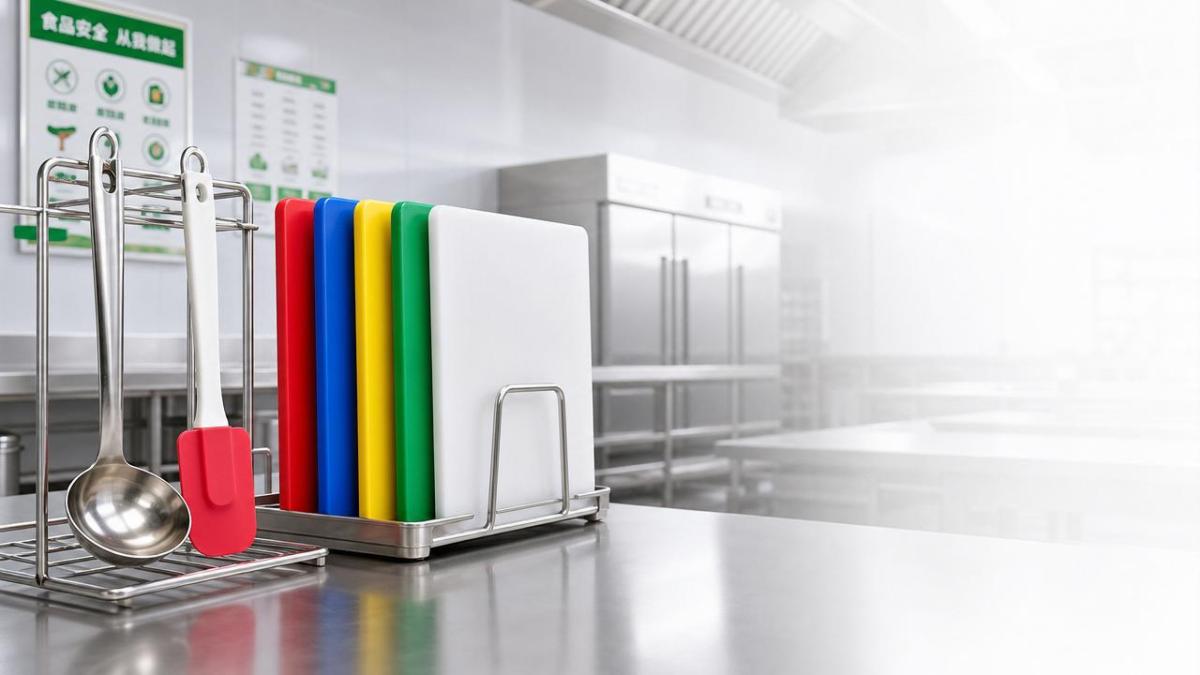
For quality control staff and safety managers, sanitation is not just a cleaning issue. It directly affects food safety, inspection readiness, labor efficiency, and equipment life. School kitchens handle repeated meal cycles, mixed ingredients, fast turnover, and strict timing. Under these conditions, kitchen tools for schools should be selected not only for function, but also for how easily they can be cleaned, dried, stored, and verified during routine checks.
The kitchen equipment industry has moved toward safer materials, better ergonomics, modular design, and smarter process control. In school foodservice settings, these developments matter because teams often work under budget constraints while still needing to meet hygiene targets. A tool that traps moisture, contains hard-to-reach seams, or degrades under repeated sanitizing chemicals creates avoidable risk. By contrast, a sanitation-friendly design can lower contamination points and reduce the burden on frontline staff.
When reviewing kitchen tools for schools, safety managers usually focus on five practical questions:
- Does the tool have smooth, non-porous surfaces that resist food buildup and microbial retention?
- Can staff fully disassemble or visually inspect the tool after use?
- Will it tolerate repeated washing, heat, and approved sanitizing chemicals without cracking or warping?
- Does the design support color coding or task separation to reduce allergen and raw-to-ready cross-contact?
- Can the tool fit into current cleaning procedures without adding excessive labor time?
These questions turn tool selection into a risk-control decision rather than a simple purchasing task. That shift is especially important in schools, where meal safety, audit documentation, and operational consistency are closely linked.
Which design features make kitchen tools for schools easier to sanitize?
Not all commercial-grade utensils are equally suitable for educational foodservice. Some perform well in low-volume environments but become difficult to maintain when used continuously. The most effective kitchen tools for schools combine durable materials with simplified structures that reduce hidden contamination zones.
Key sanitation-friendly design traits
- Seamless or minimized-joint construction, which reduces places where food particles and moisture can remain after washing.
- Rounded internal corners on containers, scoops, and prep tools, making rinse and brush access easier.
- Removable handles, blades, guards, or inserts, allowing complete cleaning and drying instead of surface-only washing.
- Non-absorbent handles and grips that resist swelling, cracking, or odor retention over time.
- Heat and chemical resistance compatible with common sanitizing routines used in institutional kitchens.
- Hanging holes, open storage geometry, or drying-friendly profiles that help tools air-dry quickly after sanitation.
The following comparison table helps identify which design characteristics usually support faster and more reliable sanitation in school food preparation areas.
In practice, easier sanitation usually comes from simpler geometry rather than from more features. For school kitchens, tool design should support repeatable cleaning by different staff members with varying experience levels.
What materials are best for kitchen tools for schools?
Material selection is one of the most important purchasing decisions because it affects cleanability, durability, chemical resistance, and replacement frequency. For kitchen tools for schools, the best choice depends on task, temperature, and contact type rather than on price alone.
Common material options and their sanitation value
The table below compares typical materials used in school kitchen utensils and accessories from a quality control perspective.
For many schools, stainless steel and selected food-grade polymers provide the most balanced combination of sanitation, durability, and cost control. The right answer is often a mixed-material toolkit, with each item chosen for its cleaning profile and process role.
Material decisions by use case
- Use stainless steel for ladles, whisks, pans, serving utensils, racks, and tools exposed to repeated heat and frequent washing.
- Use color-coded plastic boards, bins, or scoop systems where task separation is essential for allergens, raw proteins, and ready-to-eat items.
- Use one-piece silicone tools where scraping, nonstick compatibility, or heat resistance is needed.
How should safety managers evaluate tools by school kitchen scenario?
Different workstations create different sanitation risks. A receiving area does not demand the same tool profile as a hot line, vegetable prep station, or allergen-controlled assembly area. Reviewing kitchen tools for schools by scenario helps purchasing teams avoid overbuying in one area and under-controlling another.
Scenario-based priorities
- Raw ingredient prep: prioritize color coding, scratch resistance, easy rinsing, and clear separation of product contact surfaces.
- Cooked food handling: focus on heat-stable tools with smooth finishes and low risk of residue around joints or grips.
- Allergen-sensitive meal assembly: select clearly marked utensils dedicated to specific meal lines and easy to validate during audits.
- Washing and storage zones: choose racks, holders, and containers that promote drainage and prevent recontamination after sanitizing.
The next table can be used as a practical purchasing checklist when matching tool types to school kitchen applications.
Scenario-based selection prevents generic buying mistakes. It also supports more precise SOPs because each tool is assigned to a defined zone, cleaning method, and replacement rule.
What should procurement teams check before buying kitchen tools for schools?
Procurement teams often compare price first, but safety managers know that sanitation performance affects total operational cost. A lower-cost tool that requires extra cleaning time, frequent replacement, or additional inspection steps may cost more over a school year than a better-designed alternative.
Pre-purchase evaluation checklist
- Request material details and confirm suitability for food contact, routine washing temperature, and expected sanitizer exposure.
- Inspect whether the tool can be fully cleaned without special brushes, hard-to-source parts, or lengthy disassembly.
- Review handle attachment points, seals, rivets, and joints for possible residue traps.
- Check whether spare parts, replacement units, or matching storage accessories are available.
- Assess whether the supplier can support specification confirmation, sample review, and realistic delivery scheduling.
- Consider whether tools can integrate with color coding, digital inventory, and process monitoring systems already used in the kitchen.
In the broader kitchen equipment industry, automation, intelligent management, and integrated systems are changing how institutions buy even small tools. Today, sanitation-friendly utensils are often selected alongside storage systems, dishwashing capacity, labeling methods, and traceability procedures. That integrated view gives schools better control than buying isolated items one by one.
Common mistakes that reduce sanitation performance
Many hygiene problems are not caused by poor cleaning effort. They come from unsuitable tool design, inconsistent replacement rules, or weak implementation planning. Recognizing these mistakes can help safety managers improve outcomes without increasing labor unnecessarily.
Frequent sanitation-related errors
- Keeping damaged tools in service after surfaces become scored, cracked, or difficult to inspect visually.
- Using the same utensil family across raw, cooked, and allergen-sensitive tasks without clear segregation.
- Choosing complex tools that save seconds during preparation but add minutes during washing and verification.
- Ignoring storage design, which leads sanitized tools to remain wet, stacked improperly, or exposed to splash contamination.
- Evaluating sanitation only during purchase instead of setting inspection points during daily use, warewashing, and end-of-life replacement.
A simple corrective action is to build tool reviews into monthly hygiene audits. Instead of checking only cleanliness, the audit should also assess wear patterns, drying effectiveness, and whether each item still fits the intended cleaning method.
How do standards and compliance influence tool selection?
Schools may follow different local regulatory frameworks, but the compliance logic is similar everywhere: food-contact tools should support hygienic design, safe cleaning, traceable procedures, and effective risk reduction. For safety managers, the goal is not to collect labels. It is to confirm that purchased tools align with operational sanitation requirements and documented food safety plans.
Useful compliance considerations
- Verify food-contact suitability of materials and whether supplier documentation is available when required by internal purchasing policy.
- Check if the tool design supports HACCP-based procedures, especially for cleaning verification and prevention of cross-contact.
- Confirm compatibility with institutional dishwashing temperatures, sanitizing agents, and storage protocols.
- Review whether replacement intervals can be defined clearly, which is important for audit discipline and preventive maintenance.
In many cases, the best compliance outcome comes from standardizing fewer, better tools across similar tasks. This reduces variation, simplifies training, and makes corrective actions easier when issues are found.
FAQ: practical questions about kitchen tools for schools
How often should school kitchen tools be replaced?
Replacement should be based on condition, sanitation performance, and task criticality rather than on a fixed calendar alone. Cutting boards with deep scoring, cracked handles, bent tongs, or tools that no longer dry properly should be removed quickly. Many schools benefit from a simple inspection log tied to monthly hygiene checks and high-risk line reviews.
Are plastic tools acceptable in school kitchens?
Yes, if the material is appropriate for food contact and the design remains easy to sanitize. Plastic can be very effective for color coding and lightweight handling. The key is to monitor wear, heat exposure, and surface damage. Once scratches or deformation make cleaning unreliable, the sanitation advantage is lost.
What is the best way to reduce cross-contamination with kitchen tools for schools?
Use a combination of color coding, dedicated storage, simplified tool assignment, and clear SOPs. The best system is one that busy staff can follow during peak service without confusion. Tool design matters here because easy-to-clean, clearly identified utensils are more likely to remain in their correct zones.
Should schools prioritize manual tools or automated solutions?
It depends on volume, labor structure, and budget. Manual kitchen tools for schools still play a major role, but integrated solutions such as better warewashing systems, digital labeling, and organized storage can improve sanitation outcomes significantly. The most practical approach is often a hybrid one: simpler hand tools paired with smarter cleaning and control processes.
Why choose a supplier that understands sanitation-focused school kitchens?
Choosing kitchen tools for schools is easier when the supplier understands food safety workflow, material behavior, and institutional operating pressure. A capable partner can help you compare tool structures, confirm application parameters, align products with cleaning routines, and avoid hidden sanitation risks before purchase.
If you are reviewing new kitchen tools for schools, you can contact us to discuss practical points such as material selection, sanitation-friendly design, product matching by workstation, delivery timing, sample support, and quote planning. We can also help you sort through questions around replacement strategy, color-coded systems, documentation needs, and custom combinations for school kitchens with specific hygiene or workflow requirements.
Popular Tags
Kitchen Industry Research Team
Dedicated to analyzing emerging trends and technological shifts in the global hospitality and foodservice infrastructure sector.
Industry Insights
Join 15,000+ industry professionals. Get the latest market trends and tech news delivered weekly.
No spam. Unsubscribe anytime.


Contact With us
Contact:
Anne Yin (Ceramics Dinnerware/Glassware)
Lucky Zhai(Flatware)