
How to organize a restaurant kitchen without wasting space
Learning how to organize a restaurant kitchen is one of the most practical ways to improve speed, safety, and space efficiency in foodservice operations. In busy kitchens, every shelf, prep table, and storage zone affects workflow. A crowded layout can slow production, increase cleaning time, and make equipment harder to use. By contrast, a structured system helps teams move smoothly, reduces wasted motion, and supports better use of modern kitchen equipment. For restaurants working with limited square footage, knowing how to organize a restaurant kitchen can deliver measurable gains without major renovation costs.
When space pressure is highest: judging your kitchen organization scenario first
Before deciding how to organize a restaurant kitchen, it is important to identify the real source of space loss. Not every kitchen becomes inefficient for the same reason. Some struggle with too much smallware storage, while others lose space because of oversized equipment, poor prep zoning, or an awkward receiving-to-service path. In restaurants, hotels, central kitchens, and food preparation facilities, the right organizational method depends on menu complexity, peak service volume, and the mix of manual and automated equipment.
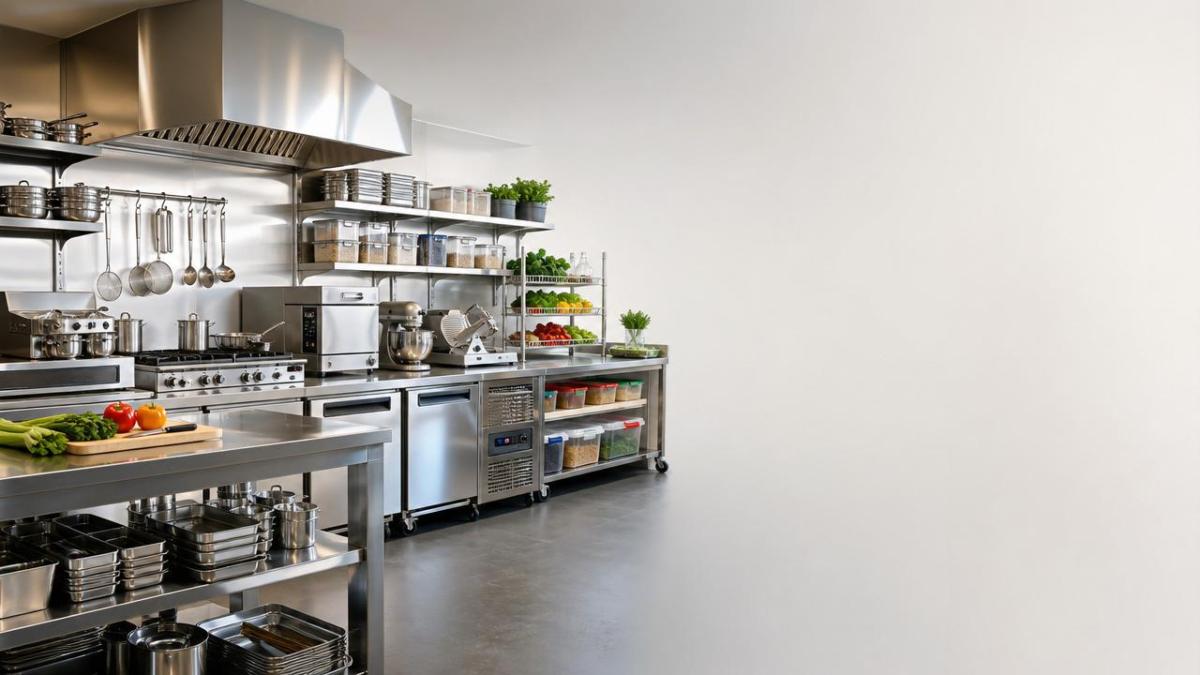
A kitchen that serves quick meals all day needs fast-access stations and clear replenishment points. A kitchen focused on batch cooking may need more vertical storage and better separation between raw and finished goods. This is why how to organize a restaurant kitchen should be approached as a scenario-based decision, not just a cleaning project. The goal is to match layout, storage, and equipment placement to actual operating conditions.
Scenario 1: Small restaurant kitchens with limited floor area
In compact kitchens, the biggest challenge is often floor congestion. Too many mobile racks, ingredient bins, and underused appliances can block movement and slow service. In this scenario, how to organize a restaurant kitchen starts with reducing the number of items stored at ground level. Wall-mounted shelving, hanging utensil systems, and stackable containers are usually more effective than adding extra tables.
The key judgment point is whether the kitchen staff can complete prep, cooking, plating, and cleaning without crossing paths unnecessarily. If not, storage should be reorganized by task frequency. Daily-use tools belong near cooking and prep stations, while backup inventory should move upward or into less active zones. In many cases, compact commercial kitchen equipment with multifunction features can free up valuable room.
Scenario 2: High-volume kitchens where speed matters more than storage quantity
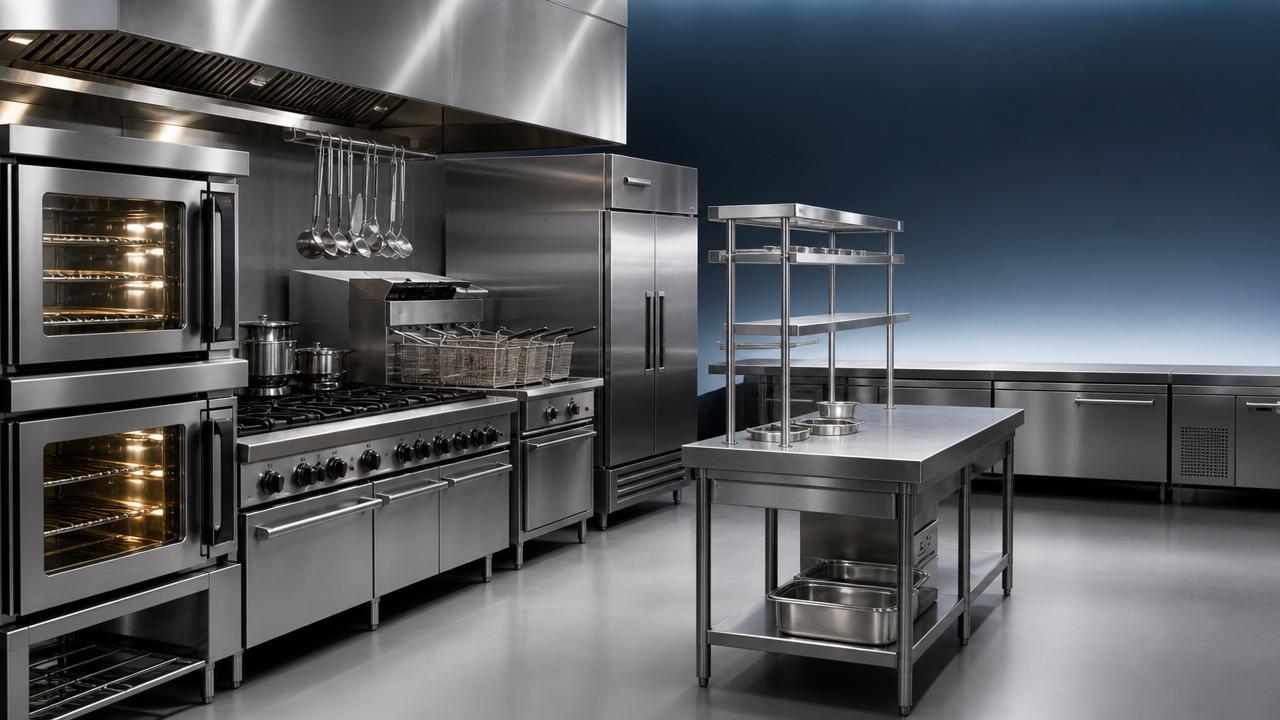
A high-output restaurant kitchen may appear large enough, yet still feel crowded because movement is inefficient. Here, how to organize a restaurant kitchen is less about fitting more items and more about creating uninterrupted flow. Fast production kitchens need short distances between refrigeration, prep counters, cooking equipment, and pass-through areas.
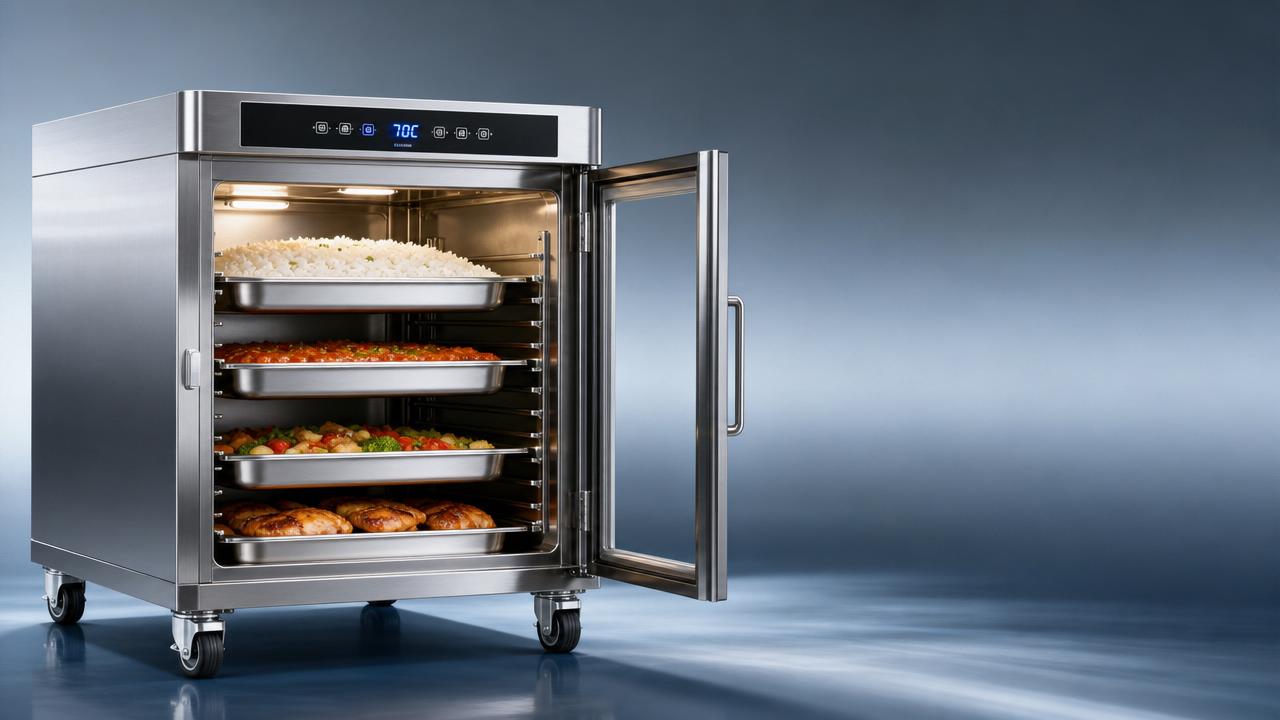
The core judgment point is whether staff repeatedly stop, turn back, or wait for access to shared tools and ingredients. If this happens, organization should focus on duplicate essentials at critical stations, labeled containers, and clearly separated hot, cold, and finishing zones. Smart holding equipment, digital kitchen management tools, and energy-efficient appliances can also improve flow by reducing idle handling and unnecessary motion.
Scenario 3: Menu-diverse kitchens that need flexible organization
Restaurants with broad menus often struggle because each service period demands different ingredients, tools, and prep methods. In this case, how to organize a restaurant kitchen should center on flexibility. Fixed storage plans may fail when breakfast, lunch, dinner, and special orders all compete for the same work surfaces.
A practical approach is to divide the kitchen into modular zones supported by movable ingredient bins, standardized trays, and clearly marked shelf categories. The key decision is whether a station can be reset quickly for changing menu demands. If not, wasted space often comes from mixed storage, poor labeling, or equipment placed without regard to shift changes. Flexible organization works best when paired with standardized container sizes and consistent restocking rules.
Scenario 4: Kitchens upgrading to smarter and more efficient equipment
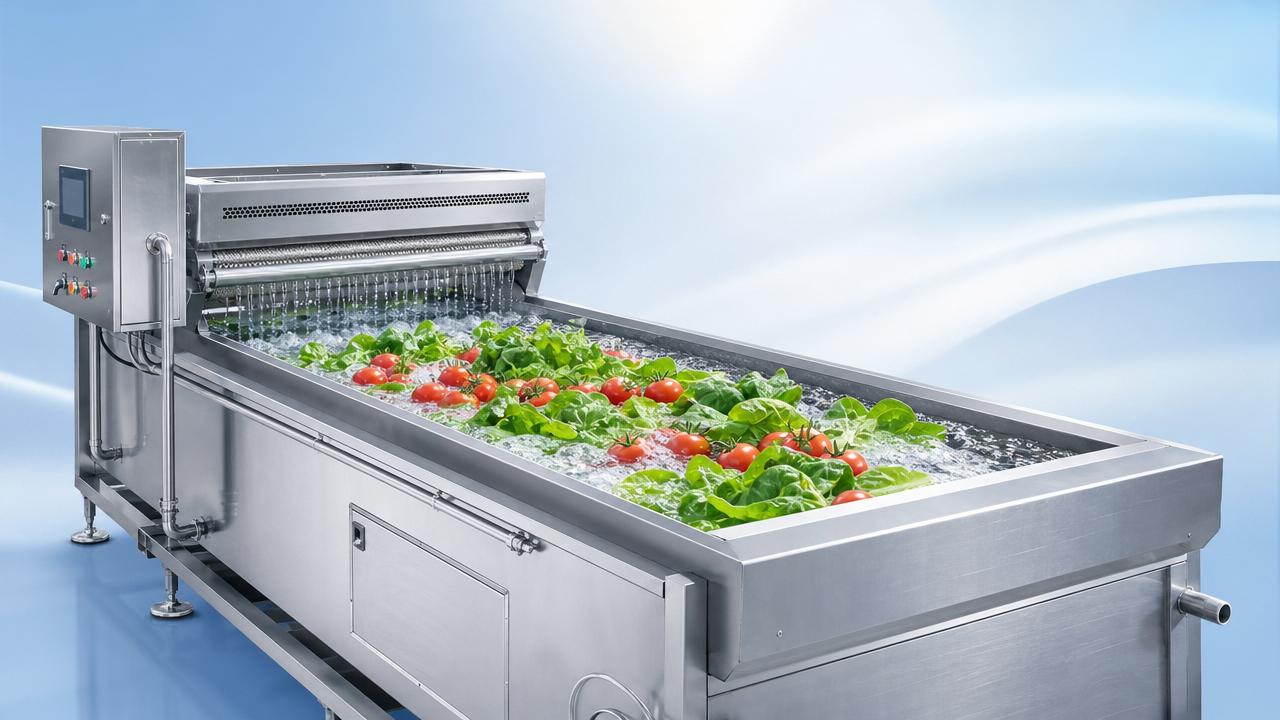
As the kitchen equipment industry moves toward automation, intelligence, and energy efficiency, many facilities are adding new appliances without redesigning surrounding storage. This often creates hidden space loss. When evaluating how to organize a restaurant kitchen during equipment upgrades, the question is not only whether the machine fits, but whether access, ventilation, cleaning clearance, and ingredient support zones also fit.
For example, an intelligent oven or automated prep machine may save labor but require nearby trays, tools, ingredient staging, and maintenance access. Without planning those support needs, the area becomes cluttered again. The best organization strategy combines equipment layout with storage redesign, ensuring each device improves workflow instead of creating a new bottleneck.
How different kitchen scenarios change organization priorities
Understanding how to organize a restaurant kitchen becomes easier when space decisions are compared by scenario. The table below highlights how different operating conditions lead to different priorities.
Practical recommendations for matching organization methods to space conditions
Once the scenario is clear, how to organize a restaurant kitchen becomes a set of concrete actions rather than a vague goal. The following recommendations help align storage and equipment with real operating needs.
- Store by frequency of use: daily items at hand level, weekly items above or below, reserve stock away from primary stations.
- Use vertical space deliberately: open shelving, magnetic strips, hanging racks, and over-equipment storage can save floor area.
- Separate zones clearly: receiving, cold storage, prep, cooking, plating, dishwashing, and waste should not overlap.
- Standardize containers and labels: this reduces search time, improves food rotation, and supports food safety.
- Review equipment size versus real use: underused machines often consume more space than they justify.
- Leave cleaning and maintenance clearance: tightly packed equipment may look efficient but often creates hygiene and service problems.
- Adopt energy-efficient and multifunction kitchen equipment where appropriate to reduce both footprint and operating cost.
Common mistakes when deciding how to organize a restaurant kitchen
Many kitchens fail to improve because they focus only on storage capacity. In reality, how to organize a restaurant kitchen is just as much about movement, timing, and usability. One common mistake is adding more shelves without checking whether staff can still reach, clean, and restock them efficiently. Another is grouping items by product type instead of by work sequence, which forces extra walking during peak periods.
A second frequent misjudgment is ignoring future growth. As digital kitchen systems, automated preparation tools, and smart cooking equipment become more common, organization must leave room for technology integration. There is also a tendency to keep duplicate tools that are rarely used, filling drawers and counters with unnecessary clutter. Finally, some kitchens overlook the impact of poor labeling, which wastes time and increases the risk of cross-contamination or expired stock being missed.
A simple next-step plan to organize a restaurant kitchen without wasting space
If the goal is to act immediately, start with a one-day space audit. Walk through the full process from receiving to service and note where delays, clutter, and repeated movement occur. Measure underused counters, shelf gaps, and equipment footprints. Then group items into three categories: essential daily use, periodic use, and removable or replaceable. This makes how to organize a restaurant kitchen easier to manage with clear priorities.
After the audit, redesign one zone at a time instead of changing everything at once. Begin with the most crowded station, apply vertical storage, improve labeling, and confirm that task flow becomes shorter. If equipment upgrades are planned, choose solutions that support integrated kitchen systems, energy efficiency, and easier cleaning access. Over time, this step-by-step method creates a kitchen that is safer, faster, and better prepared for modern foodservice demands. When approached strategically, how to organize a restaurant kitchen becomes a long-term performance advantage rather than a one-time cleanup effort.
Popular Tags
Kitchen Industry Research Team
Dedicated to analyzing emerging trends and technological shifts in the global hospitality and foodservice infrastructure sector.
Industry Insights
Join 15,000+ industry professionals. Get the latest market trends and tech news delivered weekly.
No spam. Unsubscribe anytime.
Contact With us
Contact:
Anne Yin (Ceramics Dinnerware/Glassware)
Lucky Zhai(Flatware)