
How to Choose a Chafing Dish for Buffet Service
Choosing the right Chafing Dish for buffet service is essential for food safety, presentation, and operational efficiency. Whether you manage catering kitchen equipment, source restaurant kitchen supplies, or compare stainless steel kitchen equipment for a growing foodservice business, the right choice can improve service flow and customer satisfaction. This guide explains the key factors buyers and operators should consider before making a smart investment.
Why does the right chafing dish matter in buffet service?
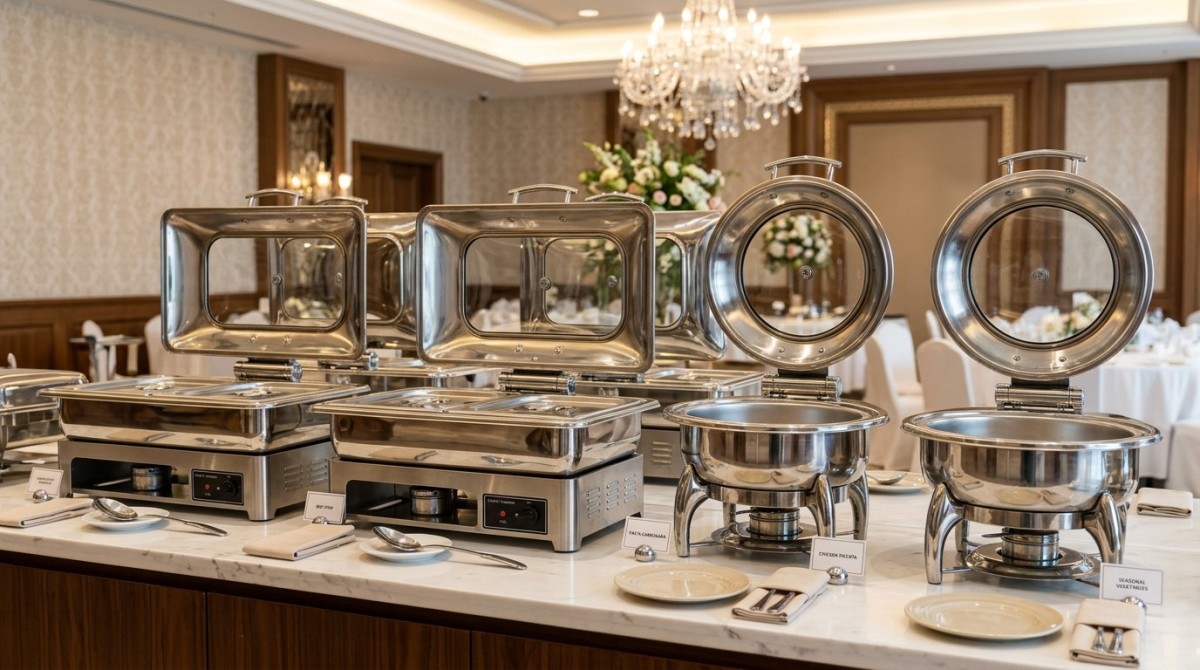
In buffet operations, a chafing dish does much more than hold food. It supports temperature maintenance, visual presentation, portion accessibility, and labor efficiency across breakfast buffets, hotel banquets, catering events, and institutional dining. For operators, the wrong unit can create uneven heating, difficult cleanup, and service bottlenecks during peak periods of 1–3 hours.
For procurement teams and decision-makers, selecting a buffet chafing dish is part of a larger kitchen equipment strategy. The product must fit menu type, service volume, cleaning workflow, and replacement planning. In commercial kitchen equipment purchasing, one poor selection often affects fuel consumption, staff workload, and the consistency of hot holding across multiple service stations.
In modern foodservice environments, food safety expectations are rising while labor remains tight. A suitable chafing dish should help keep hot food in a safe serving range, reduce refill frequency, and match the durability standards expected from stainless steel kitchen equipment. This is especially important for hotels, central kitchens, and caterers operating several buffet lines at the same time.
The kitchen equipment industry is also moving toward energy efficiency, better materials, and easier maintenance. Even for a traditional product like a buffet warmer, buyers now compare induction-ready options, hydraulic lids, anti-drip designs, and stackable storage features. These details directly affect service quality over a 2–5 year operating cycle.
- Food safety: stable hot holding reduces temperature fluctuation during service windows.
- Appearance: polished and well-designed units improve buffet presentation in guest-facing areas.
- Operational efficiency: easier lid opening, refilling, and cleaning save minutes on every service round.
- Lifecycle value: durable construction lowers replacement frequency in medium- and high-volume operations.
How to match chafing dish types to different buffet scenarios
Different buffet formats require different chafing dish configurations. A compact breakfast line in a business hotel usually values quick access and moderate pan capacity, while banquet service may require coordinated presentation across 10–30 stations. Caterers often prioritize transport stability, fast setup, and lightweight frames because equipment moves frequently between venues.
Shape and lid style should reflect both menu design and operator workflow. Round units often suit soups, stews, sauces, and side dishes. Rectangular full-size pans are more common for rice, pasta, vegetables, and proteins. Roll-top or hydraulic lids work well in self-service spaces because they reduce lid handling and support smoother guest movement.
Fuel-based chafing dishes remain common for off-site catering and temporary events, especially where electrical access is limited. Electric or induction-compatible buffet warmers are often preferred in hotels and permanent banquet halls because they support more stable heat control over 2–4 hour service periods and reduce open-flame concerns.
The table below helps buyers compare common buffet service scenarios and the most practical chafing dish choices based on capacity, mobility, and heating method.
This comparison shows that no single chafing dish fits every buffet service model. Buyers should start with service frequency, menu type, and site conditions rather than appearance alone. In B2B kitchen equipment sourcing, the correct match usually comes from balancing 3 practical variables: heat source, pan format, and operating environment.
Which users should evaluate the decision?
Operators focus on opening angle, refill convenience, and cleaning time. Procurement staff care more about material grade, packaging, and supply consistency. Business decision-makers often compare total cost over 12–36 months, especially when several buffet lines must be equipped at once. Good supplier communication should address all three viewpoints before order confirmation.
If your buffet layout changes often, flexibility matters more than decorative design. If your service is fixed and high volume, standardized dimensions and replacement pan availability become more important. This is why many restaurant kitchen supplies buyers build shortlists by application first and aesthetics second.
What technical features and material details should buyers check?
When comparing chafing dishes for buffet service, material quality should be checked carefully. Stainless steel remains the standard choice because it balances corrosion resistance, hygiene, and durability. Buyers commonly assess body thickness, edge finishing, weld quality, and lid mechanism strength. In busy commercial kitchens, weak hinges and thin pans often fail earlier than expected.
Pan compatibility is another key issue. Many professional buyers prefer standardized gastronorm sizes such as 1/1, 1/2, or 1/3 pans because they integrate more easily with broader commercial kitchen equipment systems. This reduces switching time between prep, transport, and buffet stations while making replacement sourcing easier over a 7–15 day replenishment cycle.
Lid performance also affects user experience. A removable cover may lower initial cost, but it can interrupt service flow and create handling issues. Roll-top lids can improve guest access, while hydraulic lids support quieter operation and a more premium buffet presentation. For high-traffic areas, hinge durability and opening stability are worth close inspection during sample review.
Before placing a larger order, many buyers use a technical checklist covering 5 key inspection points. The goal is not only to compare price, but to verify whether the chafing dish can withstand repeated heating, washing, transport, and daily contact with food and cleaning chemicals.
5 technical checkpoints before purchasing
- Confirm material consistency for body, lid, frame, water pan, and food pan rather than checking only the visible cover.
- Check whether the heating method matches your site: fuel, electric plate, or induction-compatible base.
- Review lid mechanism life and smoothness, especially for units expected to open dozens of times per service.
- Measure actual pan depth and serving yield to avoid under-capacity during peak periods.
- Verify cleaning access around corners, handles, hinge joints, and frame intersections.
Typical selection ranges used in practice
In everyday procurement, small buffet setups often use 4–6 qt units, mid-volume hotels commonly select 8–9 qt options, and larger banquet lines prefer full-size GN configurations. Typical service duration ranges from 1 hour for short events to 4 hours for extended buffets. These ranges help narrow selection early, even before requesting samples or quotations.
Where energy use and safety are priorities, electric or induction-compatible models may justify a higher initial cost. Where mobility is essential, fuel-based models usually remain more practical. The right decision depends less on trend and more on whether the equipment supports actual kitchen operations and buffet turnover.
How to compare options by procurement, cost, and compliance
Many buyers narrow their choices too quickly based on purchase price alone. In reality, buffet chafing dish selection should include operating cost, cleaning labor, replacement part access, and consistency between batches. This matters even more for chains, hotels, and catering companies that may buy 20–100 units over several purchasing stages.
Procurement teams also need to think about delivery rhythm and quality control. A standard order may move faster if the supplier uses common pan sizes and regular export packaging. If customization is needed for lid style, finish, logo marking, or electric configuration, lead time can extend from 2–4 weeks to a longer planning window depending on production scheduling.
For internationally traded kitchen equipment, compliance is part of risk management. Requirements vary by market and product type, but buyers usually check food-contact material suitability, electrical safety for powered units, and packaging integrity for transit. General conformity review should happen before mass order placement, not after shipment preparation.
The table below provides a practical comparison framework for buffet chafing dish procurement, especially useful when balancing selection, cost, and long-term operating value.
This comparison helps convert a broad product search into a procurement decision model. Instead of asking only which chafing dish is cheapest, buyers should ask which option fits their buffet format, service duration, and replacement strategy. That approach usually leads to better value across 3 areas: function, appearance, and continuity of supply.
Common alternatives and when to use them
If a buffet line runs all day, heated drop-in wells or countertop food warmers may be more suitable than traditional chafing dishes. If the event is mobile and temporary, foldable fuel-based units remain a practical solution. If the target is premium banquet presentation, hydraulic-lid stainless steel kitchen equipment often provides a stronger visual effect than basic removable-cover models.
A simple replacement rule works well for many buyers: use traditional chafing dishes for flexible buffet layouts, use electric systems for fixed high-frequency service, and use induction-compatible solutions where safety, clean appearance, and stable heat are major priorities. This keeps equipment planning aligned with real operational needs.
What mistakes do buyers and operators often make?
One common mistake is choosing based on polished appearance alone. A visually attractive chafing dish may still be difficult to clean, unstable during transport, or unsuitable for the intended heat source. In buffet service, practical details usually determine long-term satisfaction more than showroom presentation does.
Another mistake is underestimating capacity requirements. If the pan is too shallow or too small, staff will need frequent refills during the busiest 30–60 minutes of service. That increases labor pressure and can interrupt food availability. Over-sizing, however, may reduce freshness for lower-demand menu items. Matching dish size to turnover rate is essential.
Buyers also sometimes mix incompatible formats within one buffet line. Different lid heights, handle styles, and pan dimensions can create an uneven look and complicate spare-part management. Standardization matters, especially when a hotel, chain restaurant, or institutional buyer plans recurring purchases over several sites.
Finally, some teams skip sample evaluation. Even for a straightforward restaurant kitchen supplies purchase, checking one physical sample can reveal hinge looseness, edge finishing issues, unstable legs, or thin pan construction. A short review process before bulk purchase can prevent expensive replacement and operational complaints later.
FAQ for buffet chafing dish selection
How do I choose the right size for buffet service?
Start with menu type, guest count, and refill frequency. For lower-volume service, 4–6 qt may be enough. For standard hotel or banquet operations, 8–9 qt or full-size GN pans are more common. If service exceeds 2 hours, choose a format that allows practical refilling without disrupting the line.
Are fuel-based or electric chafing dishes better?
Fuel-based units are often better for mobile catering, outdoor events, and temporary venues. Electric or induction-compatible units usually work better in fixed buffet spaces where power access is stable and heat consistency matters. The better choice depends on venue conditions, safety policy, and service duration rather than a single universal rule.
What should procurement teams ask suppliers before ordering?
Ask about material details, included accessories, spare part support, packing method, lead time, and whether sample approval is available. If the order includes electric buffet warmers, also confirm plug configuration, voltage, and applicable market compliance documents. A clear specification sheet reduces misunderstanding and quotation gaps.
How long is the usual lead time?
For standard stainless steel chafing dish orders, lead time is often in the range of 2–4 weeks, though this varies by quantity, finish, packaging, and season. Customized requirements or mixed-container sourcing of multiple commercial kitchen equipment items may require longer coordination. Early planning helps avoid delays before hotel openings or event schedules.
Why choose us for buffet chafing dish sourcing and project support?
For buyers in the kitchen equipment industry, product selection is only one part of the job. The real challenge is aligning buffet chafing dish specifications with service needs, budget range, delivery timing, and long-term supply continuity. We support that process with practical communication focused on how the equipment will actually be used in restaurants, hotels, catering operations, and institutional foodservice.
You can consult us on 6 key areas before ordering: pan size and capacity confirmation, heating method selection, lid style comparison, material and finish review, packaging and delivery planning, and matching the chafing dish to broader restaurant kitchen supplies or stainless steel kitchen equipment projects. This helps reduce specification mismatch at the quotation stage.
If you are planning a new buffet line or replacing existing units, we can discuss sample support, standard versus customized configurations, expected lead time, and practical alternatives for different service environments. For larger B2B projects, we can also help organize mixed procurement around compatible commercial kitchen equipment and buffet presentation needs.
Contact us with your target application, estimated quantity, preferred heating type, and required delivery window. We can help you compare options, confirm technical details, review compliance needs for your market, and prepare a quotation that fits your buffet service model rather than offering a one-size-fits-all recommendation.
Popular Tags
Kitchen Industry Research Team
Dedicated to analyzing emerging trends and technological shifts in the global hospitality and foodservice infrastructure sector.
Industry Insights
Join 15,000+ industry professionals. Get the latest market trends and tech news delivered weekly.
No spam. Unsubscribe anytime.
Contact With us
Contact:
Anne Yin (Ceramics Dinnerware/Glassware)
Lucky Zhai(Flatware)