
What matters most in restaurant supplies for hotels
Choosing the right restaurant supplies for hotels is no longer just about cost—it directly affects kitchen efficiency, food safety, service quality, and long-term operating performance. For procurement professionals, understanding how to evaluate equipment, tools, and smart kitchen solutions is essential to building reliable, scalable, and energy-efficient hospitality operations in a highly competitive market.
In hotel foodservice, procurement decisions are rarely limited to a single kitchen. A purchasing team may need to support an all-day dining outlet, room service, banquet operations, staff canteens, bars, and specialty restaurants at the same property. That means restaurant supplies for hotels must perform under different peak periods, menu demands, hygiene standards, and staffing realities.
The most effective buying strategy balances 4 priorities at once: operational fit, food safety, lifecycle cost, and supplier reliability. Whether the project involves a new opening, a renovation, or a contract replacement cycle every 3 to 7 years, procurement teams need a framework that turns product lists into measurable business value.
Core priorities when selecting restaurant supplies for hotels
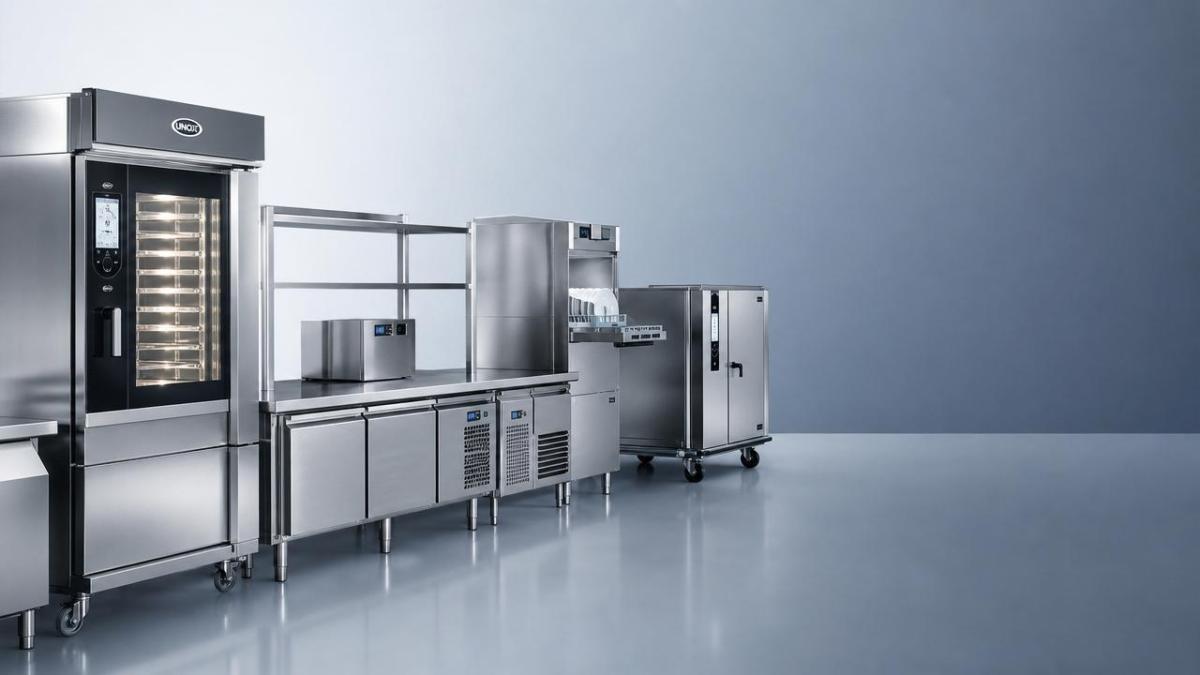
Hotel kitchens operate on tighter timing and broader service complexity than many standalone restaurants. Breakfast can peak within 2 to 3 hours, banquet production may require hundreds of covers in a short window, and room service needs steady performance late into the night. That is why restaurant supplies for hotels must be chosen according to usage intensity, workflow integration, and cleaning practicality rather than purchase price alone.
Operational compatibility matters more than catalog variety
A hotel may use similar equipment categories as a restaurant, but the procurement logic is different. A combi oven, refrigerated prep table, dishwasher, or food holding cabinet has to match the expected meal volume, kitchen layout, and service style. For example, a property serving 250 to 400 breakfast covers per day needs different holding capacity and dishwashing throughput than a boutique hotel serving 80 covers with a smaller back-of-house team.
Procurement teams should verify at least 6 compatibility points before approval: power supply, gas type, water inlet and drainage, ventilation requirement, installation footprint, and operator skill level. Missing just 1 of these points can delay commissioning by 7 to 14 days and increase site modification costs.
Food safety and cleaning efficiency are non-negotiable
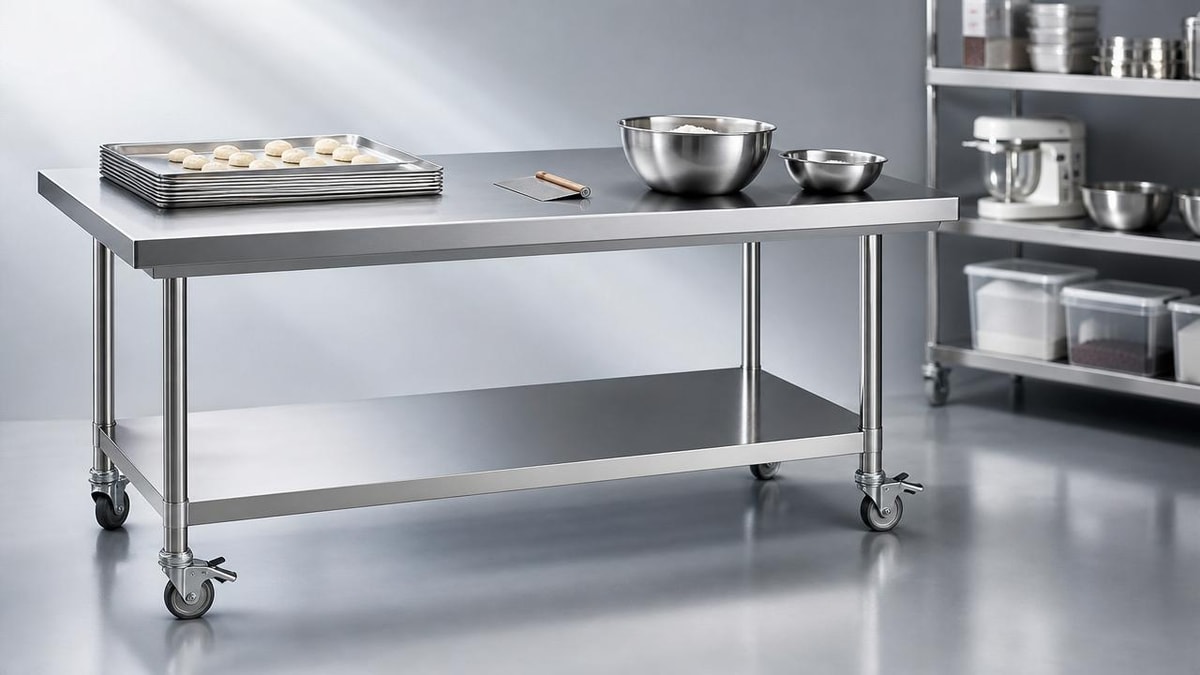
In hospitality operations, food safety risks often come from daily routines rather than major failures. Restaurant supplies for hotels should therefore support fast cleaning, clear zoning, and stable temperature control. Stainless steel worktables with smooth welds, color-coded cutting tools, cold storage with easy-to-read digital displays, and dishwashing systems capable of maintaining rinse temperatures within standard operational ranges are practical examples of procurement decisions that reduce risk.
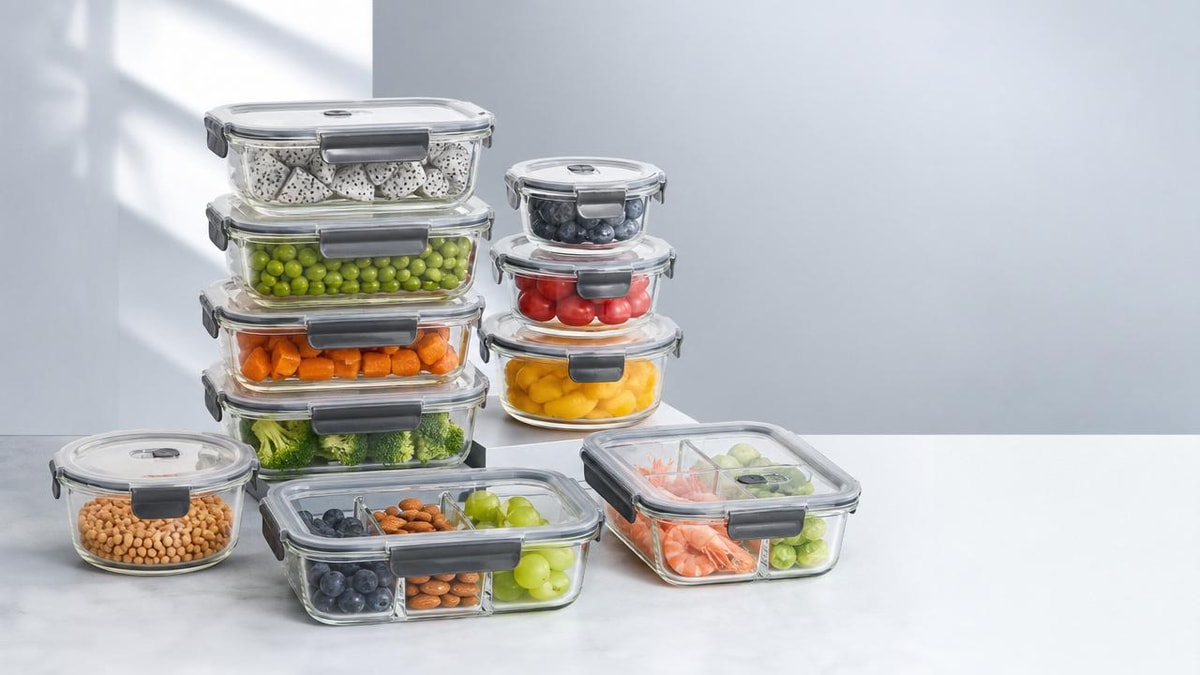
Even small tools matter. Poor-quality tongs, storage containers, thermometers, ladles, or shelving systems can create replacement cycles of 3 to 6 months, while durable alternatives may remain serviceable for 12 to 24 months under the same workload. For procurement, that difference directly affects total cost of ownership.
Key buying questions for purchasing teams
- How many meal periods will the equipment support per day: 1, 2, or 3?
- What is the expected peak volume per hour for cooking, holding, or washing?
- Can the item be cleaned in under 10 to 15 minutes between service windows?
- Does the product help reduce manual handling, cross-contact, or temperature loss?
- Are spare parts and consumables available locally within 24 to 72 hours?
The table below shows how procurement priorities change by hotel service area. This helps buyers avoid the common mistake of using one specification standard for all outlets.
The key takeaway is that restaurant supplies for hotels should be mapped to service function, not just item category. A supply list built this way usually improves usability, reduces duplicate purchases, and makes staff training easier across shifts and outlets.
How procurement teams should evaluate product quality, cost, and supplier risk
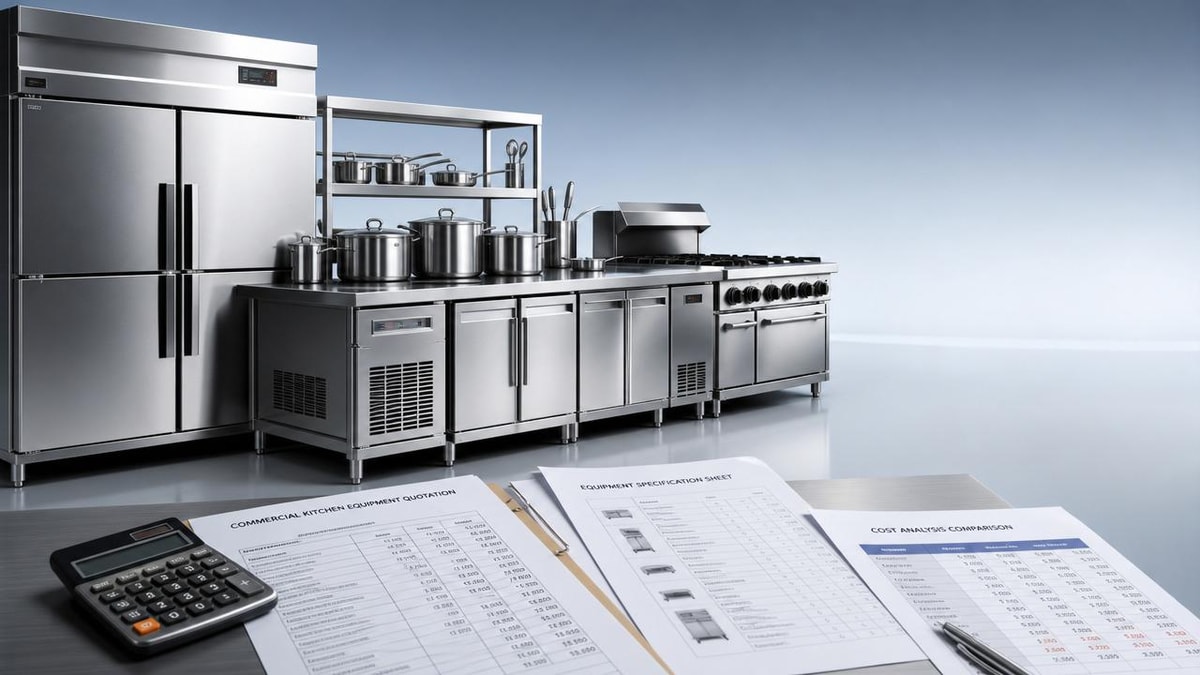
A low quote can become an expensive choice if the equipment consumes excess energy, fails during peak service, or requires frequent replacement parts. For procurement professionals, the better approach is to compare restaurant supplies for hotels across lifecycle cost over 12, 24, and 60 months rather than focusing only on initial spend.
Use a total cost framework
Total cost includes 5 basic components: purchase price, freight and installation, utilities consumption, maintenance, and replacement frequency. For example, an energy-efficient warewashing machine may carry a higher upfront price but lower water and power use over daily cycles of 80 to 150 racks. In high-volume properties, that difference becomes operationally meaningful within 12 to 18 months.
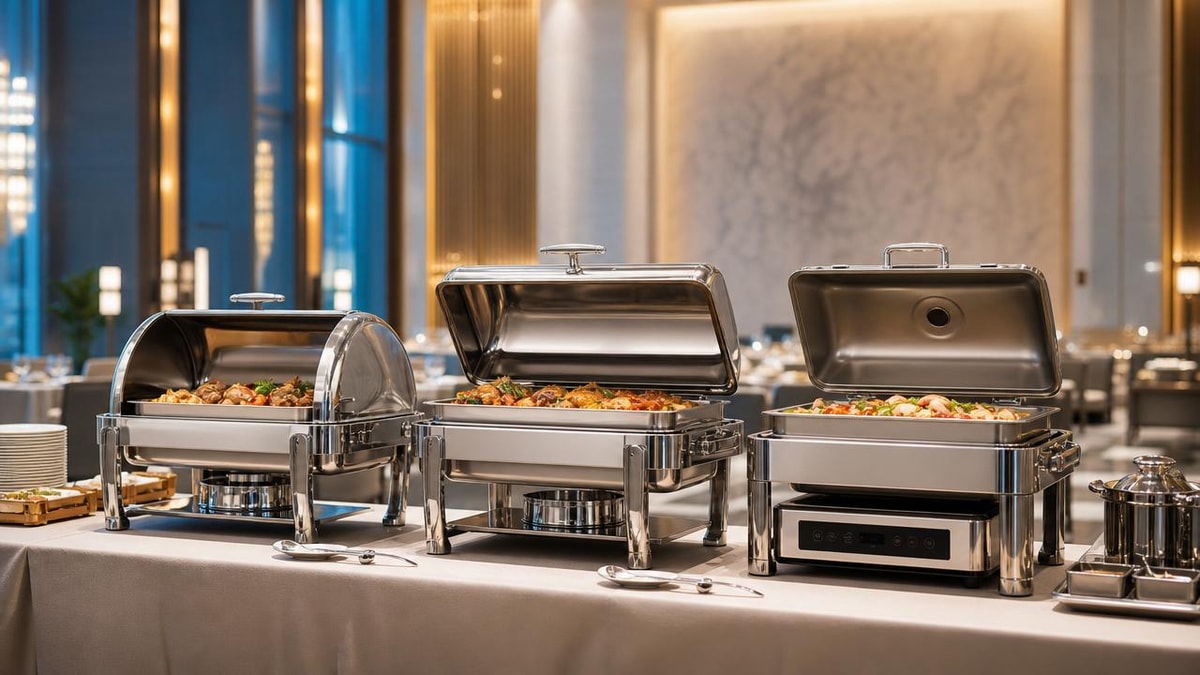
The same logic applies to refrigeration, induction cooking, and hot holding units. Equipment that stabilizes temperature faster or reduces idle energy use can help kitchens lower waste, improve consistency, and reduce pressure on engineering teams.
Check supplier readiness before signing
In global kitchen equipment sourcing, supplier capability matters as much as product specification. Countries such as China, Germany, Italy, and Japan are major production centers, but procurement teams still need to assess lead times, export handling, spare parts policy, documentation quality, and after-sales response. A supplier with a 25-day production cycle but weak parts support may be less practical than one with a 35-day cycle and local service coverage.
For most hotel projects, buyers should request 4 sets of information in advance: technical sheets, utility requirements, packaging details, and recommended spare parts lists. For larger projects, it is also wise to ask for preventive maintenance guidance for the first 6 to 12 months of operation.
Common supplier risk indicators
- Incomplete installation drawings or missing utility details.
- Unclear warranty scope for wear parts, controllers, or heating elements.
- No defined response time for technical support, such as 24, 48, or 72 hours.
- Unstable packaging standards for export shipments and cross-border delivery.
- No spare parts stocking plan for the first year after project handover.
The comparison table below can be used during bid evaluation to score restaurant supplies for hotels in a more structured way.
This kind of matrix helps procurement teams defend buying decisions internally. It also supports better alignment among purchasing, operations, engineering, and finance, especially in hotel projects where one missed technical requirement can affect multiple departments.
Why smart and energy-efficient supplies are becoming a procurement priority
The kitchen equipment industry is moving toward automation, intelligence, and lower energy consumption. For hotels, this trend is especially relevant because foodservice operations run across long service windows and often face labor variability. Smart restaurant supplies for hotels can improve control, consistency, and reporting without making workflows more complex.
Where smart equipment creates value
The most useful smart features are practical ones: programmable cooking cycles, digital temperature logs, preventive maintenance alerts, and centralized monitoring for refrigeration or holding equipment. These functions can reduce manual checks, support HACCP-style documentation routines, and help managers identify equipment drift before service quality is affected.
For example, if cold storage temperatures are reviewed automatically every 15 to 30 minutes, supervisors can respond faster than with purely manual checks done 2 or 3 times per day. In a hotel with several kitchens or storage zones, this visibility can support both compliance and waste reduction.
Energy efficiency is now an operational KPI
Procurement should not treat energy use as an engineering issue alone. Ovens, refrigeration, ventilation-related equipment, and dishwashers are among the categories where efficient selection can have a lasting effect. Even modest reductions in standby use, heat loss, or wash-cycle consumption can matter when equipment operates 10 to 18 hours per day.
This is particularly important in mixed-use hospitality environments where kitchen loads fluctuate sharply between breakfast, lunch, events, and late-night service. Equipment with flexible output settings and faster recovery times can reduce overcapacity while maintaining service standards.
Smart procurement checklist
- Prioritize functions that reduce labor steps by 1 to 3 actions per task.
- Confirm whether usage data can be exported or reviewed by management.
- Check if control panels are intuitive for multilingual or rotating staff teams.
- Review whether sensors, probes, or digital boards are easy to replace.
- Balance innovation with maintainability; avoid features that local teams cannot support.
The goal is not to buy the most advanced product on the market. The goal is to choose restaurant supplies for hotels that improve consistency, reduce avoidable labor, and fit the actual technical maturity of the property.
Implementation, maintenance, and common procurement mistakes
Even well-selected supplies can underperform if rollout is rushed. In hotel projects, implementation should be treated as a 5-step process: needs confirmation, technical review, sample or specification approval, delivery and installation coordination, and post-installation training. Skipping any step raises the risk of mismatch, delay, or operator error.
Plan for commissioning and training
Commissioning should verify utilities, operating temperatures, cleaning procedures, and handover documentation. For major kitchen equipment, a basic operator session of 1 to 2 hours per team is often more valuable than a long manual that staff never read. Procurement teams should ensure training covers startup, shutdown, routine cleaning, and the first-level troubleshooting actions operators can take safely.
Avoid these frequent buying mistakes
One common error is overbuying capacity for image reasons rather than operational need. Another is underestimating replacement frequency for smallwares and consumables. A third is choosing incompatible products across outlets, which creates spare parts complexity and inconsistent staff practices. Standardizing 60% to 80% of routine-use items across similar hotel kitchens usually improves stocking efficiency and training speed.
Practical maintenance planning points
- Set daily, weekly, and monthly cleaning responsibilities.
- Keep a minimum stock of fast-moving wear parts for critical equipment.
- Review actual breakdown records every quarter, not only at contract renewal.
- Replace damaged food-contact tools immediately instead of extending unsafe use.
- Coordinate procurement and engineering reviews at least 2 times per year.
For procurement professionals, the most reliable results come from disciplined specification, realistic service planning, and supplier partnerships that extend beyond delivery. In a market shaped by automation, global sourcing, and growing efficiency demands, the best restaurant supplies for hotels are those that support daily performance with the least operational friction.
If you are evaluating hotel kitchen equipment, smallwares, or integrated supply solutions, now is the right time to review your standards against current service demands, energy goals, and maintenance realities. Contact us to discuss your procurement priorities, request a tailored product list, or learn more about practical solutions for reliable and scalable hotel foodservice operations.
Popular Tags
Kitchen Industry Research Team
Dedicated to analyzing emerging trends and technological shifts in the global hospitality and foodservice infrastructure sector.
Industry Insights
Join 15,000+ industry professionals. Get the latest market trends and tech news delivered weekly.
No spam. Unsubscribe anytime.
Contact With us
Contact:
Anne Yin (Ceramics Dinnerware/Glassware)
Lucky Zhai(Flatware)