
How to compare restaurant supplies distributors fairly
Choosing a restaurant supplies distributor should go beyond price alone. For procurement and evaluation teams, a fair comparison means reviewing product quality, delivery reliability, after-sales support, compliance standards, and long-term cost efficiency. This guide explains how to assess each restaurant supplies distributor with clear criteria, helping businesses make informed decisions that support operational stability, food safety, and sustainable growth.
Why is it difficult to compare a restaurant supplies distributor fairly?
A fair evaluation is challenging because suppliers rarely compete on one variable only. One restaurant supplies distributor may offer lower unit prices but longer lead times, while another may charge more yet reduce stockouts, service interruptions, and replacement costs. For business evaluation teams, this means a surface comparison can produce a misleading result if the review ignores operational realities.
The kitchen equipment and restaurant supply market is also broad. It covers commercial cooking equipment, food preparation machinery, refrigeration, storage systems, tableware, utensils, sanitation products, and replacement parts. Some distributors specialize in standard consumables, while others provide integrated sourcing across heavy equipment, smart kitchen tools, and energy-efficient systems. Comparing them fairly requires aligning the evaluation with the actual use case: a single-site restaurant, a hotel kitchen, a central kitchen, or a food processing operation will not value the same things equally.
Another reason comparison becomes difficult is that hidden costs often appear later. Freight surcharges, inconsistent product quality, weak packaging, delayed delivery, poor technical support, and unclear warranty policies can erase any savings from a lower quote. A capable restaurant supplies distributor should therefore be judged not only by what it sells, but by how reliably it supports ongoing business performance.
What should evaluation teams compare first before reviewing price?
Before pricing discussions begin, procurement teams should define a consistent comparison framework. This prevents emotional decisions, brand bias, or internal disagreement later in the process. The first step is to identify the categories being sourced and separate them by business impact.
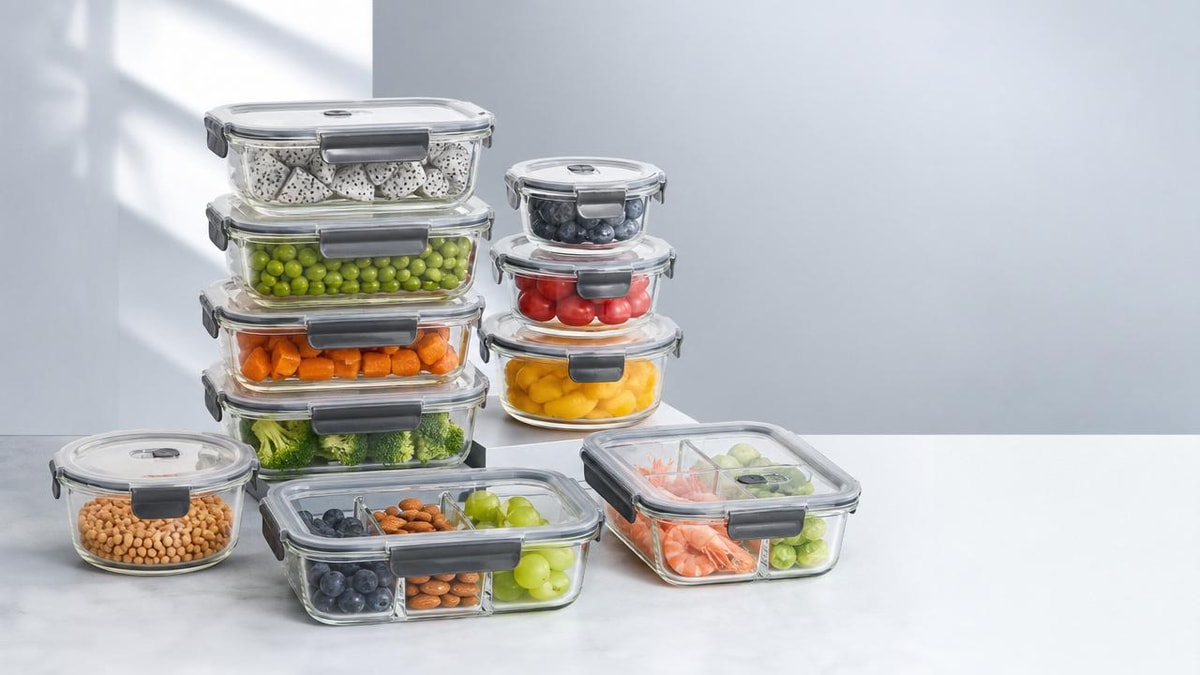
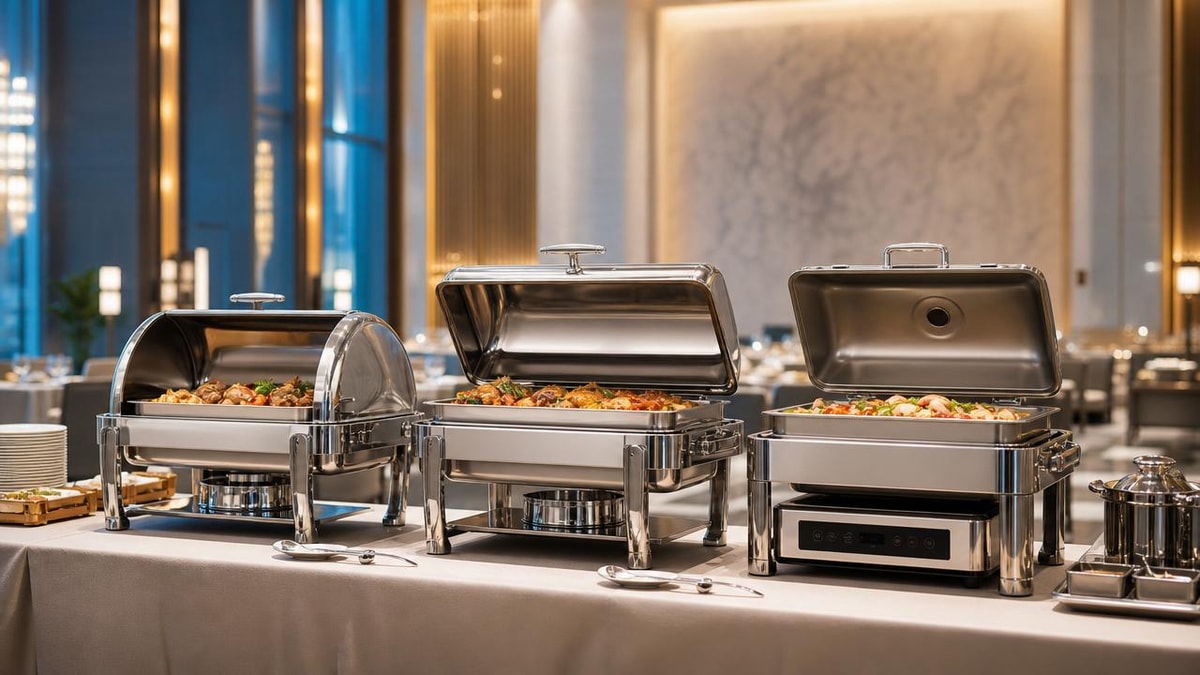
For example, low-risk items such as basic utensils or storage containers may be compared mainly on availability, cost, and replenishment speed. In contrast, higher-risk items such as ovens, mixers, refrigeration systems, or automated food processing equipment require closer review of installation support, compliance documentation, spare parts access, and service response.
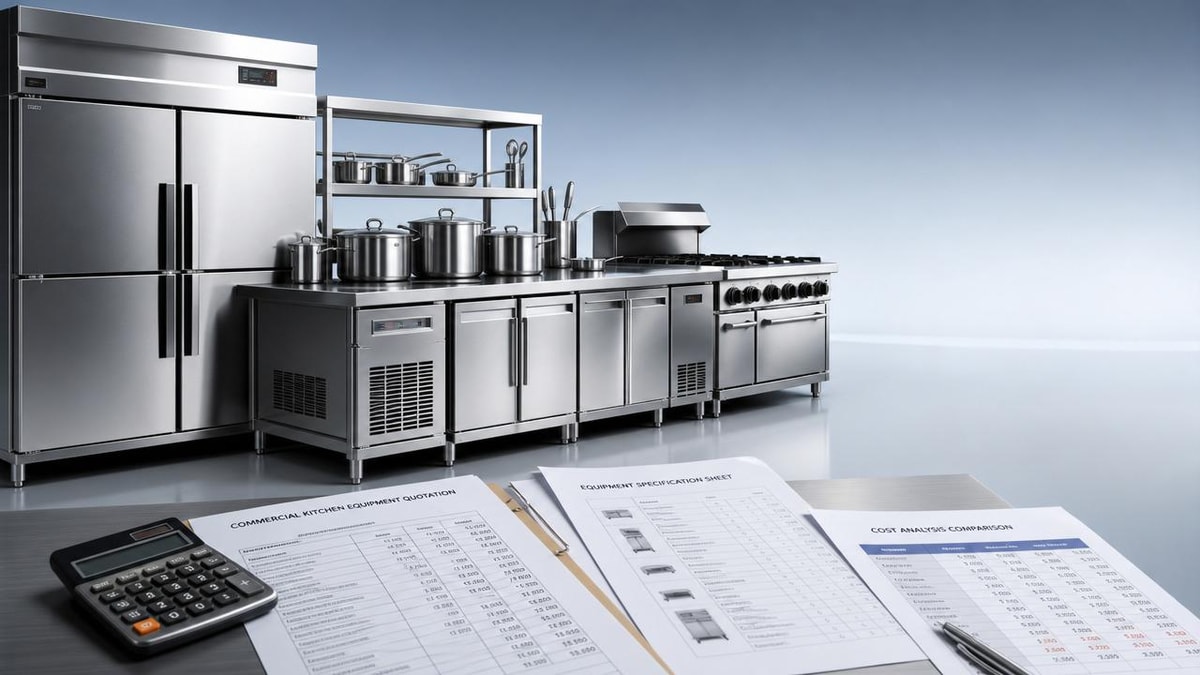
Evaluation teams should also normalize the supplier data. Ask each restaurant supplies distributor to quote on the same specifications, quantities, delivery terms, payment conditions, warranty scope, and service assumptions. If one quote includes freight, training, or installation while another does not, the comparison is not yet valid.
When these factors are set in advance, a restaurant supplies distributor can be reviewed against the same business criteria rather than against vague impressions.

How can you judge product quality and compliance without relying on marketing claims?
Marketing materials often highlight durability, innovation, and efficiency, but evaluation teams need evidence. Start by requesting technical documentation, product specifications, test reports, material details, and relevant certifications. For kitchen equipment and food-contact items, compliance is not optional. It affects food safety, legal exposure, insurance requirements, and customer trust.
A professional restaurant supplies distributor should be able to explain where products are manufactured, how consistency is maintained, and which quality assurance procedures apply. In many cases, the distributor is not the manufacturer, so it is important to know whether it has direct control over supplier qualification, inspection, and issue escalation. If the distributor cannot clearly answer these questions, the procurement risk increases.
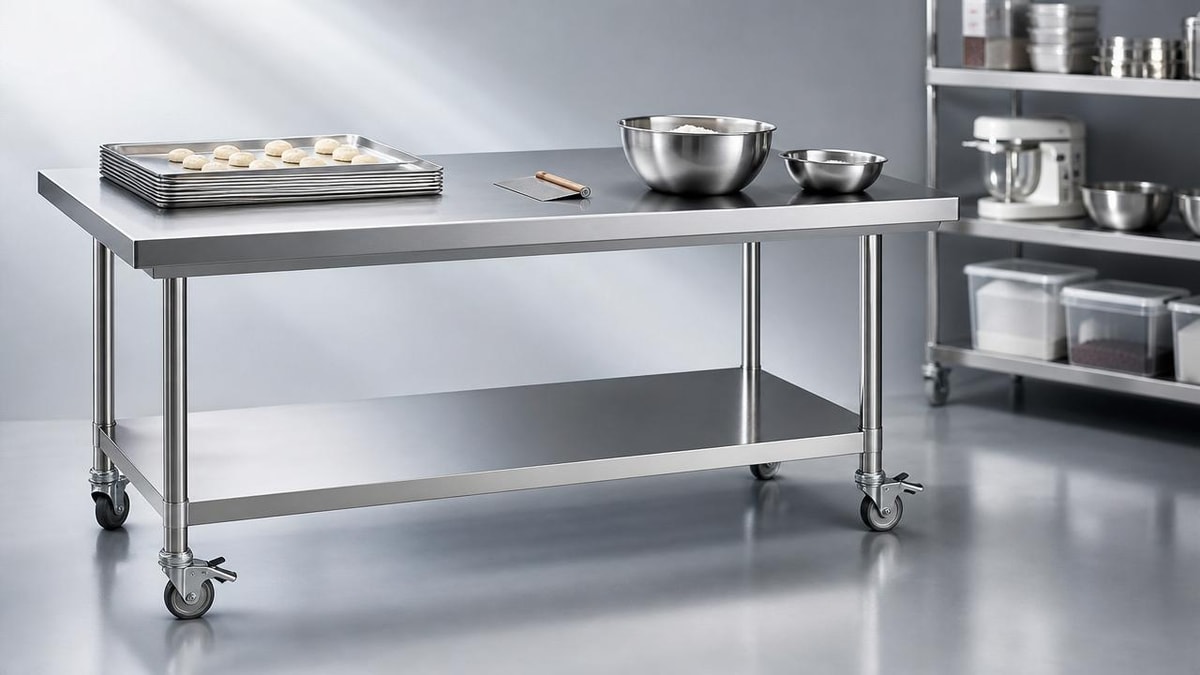
Samples are also valuable, especially for stainless steel items, small appliances, cookware, utensils, packaging, and high-volume consumables. A sample review should not focus only on appearance. It should test finish quality, ease of cleaning, assembly strength, packaging protection, and suitability for real kitchen workflow. In commercial environments, products fail not because they look poor, but because they perform poorly under repeated use, heat, moisture, and cleaning cycles.
For higher-value equipment, ask for reference installations, maintenance records, or customer case examples from similar foodservice operations. This gives a better picture of actual field performance than brochure language ever can.
What delivery and service questions reveal whether a restaurant supplies distributor is dependable?
Delivery performance is one of the clearest indicators of distributor quality because restaurants and hospitality businesses depend on timing. A delayed opening, missing replacement part, or incomplete order can directly affect revenue. That is why service reliability should be reviewed as carefully as product range.
Ask each restaurant supplies distributor practical questions such as: What is the average lead time by product category? What percentage of orders ship complete and on time? How are urgent requests handled? What inventory is kept locally, and what must be sourced from overseas? If an item arrives damaged or incorrect, how quickly can it be replaced?
For equipment purchases, after-sales support becomes even more important. Evaluation teams should verify whether the distributor offers installation guidance, operator training, troubleshooting assistance, and access to spare parts. A distributor selling advanced or energy-efficient kitchen systems should also be able to support the transition from legacy equipment to newer, more automated solutions.
Good service is measurable. Rather than accepting general promises, request service level commitments in writing. Even if the agreement is not highly formal, documented expectations make future performance easier to assess and reduce disputes.
How should procurement teams compare cost beyond the quoted price?
Price matters, but total cost matters more. A lower quote from one restaurant supplies distributor may appear attractive until hidden expenses start accumulating. Fair cost comparison should include freight, taxes, installation, maintenance, energy consumption, replacement frequency, cleaning needs, training time, downtime risk, and disposal or upgrade cost where relevant.
For example, energy-efficient kitchen equipment may cost more upfront but reduce utility expenses over several years. Durable tools and appliances may carry a higher purchase price but need fewer replacements. Stronger packaging and better logistics may lower breakage and claims. These factors are especially relevant in modern foodservice operations where efficiency, labor constraints, and sustainability goals influence purchasing decisions.
Payment terms should also be included in the comparison. A restaurant supplies distributor offering flexible credit terms, stable contract pricing, or bundled purchasing across categories may provide real financial value even without the lowest unit price. This is particularly useful for expanding restaurant groups, hotel operators, and businesses standardizing multiple kitchen locations.
A useful method is to score cost under separate headings: initial purchase cost, operating cost, risk cost, and support cost. This creates a more balanced business case and helps internal stakeholders understand why the cheapest option is not always the most economical one.
What common mistakes make distributor comparisons unfair or incomplete?
One common mistake is comparing unlike products. If one quote uses heavier gauge stainless steel, better insulation, or stronger motors, it should not be treated as equal to a lower-grade alternative. Fair comparison requires technical equivalence first.
Another mistake is overlooking the distributor’s fit for the business model. A restaurant supplies distributor that serves large chains very well may not respond effectively to small, urgent orders from an independent restaurant. Likewise, a supplier focused on basic restaurant essentials may not be the best partner for intelligent kitchen systems, food processing machinery, or integrated equipment sourcing.
Teams also make errors when they rely only on sales presentations and skip operational feedback. The people who receive, install, clean, use, and maintain the products often notice risks that procurement alone may miss. Involving kitchen managers, maintenance personnel, and finance reviewers usually improves decision quality.
Finally, many organizations fail to review supplier resilience. In a global trade environment, a restaurant supplies distributor should be able to explain sourcing diversity, backup options, and risk response plans. This matters more when importing equipment from major manufacturing regions or when supply chains are vulnerable to shipping delays and cost fluctuations.
What does a practical supplier scorecard look like for a restaurant supplies distributor?
A scorecard helps business evaluation teams turn qualitative impressions into a repeatable process. The best scorecards are simple enough to use consistently but detailed enough to capture risk. Weightings can be adjusted depending on whether the focus is consumables, replacement parts, or major kitchen equipment.
This kind of framework allows a restaurant supplies distributor to be assessed with less bias and better cross-functional agreement. It is especially useful when multiple stakeholders are involved in approving purchases.
How can you make the final decision with confidence?
The final decision should connect supplier capability with business priorities. If your operation depends on rapid replenishment, supply continuity should weigh heavily. If you are investing in automation, smart kitchen systems, or energy-efficient equipment, technical support and lifecycle value may matter more than short-term price. If food safety and audit readiness are central concerns, compliance discipline should be non-negotiable.
In many cases, the best strategy is not to choose one supplier for everything. Businesses often use a primary restaurant supplies distributor for core categories and a secondary specialist for technical equipment or urgent backup needs. This approach reduces dependence while preserving commercial leverage.
Before awarding the business, confirm the details that most often cause later problems: exact product specifications, packaging standards, shipment terms, lead times, service contacts, escalation procedures, warranty coverage, and replacement timelines. If possible, begin with a pilot order or a limited contract phase. Real performance during that period will usually reveal more than a long proposal document.
If you need to move from comparison to supplier discussion, prioritize questions about category coverage, compliance evidence, stock availability, customization options, maintenance support, delivery commitments, and total cost structure. These conversations will help determine whether a restaurant supplies distributor is simply offering products or is genuinely capable of supporting long-term operational success.
Popular Tags
Kitchen Industry Research Team
Dedicated to analyzing emerging trends and technological shifts in the global hospitality and foodservice infrastructure sector.
Industry Insights
Join 15,000+ industry professionals. Get the latest market trends and tech news delivered weekly.
No spam. Unsubscribe anytime.
Contact With us
Contact:
Anne Yin (Ceramics Dinnerware/Glassware)
Lucky Zhai(Flatware)