
Restaurant Kitchen Cleaning Habits That Cause Repeat Grease Buildup
Many commercial restaurant kitchen teams struggle with repeat grease buildup not because they clean too little, but because key restaurant kitchen cleaning habits are ineffective. From poor restaurant kitchen organization to overlooked restaurant kitchen hood, sink, and counter maintenance, small mistakes can quickly become costly sanitation and equipment issues. Understanding these daily problems is the first step toward a cleaner, safer, and more efficient kitchen.
Why does grease keep coming back in commercial kitchens?
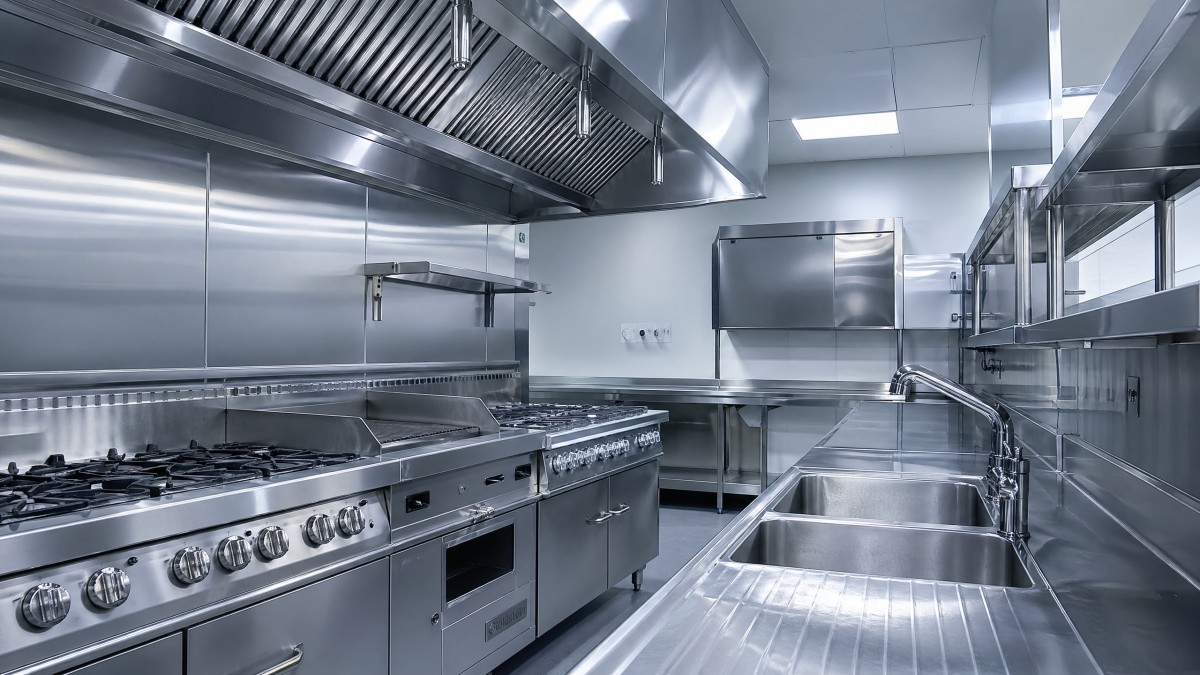
Repeat grease buildup usually comes from process gaps rather than a lack of effort. In many restaurant kitchens, teams wipe visible soil at the end of a shift, but they do not remove the grease film that forms on hot equipment, splash zones, hood filters, prep counters, and drain edges. Once that film stays in place for 24–72 hours, it traps dust, flour, carbon, and moisture, creating a heavier layer that becomes harder to remove during the next cleaning cycle.
This is a major operational issue for information researchers, operators, buyers, and business decision-makers because grease affects sanitation, labor time, airflow efficiency, and equipment life at the same time. A poorly maintained restaurant kitchen hood can reduce capture performance, while neglected sink corners and counter joints can become persistent contamination points. The result is not only visible dirt, but also slower workflows, more rework, and higher chemical use.
In the broader kitchen equipment industry, cleaning performance now matters as much as cooking capacity or energy efficiency. Restaurants, hotels, central kitchens, and food processing facilities increasingly evaluate whether a surface, filter design, or automated cleaning function can reduce manual work over a 7-day, 30-day, and quarterly maintenance cycle. That is why restaurant kitchen cleaning habits should be reviewed as part of equipment planning, not only as a housekeeping issue.
The most common pattern is simple: daily cleaning focuses on exposed areas, while hidden grease collection points are left behind. Over time, the team feels it is cleaning every day, yet grease still returns. This disconnect usually comes from 3 root causes: incomplete disassembly, wrong chemical-contact time, and poor restaurant kitchen organization that mixes cooking, washing, and storage tasks in the same congested zones.
The hidden accumulation points most teams underestimate
Operators often pay attention to large visible equipment but miss smaller surfaces where grease reforms quickly. These areas include fryer side panels, undershelves near ranges, control knobs, backsplash seams, caster wheels, hood filter frames, and the underside of prep counters. In a high-volume line operating 8–14 hours per day, these neglected points can collect residue much faster than open wall surfaces.
- Hot-line zones: ranges, griddles, fryers, salamanders, and nearby walls collect aerosolized oil during peak service periods.
- Wash areas: sink rims, faucet bases, and drain boards often combine grease with detergent residue and food particles.
- Ventilation points: hood filters, plenum entrances, and fan-adjacent surfaces can build layered grease if cleaned on the wrong interval.
- Storage-transition areas: handles, shelving edges, and utility carts become transfer points when staff move between prep and cooking tasks.
Which restaurant kitchen cleaning habits usually cause repeat grease buildup?
Not all bad habits look serious at first. Some of the most costly issues come from routines that seem efficient but actually spread grease from one surface to another. For example, using the same cloth on prep counters, line equipment, and splash guards can leave a thin oily film across multiple workstations within one shift. When this happens every day, even a kitchen with disciplined closing procedures can still experience repeat grease buildup.
Another frequent mistake is cleaning too late. Grease removal is easier when surfaces are warm but not dangerously hot. If staff wait until residue cools and hardens for 4–6 hours, chemical action slows down and scrubbing time increases. On stainless steel surfaces, this often leads to streaking, incomplete cleaning, and premature wear from overly aggressive pads or tools.
A third problem is poor sequence control. Many teams sweep, degrease, rinse, and sanitize in the wrong order. If dry soil is not removed before chemical application, grease and particles form slurry that smears into corners, joints, and lower panels. That makes restaurant kitchen counter maintenance and restaurant kitchen sink maintenance feel repetitive because the same residue keeps reappearing after every shift.
The following comparison helps buyers and managers identify whether the issue is labor discipline, equipment design, or cleaning method. This is especially useful when reviewing commercial kitchen equipment upgrades, automated cleaning features, or revised SOPs for multi-site operations.
The table shows why grease control is not just about frequency. It is about matching the right method, timing, and zone responsibility to each task. In many kitchens, one improved routine can reduce repeat re-cleaning within 2–4 weeks, especially when combined with better-access equipment and a clearer station-by-station checklist.
Four habits that deserve immediate correction
1. Treating hood cleaning as a monthly task only
Restaurant kitchen hood maintenance should be divided into daily, weekly, and periodic tasks. In high-grease cooking environments, filters may need attention several times per week, not just once per month. Waiting for visible saturation usually means grease has already moved into adjacent surfaces.
2. Ignoring sink and drain board grease transfer
Restaurant kitchen sink areas often look clean because they are wet, but grease can stay active around faucet bases, side lips, and drying racks. Once mixed with soap and food residue, it creates a dull film that is difficult to detect without touch inspection.
3. Overcrowding equipment and blocking cleaning access
Poor restaurant kitchen organization often leaves less than practical cleaning access around side panels, rear gaps, and mobile equipment. If staff cannot reach a surface in under 30–60 seconds, it is likely to be skipped during a busy close.
4. Using equipment that was not selected for washdown realities
Some equipment performs well in cooking output but is harder to clean because of exposed fasteners, sharp ledges, complex frames, or poor grease management. For buyers, this is a reminder that cleanability should be a procurement criterion alongside power rating, capacity, and energy use.
How should operators and managers redesign a grease-control routine?
A better system starts with zone-based cleaning, not general closing cleanup. Divide the kitchen into at least 4 control areas: hot line, prep surfaces, wash station, and ventilation path. Each zone should have its own tools, chemical instructions, and verification points. This reduces cross-transfer and makes it easier for supervisors to see where repeat grease buildup actually begins.
The next step is to set cleaning intervals by grease load rather than by habit. A fryer battery area running lunch and dinner service may need wipe-downs every shift, filter handling 2–3 times per week, and deep detail cleaning every 7–15 days. A cold prep zone may need less degreasing but more handle and touch-point control. Matching schedule to exposure level is more effective than applying one rule to the entire kitchen.
Operators also need standard sequencing. A practical order is: cool down safely, remove loose debris, apply approved degreaser, allow proper dwell time, agitate, rinse or wipe, inspect by touch and sight, then sanitize where required. This 7-step process prevents the common error of sanitizing over grease, which wastes chemicals without actually cleaning the surface.
For business decision-makers, the cleaning routine should connect with equipment strategy. Newer commercial kitchen equipment with removable parts, rounded corners, easier-access filters, and smart maintenance reminders can reduce labor intensity over time. In a labor-constrained operation, that can matter just as much as raw cooking output.
A practical inspection checklist for daily and weekly control
Before changing chemicals or replacing equipment, many kitchens benefit from a short inspection checklist. This approach helps buyers and site managers decide whether the problem is procedural or structural. It also gives procurement teams better information before requesting quotations for upgraded hoods, stainless worktables, or automated cleaning-compatible appliances.
- Check 5 touch points every shift: equipment handles, prep counter edges, sink rims, hood filter frames, and splash wall joints.
- Review 3 access gaps weekly: behind mobile units, beneath undershelves, and at wall-equipment transitions.
- Confirm chemical dwell time on the label and train staff not to wipe too early or let product dry out.
- Inspect whether towels, pads, and brushes are separated by zone to avoid grease transfer across prep and wash areas.
What should buyers look for when selecting kitchen equipment that supports easier cleaning?
Procurement teams often focus on capacity, energy consumption, and price, but restaurant kitchen cleaning performance should also be a buying factor. In busy restaurants, hotels, and central kitchens, the difference between hard-to-clean equipment and cleanability-focused equipment becomes visible within the first 30–90 days of operation. If grease repeatedly accumulates around frames, seams, and access panels, labor costs rise even if the purchase price was lower.
From an industry perspective, smart kitchen technologies and integrated kitchen systems increasingly support maintenance control. Some equipment categories now include removable grease components, smoother weld transitions, easier service access, and digital maintenance reminders. These features do not eliminate manual cleaning, but they can shorten cleaning time and improve consistency across shifts.
For information researchers and enterprise decision-makers, equipment selection should align with kitchen type. A quick-service line, hotel banquet kitchen, and food processing prep area do not face the same grease profile. The right choice depends on cooking method, operating hours, cleaning manpower, and compliance expectations. In practical terms, there are at least 5 core buying dimensions to compare before final approval.
The table below can be used during RFQ review, internal procurement meetings, or supplier comparison. It converts cleaning pain points into selection criteria that are easier to evaluate across multiple commercial kitchen equipment options.
A structured comparison like this helps separate low upfront cost from lower operating burden. In many B2B kitchen projects, buyers find that easier cleaning, lower downtime, and simpler inspections justify selecting equipment with better maintenance design, especially in operations that run 2 shifts per day or 6–7 days per week.
Procurement questions worth asking suppliers
Ask about cleanability, not just cooking output
Request details on removable components, cleaning-access clearances, and recommended maintenance frequency. This gives a more realistic picture of long-term operating demands than capacity figures alone.
Ask how the equipment fits compliance and inspection needs
For many commercial kitchens, stainless construction, food-contact surface suitability, and practical cleanability are reviewed alongside local ventilation, fire-safety, and hygiene requirements. General alignment with recognized foodservice and sanitation practices should be confirmed early.
Ask about delivery, installation, and operator training
Typical commercial projects may involve a 2–6 week lead time for standard units and longer for custom layouts. Clarifying installation sequencing and cleaning training support helps avoid poor startup habits that later cause recurring grease issues.
FAQ: common questions about repeat grease buildup and cleaning decisions
The questions below reflect common concerns from restaurant operators, purchasing teams, and managers planning kitchen upgrades. They are useful when comparing current cleaning routines with alternative equipment, revised SOPs, or broader kitchen modernization plans.
How often should a restaurant kitchen hood and its filters be checked?
The correct interval depends on cooking volume and grease output. In heavy frying or charbroiling operations, visual checks may be needed daily, with filter cleaning several times per week. Lower-grease operations may use a weekly routine. The key is not to rely only on visible dirt; airflow reduction and grease spread around adjacent surfaces are early warning signs.
Is repeat grease buildup mainly a staff issue or an equipment issue?
Usually it is both. Poor habits can cause fast buildup even with good equipment, while hard-to-clean equipment can defeat a disciplined team. A useful rule is to first review 3 items: cleaning sequence, zone tools, and access to hidden surfaces. If the problem remains, the equipment or layout may be contributing.
What are the biggest mistakes during restaurant kitchen counter maintenance?
The biggest mistakes are wiping grease across the full counter instead of removing it, ignoring edges and undersides, and sanitizing before the surface is fully degreased. These errors are common in prep areas where counters look clean under bright lights but still feel tacky by touch inspection.
When should a business consider replacing equipment instead of only improving cleaning?
Replacement becomes more reasonable when equipment repeatedly creates inaccessible grease traps, causes excessive labor, or no longer fits the production layout. If teams must spend extra cleaning time every shift, if removable parts are limited, or if ventilation integration is poor, a redesign or upgrade may offer better long-term value.
Why choose us for kitchen equipment planning and grease-control improvement?
In today’s kitchen equipment market, the best solution is rarely just a single machine. Restaurants, hotels, food processing sites, and central kitchens need equipment choices that support sanitation, efficiency, automation trends, and long-term maintenance control. That means evaluating not only output and energy use, but also how equipment, ventilation, workflow, and cleaning routines work together in real operating conditions.
We support buyers and decision-makers with practical discussions around commercial kitchen equipment selection, cleanability-focused layout planning, ventilation coordination, and maintenance-friendly configuration choices. If your team is dealing with recurring grease issues, we can help compare options for hood-related components, worktables, wash-area equipment, line appliances, and integrated kitchen solutions based on usage intensity, shift patterns, and cleaning access requirements.
You can contact us to discuss 6 key areas: parameter confirmation, product selection, lead time planning, custom configuration, compliance considerations, and sample or quotation support. This is especially useful if you are reviewing a new restaurant project, upgrading an existing kitchen, or comparing suppliers from major manufacturing markets such as China, Germany, Italy, or Japan.
If you want a more efficient path forward, send your kitchen layout, target capacity, cooking style, and current cleaning pain points. We can help you narrow down suitable solutions, identify possible grease-trap design risks before purchase, and create a more practical shortlist for procurement and implementation.
Popular Tags
Kitchen Industry Research Team
Dedicated to analyzing emerging trends and technological shifts in the global hospitality and foodservice infrastructure sector.
Industry Insights
Join 15,000+ industry professionals. Get the latest market trends and tech news delivered weekly.
No spam. Unsubscribe anytime.
Contact With us
Contact:
Anne Yin (Ceramics Dinnerware/Glassware)
Lucky Zhai(Flatware)