
Professional Catering Equipment for High Volume Service
Professional catering equipment is not just about buying bigger machines. For high volume service, the right setup determines whether a kitchen can maintain speed, food safety, consistency, labor efficiency, and cost control under pressure. Restaurants, hotels, central kitchens, and food processors all face the same core question: which equipment combination will reliably support peak demand without creating bottlenecks, waste, or maintenance problems? This guide explains how to evaluate professional catering equipment in practical terms, from workflow and output capacity to supplier selection and long-term return on investment.
What matters most in professional catering equipment for high volume service?
For most buyers and operators, the priority is not simply having more equipment. The real goal is to build a kitchen system that can handle sustained production with predictable results. In high volume environments, equipment must support four essentials: throughput, consistency, hygiene, and uptime.
Throughput matters because service peaks can quickly expose weak points in preparation, cooking, holding, washing, or storage. Consistency matters because every delay, uneven cook cycle, or temperature deviation affects customer satisfaction and operational control. Hygiene is critical because high volume service increases food handling frequency and contamination risk. Uptime is equally important because equipment failure during peak hours can lead to immediate revenue loss.
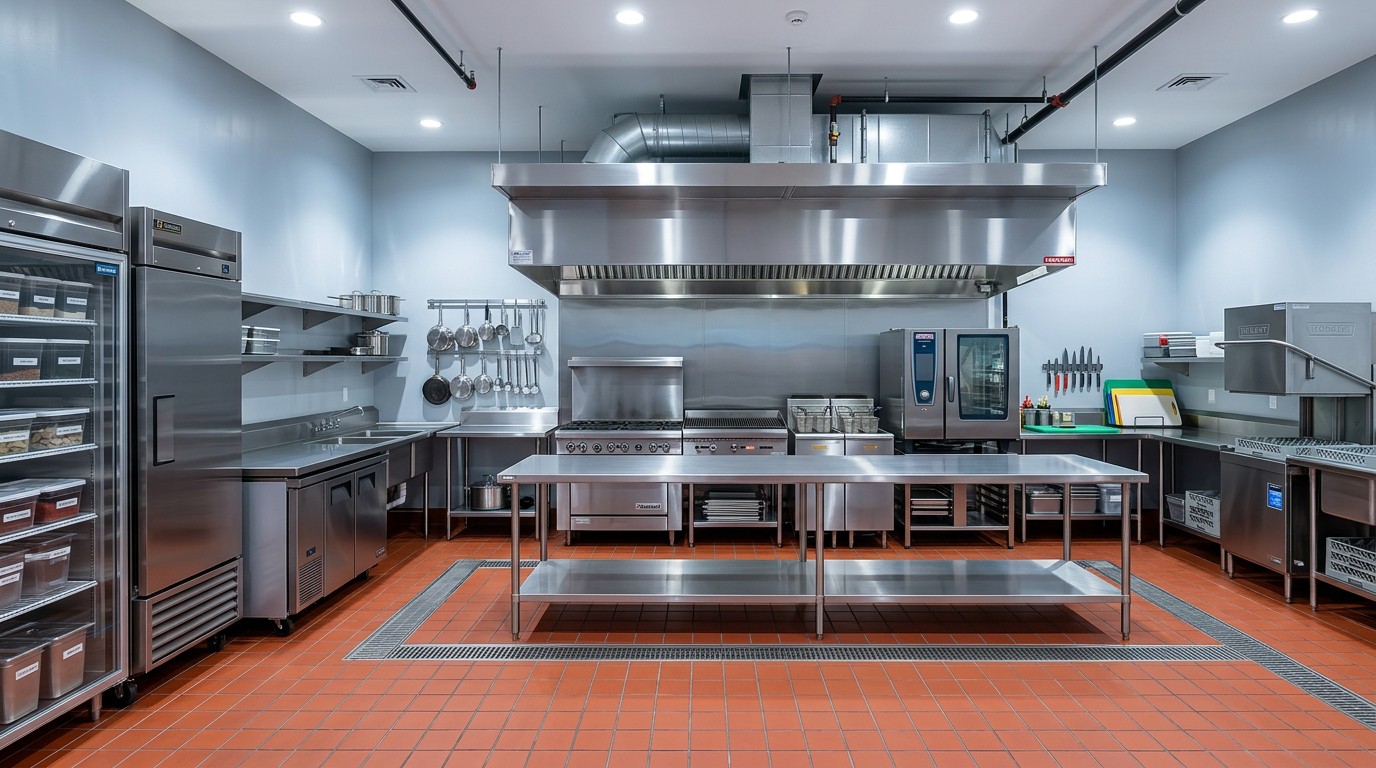
This is why professional catering equipment should be assessed as part of an integrated operation rather than as isolated products. Ovens, refrigeration, prep stations, food holding systems, dishwashing units, and ventilation should work together to support a smooth production flow.
Which types of commercial kitchen equipment are essential for high output operations?
The exact mix depends on the service model, menu complexity, and production volume, but several categories are consistently important in high capacity kitchens.
Cooking equipment: Combi ovens, conveyor ovens, high-capacity ranges, fryers, griddles, braising pans, steamers, and tilt skillets are common choices when speed and repeatability are required. Many operations prefer programmable systems that reduce operator variation.
Refrigeration and cold storage: Reach-in refrigerators, undercounter refrigeration, blast chillers, walk-in cold rooms, and refrigerated prep tables help maintain ingredient safety and reduce spoilage. For high volume service, stable temperature recovery and storage organization are often more important than headline capacity alone.
Food preparation equipment: Vegetable cutters, mixers, slicers, meat processing machines, food processors, and portioning systems support labor efficiency and consistency. Industrial food equipment in this category can reduce preparation time significantly in central kitchens and food production environments.
Holding and serving equipment: Heated cabinets, hot holding stations, buffet systems, meal delivery carts, and pass-through warming equipment are essential when kitchen output must stay synchronized with service timing.
Cleaning and sanitation systems: Commercial dishwashers, utensil washers, hygiene stations, and waste handling systems directly affect turnaround speed, labor use, and food safety compliance.
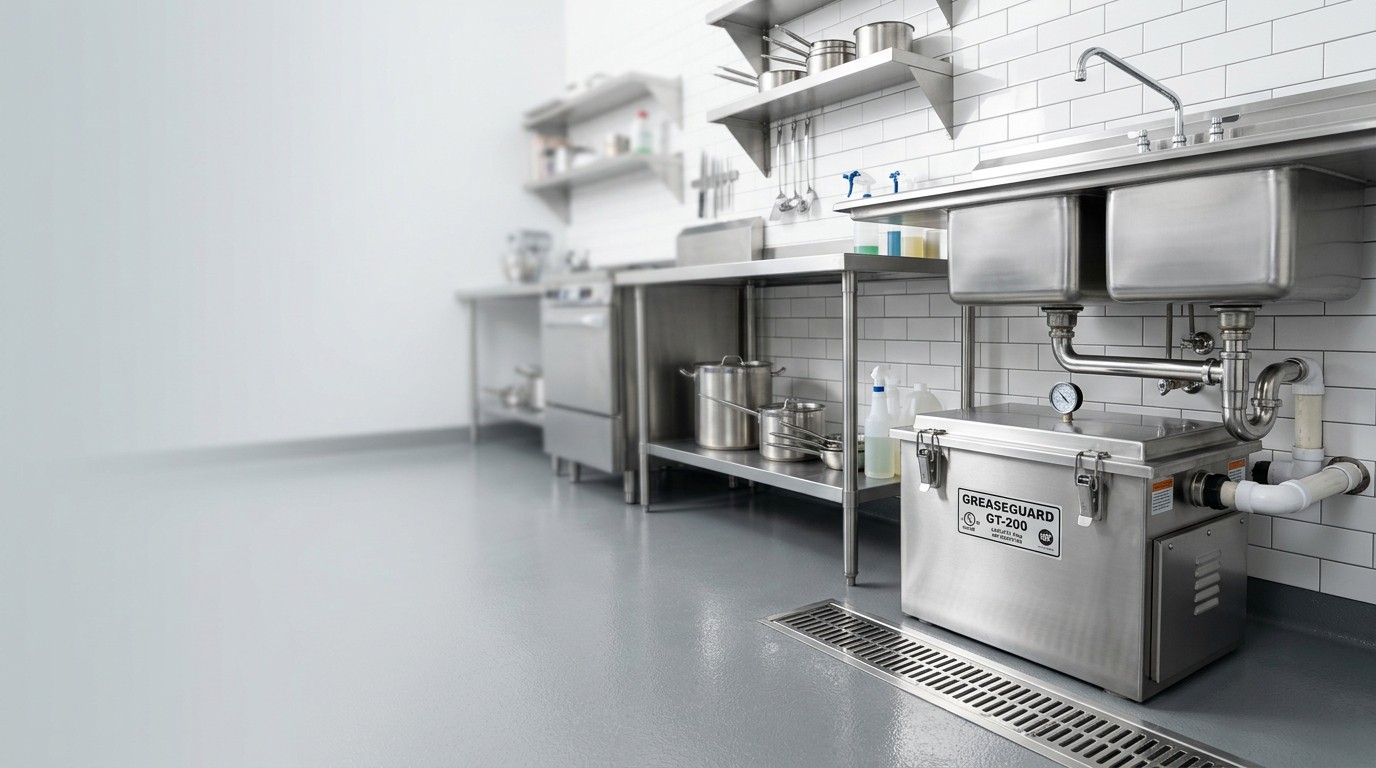
Worktables and support systems: Stainless steel fabrication, storage shelving, extraction hoods, grease management, and transport trolleys may seem secondary, but they often determine how efficiently staff can move in a busy kitchen.
How do you choose equipment based on workflow instead of product catalogs?
One of the most common purchasing mistakes is selecting equipment by specification sheet alone. A machine may look powerful on paper but still fail in real service conditions if it does not fit the production sequence.
Start by mapping the full workflow from receiving and storage to prep, cooking, holding, plating, delivery, and cleaning. Then identify bottlenecks. In many high volume kitchens, delays happen not at the main cooking line but at prep, cold storage access, tray assembly, or dish return.
Useful planning questions include:
- How many meals or covers must be produced per hour at peak?
- Which menu items create the heaviest equipment load?
- Where do staff currently wait, cross paths, or repeat movement?
- Is the operation batch cooking, cook-to-order, or hybrid?
- How much flexibility is needed for menu changes or seasonal demand?
For example, hotel kitchen equipment often needs to support banqueting, breakfast service, room service, and restaurant operations in parallel. In that case, modular equipment and multi-function cooking systems may provide better value than single-purpose units. A food processor or central kitchen may instead prioritize automated food handling, high-capacity chilling, and packaging efficiency.
What performance indicators should buyers compare before making a purchase?
Procurement teams and decision-makers should look beyond price and compare equipment using operational performance indicators that reflect real use.
- Hourly output: How much product can the unit process, cook, wash, chill, or hold during peak demand?
- Recovery time: How quickly does equipment return to target temperature after loading or door opening?
- Energy and water consumption: Lower utility use can substantially reduce lifecycle costs.
- Footprint efficiency: Can the equipment deliver required output without consuming excessive floor space?
- Ease of cleaning: Faster cleaning supports hygiene and reduces labor time.
- Automation and controls: Programmable settings can improve consistency and reduce training demands.
- Maintenance needs: Accessible service points and reliable spare parts availability matter in continuous-use environments.
- Compliance: Equipment should align with local safety, sanitation, and electrical standards.
In practical terms, the best restaurant equipment suppliers and catering equipment suppliers are often those that can explain how a machine performs in a specific service model, not just provide a brochure.
How do smart and energy-efficient systems improve high volume kitchen operations?
The shift toward smart kitchen technologies is especially relevant in large-scale operations because small efficiency gains become meaningful when multiplied across long service hours and multiple sites.
Modern professional catering equipment may include digital temperature monitoring, automated cooking programs, diagnostics, remote alerts, production tracking, and energy optimization features. These functions help operators reduce errors, improve food safety records, and make better use of labor.
Energy-efficient kitchen solutions also have direct business value. High-efficiency burners, insulated cooking chambers, low-water dishwashing systems, inverter refrigeration, and heat recovery technologies can reduce operating costs over time. For procurement managers and business owners, this means total cost of ownership is often more important than initial purchase price.
Smart systems are most valuable when they solve actual operational pain points. If staff turnover is high, programmable equipment can support training consistency. If multiple branches need standardized output, connected systems can help maintain recipe and process control. If utility costs are rising, energy-efficient equipment may deliver a faster payback than expected.
What are the biggest purchasing risks in high volume catering equipment projects?
High volume kitchens usually make expensive mistakes for predictable reasons. Understanding these risks can save both capital and operational disruption.
Buying for maximum capacity instead of realistic demand: Oversized equipment increases energy use, takes up space, and may not improve throughput if the real bottleneck is elsewhere.
Ignoring service support: Equipment reliability is only part of the equation. If the supplier cannot provide timely maintenance, spare parts, and technical support, downtime risk increases.
Underestimating installation requirements: Power load, gas supply, drainage, water treatment, ventilation, and floor layout must all be considered early.
Choosing incompatible systems: Separate pieces of equipment may work individually but create workflow gaps when combined.
Focusing only on purchase price: Low upfront cost can lead to higher maintenance, shorter lifespan, inconsistent performance, and greater labor demand.
Failing to involve operators: Users and kitchen managers often identify practical issues that procurement teams may miss, such as cleaning difficulty, control complexity, or loading ergonomics.
How should buyers evaluate catering equipment suppliers and restaurant equipment suppliers?
Supplier selection is often as important as equipment selection. A strong supplier does more than sell machines. They help define requirements, recommend suitable configurations, coordinate installation, and support long-term operation.
When comparing catering equipment suppliers or restaurant equipment suppliers, buyers should evaluate:
- Experience with similar project types and production scales
- Ability to provide layout planning and workflow advice
- Product range across cooking, refrigeration, prep, and sanitation
- Customization capability for hotel, restaurant, or food processing environments
- Availability of spare parts and after-sales service
- Training support for operators and maintenance teams
- Warranty terms and expected response times
- Knowledge of local compliance and installation standards
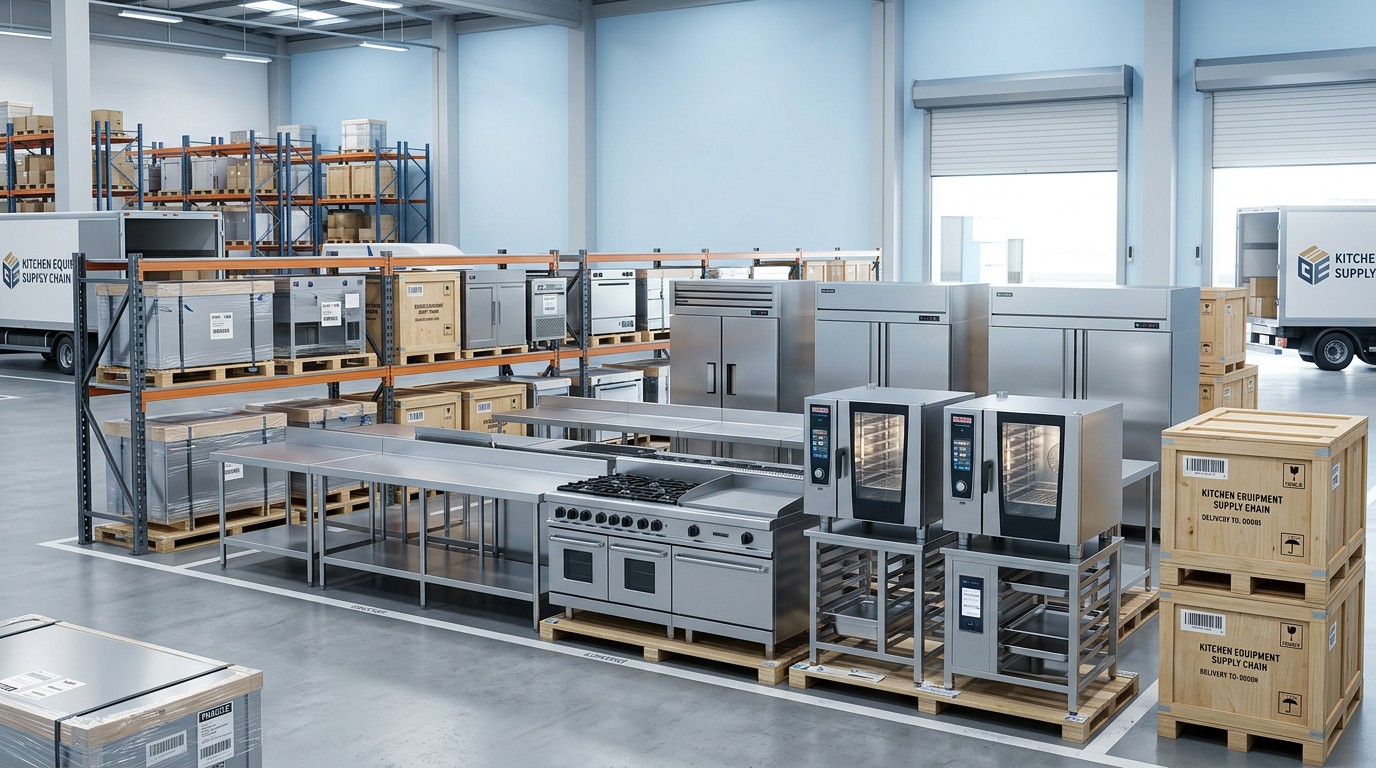
For international sourcing, buyers should also assess manufacturing quality control, export experience, certification documentation, and shipping reliability. Because the kitchen equipment industry is increasingly global, many businesses compare suppliers from major production centers such as China, Germany, Italy, and Japan. The right choice depends on quality expectations, budget, lead time, technical support, and application needs.
What does a good return on investment look like in professional kitchen equipment?
Return on investment in professional catering equipment is not limited to direct labor savings. In high volume service, ROI often comes from a combination of measurable improvements.
- Faster output during peak hours
- Reduced food waste through better temperature control and portion consistency
- Lower utility consumption
- Fewer product defects or customer complaints
- Reduced downtime and emergency repairs
- Simplified staff training
- Safer and more compliant food handling
- Capacity to scale without major redesign
For business decision-makers, the strongest equipment investments are usually those that remove operational constraints. If one new combi oven, blast chiller, or automated prep system allows the kitchen to handle more orders with the same staffing level, the financial case may be stronger than for a lower-cost machine with weaker performance.
It is also important to consider strategic value. Equipment that supports menu expansion, standardized multi-site operations, or future automation can create long-term advantages beyond immediate cost savings.
How can different types of operations match equipment choices to their real needs?
Not all high volume service environments should buy the same solutions.
Restaurants: Often need speed, compact footprint, flexibility, and consistency across changing menus. Multi-function cooking equipment and efficient prep systems are usually high priorities.
Hotels: Require equipment that can support multiple service formats, including buffet, banquet, à la carte, and room service. Hotel kitchen equipment often needs a balance of versatility and peak-event capacity.
Central kitchens: Usually prioritize batch production, chilling, storage, transport readiness, and food safety traceability. Automation can offer significant value here.
Food processing companies: Depend more heavily on industrial food equipment, continuous production systems, hygiene design, and process standardization.
Institutional catering: Schools, hospitals, and corporate canteens often focus on reliability, compliance, menu repetition, and service timing.
Matching equipment to service reality is more effective than following generic trends. The best-performing kitchen is the one designed around demand pattern, staffing model, menu structure, and operating constraints.
Conclusion
Professional catering equipment for high volume service should be selected with a clear operational purpose: to improve capacity, consistency, hygiene, and cost efficiency without adding unnecessary complexity. For operators, the right equipment makes daily work faster and more reliable. For procurement teams, it reduces lifecycle risk and supports better value. For business leaders, it strengthens productivity, scalability, and service quality.
Whether you are sourcing commercial kitchen equipment, industrial food equipment, or specialized hotel kitchen equipment, the smartest approach is to evaluate equipment through workflow, output requirements, support capability, and total cost of ownership. When these factors align, professional kitchen systems become more than tools; they become a competitive advantage for high volume foodservice operations.
- commercial kitchen equipment
- restaurant equipment
- smart kitchen
- catering equipment
- cooking equipment
- central kitchen
- kitchen solutions
- Griddle
- Vegetable Cutter
- Slicer
- Mixer
- Food Processor
- Commercial Dishwasher
- kitchen equipment
- professional kitchen equipment
- restaurant equipment suppliers
- catering equipment suppliers
- professional catering equipment
- hotel kitchen equipment
- industrial food equipment
Popular Tags
Kitchen Industry Research Team
Dedicated to analyzing emerging trends and technological shifts in the global hospitality and foodservice infrastructure sector.
Industry Insights
Join 15,000+ industry professionals. Get the latest market trends and tech news delivered weekly.
No spam. Unsubscribe anytime.
Contact With us
Contact:
Anne Yin (Ceramics Dinnerware/Glassware)
Lucky Zhai(Flatware)