
Home kitchen design mistakes that waste daily prep time
A thoughtful kitchen design for home can save minutes on every meal, while poor layouts quietly drain time and energy. By learning from workflow principles used in commercial restaurant supplies planning, smart kitchen design, and energy efficient kitchen design, homeowners can avoid common mistakes that slow prep, increase clutter, and reduce daily comfort. This guide explores the design flaws that matter most and how to fix them.
For researchers, kitchen users, buyers, and decision-makers, the issue is not only aesthetics. A residential kitchen that wastes 3 to 8 minutes per meal can easily lose 2 to 4 hours every month in repeated walking, searching, and repositioning. The same workflow logic used in commercial kitchen equipment planning can be scaled to home environments, especially when the goal is higher efficiency, safer food handling, and better use of appliances, storage, and energy.
In today’s market, the line between household and professional kitchen thinking is thinner than before. Smart kitchen design, modular storage, compact prep zones, and energy-efficient kitchen solutions are influencing both premium home renovations and practical upgrades for family kitchens. The most costly design mistakes are often small on paper but repeated dozens of times each day.
Why Workflow Failures Matter More Than Style Choices
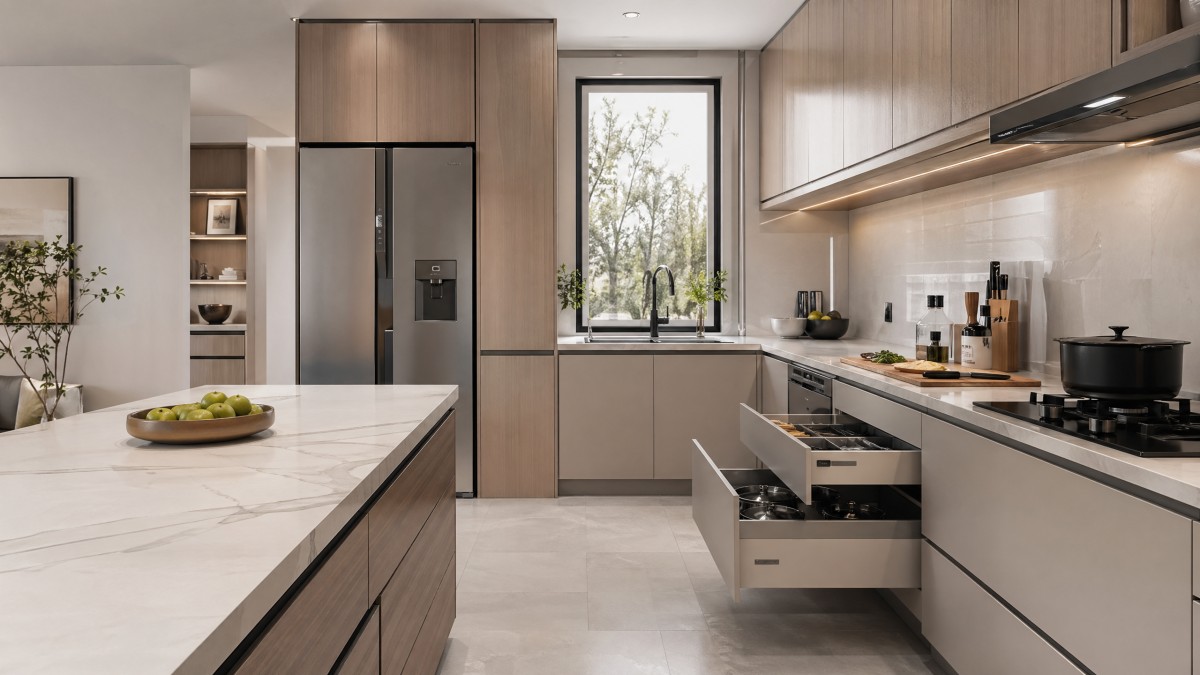
Many homeowners focus first on cabinet color, countertop finish, or decorative lighting, yet the biggest losses usually come from workflow. In kitchen equipment planning, an efficient sequence follows storage, washing, prep, cooking, and serving. When these 5 stages are not arranged logically, users take extra steps, cross paths with open doors, and interrupt tasks that should flow in 1 direction.
A common example is placing the refrigerator too far from the sink or prep counter. If ingredients move 2 to 3 meters from cold storage to washing and then another 2 meters back to the prep zone, the user repeats unnecessary travel several times in one meal. In a busy family kitchen used 3 times a day, that distance can add up quickly over a week.
Commercial restaurant supplies planning often uses compact work triangles or zone-based layouts to reduce motion. In residential use, the exact triangle is less important than reach, sequence, and frequency. Frequently used tools should stay within 1 arm’s reach, while less-used appliances can move to secondary storage. This simple rule often saves more time than buying a more expensive appliance.
Poor workflow also affects safety. When knives, hot pans, and wet produce pass through the same narrow corridor, collision risk increases. A walkway narrower than about 90 cm can feel cramped for 1 user, while 100 to 120 cm is usually more comfortable for everyday home prep. For 2 active users, circulation often works better closer to 120 to 140 cm, depending on door swings and appliance placement.
The most repeated daily inefficiencies
- Walking back and forth between refrigerator, sink, and cooktop more than 4 to 6 times during one meal prep cycle.
- Opening the dishwasher or oven blocks a main path, forcing users to stop and reposition.
- Cutting boards, knives, spices, and oil are stored in 4 separate locations instead of one prep cluster.
- Trash and recycling are too far from the prep area, adding extra motions for peelings, packaging, and cleanup.
These issues matter for more than convenience. For buyers and project planners comparing kitchen equipment and layout options, productivity gains are easier to justify when they reduce repetitive labor. Even in household kitchens, time efficiency supports better appliance utilization, less clutter, and more predictable cleaning routines.
Layout Mistakes That Quietly Waste Prep Time
The most common kitchen design mistakes are rarely dramatic. They are usually the result of underestimating small gaps, poor sequence planning, and overemphasis on appearance. In practical terms, a kitchen can look premium and still perform poorly if prep space is fragmented or traffic routes overlap with work zones.
One major issue is insufficient landing space. A refrigerator, oven, microwave, or sink should each have nearby surface area for temporary placement. Without at least 30 to 45 cm of usable counter beside key equipment, users end up carrying heavy containers farther than necessary. That slows prep and increases the chance of spills or hot-item handling errors.
Another frequent mistake is placing tall storage near the main prep zone. Deep pantry cabinets can hold more volume, but they often slow access if daily items are mixed with occasional-use stock. A better approach is tiered storage: high-frequency items within 60 to 150 cm from floor level, medium-frequency tools above or below that range, and bulk reserve items in less convenient zones.
Island design also causes hidden inefficiency. Islands that are too large create long walking loops, while islands that are too small become clutter points. In many homes, a prep-focused island works best when it supports one main task: cutting, staging, or serving. Trying to make one island handle washing, cooking, dining, homework, and appliance storage often produces congestion instead of flexibility.
Common layout mistakes and their operational impact
The table below shows how typical residential design choices affect daily prep efficiency, using planning logic similar to commercial kitchen equipment workflow assessment.
The main takeaway is that layout errors are not random. They follow clear patterns and can be corrected through measurement, task mapping, and equipment positioning. For procurement teams or renovation decision-makers, this makes kitchen upgrades easier to prioritize because the return is visible in time, comfort, and cleaner workflows.
A practical 4-step review before renovation
- Track one week of meal prep and note every repeated step, delay, and search action.
- Measure key distances between refrigerator, sink, prep counter, cooktop, and waste bin.
- List the 10 to 15 tools and ingredients used most often and map where they are stored.
- Test door openings and aisle widths with two people moving at the same time.
This process is simple, low-cost, and useful for both full remodels and partial equipment replacement projects.
Storage, Appliances, and Smart Kitchen Design Decisions
Storage problems are a major reason home kitchens feel slow even when the layout is acceptable. When cabinets are oversized but poorly organized, users spend more time searching than preparing. The best storage design follows frequency of use, package size, and task sequence. This principle is common in food processing and restaurant appliance planning, where every second of reach time matters.
Drawers often outperform lower cabinets for prep efficiency because contents are visible from above. Full-extension drawers reduce bending and improve retrieval, especially for pots, mixing bowls, and packaged ingredients. In many kitchens, replacing just 2 to 4 lower cabinets with well-zoned drawers can significantly improve speed without changing the full layout.
Appliance overload is another issue. Many homes keep 6 to 10 countertop devices visible, but only 2 or 3 are used daily. This reduces working surface, complicates cleaning, and creates cable clutter. Smart kitchen design does not mean adding more devices. It means matching appliance count, placement, and power access to real usage patterns.
A practical planning rule is to divide equipment into three tiers: daily-use, weekly-use, and occasional-use. Daily-use appliances such as kettles, coffee machines, or rice cookers should stay in highly accessible zones with nearby outlets. Weekly-use items can move to appliance garages or secondary counters. Seasonal or specialty machines should not occupy prime prep space all year.
Storage and appliance zoning guide
The following table can help users and buyers plan a more efficient kitchen storage system while aligning with modern kitchen equipment selection logic.
This zoning model supports both household usability and procurement logic. It also helps clarify whether the right solution is a new appliance, better cabinet hardware, or a storage redesign. In many cases, workflow improves more from reassignment than from additional equipment spending.
Key smart kitchen design checks
- Provide enough outlets for daily-use appliances without relying on extension cables.
- Reserve at least one uninterrupted prep surface, often 80 to 120 cm long, for cutting and staging.
- Use lighting levels and switch locations that support early morning and evening work safely.
- Choose storage inserts that fit actual tool sizes instead of generic compartment systems.
For B2B-oriented suppliers serving both residential and light commercial segments, these details also shape stronger product recommendations. Buyers increasingly expect integrated thinking, not just standalone kitchen electrical appliances.
Energy Efficient Kitchen Design Without Sacrificing Speed
Energy-efficient kitchen design is often misunderstood as a purely technical upgrade. In practice, layout and equipment behavior are closely linked. A kitchen that forces longer appliance runtime, repeated refrigerator opening, or unnecessary reheating wastes both time and electricity. Efficiency improves when workflow reduces handling time and equipment placement supports normal user habits.
Ventilation is one example. If the hood is undersized, poorly positioned, or difficult to use, steam and grease spread through the room and increase post-cooking cleanup. Better capture performance does not always require the most powerful unit, but it does require matching hood size to cooktop use and mounting it at a practical height according to product guidance.
Cold storage placement also matters. A refrigerator placed next to a heat source such as an oven or direct sunlight may work harder throughout the day. Even modest thermal stress can affect efficiency over time. Separating heat-generating and cooling appliances where space allows is a basic but valuable planning measure in both household and commercial kitchen equipment layouts.
Water use is another hidden factor. Sinks with poor accessory planning create longer wash cycles because users need to reposition dishes, produce, and prep tools. Adding a colander system, pull-out waste, or dedicated drying area may reduce cleanup friction more effectively than replacing the sink itself. Small design interventions can improve both labor efficiency and resource use.
Where energy efficiency and prep efficiency meet
- Shorter ingredient routes mean fewer refrigerator door openings and less cold loss.
- Better prep zoning reduces the need to reheat ingredients or leave appliances idle while searching for tools.
- Clear counter space allows small appliances to operate safely and efficiently with proper ventilation.
- Effective storage lowers food spoilage risk by improving visibility and stock rotation in family kitchens.
For households considering upgrades, it is useful to assess 3 categories together: appliance efficiency, workflow efficiency, and maintenance efficiency. Replacing a functioning appliance may not deliver the same value as changing its position, adding storage support, or improving access to prep surfaces.
Typical improvement priorities
A practical project sequence often starts with layout adjustments, then storage optimization, then appliance replacement if required. This order helps avoid purchasing equipment that later proves oversized, underused, or badly positioned. For procurement and renovation planning, the lowest-risk path is usually phased implementation over 2 to 3 stages rather than a rushed all-at-once upgrade.
How to Evaluate, Upgrade, and Buy More Effectively
Not every home needs a full remodel. Many kitchens can recover daily prep time through targeted upgrades, especially when buyers assess the root cause of inefficiency first. The decision framework should cover layout, storage, appliances, utilities, and usage habits. This approach is familiar in professional kitchen equipment procurement and works equally well for high-use residential kitchens.
A useful evaluation method is to classify issues into low-cost, medium-cost, and structural categories. Low-cost fixes may include drawer inserts, under-cabinet lighting, mobile prep carts, or waste relocation. Medium-cost improvements often involve countertop changes, new cabinet internals, or appliance repositioning. Structural changes include plumbing relocation, ventilation redesign, or wall and island reconstruction.
Lead time also matters. A basic organizational upgrade can often be completed within 7 to 15 days, while cabinet and countertop revisions may take 2 to 6 weeks depending on customization and supply conditions. More extensive kitchen equipment replacement or integrated renovation can extend beyond 6 weeks once electrical, plumbing, and fabrication schedules are involved.
For decision-makers comparing suppliers, it is important to ask for workflow-based recommendations instead of product-only quotations. A strong supplier or consultant should explain why a specific cabinet system, restaurant-style prep surface concept, or smart kitchen design feature will reduce motion, improve cleaning, or support energy-efficient kitchen design in real use.
Procurement and upgrade decision table
The table below helps align kitchen problems with suitable upgrade paths and buying priorities.
This evaluation makes investment decisions more rational. Instead of assuming that a premium appliance package will solve the problem, buyers can match spending to the actual source of wasted daily prep time.
FAQ for planners, users, and buyers
How much prep space does a home kitchen usually need?
A useful target is one clear prep surface around 80 to 120 cm long. Smaller kitchens can still work well if that zone is uninterrupted and located near the sink, cold storage, and waste access. Fragmented surface area often performs worse than a smaller but continuous workspace.
Is a kitchen island always a good investment?
No. If circulation becomes tight or the island sits outside the main workflow path, it can increase walking distance. Islands are most effective when they support 1 or 2 clear functions, such as prep and serving, rather than trying to absorb every kitchen activity.
What should procurement teams or decision-makers ask suppliers?
Ask for zone planning, storage logic, access clearances, maintenance implications, and phased upgrade options. Good recommendations should include measurements, usage assumptions, and a realistic installation timeline, not only product specifications or finish samples.
When is a full remodel necessary?
A full remodel is usually justified when plumbing, ventilation, electrical access, and circulation all create limits at the same time. If only 1 or 2 categories are weak, targeted changes often deliver better value with less disruption.
Home kitchen design mistakes that waste daily prep time are usually fixable once workflow becomes the main design lens. The best results come from combining residential comfort with the practical logic used in commercial restaurant supplies planning, smart kitchen design, and energy-efficient kitchen design. By measuring movement, correcting storage access, and matching equipment to real tasks, homeowners and buyers can gain meaningful efficiency without overbuilding the space.
If you are evaluating kitchen equipment, storage systems, or layout upgrades for residential or mixed-use projects, now is the right time to review your current workflow and identify the highest-impact changes. Contact us to discuss tailored solutions, compare equipment options, and get a more efficient kitchen design plan built around real daily use.
Popular Tags
Kitchen Industry Research Team
Dedicated to analyzing emerging trends and technological shifts in the global hospitality and foodservice infrastructure sector.
Industry Insights
Join 15,000+ industry professionals. Get the latest market trends and tech news delivered weekly.
No spam. Unsubscribe anytime.
Contact With us
Contact:
Anne Yin (Ceramics Dinnerware/Glassware)
Lucky Zhai(Flatware)