
Commercial Refrigerator Market Outlook by Region
As demand for safer, more efficient foodservice operations grows worldwide, the Commercial Refrigerator market is evolving rapidly across key regions. From restaurants and hotels to central kitchens, buyers increasingly seek stainless steel kitchen equipment, kitchen shelving system solutions, and reliable catering kitchen equipment that improve storage, workflow, and energy performance. This regional outlook helps researchers, operators, purchasers, and decision-makers identify major trends, opportunities, and competitive priorities shaping the global market.
How is the commercial refrigerator market changing across major regions?
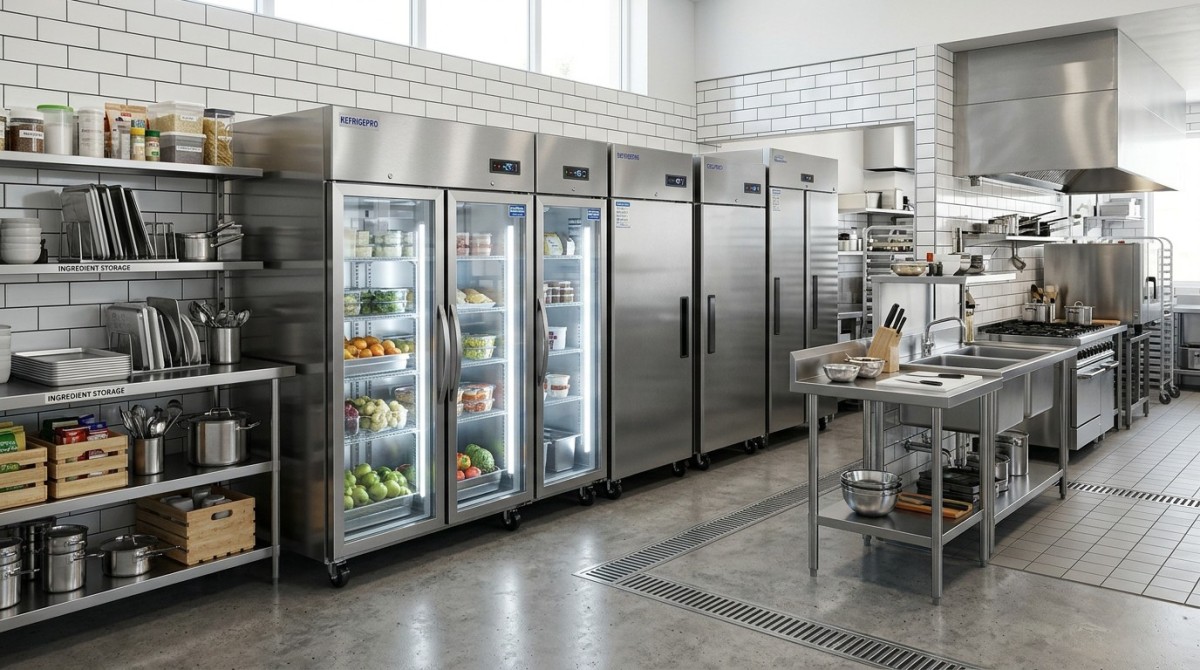
The commercial refrigerator market is shaped by regional differences in foodservice scale, power costs, climate, compliance priorities, and replacement cycles. In North America and Europe, demand often centers on energy-efficient upgrades, digital temperature monitoring, and integration with broader commercial kitchen equipment systems. In Asia-Pacific, the market is driven by rapid expansion of restaurants, cloud kitchens, food retail, and food processing facilities, where buyers often balance performance with budget and delivery speed.
For procurement teams, regional outlook is not only about sales volume. It is also about understanding what end users need on the ground. A hotel kitchen in Western Europe may focus on low-noise operation, refrigerant compliance, and premium stainless steel kitchen equipment finishes. A central kitchen in Southeast Asia may prioritize high-capacity storage, fast pull-down performance, and equipment durability under high ambient temperatures that can exceed 30°C–35°C during peak operating hours.
Latin America, the Middle East, and Africa present strong opportunity where urban foodservice continues to expand, but the buying process is often more sensitive to maintenance support, spare parts availability, and shipping timelines of 4–8 weeks. In these regions, reliable catering kitchen equipment is frequently selected as part of complete project packages that include worktables, kitchen shelving system layouts, and food preparation lines. That makes supplier coordination and system compatibility especially important.
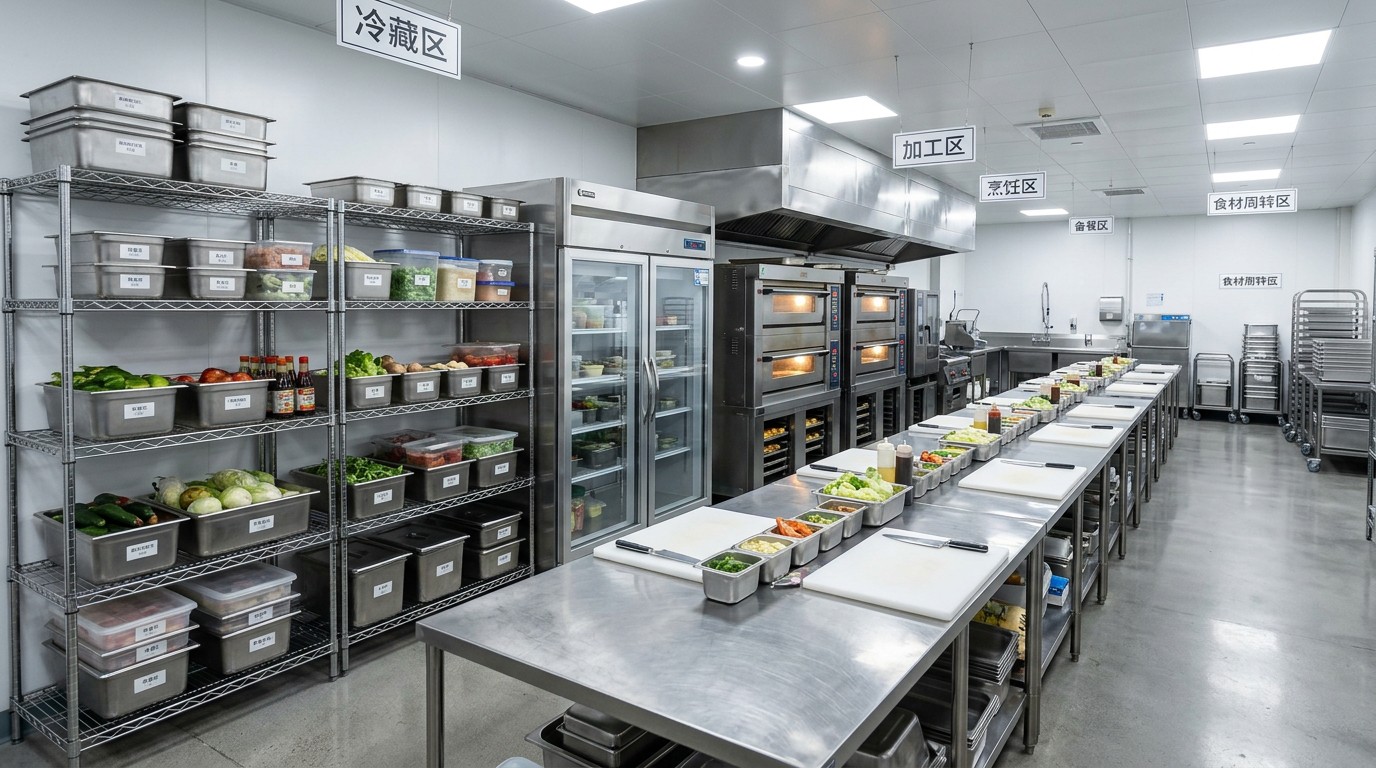
Another key market shift is the move from standalone cooling units to connected kitchen infrastructure. Commercial refrigerators are increasingly evaluated together with kitchen shelving system design, workflow zoning, and cleaning access. For operators, this means the right equipment choice can affect not only food safety but also staff movement, door opening frequency, and daily labor efficiency over 10–14 operating hours.
Regional demand patterns buyers should watch
The following comparison highlights how purchasing priorities for the commercial refrigerator market differ by region. It is especially useful for information researchers and enterprise decision-makers who need a practical view rather than a generic market summary.
This comparison shows why a regional market outlook should inform specification and supplier strategy. The same commercial refrigerator model may perform well in one market but require different insulation levels, voltage configuration, or service planning in another. That is why experienced buyers review not only price, but also operating environment, maintenance access, and project fit.
Which application scenarios drive demand for commercial refrigerators?
The commercial refrigerator market is not uniform because operating conditions vary widely across restaurants, hotels, bakeries, supermarkets, food factories, and institutional kitchens. In a quick-service restaurant, access speed and compact design may matter more than large cold-room volume. In a hotel or banquet kitchen, buyers often need coordinated cold storage with stainless steel kitchen equipment, prep counters, and kitchen shelving system layouts that support multiple menu categories at the same time.
Food processing and central kitchen environments usually have more demanding workflow needs. They may require separate zones for raw materials, semi-finished items, and ready-to-dispatch products, with temperature ranges such as 0°C–5°C for chilled storage and -18°C or below for frozen products. Here, the refrigerator becomes part of a broader cold chain and production process. Purchasing teams therefore assess door type, internal organization, cleaning frequency, and loading pattern, not just total volume.
Retail and display applications introduce another layer of decision-making. Operators want visibility, merchandising value, and stable temperature, while decision-makers want lower electricity use and reduced spoilage risk. In these settings, refrigeration selection often overlaps with brand presentation, traffic flow, and front-of-house layout. That is why many projects combine refrigeration with catering kitchen equipment in the back and display refrigeration in the customer-facing area.
From an operations perspective, the best application fit usually depends on 3 core questions: how often the door opens per hour, what product categories are stored, and how much floor space is available. These three factors influence compressor workload, recovery time, and maintenance frequency over a normal service week of 6–7 days.
Typical use cases and practical needs
The table below helps buyers match application scenarios with practical refrigerator requirements, especially when comparing project options in the commercial kitchen equipment market.
Application-based selection reduces the risk of overbuying or under-specifying. A buyer who selects solely by capacity may miss issues such as aisle width, staff reach, or cleaning access. In many kitchens, these practical factors affect productivity every day more than nominal storage volume alone.
Operational checklist for users and buyers
- Confirm whether the unit will support chilled, frozen, or mixed storage, and define target temperature ranges before requesting a quotation.
- Measure installation pathways, door widths, and ventilation clearances, especially in renovation projects with tight back-of-house layouts.
- Estimate loading intensity by shift, including peak periods of 2–4 hours when access frequency is highest.
- Review how the refrigerator works with surrounding stainless steel kitchen equipment, prep tables, and kitchen shelving system arrangements.
What technical and compliance factors matter most in procurement?
In the commercial refrigerator market, technical suitability is a stronger purchasing factor than headline price alone. Procurement teams typically compare temperature range, insulation quality, internal airflow, door configuration, defrost method, refrigerant type, and power compatibility. For example, a unit intended for a hot kitchen environment may need better thermal stability and faster recovery than one placed in an air-conditioned prep room. When this difference is ignored, users often experience inconsistent holding temperatures and higher energy bills.
Material choice also matters. Stainless steel kitchen equipment remains preferred in commercial environments because it supports hygiene routines, daily cleaning, and long service life. Buyers usually review surface grade, edge finishing, shelf load capacity, and resistance to corrosion from humidity, cleaning chemicals, or salt-heavy food preparation. Internal organization is equally important, especially when the unit must support GN pan formats or standardized food storage containers used in catering kitchen equipment systems.
Compliance requirements differ by market, but buyers often need alignment with food-contact hygiene expectations, electrical safety rules, and refrigerant-related regulations. For cross-border sourcing, it is practical to confirm voltage, plug standards, user manuals, spare parts availability, and documentation lead times early in the process. Even a 2–3 week delay in document confirmation can affect project handover for hotels, restaurants, or factory expansions.
For decision-makers, one useful method is to group requirements into 4 categories: food safety, operating cost, maintenance convenience, and project compatibility. This approach prevents specification discussions from drifting into features that look attractive but add little operational value.
Practical specification points to compare
The table below summarizes procurement criteria that can improve comparison across suppliers and models in the commercial refrigerator market.
A structured comparison like this helps procurement teams create a shortlist that fits both compliance needs and kitchen reality. It also supports clearer communication between technical users, purchasing staff, and business decision-makers, who often prioritize different aspects of the same project.
Common compliance and implementation checks
- Confirm installation power requirements, site voltage, and local electrical compatibility before final approval.
- Review whether material and cleaning design support hygiene routines in restaurants, hotels, or food processing lines.
- Check available documentation, including operation instructions, parts lists, and standard technical drawings.
- Plan preventive maintenance intervals and assign responsibility to operators, facility teams, or external service partners.
How can buyers control cost, risk, and long-term value?
Budget pressure is common in the commercial refrigerator market, but the lowest initial price can create higher long-term cost. Buyers need to consider total ownership value over 3–5 years, including electricity use, downtime risk, cleaning labor, spare parts, and replacement timing. This is particularly relevant in kitchens that run 2 shifts per day or operate close to 365 days per year. In such environments, even small efficiency differences can become meaningful over time.
Alternative solutions should also be evaluated carefully. Some operators compare upright refrigerators with undercounter units, modular cold storage, or pass-through refrigeration depending on production flow. Others consider whether improved kitchen shelving system design can reduce the number of refrigerator doors opened during prep, which may improve stability and reduce stress on the cooling system. Good procurement is therefore not only about buying a unit, but about designing a better storage process.
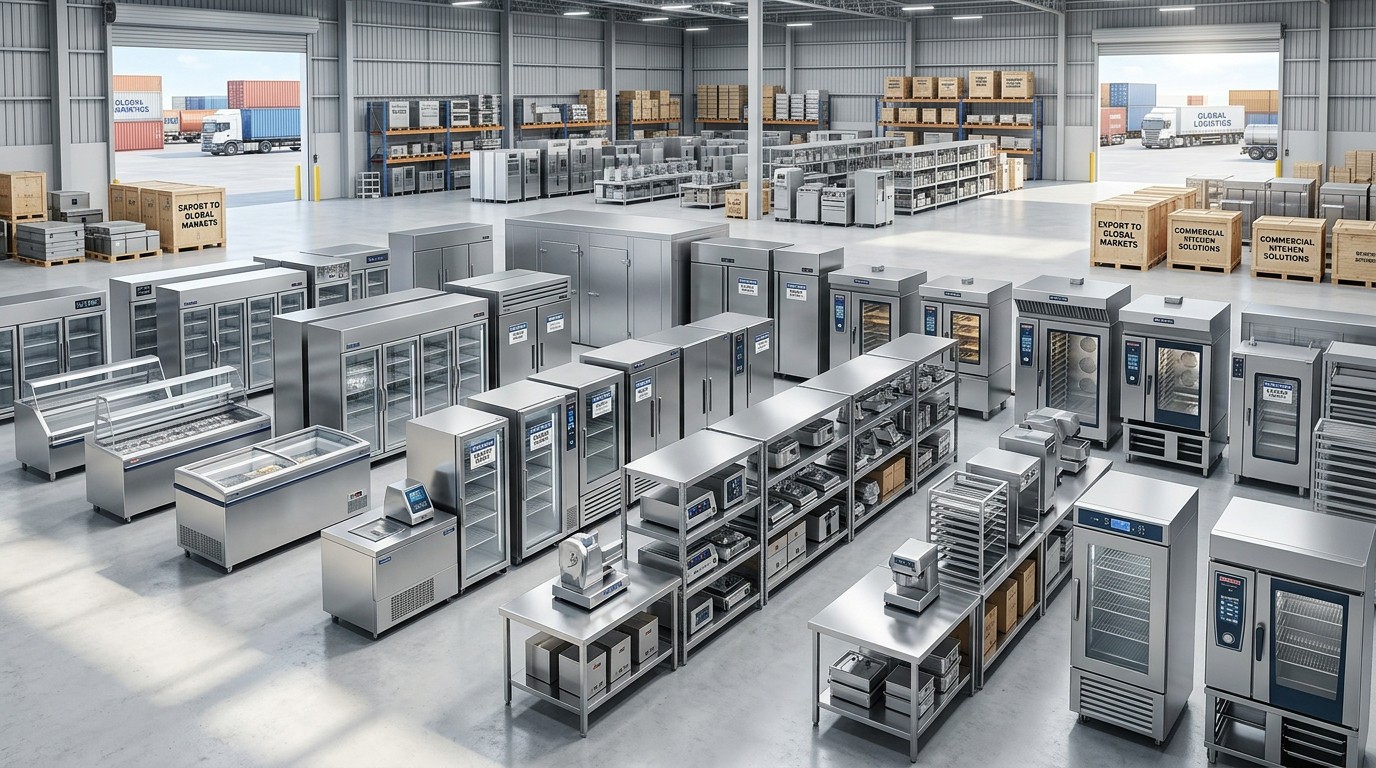
Risk control starts before purchase. If delivery timing is critical, buyers should confirm manufacturing lead time, export packing method, parts support, and commissioning readiness. A realistic project schedule may include 1–2 weeks for technical confirmation, 3–6 weeks for production depending on complexity, and additional time for shipping, customs, and on-site coordination. These steps matter even more when the refrigerator is part of a larger commercial kitchen equipment package.
For enterprise decision-makers, the most useful cost question is not “What is the cheapest unit?” but “Which solution reduces spoilage, supports throughput, and fits our operation with manageable service risk?” That framing leads to better capital decisions.
Risk points many projects overlook
- Oversized capacity in a small kitchen may create layout inefficiency and disrupt staff movement around prep and cooking stations.
- Undersized refrigeration can force frequent restocking, raise door-opening frequency, and increase temperature fluctuation during peak service.
- Ignoring ambient heat load near ovens, fryers, or dishwashing zones can reduce practical cooling performance.
- Poor after-sales planning may lead to long downtime if spare parts require international shipment over several weeks.
FAQ for researchers, operators, and purchasers
How do I choose the right commercial refrigerator size?
Start with storage type, daily throughput, and peak-hour loading, not only external dimensions. For many kitchens, a useful approach is to estimate storage demand for 1–3 operating days, then review how often products are replenished. Also check aisle space, ventilation clearance, and whether the unit fits with nearby catering kitchen equipment and kitchen shelving system access.
What matters more: purchase price or energy efficiency?
Both matter, but the balance depends on run time. In high-use sites operating 10–24 hours per day, energy efficiency and stable cooling can strongly influence lifetime cost. In lower-use locations, purchase price may carry more weight, but maintenance access and reliability still matter because service disruption affects food safety and continuity.
Which environments need more heavy-duty commercial refrigerators?
Central kitchens, food factories, and high-volume hotel operations usually require more robust construction because they face continuous opening cycles, larger batch storage, and stricter workflow zoning. In these cases, stainless steel kitchen equipment construction, reinforced shelving, and easier component access are usually more important than cosmetic appearance.
How long is a typical commercial kitchen refrigeration project cycle?
A typical cycle may include 1 week for requirement clarification, 1–2 weeks for technical review and quotation alignment, 3–6 weeks for production, and variable shipping time depending on destination. Custom projects or combined kitchen packages may take longer, especially when certification documents or layout revisions are required.
Why choose a supplier with integrated kitchen equipment capability?
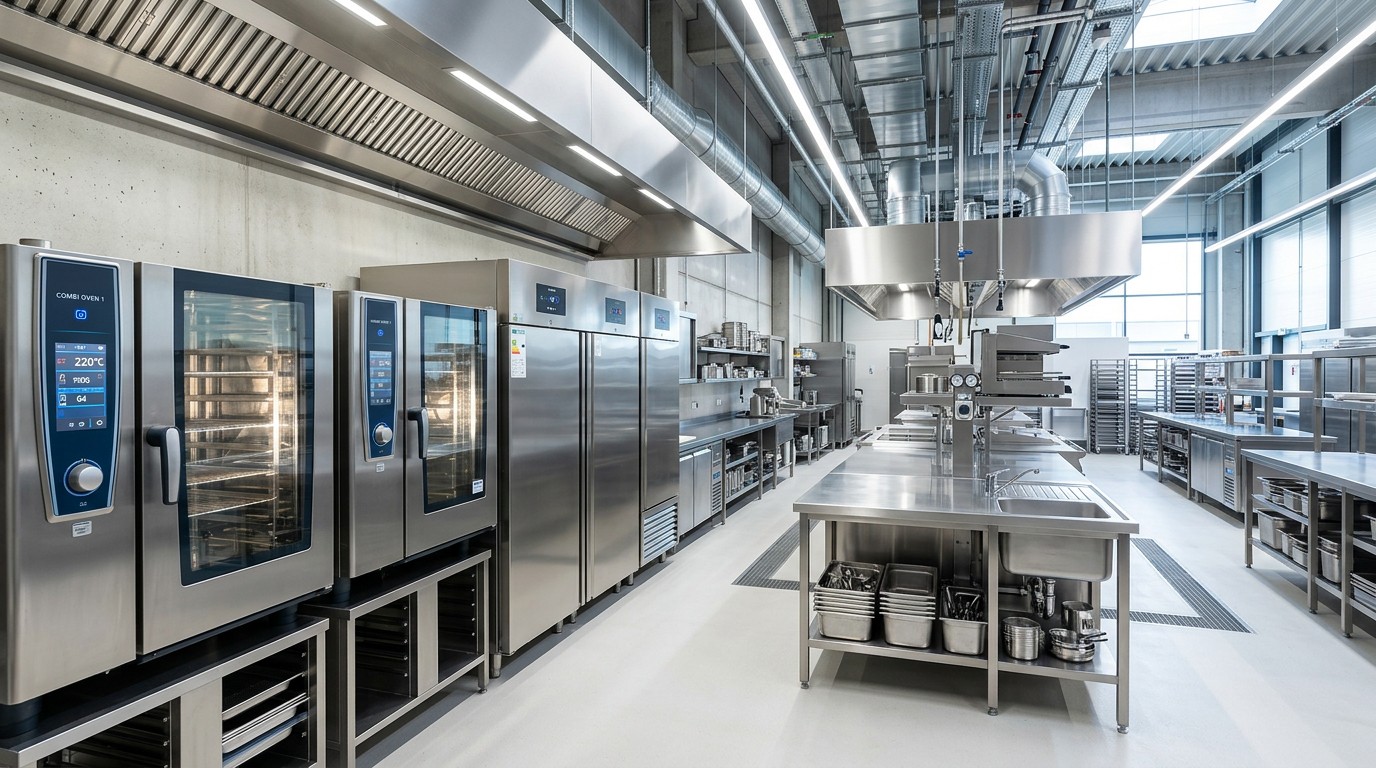
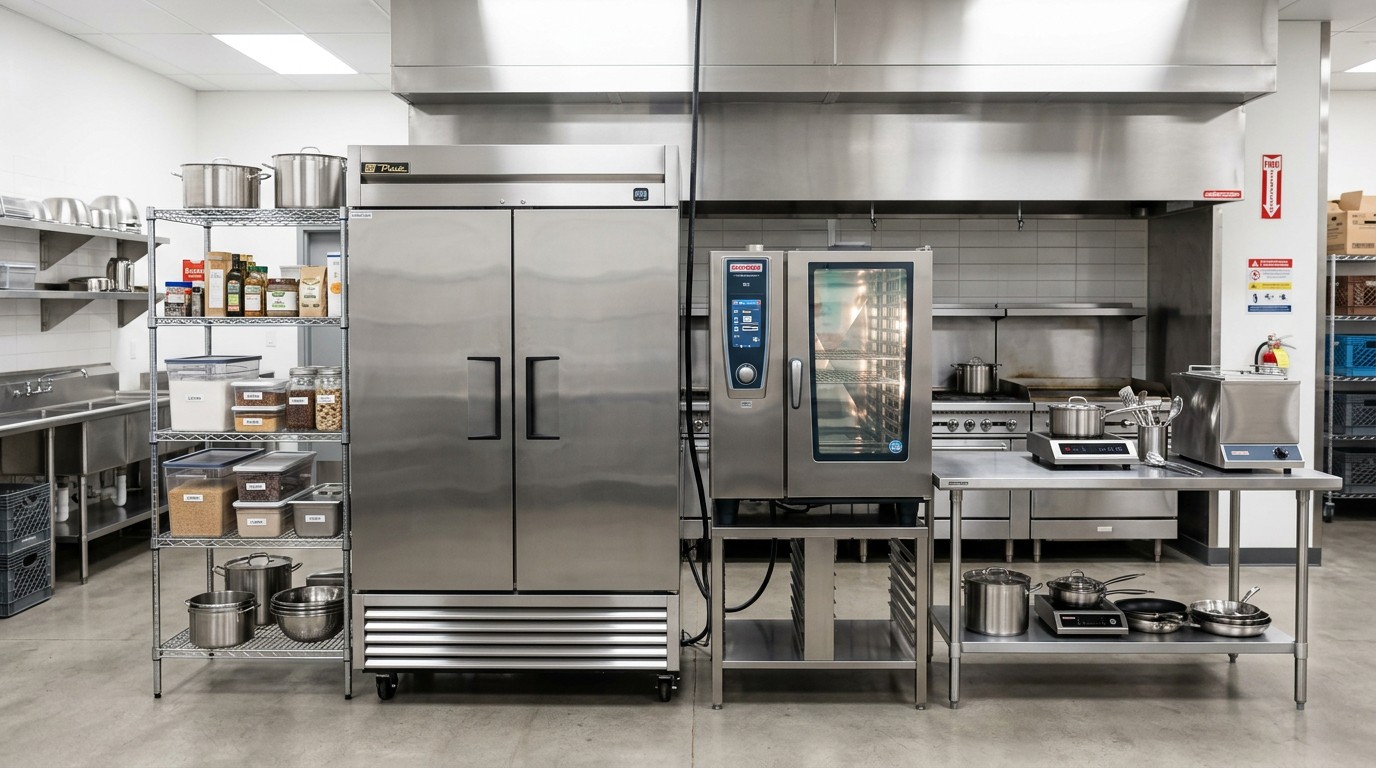
A commercial refrigerator rarely works in isolation. In real projects, it must fit into a complete kitchen solution that may include stainless steel kitchen equipment, preparation tables, kitchen shelving system planning, and other catering kitchen equipment. A supplier that understands integrated workflow can help buyers avoid mismatched dimensions, poor circulation, and installation delays. This is especially valuable for restaurant chains, hotels, food factories, and overseas distributors handling multi-item procurement.
If you are comparing options across regions, we can support practical discussions around specification confirmation, application matching, and project coordination. That includes chilled or frozen configuration review, layout fit with surrounding commercial kitchen equipment, packing and delivery planning, and communication on documentation needs. For buyers with strict timelines, early alignment on technical drawings and lead times can reduce costly revisions later.
For operators and purchasing teams, useful consultation topics often include 5 key points: storage temperature range, expected loading intensity, installation space, cleaning and maintenance routine, and target delivery schedule. For enterprise decision-makers, it is also helpful to compare standard models with tailored project solutions when balancing budget, lifecycle cost, and expansion plans.
Contact us if you need support with commercial refrigerator selection, parameter confirmation, matching stainless steel kitchen equipment, kitchen shelving system planning, sample discussion, delivery cycle evaluation, certification-related questions, or formal quotation communication. A clear requirement review at the start usually saves time in procurement, installation, and long-term operation.
Popular Tags
Kitchen Industry Research Team
Dedicated to analyzing emerging trends and technological shifts in the global hospitality and foodservice infrastructure sector.
Industry Insights
Join 15,000+ industry professionals. Get the latest market trends and tech news delivered weekly.
No spam. Unsubscribe anytime.
Contact With us
Contact:
Anne Yin (Ceramics Dinnerware/Glassware)
Lucky Zhai(Flatware)