
Ceramic Rice Bowl vs Porcelain Bowl: Which Is Better for Daily Dining?
Choosing between a ceramic rice bowl and a porcelain bowl can change your daily dining experience in subtle but meaningful ways.
Both are common in home kitchens, restaurants, hotels, and modern foodservice settings, yet they perform differently during everyday meals.
This guide compares durability, texture, heat retention, appearance, care, and value, helping you decide which bowl fits daily dining best.
What Is a Ceramic Rice Bowl?
A ceramic rice bowl is made from clay-based materials shaped, glazed, and fired at high temperatures.
The term “ceramic” covers a broad family, including earthenware, stoneware, and porcelain.
In daily dining, a ceramic rice bowl usually refers to stoneware or general ceramic tableware used for rice, soup, noodles, and side dishes.
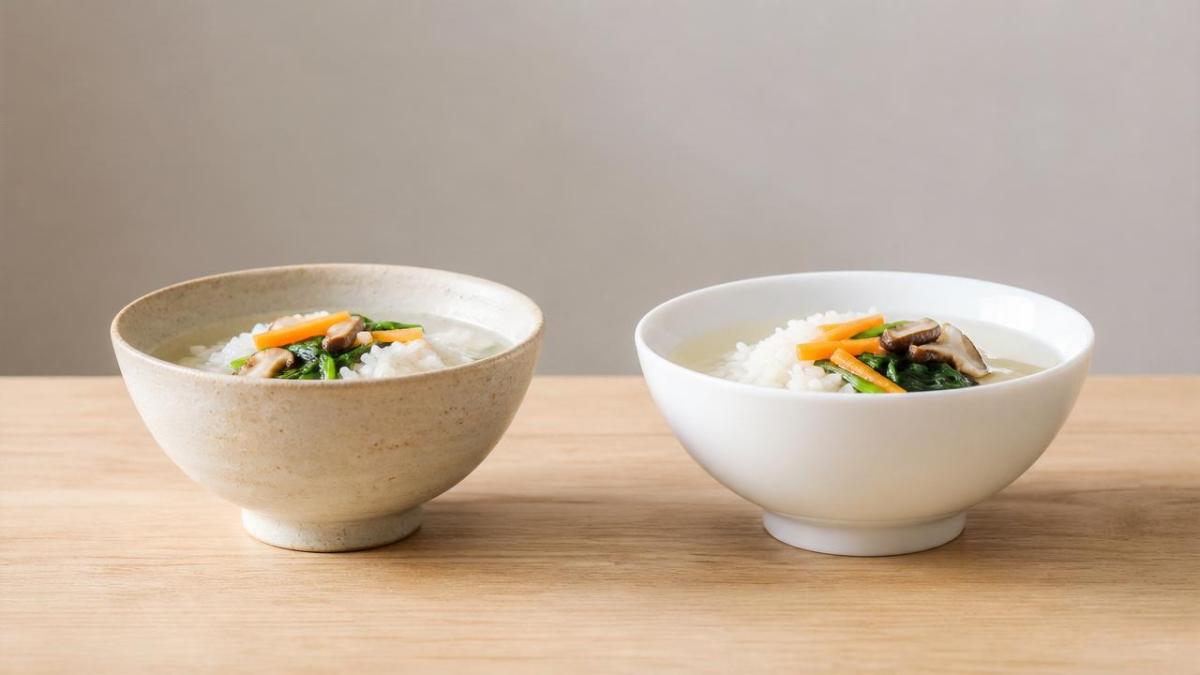
A ceramic rice bowl often feels warm, substantial, and handcrafted, especially when it has a matte or reactive glaze.
It can suit casual family meals, Asian-style dining, rustic kitchens, and restaurants seeking a natural presentation.
Because ceramics vary widely, quality matters. Firing temperature, glaze safety, wall thickness, and finishing all affect performance.
What Is a Porcelain Bowl?
Porcelain is a refined ceramic made from fine clay, often including kaolin, and fired at very high temperatures.
It is usually denser, smoother, harder, and more translucent than many standard ceramic bowls.
A porcelain bowl often has a clean white surface, elegant shine, and thin yet strong body.
For formal dining, hotel breakfast service, and modern restaurant plating, porcelain remains a popular option.
However, porcelain can feel less earthy than a ceramic rice bowl, especially for meals centered on comfort and warmth.
Ceramic Rice Bowl vs Porcelain Bowl: What Are the Main Differences?
The main differences appear in material feel, heat behavior, durability, aesthetics, and daily handling.
A ceramic rice bowl often feels thicker and warmer in the hand, while porcelain feels smoother and more refined.
For rice-based meals, a ceramic rice bowl can offer a comforting grip and satisfying weight.
For elegant service, porcelain may look cleaner, especially when paired with white plates and polished table settings.
Which Bowl Is More Durable for Daily Dining?
Durability depends less on the name and more on production quality.
A high-quality ceramic rice bowl can withstand years of daily use when fired properly and finished with a safe glaze.
Porcelain is usually dense and hard, which helps resist stains and moisture absorption.
Yet thin porcelain rims may chip if dropped, stacked roughly, or hit against metal sinks.
Thicker ceramic bowls may survive small knocks better, but lower-grade ceramics can crack under sudden temperature changes.
Daily durability checklist
- Check whether the bowl is labeled microwave-safe and dishwasher-safe.
- Look for smooth glaze without pinholes, rough patches, or visible cracks.
- Avoid extremely thin edges if frequent stacking is expected.
- Choose a stable foot ring for safer handling.
- Confirm food-contact safety for glazes and decorative finishes.
For busy kitchens, a ceramic rice bowl with a balanced thickness can be very practical.
For high-volume service, porcelain offers a clean look, but careful stacking and storage are still important.
Which Bowl Keeps Rice, Soup, and Noodles Warmer?
Heat retention matters when serving steamed rice, miso soup, porridge, curry rice, ramen, or noodle bowls.
A ceramic rice bowl is often thicker, so it can hold warmth longer after preheating.
This makes it pleasant for slow meals and family dining.
Porcelain bowls heat quickly because many designs are thinner and denser.
They are useful when meals are served immediately and presentation matters more than long heat retention.
Practical heat tips
- Warm the bowl with hot water before serving rice or soup.
- Avoid moving any bowl directly from freezer to microwave.
- Use thicker bowls for meals eaten slowly.
- Choose porcelain for quick plating and elegant table service.
If warm rice is a daily priority, a ceramic rice bowl usually feels more satisfying.
If crisp visual presentation is the priority, porcelain can be the better choice.
Which Looks Better on the Table?
Appearance is subjective, but it strongly influences dining atmosphere.
A ceramic rice bowl often brings depth through glaze variation, speckles, color layers, and handmade curves.
It pairs well with wooden trays, stone textures, linen napkins, and natural kitchen styles.
Porcelain feels brighter and more precise, making food colors stand out clearly.
White porcelain is especially effective for salads, desserts, small appetizers, and carefully arranged dishes.
Best style match by dining scene
For relaxed daily meals, a ceramic rice bowl can make the table feel more inviting.
For minimal interiors, porcelain gives a lighter and more polished impression.
Which Is Easier to Clean and Maintain?
Porcelain generally resists stains well because it is dense and often smoothly glazed.
Tea, curry, tomato sauce, and chili oil usually rinse off more easily from glazed porcelain.
A ceramic rice bowl is also easy to clean when the glaze is smooth and fully sealed.
However, matte glazes or textured surfaces may hold stains faster than glossy finishes.
In commercial kitchens, dishwasher compatibility and stackability are just as important as appearance.
Care mistakes to avoid
- Do not use cracked bowls for hot liquids or foodservice.
- Avoid abrasive pads on decorative glazes.
- Do not stack wet bowls tightly for long periods.
- Check microwave safety before reheating leftovers.
- Replace bowls with deep chips near the rim.
For low-maintenance use, glossy porcelain performs very well.
For comfort and character, a well-glazed ceramic rice bowl remains easy enough for daily care.
How Should You Choose Between a Ceramic Rice Bowl and Porcelain?
Start with how the bowl will be used most often.
If the main use is steamed rice, soup, noodles, or casual family meals, choose a ceramic rice bowl.
If the main goal is refined plating, bright presentation, or formal tableware, porcelain may suit better.
For mixed daily use, many kitchens keep both types.
A ceramic rice bowl can handle comfort meals, while porcelain supports lighter, cleaner presentation.
Quick decision guide
Also consider bowl size. Smaller bowls suit rice portions, while deeper bowls work better for noodles and soup.
A ceramic rice bowl with a stable base is helpful when serving children, elderly diners, or hot broth.
FAQ: Common Questions About Ceramic and Porcelain Bowls
Final Verdict: Which Is Better for Daily Dining?
For most everyday rice meals, a ceramic rice bowl is often the better daily choice.
It feels warm, steady, and natural, especially for rice, soup, noodles, porridge, and home-style dishes.
Porcelain is better when you want a refined look, smooth surface, easy stain resistance, and elegant presentation.
The smartest choice depends on your meals, cleaning habits, storage space, and preferred table style.
Before buying, compare weight, glaze quality, rim thickness, heat safety, and dishwasher compatibility.
If possible, hold the bowl in your hand. A good ceramic rice bowl should feel balanced, safe, and pleasant.
For a practical kitchen, keep a few ceramic rice bowl options for warm meals and porcelain bowls for polished serving.
That combination supports daily dining, guest meals, and flexible food presentation with lasting value.
Popular Tags
Kitchen Industry Research Team
Dedicated to analyzing emerging trends and technological shifts in the global hospitality and foodservice infrastructure sector.
Industry Insights
Join 15,000+ industry professionals. Get the latest market trends and tech news delivered weekly.
No spam. Unsubscribe anytime.

Contact With us
Contact:
Anne Yin (Ceramics Dinnerware/Glassware)
Lucky Zhai(Flatware)