
What makes a glass centerpiece vase look premium?
What Makes a Glass Centerpiece Vase Look Premium?
For procurement teams, choosing a glass centerpiece vase is not only about appearance—it is about perceived value, durability, consistency, and commercial suitability.
A vase that looks premium usually combines refined clarity, balanced proportions, stable craftsmanship, and flexible styling for restaurants, hotels, event venues, and dining spaces.
Premium Appearance Starts With Glass Clarity
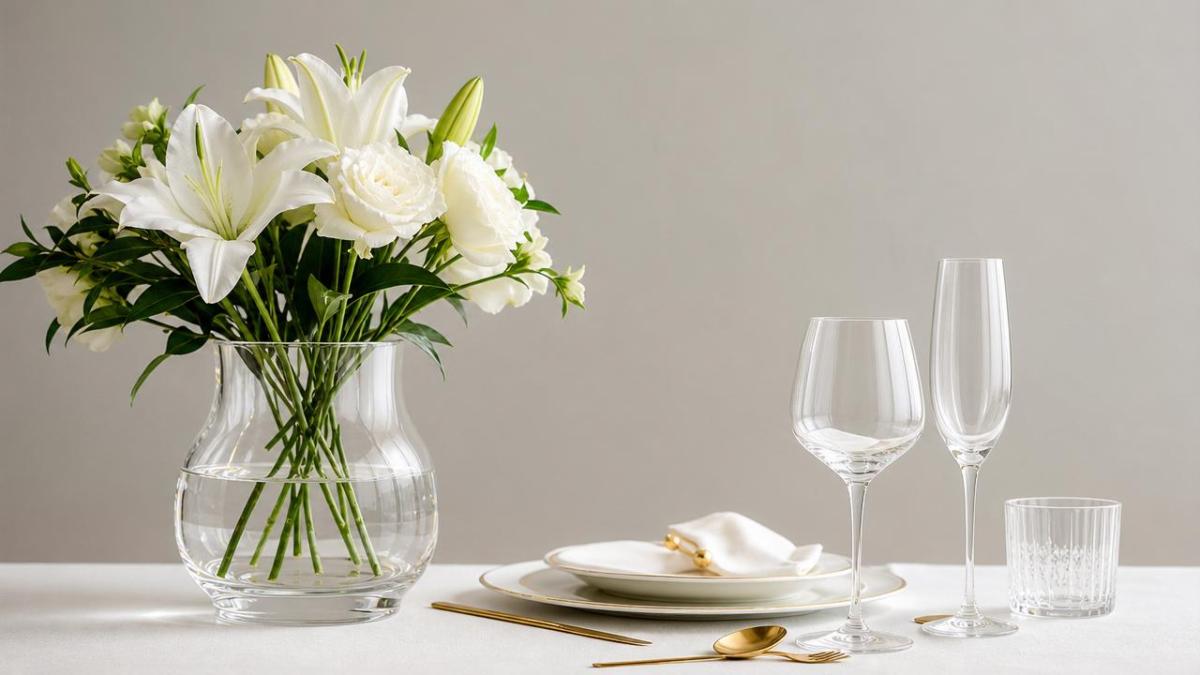
The first detail buyers usually notice is clarity. A premium glass centerpiece vase should look clean, bright, and visually calm under different lighting conditions.
Clear glass gives flowers, candles, water, and table settings a more polished look. It also makes dining spaces feel more open and refined.
For procurement purposes, clarity should be evaluated across a batch, not only from one sample. Inconsistent transparency can reduce the perceived grade quickly.
Common quality issues include bubbles, grayish tint, visible streaks, cloudy areas, and uneven reflections. These flaws may look minor individually but serious in volume.
Hotels, restaurants, and event venues often use multiple vases in one room. When pieces differ visibly, the entire table arrangement looks less controlled.
Buyers should request product photos under natural light, warm light, and direct overhead light. This helps reveal tint, distortion, and surface irregularities.
If the vase is intended for premium dining, lobby decoration, or banquet use, high visual consistency should be treated as a core requirement.
Thickness and Weight Influence Perceived Value
A glass centerpiece vase often feels more premium when it has appropriate wall thickness and stable weight. These qualities create confidence during handling.
Thin glass may look elegant, but it can feel fragile in commercial environments. Overly thin walls may increase breakage during cleaning and transport.
However, heavier is not always better. Excessive weight can raise shipping costs, handling difficulty, and staff fatigue during frequent setup changes.
The best option depends on the application. Banquet halls may prefer durable pieces, while fine dining restaurants may prioritize delicate visual balance.
Procurement teams should compare the vase weight with its height, base diameter, and intended contents. A tall vase needs enough stability against tipping.
For centerpieces used with water and fresh flowers, the base should remain stable even when the arrangement is slightly uneven or touched accidentally.
For candle, dried flower, or minimalist displays, buyers may accept lighter pieces if the glass still appears clean and well formed.
Premium quality is not defined by weight alone. It is defined by the correct relationship between weight, balance, durability, and visual elegance.
Shape Proportion Determines Whether the Vase Looks Expensive
Proportion is one of the strongest signals of premium design. A well-proportioned vase looks intentional even before flowers are added.
For tabletop use, the height should support visibility without blocking guest interaction. In restaurants, oversized centerpieces can damage the dining experience.
Low and wide vases work well for shared dining tables, buffet counters, and intimate settings. They create decoration without interrupting conversation.
Tall cylinder or trumpet shapes are often chosen for hotels, weddings, and banquet halls. They create vertical impact and photograph well.
Round, bowl-shaped, and curved vases feel softer and more decorative. They are useful for floral arrangements that require volume and movement.
Procurement buyers should match shape with table size, service style, and cleaning process. A beautiful shape may still be impractical operationally.
A premium glass centerpiece vase should look balanced from every angle. This matters because guests may see it from different seating positions.
When evaluating samples, place the vase on an actual table setting. Compare it with plates, cutlery, glassware, linens, and lighting conditions.
Rim, Base, and Edge Finishing Reveal Craftsmanship
Premium appearance often depends on finishing details. The rim, base, and edges reveal whether the product was carefully made and inspected.
A smooth rim feels safer and more refined. Uneven, sharp, or wavy rims can make the vase look cheap and increase handling risk.
The base should sit flat without rocking. For hospitality buyers, this is important because unstable vases may spill water or damage table presentation.
Polished edges create a cleaner reflection and improve visual quality. Poor finishing may show scratches, roughness, or cloudy lines around the glass.
In bulk purchasing, buyers should confirm acceptable tolerances for rim roundness, height variation, base flatness, and surface defects before placing orders.
These tolerances are especially important when multiple pieces are displayed together. Small dimensional differences become more visible in symmetrical table layouts.
Good suppliers should be able to explain inspection standards. They should also provide sample approval, pre-shipment inspection, and packaging test options.
For procurement teams, craftsmanship details reduce downstream complaints. They also protect the visual standard promised to restaurant operators or hotel clients.
Color and Surface Treatment Should Match the Space
Clear glass is the most versatile option, but colored, frosted, smoked, and textured finishes can create a stronger premium impression.
Amber, smoky gray, champagne, and soft green tones often feel warm and sophisticated. They pair well with wood, brass, stone, and neutral interiors.
Frosted glass creates softness and reduces glare. It can suit spa hotels, boutique restaurants, and modern dining spaces with subtle decoration.
Textured glass can hide small fingerprints and water marks better than completely smooth glass. This may reduce visible maintenance pressure in busy venues.
However, decorative finishes should be checked carefully for consistency. Uneven coating, color variation, or weak adhesion can reduce product value quickly.
For large orders, procurement teams should request color tolerance references. This helps avoid mismatched pieces across different production batches.
The safest commercial choice is usually a finish that supports many themes. Extremely seasonal colors may limit reuse and increase replacement costs.
A premium vase does not need to be visually loud. It should enhance the table setting without competing with food, lighting, or branding.
Functionality Matters in Commercial Use
A vase may look premium in photos but fail in daily operation. Commercial buyers need to evaluate beauty together with practical use.
Cleaning access is a key factor. Narrow-neck vases may look elegant but can be difficult to wash, dry, and inspect thoroughly.
Wide-mouth designs are easier for staff to clean and arrange. They are especially useful in restaurants with frequent centerpiece changes.
For hotels and event venues, stackability or storage efficiency may matter. Bulky shapes can increase storage pressure and internal handling costs.
Vases used with water should resist staining and mineral marks as much as possible. Smooth internal surfaces are easier to maintain.
If the vase will hold candles, buyers should confirm heat exposure limits. Not all decorative glass is suitable for direct candle use.
For outdoor dining or catering, base stability becomes more important. Wind, guest movement, and uneven surfaces can make light pieces risky.
Premium value includes operational reliability. A beautiful vase that breaks easily or slows staff workflow may not deliver real business value.
Packaging Quality Affects the Real Cost of Procurement
For glass products, packaging is not a secondary detail. It directly affects breakage rate, claim frequency, delivery reliability, and total cost.
A premium glass centerpiece vase should be supported by packaging designed for its shape, weight, and shipping route. Generic packaging may be insufficient.
Buyers should ask whether inner cartons, dividers, foam, molded pulp, or reinforced export cartons are used. Protection should match handling conditions.
For international orders, drop testing and carton strength are important. Long-distance transport increases the risk of vibration, compression, and impact damage.
Broken items create more than replacement cost. They delay openings, event preparation, display projects, and customer delivery schedules.
Procurement teams should compare suppliers based on delivered quality, not only unit price. A lower price can become expensive after damage claims.
Clear labeling also helps warehouse staff identify fragile goods, product size, color, and batch. This reduces mistakes during receiving and distribution.
Reliable packaging supports a premium buying experience. It shows that the supplier understands commercial logistics, not only product appearance.
Supplier Consistency Is Essential for Bulk Orders
For professional buyers, premium appearance must be repeatable. A beautiful sample has limited value if mass production cannot match it consistently.
Supplier consistency includes raw material control, mold accuracy, firing process stability, finishing inspection, and packing discipline across every production batch.
Buyers should request samples from actual production, not only showroom stock. This gives a more realistic view of regular manufacturing quality.
It is also useful to ask about previous projects for hotels, restaurants, retailers, or event suppliers. Relevant experience reduces communication risk.
Before confirming a large order, procurement teams should define inspection criteria in writing. Visual standards should not depend on personal interpretation.
Key criteria may include bubble limits, height tolerance, rim smoothness, base flatness, color consistency, scratch allowance, and carton drop requirements.
For repeat purchasing, buyers should keep approved samples as references. This makes future quality comparison faster and more objective.
A premium glass centerpiece vase is not only a product. It is also the result of stable production and predictable supplier management.
How to Evaluate Value Beyond Unit Price
Unit price is important, but it should not be the only decision factor. Procurement teams should calculate value across the full product lifecycle.
A cheaper vase may have higher breakage, weaker packaging, inconsistent appearance, or limited reorder support. These factors can increase hidden costs.
A slightly higher-priced vase may perform better if it reduces replacement, improves guest perception, and supports consistent visual merchandising.
For restaurants and hotels, table presentation contributes to brand experience. Guests may not analyze the vase, but they notice the overall atmosphere.
Event companies also benefit from premium-looking vases because better visual assets can support higher service pricing and stronger client satisfaction.
Retail buyers should consider shelf appeal, packaging presentation, and product photography. A premium-looking glass centerpiece vase is easier to market visually.
When comparing quotations, buyers should request full specifications. Dimensions, weight, glass type, finish, packing method, MOQ, and lead time all matter.
The right purchasing decision balances visual grade, durability, supplier reliability, logistics cost, and target market positioning rather than chasing the lowest offer.
Practical Checklist for Procurement Teams
Before purchasing, review the vase under multiple lighting conditions. Check whether the glass remains clear, bright, and consistent from different angles.
Inspect the rim and base by touch and sight. Premium pieces should feel smooth, stable, and safe for repeated handling.
Measure height, diameter, and wall thickness across several samples. This helps identify whether the supplier can maintain dimensional consistency.
Test the vase with realistic contents, such as water, flowers, candles, or decorative fillers. Appearance often changes after actual use.
Place the vase within a complete table setting. Compare its scale with plates, glasses, cutlery, menus, and surrounding decoration.
Ask for packaging details and shipping test information. For glassware, safe arrival is part of product quality, not a separate issue.
Confirm quality standards before ordering. Written requirements reduce disputes and make inspection more efficient during production and delivery.
Finally, consider reordering needs. A premium commercial product should remain available with stable specifications for future replacement and expansion.
Conclusion: Premium Is a Combination of Beauty and Reliability
A glass centerpiece vase looks premium when clarity, proportion, thickness, finishing, color, and stability work together in a controlled way.
For procurement teams, the best choice is not simply the most decorative option. It is the vase that performs well in real commercial environments.
Buyers should evaluate samples with practical criteria, including batch consistency, cleaning convenience, packaging strength, supplier reliability, and total procurement value.
When these factors are considered together, a glass centerpiece vase becomes more than decoration. It becomes a dependable part of the guest experience.
Popular Tags
Kitchen Industry Research Team
Dedicated to analyzing emerging trends and technological shifts in the global hospitality and foodservice infrastructure sector.
Industry Insights
Join 15,000+ industry professionals. Get the latest market trends and tech news delivered weekly.
No spam. Unsubscribe anytime.

Contact With us
Contact:
Anne Yin (Ceramics Dinnerware/Glassware)
Lucky Zhai(Flatware)