
Which Ceramic Serving Bowl Sizes Work Best for Catering?
Choosing the right ceramic serving bowl size for catering is less about finding one “best” bowl and more about matching bowl capacity to menu type, portion size, service style, and table presentation. In most catering operations, a practical bowl mix works best: smaller bowls for dips, sides, and desserts; medium bowls for salads, pasta, and shared dishes; and larger bowls for buffet service or high-volume family-style meals. For buyers, operators, and decision-makers, the smartest approach is to standardize a few versatile sizes that improve portion control, reduce service friction, and support a more polished presentation.
This guide explains which ceramic serving bowl, ceramic pasta bowl, porcelain soup bowl, and stoneware bowl sizes usually perform best in catering, and how to choose the right mix based on real operating needs.
What bowl sizes are most useful in catering?
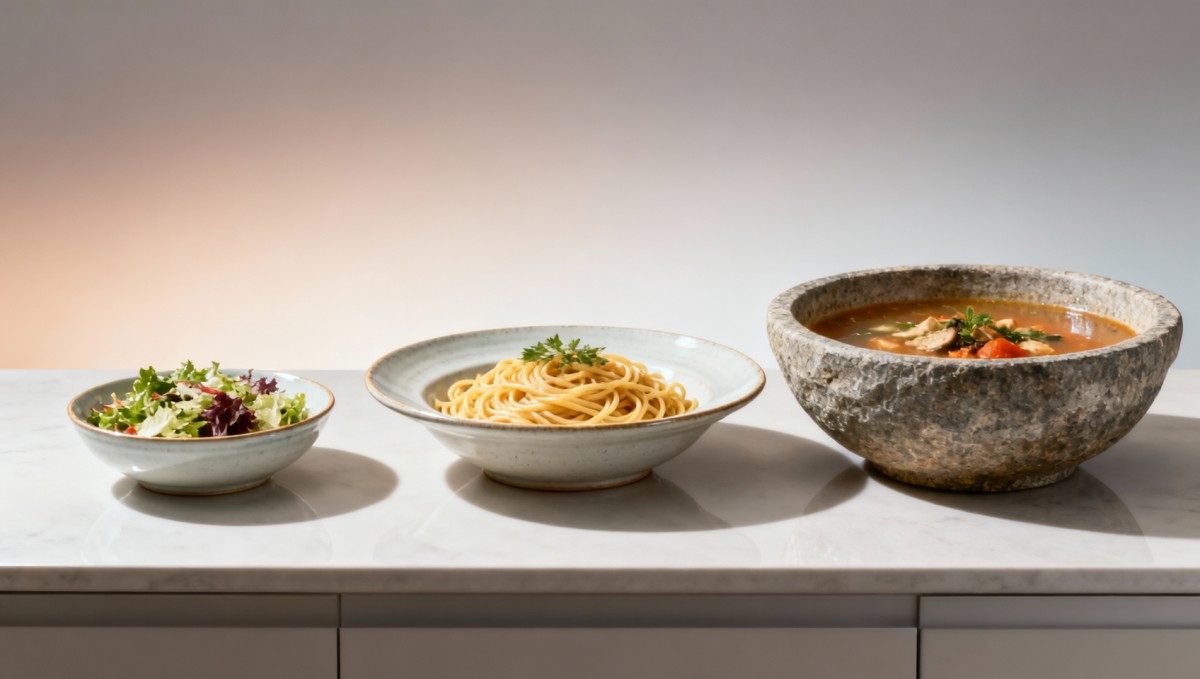
For most catering businesses, the most useful ceramic serving bowl sizes fall into a few clear groups. Instead of purchasing too many niche options, it is usually more efficient to build around these functional ranges:
- 8–12 oz: best for sauces, condiments, dips, small desserts, nuts, olives, or individual side portions
- 16–24 oz: ideal for individual soup service, rice, side salads, desserts, and controlled single servings
- 28–40 oz: a versatile mid-size range for pasta, composed salads, grain bowls, and small shared dishes
- 48–64 oz: useful for family-style service, shared salads, vegetable dishes, and buffet replenishment
- 80 oz and above: best for large buffet displays, banquet service, bread service, fruit presentation, or bulk serving
If you need a simple answer, the most broadly useful catering sizes are 16–24 oz, 28–40 oz, and 48–64 oz. These cover the majority of individual and shared service needs without overcomplicating inventory.
How should bowl size match different catering menu items?
The right serving bowl size depends heavily on what you are serving. Buyers often focus on diameter or visual appearance first, but operators know capacity and usability matter more during live service.
Soup and hot starters
A porcelain soup bowl in the 12–20 oz range is usually the best fit for plated soup service. This size supports clean presentation, practical carrying, and portion consistency. For premium service, a slightly deeper bowl helps retain heat and makes smaller portions look more refined.
Pasta and grain dishes
A ceramic pasta bowl generally works best between 24–36 oz for individual portions. This range gives enough room for pasta, garnish, sauce movement, and visual balance. Bowls that are too small make service look crowded, while oversized pasta bowls can make portions appear insufficient and increase plating inconsistency.
Salads and shared cold dishes
For individual salads, 20–32 oz bowls are a strong choice. For shared service, 48–96 oz bowls are more suitable depending on guest count. Wide ceramic serving bowls are especially useful here because they improve accessibility and visual display.
Sides, vegetables, and rice
For buffet or family-style catering, 32–64 oz bowls are usually the most practical. They hold enough volume for steady service but remain manageable for staff to lift, refill, and reposition.
Desserts, condiments, and toppings
Smaller bowls from 6–12 oz are ideal for sauces, garnishes, olives, nuts, sweets, or tasting portions. In catering, these small pieces are often overlooked, but they can significantly improve station organization and overall presentation quality.
Which bowl size works best for buffet, plated, and family-style service?
Service format should guide size selection as much as menu type.
Buffet service
Buffets require bowls that balance capacity, refill frequency, food safety, and visual fullness. Very large bowls may seem efficient, but they can make food harder to refresh attractively and may create temperature control issues. In many cases, 48–80 oz ceramic serving bowls work better than oversized pieces because they allow more frequent, fresher refills.
Plated or individually served events
For plated service, precision matters most. Bowls should fit a controlled portion without looking empty. This is where porcelain soup bowls and ceramic pasta bowls in moderate capacities tend to outperform large serving bowls. Consistency, stackability, and ease of handling are especially important in banquet settings.
Family-style catering
Family-style service benefits from medium-to-large bowls that are generous but still passable around a table. In this format, 48–64 oz often hits the best balance. Bowls larger than that may become heavy, awkward, and more prone to breakage during active service.
Why material and shape matter as much as size
Capacity alone does not determine whether a bowl works well in catering. The same stated volume can perform very differently depending on bowl shape, wall thickness, weight, and material.
Ceramic serving bowl
A general ceramic serving bowl offers versatility and a premium handcrafted appearance. It is suitable for many catering environments, especially where presentation matters. However, buyers should check rim strength, glaze durability, and whether the bowl is practical for repeated transport and washing.
Ceramic pasta bowl
These bowls typically have a broad rim and lower profile, making them ideal for pasta, risotto, composed salads, and modern plated dishes. Their shape enhances presentation, but they require enough storage space and careful stacking design.
Porcelain soup bowl
Porcelain is often preferred for formal soup service because it looks refined, resists staining well, and can suit upscale banquets or hotel dining operations. It is a strong option where consistent appearance and easy cleaning are priorities.
Stoneware bowl
A stoneware bowl often provides a more rustic or artisanal look, which suits casual catering, farm-to-table concepts, and premium buffet presentation. Stoneware can be durable, but some designs are heavier, so operators should consider transport load, storage pressure, and staff handling fatigue.
What should buyers and operators evaluate before choosing sizes?
For procurement teams and kitchen managers, the best bowl sizes are the ones that work across the most situations with the lowest operational friction. Before purchasing, focus on these practical checks:
- Actual portion size: Match bowl size to realistic serving volume, not just menu description
- Presentation goals: Fine dining, banquet, buffet, and casual catering each need different visual proportions
- Weight when full: Larger ceramic bowls can become difficult to carry safely
- Stackability: Important for storage efficiency and transport protection
- Dishwashing compatibility: Confirm the bowls fit your cleaning process and rack system
- Breakage risk: Large, heavy, wide-rim bowls may increase handling damage
- Menu flexibility: Choose sizes that can serve multiple dishes across events
- Refill frequency: For buffet service, slightly smaller bowls often improve freshness and display
For many businesses, the best investment is not the largest set of sizes, but the smallest practical range of versatile sizes that supports multiple menus and service styles.
Recommended bowl size strategy for most catering operations
If you are building or upgrading a catering bowl assortment, a practical starting strategy is:
- Small bowls: 8–12 oz for condiments, desserts, toppings, and small sides
- Medium bowls: 16–24 oz for soup, rice, side salads, and individual service
- Multi-purpose presentation bowls: 28–40 oz for pasta, composed dishes, and premium plating
- Shared serving bowls: 48–64 oz for vegetables, salads, and family-style service
- Large display bowls: 80 oz+ only where buffet scale or display volume justifies them
This approach helps reduce unnecessary SKUs, improves purchasing discipline, and gives service teams more consistency during setup and execution.
Final thoughts: choose bowl sizes based on service reality, not just catalog dimensions
The best ceramic serving bowl sizes for catering are the ones that support smooth workflow, attractive presentation, and reliable portion control. In most cases, operators get the strongest results from a balanced set centered around 16–24 oz, 28–40 oz, and 48–64 oz capacities, with smaller bowls for accents and larger bowls reserved for specific buffet needs.
Whether you are sourcing a ceramic serving bowl for shared dishes, a ceramic pasta bowl for plated meals, a porcelain soup bowl for formal service, or a stoneware bowl for rustic presentation, the right decision comes from matching size to menu, service format, handling needs, and business efficiency. A well-planned bowl assortment does more than serve food—it supports better operations, stronger visual presentation, and smarter long-term purchasing.
Popular Tags
Kitchen Industry Research Team
Dedicated to analyzing emerging trends and technological shifts in the global hospitality and foodservice infrastructure sector.
Industry Insights
Join 15,000+ industry professionals. Get the latest market trends and tech news delivered weekly.
No spam. Unsubscribe anytime.


Contact With us
Contact:
Anne Yin (Ceramics Dinnerware/Glassware)
Lucky Zhai(Flatware)