
How to Pick a Ceramic Cereal Bowl for Daily Use?
Choosing the right ceramic cereal bowl for daily use is about more than appearance—it affects comfort, durability, and overall dining experience. Whether you also compare a stoneware bowl, porcelain soup bowl, or ceramic pasta bowl, understanding material quality, size, glaze, and usability helps you make a smarter choice. This guide explains what to look for in a practical ceramic cereal bowl for home or hospitality settings.
If you want a quick answer, the best ceramic cereal bowl for daily use is one that balances four things: safe material, practical size, easy cleaning, and resistance to chipping. For most households and many hospitality settings, a medium-weight bowl with a smooth food-safe glaze, a capacity of about 16–24 ounces, and microwave- and dishwasher-safe construction is the smartest choice. The right bowl should feel comfortable in the hand, work for more than just cereal, and hold up well under frequent use.
What matters most when choosing a ceramic cereal bowl?
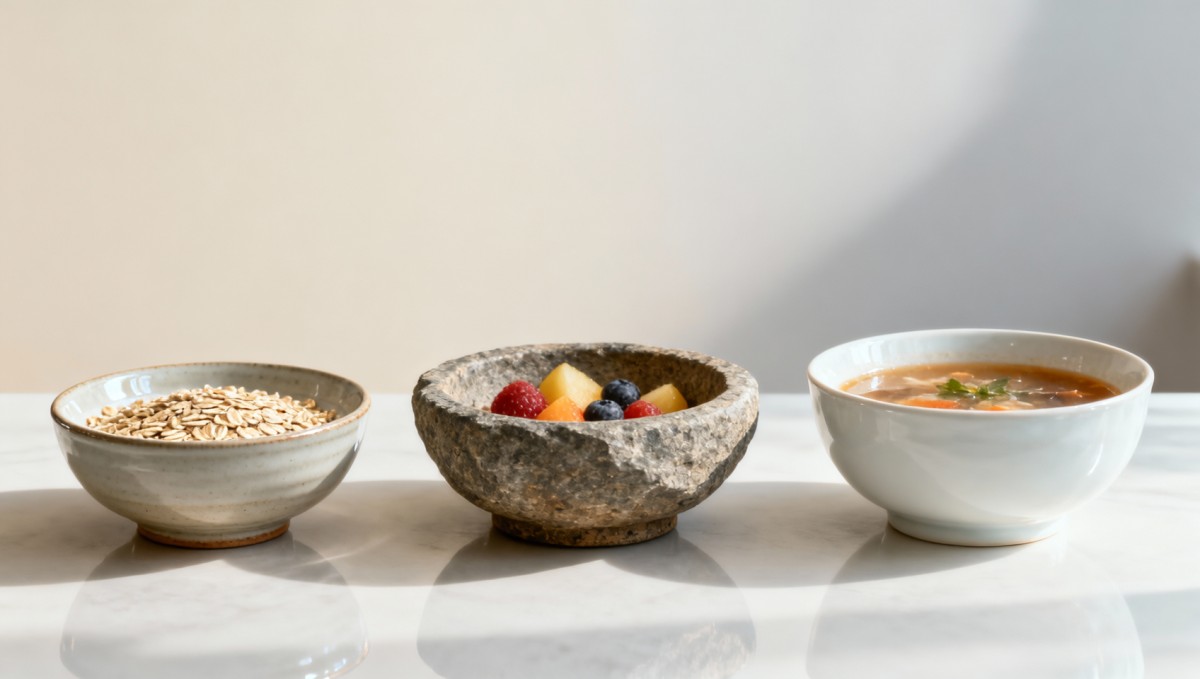
Most buyers are not just asking, “Which bowl looks nice?” They want to know which option will last, feel good to use every day, and offer good value. For home users, that means comfort, versatility, and easy maintenance. For buyers in hospitality or foodservice environments, it also means consistency, breakage control, stackability, and replacement convenience.
When evaluating a ceramic cereal bowl, focus on these factors first:
- Material quality: Choose durable ceramic with a reliable firing process and a food-safe glaze.
- Size and capacity: A bowl that is too shallow spills easily; one that is too large can feel awkward for daily meals.
- Weight: Heavier bowls may feel premium but can be less comfortable for children, older users, or high-volume service.
- Rim shape and depth: These affect how easy the bowl is to eat from and how suitable it is for cereal, oatmeal, soup, fruit, or snacks.
- Microwave and dishwasher compatibility: Essential for convenience in modern kitchens.
- Chip resistance: Important for both households and commercial operations.
In short, the best daily-use bowl is not necessarily the most decorative one. It is the one that performs reliably in real routines.
Which ceramic material is best for everyday use?
Not all ceramic bowls perform the same way. Buyers often compare standard ceramic, stoneware, and porcelain, especially when also shopping for a stoneware bowl, porcelain soup bowl, or ceramic pasta bowl.
Stoneware is often a strong choice for daily use because it is durable, slightly heavier, and generally well-suited for casual meals. It usually has a solid, substantial feel that many users like. A stoneware bowl can be especially practical in homes and cafes where everyday durability matters more than a delicate appearance.
Porcelain is usually lighter, smoother, and more refined in appearance. A porcelain soup bowl may be a better fit if you want a cleaner, more elegant look or lighter tableware. Good porcelain is durable, but thinner products can chip if handled roughly.
General ceramic bowls can vary widely in quality. This category includes many styles and price points, so it is important to check manufacturing consistency, glaze finish, and usage labels rather than judging by appearance alone.
For daily use, the practical ranking is often:
- Stoneware for durability and everyday comfort
- High-quality ceramic for balance of design and utility
- Porcelain for lighter weight and cleaner presentation
The best option depends on the setting. Homes often prefer stoneware or mid-weight ceramic. Hotels, restaurants, and premium dining spaces may choose porcelain for presentation, provided replacement and handling costs are acceptable.
What size and shape work best for cereal and other daily meals?
Size is one of the most overlooked buying factors. A bowl may look attractive online but feel too small for cereal with milk or too wide for comfortable use.
For most users, a 16–24 ounce ceramic cereal bowl is the most practical range. This size typically works well for:
- Breakfast cereal
- Oatmeal or porridge
- Yogurt and fruit
- Soup
- Rice dishes
- Small pasta servings
Shape matters as much as capacity:
- Moderately deep bowls are better for cereal, soup, and dishes with liquid.
- Wide and shallow bowls are more similar to a ceramic pasta bowl and better for plated meals than cereal.
- Gently curved sides make scooping easier and improve comfort.
- A stable foot ring or base reduces tipping and adds balance.
If you are buying for hospitality or group use, standardizing bowl size helps portion control, storage planning, and service consistency.
How can you tell if a ceramic bowl is durable and safe?
This is one of the most important decision points, especially for procurement teams and careful household buyers. A ceramic cereal bowl should not only look durable—it should be made to withstand regular washing, heating, and handling.
Check for the following signs of quality:
- Food-safe glaze: The glaze should be smooth, even, and free from visible defects. Buyers should look for products that clearly state compliance with food-contact safety standards.
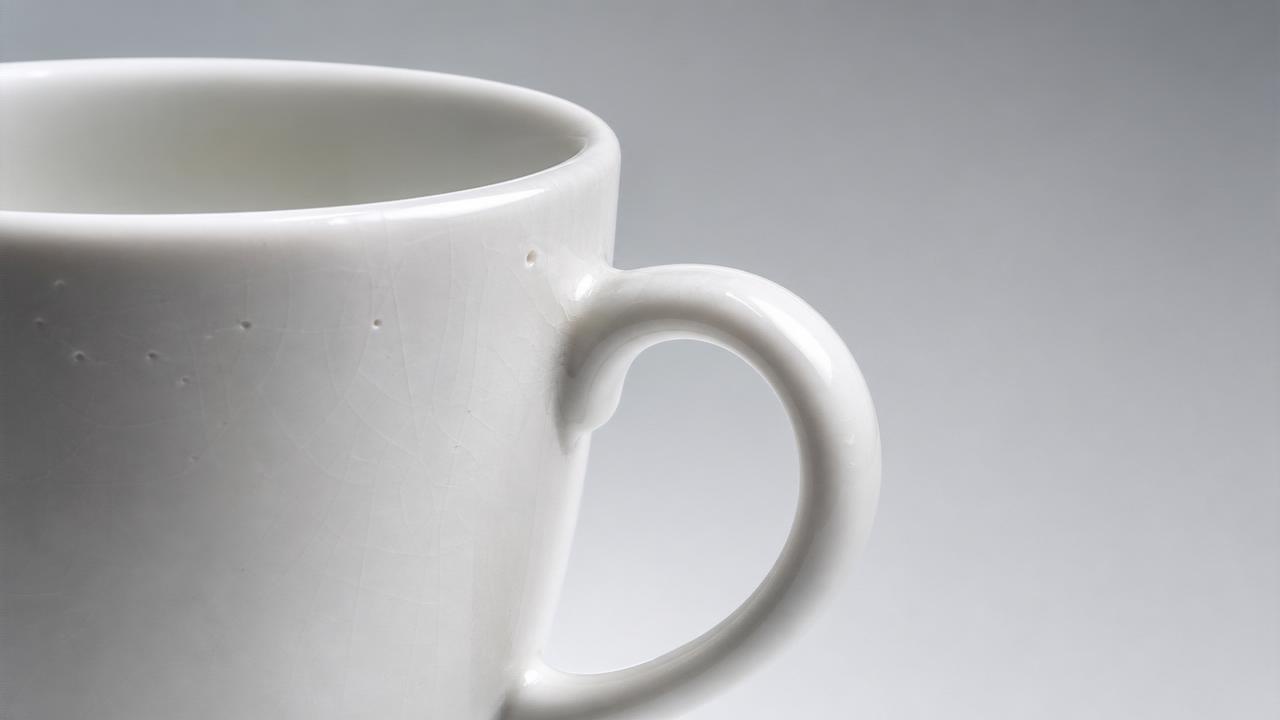
- No cracks or pinholes: Surface imperfections may affect hygiene, durability, or long-term performance.
- Even thickness: Inconsistent thickness can increase the risk of breakage during thermal changes or impact.
- Microwave-safe labeling: Important if the bowl will be used for reheating food or breakfast items.
- Dishwasher-safe labeling: Essential for convenience and especially important in commercial environments.
- Chip-resistant rim: The rim is one of the most vulnerable areas in frequent use.
For business buyers, it also helps to ask suppliers about batch consistency, packaging protection, replacement rates, and whether the product line will remain available for future reorders.
What design features improve daily comfort and usability?
Daily-use tableware should feel easy to live with. Even a high-quality ceramic cereal bowl can become inconvenient if it is too heavy, too hot to hold after microwaving, or too difficult to stack.
Useful design details include:
- Comfortable rim thickness: Too thick can feel clumsy; too thin may chip more easily.
- Balanced weight: A bowl should feel stable but not tiring to lift.
- Smooth interior glaze: Helps with cleaning and improves eating comfort.
- Stackable form: Saves cabinet and kitchen space.
- Neutral, versatile design: Better for mixed meal types and long-term use.
For many users, a bowl that supports multiple uses offers the best value. A practical ceramic cereal bowl can also serve as a soup bowl, dessert bowl, snack bowl, or small serving bowl. That versatility matters in both household kitchens and commercial operations trying to reduce unnecessary inventory.
How should buyers compare bowls for home use versus hospitality or business use?
The right choice depends on who is using the bowl and how often. A bowl that works well in a private kitchen may not be ideal for a restaurant breakfast service or hotel buffet.
For home users, prioritize:
- Comfortable size for daily meals
- Dishwasher and microwave safety
- Style that matches existing tableware
- Durability for family use
- Versatility across different foods
For hospitality, foodservice, or procurement buyers, prioritize:
- Consistent dimensions and finish across batches
- Chip resistance and service life
- Stackability and storage efficiency
- Ease of bulk purchasing and replacement
- Total cost over time, not just unit price
- Compatibility with operational needs such as dishwashing volume and reheating use
Decision-makers should also think beyond aesthetics. A slightly higher upfront investment in better-quality ceramic bowls can reduce replacement frequency, improve customer presentation, and support smoother kitchen operations.
What mistakes should you avoid when buying a ceramic cereal bowl?
Many disappointing purchases happen because buyers focus too much on looks and too little on everyday function. Avoid these common mistakes:
- Choosing a bowl only by color or pattern
- Ignoring actual capacity and depth
- Buying bowls that are too heavy for frequent handling
- Not checking microwave or dishwasher compatibility
- Overlooking glaze quality and food safety information
- Selecting a shape that works for one dish only
- For businesses, failing to verify supply continuity and breakage performance
A good bowl should make daily use easier, not create small frustrations over time.
Final buying advice: what is the smartest choice?
If you want one reliable answer, choose a ceramic cereal bowl that is medium-weight, food-safe, easy to clean, and sized for more than just cereal. A bowl in the 16–24 ounce range with a durable glaze, stable base, and microwave/dishwasher-safe construction will suit most daily needs very well.
If durability is your top priority, a stoneware bowl is often the best everyday option. If lighter weight and a refined look matter more, a porcelain soup bowl may be worth considering. If you want broad versatility, a well-made ceramic bowl that can also function for soup, snacks, and small pasta servings offers the strongest overall value.
Ultimately, the best ceramic cereal bowl for daily use is the one that fits real habits: how you eat, how often you wash it, who uses it, and how much wear it will face. When buyers focus on function first and style second, they usually make a better long-term choice.
Popular Tags
Kitchen Industry Research Team
Dedicated to analyzing emerging trends and technological shifts in the global hospitality and foodservice infrastructure sector.
Industry Insights
Join 15,000+ industry professionals. Get the latest market trends and tech news delivered weekly.
No spam. Unsubscribe anytime.

Contact With us
Contact:
Anne Yin (Ceramics Dinnerware/Glassware)
Lucky Zhai(Flatware)