
Energy Efficient Restaurant Supplies: Which Upgrades Lower Utility Bills First?
Energy Efficient Restaurant Supplies: Which Upgrades Lower Utility Bills First?
Rising utility costs are forcing restaurant operators to review every line item. Equipment decisions now affect not only output, but also daily operating margins.
For many businesses, energy efficient restaurant supplies offer the quickest path to measurable savings. The key is knowing which upgrades cut bills first.
The smartest approach is rarely a full kitchen replacement. In practice, targeted upgrades often deliver faster payback with less disruption to service.
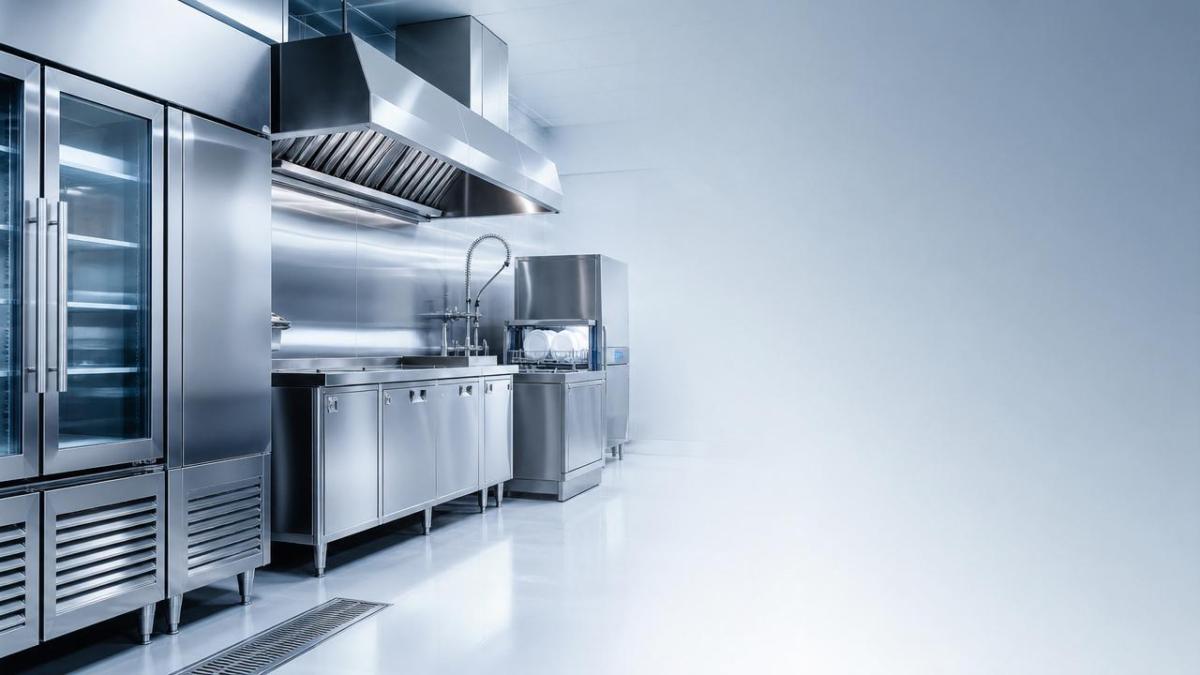
This matters even more as the kitchen equipment industry moves toward automation, smart controls, and integrated energy management. Better equipment now supports efficiency, food safety, and more stable labor performance.
If you are prioritizing capital spending, start with the categories that reduce electricity, gas, and water use immediately. That is where early savings usually show up.
Why Some Upgrades Pay Back Faster Than Others
Not every upgrade produces the same utility impact. Some assets run all day, while others operate only during peak service windows.
The fastest wins usually come from equipment with three traits. It runs often, draws heavy power, and wastes heat, water, or idle energy.
That is why refrigeration, ventilation, dishwashing, and cooking equipment should be reviewed first. These categories typically have the strongest connection to monthly bills.
Energy efficient restaurant supplies create value faster when they match real usage patterns. A busy quick-service kitchen will prioritize differently than a hotel banquet operation.
Upgrade Refrigeration First for Constant Savings
Refrigeration is often the best first step. It runs around the clock, so even small efficiency gains add up quickly.
Older reach-in refrigerators, freezers, prep tables, and undercounter units can draw far more energy than newer high-efficiency models. Worn gaskets and poor insulation make this worse.
When comparing energy efficient restaurant supplies, look for efficient compressors, ECM fan motors, LED lighting, better door sealing, and improved temperature recovery.
Remote monitoring also helps. Smart alerts reduce door-open time, catch performance drift early, and prevent food loss from unnoticed failures.
In real kitchens, refrigeration upgrades work well because savings are immediate and predictable. There is no need to change the menu or retrain the whole team.
- Replace units older than eight to ten years.
- Prioritize doors, seals, coils, and fan efficiency.
- Choose models sized to actual product load.
- Add monitoring where temperature compliance matters.
Ventilation Controls Often Deliver Overlooked Savings
Kitchen ventilation is a hidden cost center. Exhaust hoods and makeup air systems can consume more energy than operators expect.
Traditional systems run at full speed all day. That means you pay maximum fan energy even during slower prep periods.
Demand-controlled ventilation changes that equation. Sensors adjust airflow based on heat and smoke, cutting both fan power and conditioned air loss.
This is one of the most practical energy efficient restaurant supplies strategies because it reduces multiple costs at once. You save on electricity, heating, and cooling.
From a decision-making standpoint, ventilation upgrades are especially attractive in larger kitchens, multi-station concepts, and high-hour operations.
Dishwashing Upgrades Cut Water, Gas, and Labor Pressure
Dishwashing affects more than water consumption. It also drives water heating costs, chemical use, and workflow speed.
Modern conveyor, door-type, and undercounter machines use less water per rack and recover heat more effectively. That lowers both utility spend and recovery time.
Heat recovery systems are especially valuable. They capture steam energy and use it to preheat incoming water.
That means one upgrade can improve comfort in the dish area while reducing the hot water burden. It is a practical example of energy efficient restaurant supplies solving more than one problem.
If your dish station creates long wait times, a better machine can also reduce labor friction. Utility savings are stronger when throughput improves at the same time.
Cooking Equipment Should Be Ranked by Usage, Not Hype
Cooking equipment gets a lot of attention, but not every replacement should come first. The right priority depends on how often each unit is used.
For example, high-efficiency fryers often deliver strong savings in operations with constant fried output. Better insulation and faster recovery reduce wasted gas or electricity.
Induction cooktops can also be a smart move. They heat faster, release less ambient heat, and improve comfort near the line.
Combi ovens are another strong option when they replace multiple pieces of equipment. They can cut energy use, improve yield, and standardize production.
Still, the payback depends on menu mix and production hours. A lightly used premium oven may save less than an upgraded refrigerator running every minute.
In other words, choose energy efficient restaurant supplies based on actual kitchen load, not product marketing alone.
Small Equipment and Lighting Can Still Matter
Large equipment usually drives the biggest savings, but smaller upgrades should not be ignored. They are often inexpensive and easy to implement.
LED lighting in prep areas, walk-ins, and storage rooms reduces power use and maintenance calls. Occupancy sensors add another simple layer of control.
Efficient hot holding cabinets, programmable rice cookers, and better countertop appliances can also lower standby energy. These improvements add up across multiple locations.
For multi-unit businesses, small standardized upgrades often create faster rollout and simpler maintenance than larger capital projects.
How to Prioritize Energy Efficient Restaurant Supplies
A practical investment plan starts with data. Review utility bills, equipment age, maintenance history, and operating hours before choosing replacements.
Then rank opportunities using a simple decision framework. This keeps spending tied to measurable business outcomes.
- Identify equipment with the highest daily run time.
- Flag assets with rising repair frequency.
- Estimate utility waste from outdated performance.
- Compare replacement cost against likely payback.
- Check whether rebates or incentives improve returns.
This process helps separate urgent upgrades from nice-to-have purchases. It also reduces the risk of replacing visible equipment while ignoring bigger hidden costs.
In many cases, the first priorities are refrigeration, ventilation, and dishwashing. Cooking equipment follows when use intensity supports a strong return.
Common Mistakes That Slow Down Savings
One common mistake is oversizing equipment. Bigger units often waste energy when daily production does not justify the capacity.
Another mistake is treating efficiency as a product label only. Installation quality, staff habits, and maintenance routines affect real-world performance.
Deferred cleaning also hurts results. Dirty coils, blocked filters, scale buildup, and damaged seals can erase expected savings quickly.
There is also a timing issue. Replacing failed equipment during an emergency usually leads to rushed decisions and weaker pricing.
The better move is to plan an energy efficient restaurant supplies roadmap before failure forces your hand.
A Smarter Upgrade Path Starts with the Right First Moves
If the goal is to lower utility bills quickly, start where energy use is constant and waste is easiest to measure. That usually means refrigeration first, then ventilation and dishwashing.
After that, evaluate cooking equipment based on menu demand, production hours, and heat output. Smaller upgrades can support the wider strategy without heavy disruption.
The broader kitchen equipment market is moving toward intelligent, automated, and energy-saving solutions. Businesses that invest early are often better positioned for margin control and operational resilience.
The most effective energy efficient restaurant supplies plan is not about buying everything new. It is about sequencing the right upgrades in the right order.
Review your highest-consumption equipment, map likely payback, and build a phased replacement plan. That is usually the fastest route to lower bills and stronger long-term returns.
Popular Tags
Kitchen Industry Research Team
Dedicated to analyzing emerging trends and technological shifts in the global hospitality and foodservice infrastructure sector.
Industry Insights
Join 15,000+ industry professionals. Get the latest market trends and tech news delivered weekly.
No spam. Unsubscribe anytime.
Hot Articles
 How to Size a Commercial Oven for Peak Production Without Wasting Energy
- How to Evaluate Foodservice Equipment Suppliers for Reliability, Service, and Total Cost
- How to Choose a Cutlery Set for Restaurants: Material, Durability, and Cost
- How to Evaluate Restaurant Supplies Distributors for Reliable Multi-Location Delivery
Contact With us
Contact:
Anne Yin (Ceramics Dinnerware/Glassware)
Lucky Zhai(Flatware)