
Ceramic Salad Plate Sizes, Glaze Types, and Use Cases for Restaurants and Cafes
Why does a ceramic salad plate matter more than it seems?
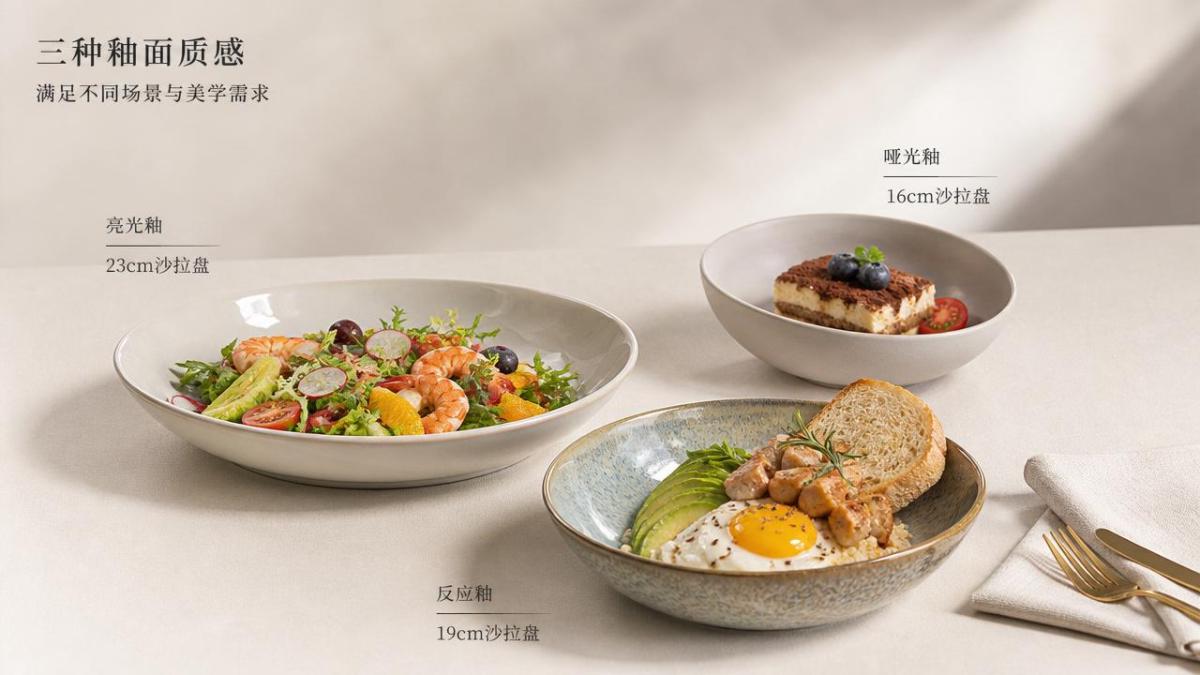
A ceramic salad plate looks simple, but it affects presentation, portion control, and table flow every day.
In restaurants and cafes, small tableware decisions often shape how food is perceived before the first bite.
That is why the ceramic salad plate remains a practical topic, not just a styling detail.
A well-sized plate supports cleaner plating, steadier carrying, and faster resetting between guests.
It also connects with broader kitchen equipment trends, where efficiency, durability, hygiene, and energy-aware operations all matter.
When kitchens become more organized and data-driven, even a ceramic salad plate should match workflow, storage, and washing capacity.
So the real question is not whether to use one, but which type fits the menu and service style best.
What size ceramic salad plate works best for different menus?
Most operators start with size, because size affects food balance, table spacing, and back-of-house handling.
A ceramic salad plate usually falls between 6 and 9 inches, but that range covers very different uses.
For side salads, bread service, or desserts, 6 to 7 inches is often enough.
For composed salads, shared starters, or cafe lunch plates, 8 to 9 inches feels more flexible.
The common mistake is choosing a plate only by diameter.
Rim width, well depth, and total surface area change how full the plate looks.
A wide-rim ceramic salad plate makes portions appear more refined.
A coupe shape gives more usable space for leafy items or grain bowls.
A quick way to match size with service needs
In actual use, plate choice becomes easier when tied to dish type and station movement.
If menu items change by season, one versatile 7.5 or 8 inch ceramic salad plate often covers the widest range.
Which glaze types are better for busy restaurants and cafes?
Glaze is not only about color or shine.
It influences scratch visibility, stain resistance, drying speed, and how the ceramic salad plate ages under repeated washing.
Gloss glaze is the easiest starting point for many operations.
It reflects light well, looks clean on the table, and usually releases oils and dressing residue more easily.
Matte glaze offers a softer, modern look.
Still, it can show metal marks faster, especially where cutlery contact is frequent.
Reactive glaze creates variation and character, which works well for brand storytelling.
The trade-off is consistency, because each ceramic salad plate may look slightly different.
How should glaze choice be judged in practice?
- Choose gloss when fast cleaning and a polished dining look matter most.
- Choose matte when visual warmth matters and cutlery marks are acceptable.
- Choose speckled or reactive finishes when a handcrafted identity supports the menu concept.
- Confirm the glaze is food-safe, dishwasher-safe, and stable under commercial heat cycles.
In a modern kitchen equipment environment, tableware also needs to work with automated washing systems and heavy daily turnover.
That makes glaze durability more important than showroom appearance alone.
Where is a ceramic salad plate most useful on the menu?
The name suggests salad, yet the ceramic salad plate often serves far beyond that single purpose.
In cafes, it may carry pastries, fruit, light lunches, and small sharing dishes.
In full-service restaurants, it often handles starters, tasting portions, and plated desserts.
This flexibility matters because many kitchens now aim to reduce unnecessary stock variations.
Fewer plate formats can simplify storage, counting, breakage planning, and dishwashing rhythm.
A ceramic salad plate also suits menus built around fresh ingredients, seasonal produce, and visible texture.
Ceramic surfaces frame greens, grains, cheeses, and sauces more naturally than many lightweight alternatives.
Typical applications worth considering
- Side salads paired with grilled dishes or sandwiches
- Cold starters such as burrata, sliced tomatoes, or smoked fish
- Dessert presentations needing a stable and premium-looking base
- Breakfast and brunch service where one plate must cover several light items
More importantly, the ceramic salad plate helps keep food visually organized, which supports consistent service during busy hours.
What are the most common mistakes when choosing a ceramic salad plate?
One common error is picking a plate based only on front-of-house appearance.
If the ceramic salad plate looks elegant but chips easily, it becomes expensive very quickly.
Another issue is ignoring dishwasher rack fit.
Even a small change in rim profile can reduce loading efficiency.
Weight is also underestimated.
A heavy ceramic salad plate may feel premium at first, but it slows carrying and increases fatigue over long shifts.
Color choice can create problems too.
Very dark glazes may hide some food details, while very pale matte finishes can reveal stains sooner.
A short checklist before deciding
These points sound small, yet they shape replacement cost and daily reliability over time.
How do you balance style, cost, and long-term use?
This is usually the real decision point.
A ceramic salad plate should support brand image, but it also needs a realistic service life.
Lower-priced options may work for light turnover settings, seasonal menus, or limited seating.
Higher-grade ceramics often justify the cost where dish volume, repeated washing, and visual consistency matter every day.
The better approach is to calculate value over time, not only unit price.
A ceramic salad plate with fewer chips and better glaze retention may reduce replacement frequency and service interruptions.
This thinking aligns with wider changes in the kitchen equipment industry.
Today, many foodservice operations prefer tools and tableware that support efficiency, sustainability, and consistent output.
That includes choosing durable materials, standardizing key formats, and avoiding items that create hidden labor costs.
So what should be reviewed next?
Start with actual dishes, not abstract design preferences.
Place sample portions on a few ceramic salad plate sizes and compare visual balance.
Then check weight, stackability, glaze resilience, and washing compatibility.
If the goal is smoother service and stronger presentation, those tests reveal more than catalog photos.
A good ceramic salad plate should feel easy to use, easy to maintain, and right for the menu from morning prep to final clearing.
That is usually the clearest sign that the choice will hold up in real service.
Popular Tags
Kitchen Industry Research Team
Dedicated to analyzing emerging trends and technological shifts in the global hospitality and foodservice infrastructure sector.
Industry Insights
Join 15,000+ industry professionals. Get the latest market trends and tech news delivered weekly.
No spam. Unsubscribe anytime.
Hot Articles


Contact With us
Contact:
Anne Yin (Ceramics Dinnerware/Glassware)
Lucky Zhai(Flatware)