
Charbroiler or Griddle? The Better Fit Depends on the Menu
Choosing between a Charbroiler and a griddle is not just about cooking style—it shapes menu consistency, kitchen automation, workflow, and equipment ROI. For operators, buyers, and decision-makers comparing a Charbroiler with tools like a Refrigerated Worktable, Wok Range, or Heated Display, the better fit depends on what you serve, how fast you need to produce it, and where kitchen innovation can create lasting value.
In commercial kitchens, this decision affects more than flavor. It influences production speed, cleaning time, ventilation load, training requirements, and how well the line supports peak demand. A burger concept serving 200 covers in 2 hours will evaluate equipment differently from a hotel breakfast station, a steak-focused casual restaurant, or a central kitchen preparing batch items for multiple outlets.
For information researchers, operators, procurement teams, and business leaders, the practical question is simple: which surface produces the menu result you need at the lowest long-term operational cost? The answer depends on menu mix, grease management, energy use, labor structure, and future expansion plans.
How a Charbroiler and a Griddle Differ in Real Kitchen Output
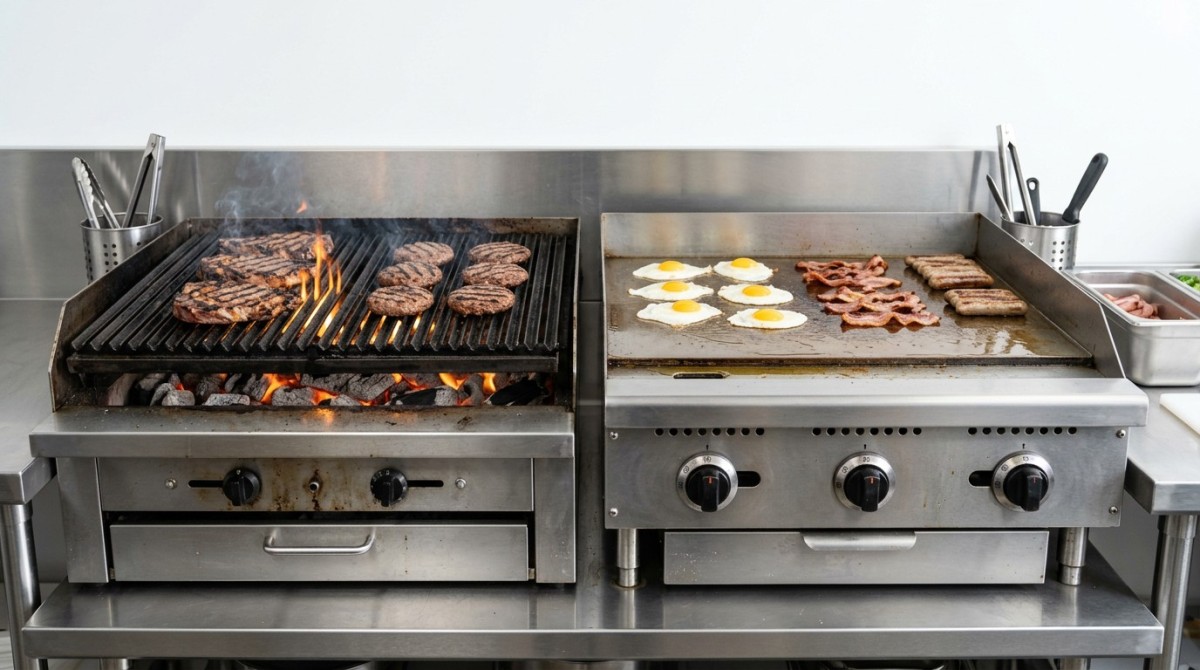
A charbroiler cooks over open grates with direct or radiant heat, creating sear marks, smoke aroma, and a grilled texture that many restaurants want for steaks, burgers, chicken, and certain vegetables. A griddle uses a flat heated plate, making it better suited for even-contact cooking, controlled browning, and multi-item breakfast or sandwich production.
In practical terms, the charbroiler usually wins when menu identity depends on flame-kissed appearance and a firmer grilled finish. The griddle typically performs better when consistency, grease retention, and high-volume repetition are more important than smoke flavor. For example, pancakes, eggs, bacon, smash burgers, quesadillas, and toasted sandwiches often benefit from a flat surface with uniform heat distribution.
Heat behavior also differs. Many commercial griddles operate in a surface range of roughly 150°C to 300°C, while charbroilers often deliver stronger direct heat zones with more visible variation across the grate. That variation can be useful for skilled cooks who want hot and resting areas, but it can also increase dependence on operator technique during peak service.
From a cleaning standpoint, griddles often support faster wipe-down routines between menu changes, while charbroilers generally require more attention to grates, burners, grease trays, and carbon buildup. Over a 7-day operating cycle, the labor difference may be meaningful for kitchens running 10 to 14 hours per day.
Core cooking differences that matter to buyers
- Flavor profile: charbroilers add grill aroma and visual branding; griddles deliver smooth browning and moisture retention.
- Production control: griddles usually provide easier repeatability for junior staff within 2 to 5 training shifts.
- Food versatility: charbroilers fit proteins and grilled vegetables; griddles support breakfast, sandwiches, burgers, and mixed all-day menus.
- Grease behavior: griddles retain more rendered fat on the plate; charbroilers allow more runoff, which can change texture and shrinkage.
The comparison below helps procurement teams align equipment type with expected menu output, operational complexity, and service style rather than choosing based on appearance alone.
The key takeaway is that the better choice is rarely universal. If the menu promise depends on grilled identity, a charbroiler supports that brand story. If speed, consistency, and broad menu flexibility matter more, a griddle often delivers stronger day-to-day value.
Menu Engineering: Match the Equipment to What You Sell Most
A useful buying rule is to evaluate the top 20% of menu items that generate 80% of cooking station demand. If those items require grill marks, open-grate drainage, or a drier exterior finish, the charbroiler may be essential. If they require contact searing, simultaneous batch cooking, or frequent spatula work, the griddle is usually the better platform.
Restaurants with a breakfast-to-lunch transition often favor the griddle because it handles eggs at 180°C to 200°C, pancakes at moderate settings, and lunch sandwiches without changing stations. By contrast, a steakhouse, burger bar, or mixed grill concept may need the charbroiler to maintain perceived product authenticity and price justification.
Hotels and buffet operators should also think about holding quality. A griddle can produce flatter, more uniform pieces that transfer predictably into a Heated Display or holding system. A charbroiler may create better immediate flavor, but products can dry faster if holding time extends beyond 10 to 20 minutes without careful moisture management.
When menu development includes wok-based dishes, prep-intensive assembly, or pass-through service, station interaction matters. A charbroiler placed next to a Refrigerated Worktable can support protein finishing, while a griddle beside sandwich prep may create a more efficient two-step build line. The equipment choice should support the full production chain, not operate as an isolated decision.
Typical menu-based fit
The following table shows how common foodservice formats often align with charbroiler or griddle use. These are not fixed rules, but they provide a practical starting point for menu planning and kitchen layout discussions.
For buyers, the most expensive mistake is selecting equipment for the occasional hero dish instead of the daily production core. If 60% to 70% of station volume is flat-top friendly, the griddle often improves throughput and labor efficiency. If high-margin grilled proteins define the concept, the charbroiler may protect revenue even if it demands more cleaning and ventilation support.
A simple 4-point menu test
- List the top 10 cooked items by daily ticket count.
- Estimate average cook time and holding sensitivity for each item.
- Mark which products require grill marks, smoke aroma, or flat contact searing.
- Check whether one surface can cover at least 70% of the station load without bottlenecks.
Operational Efficiency, Utilities, and Hidden Cost Drivers
Purchase price is only one part of kitchen equipment ROI. Operators should compare gas or electric demand, hood requirements, grease output, cleaning time, replacement parts, and labor dependency over a 3-year to 5-year ownership period. In many kitchens, these factors have a larger cost impact than the initial invoice difference.
A charbroiler often creates higher smoke and grease vapor loads, which can influence hood performance, filter cleaning frequency, and duct maintenance schedules. In tighter urban sites or retrofit projects, ventilation capacity can become the deciding factor. If upgrading extraction adds 2 to 4 weeks to project time or significantly raises installation cost, a griddle may offer a more practical path.
Griddles generally support faster recovery for repetitive items and easier batch sequencing, especially when line staff turnover is high. A kitchen that trains new operators every 30 to 90 days may prefer equipment with simpler temperature control and lower technique sensitivity. This can reduce waste, improve consistency, and shorten onboarding time.
Maintenance discipline matters as well. Charbroilers need regular grate care, burner inspection, and grease tray management. Griddles need plate conditioning, thermostat checks, and proper scraping technique. In either case, planned daily cleaning and weekly inspection reduce downtime risk and help preserve heat performance.
Key cost areas procurement should evaluate
- Ventilation impact: compare smoke output, hood loading, and grease extraction needs.
- Labor hours: estimate daily cleaning in minutes, plus weekly deep-clean requirements.
- Training burden: assess how many shifts a new cook needs to achieve acceptable consistency.
- Downtime exposure: identify wear parts, service accessibility, and spare part lead times.
The matrix below can support a more disciplined total-cost discussion during supplier evaluation and internal purchasing approval.
In many cases, the hidden winner is the equipment that reduces friction across the whole kitchen system. A slightly lower flavor premium may be acceptable if the station gains 15% to 25% more usable output during peak periods, especially in labor-constrained environments.
Selection Criteria for Buyers, Operators, and Decision-Makers
A good equipment decision should balance menu fit, kitchen layout, production targets, and future scalability. Buyers should evaluate not only cooking performance but also footprint, utility compatibility, cleaning access, and whether the equipment can integrate with adjacent stations such as a Wok Range, prep counter, cold storage, or finishing pass.
For procurement teams, a structured review can reduce costly replacement or underuse. Capacity should be linked to actual peak-hour demand. If a line needs to deliver 80 to 120 burger patties per hour, usable surface area and recovery time matter more than nominal equipment size. The same applies to hotels handling breakfast bursts in 45-minute windows.
Decision-makers should also assess expansion logic. If the concept may add delivery, semi-prepared items, or menu localization across multiple branches within 12 to 24 months, the more standardized platform may be easier to roll out. In single-site premium dining, a charbroiler may strengthen product differentiation. In chain operations, a griddle may simplify SOPs and reduce output variance across locations.
Another important factor is service access. Before issuing a purchase order, confirm cleaning clearances, gas or electric configuration, grease collection design, spare parts availability, and expected support response windows. Even a high-performing unit becomes a problem if a simple service issue stops production for 3 days during a busy week.
A practical 6-point purchase checklist
- Define your top menu items and peak-hour output target.
- Confirm utility conditions, including gas, electric load, and hood capacity.
- Measure usable line space and operator movement paths around the station.
- Compare daily cleaning workload and weekly maintenance needs.
- Review training complexity for both experienced and new staff.
- Ask suppliers about delivery lead time, installation support, and spare parts timelines.
Common selection mistakes
- Buying for visual appeal rather than menu demand.
- Ignoring ventilation and grease management requirements.
- Underestimating the impact of operator skill on charbroiler output.
- Choosing oversized equipment that wastes space and utility capacity.
For many B2B buyers, the right solution is not always charbroiler versus griddle. It may be a mixed hot line where each surface supports a defined production role. That approach can improve resilience, especially when menus combine breakfast, grilled proteins, and fast lunch assembly in one compact kitchen.
Implementation, Workflow Design, and FAQ for Real-World Use
After selection, implementation determines whether the equipment actually delivers value. A standard rollout usually includes 4 stages: site check, utility confirmation, installation, and operator training. In straightforward projects, this may take 7 to 15 days. In remodels involving hood changes or line relocation, the timeline may extend to 3 to 6 weeks.
Workflow design should place the cooking surface next to the tools it serves most often. A griddle may perform best beside refrigerated prep and sandwich assembly. A charbroiler may work better near protein staging, resting trays, and plating. If the station also feeds a Heated Display, test how product texture changes after 10, 20, and 30 minutes of hold time before locking the menu process.
Training should be documented in short operating routines: startup temperature checks, batch loading limits, cleaning intervals, and end-of-day shutdown. Even experienced teams benefit from visual SOPs because consistency often breaks down during rush periods or when temporary staff cover the line.
Below are common questions raised by researchers, operators, and purchasers evaluating a charbroiler or griddle for commercial kitchen projects.
Which option is better for a high-volume burger business?
It depends on the burger style. For smash burgers or tightly standardized patty production, a griddle is often more efficient and easier to train on. For a grill-positioned concept where flavor and marks justify premium pricing, a charbroiler can be the better fit. If hourly demand exceeds 100 patties and the menu includes add-ons like onions, buns, and eggs, many operators prefer the workflow flexibility of a griddle.
Is a charbroiler harder to maintain?
Usually yes. The open grate, grease tray, and burner area create more detailed cleaning tasks. Daily care and a weekly deep clean are important. However, in concepts built around grilled proteins, that extra maintenance can still be commercially worthwhile because it supports menu identity and perceived quality.
Can one kitchen use both a griddle and a charbroiler?
Yes, especially in medium to large operations. A dual-surface line is common where the griddle handles breakfast, sandwiches, and fast turnover items, while the charbroiler handles signature proteins. This setup requires enough ventilation, line spacing, and staffing discipline, but it often creates the strongest balance between flexibility and product differentiation.
What should buyers ask suppliers before ordering?
Ask about utility requirements, grease management design, cleaning access, replacement part availability, installation lead time, and recommended preventive maintenance frequency. Also request guidance on line integration with nearby equipment such as a Refrigerated Worktable, Wok Range, or Heated Display so the station works as part of an efficient kitchen system rather than a standalone appliance.
The best choice between a charbroiler and a griddle depends on your highest-volume menu items, target consistency, ventilation conditions, and labor model. Charbroilers are strong where grilled identity drives value. Griddles are powerful where versatility, speed, and repeatable output matter most. If you are planning a new kitchen, upgrading a line, or comparing equipment for multi-site rollout, now is the right time to review menu flow, utility limits, and ownership cost in one decision process. Contact us to discuss your application, get a tailored equipment recommendation, and explore more kitchen solutions built for long-term performance.
Popular Tags
Kitchen Industry Research Team
Dedicated to analyzing emerging trends and technological shifts in the global hospitality and foodservice infrastructure sector.
Industry Insights
Join 15,000+ industry professionals. Get the latest market trends and tech news delivered weekly.
No spam. Unsubscribe anytime.
Hot Articles
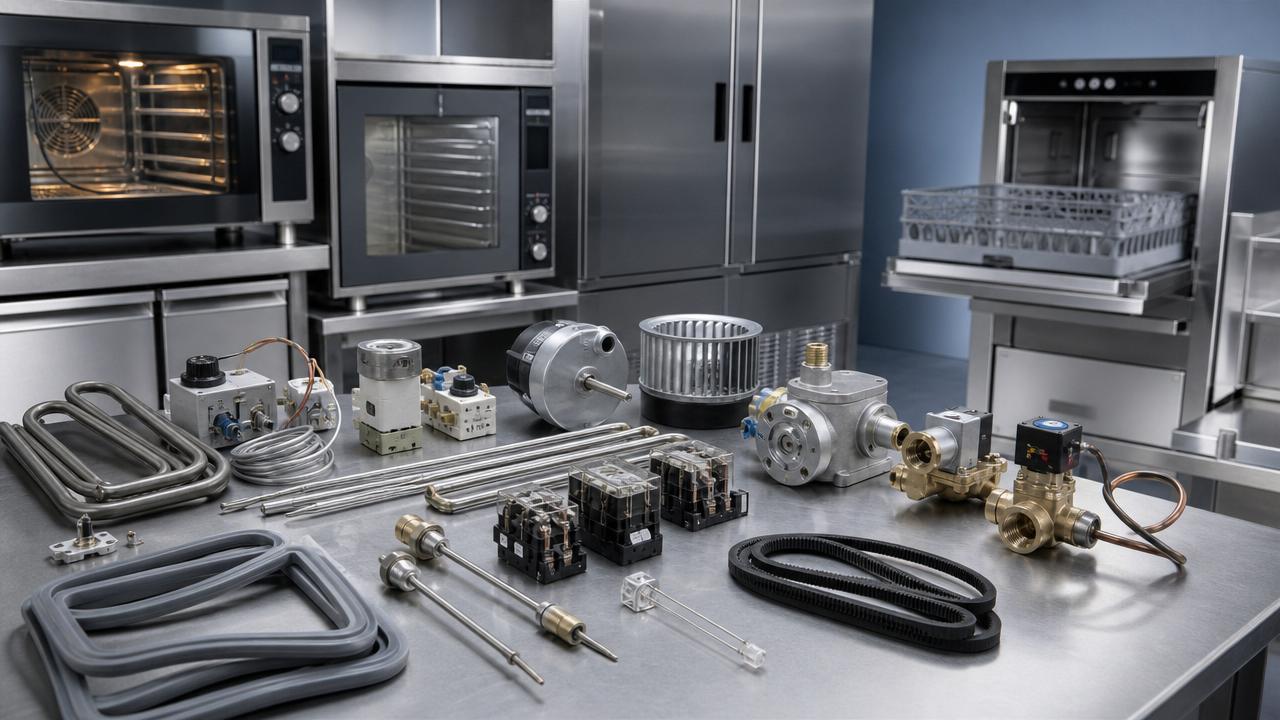
 Restaurant Kitchen Equipment Parts: What to Stock for Repairs and Preventive Maintenance
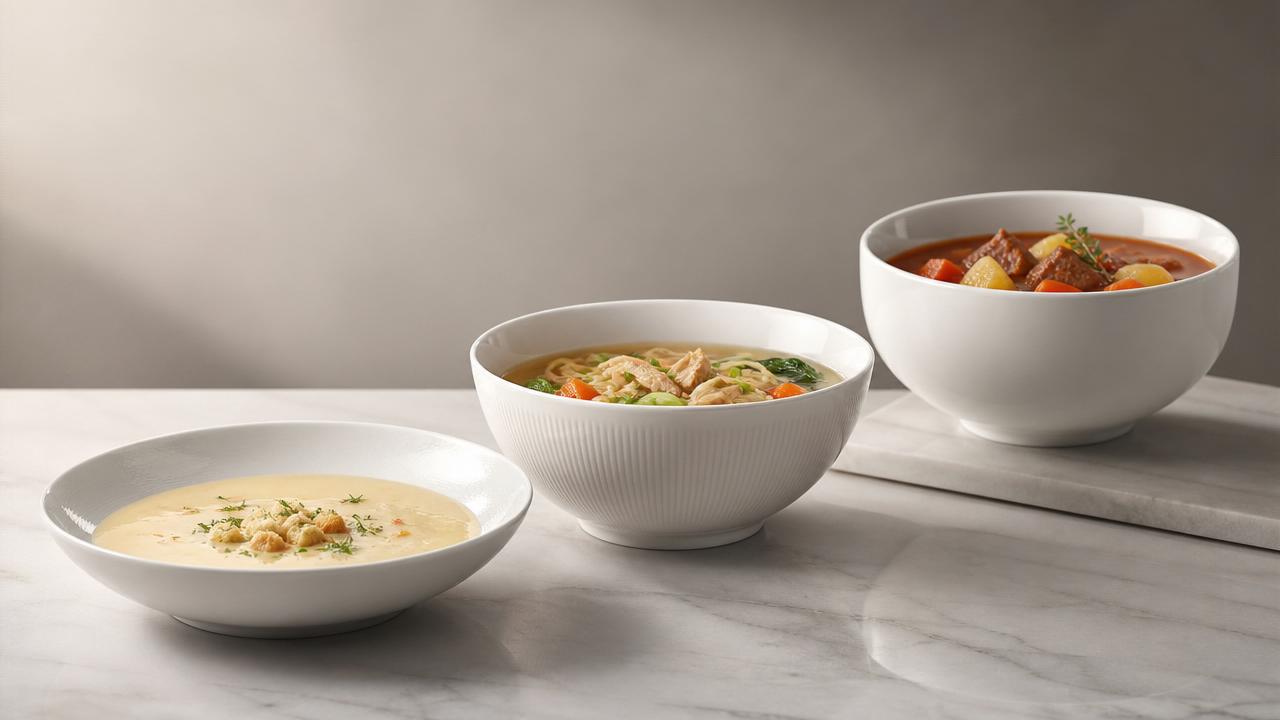
- Porcelain Soup Bowl Buying Guide: Shapes, Heat Retention, and Serving Scenarios
- Glass Yogurt Jar Sizes, Lid Types, and Filling Uses Explained
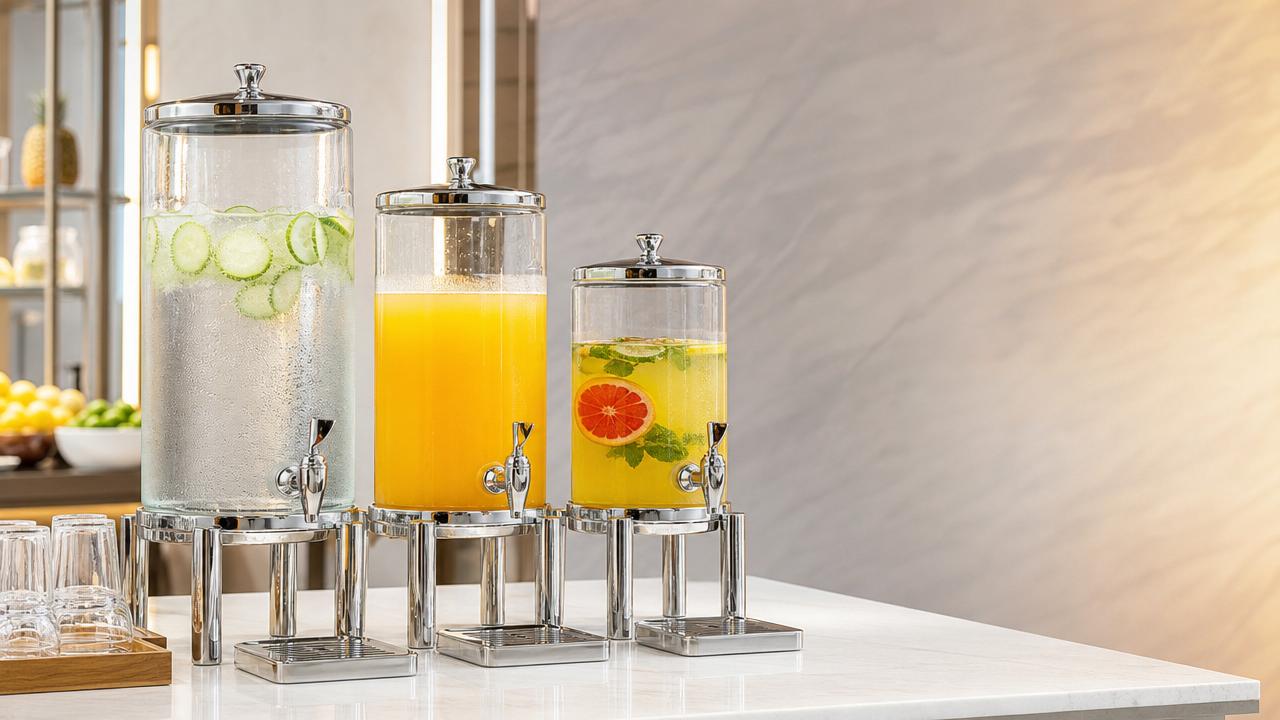
- How to Choose a Glass Beverage Server: Capacity, Spout Design, and Use Cases

Contact With us
Contact:
Anne Yin (Ceramics Dinnerware/Glassware)
Lucky Zhai(Flatware)