
EAEU Extends China Aluminum Strip Duty to 2031
On May 28, 2026, the Eurasian Economic Commission announced that the anti-dumping duty on Chinese aluminum strip will remain in place until May 24, 2031. For exporters of commercial kitchen equipment, this matters because aluminum strip is a key material used in heating tube substrates for combi ovens, air duct brackets for integrated cooking systems, and heat dissipation fins in central kitchen refrigeration units. The development is therefore worth close attention from manufacturers, procurement teams, compliance staff, and channel operators serving Russia, Belarus, and Kazakhstan, as it points to tighter cost pressure and more demanding technical compliance review in these markets.
The policy change and the material involved
The confirmed development is straightforward: the Eurasian Economic Commission issued an announcement on May 28, 2026, extending anti-dumping duties on Chinese aluminum strip through May 24, 2031.
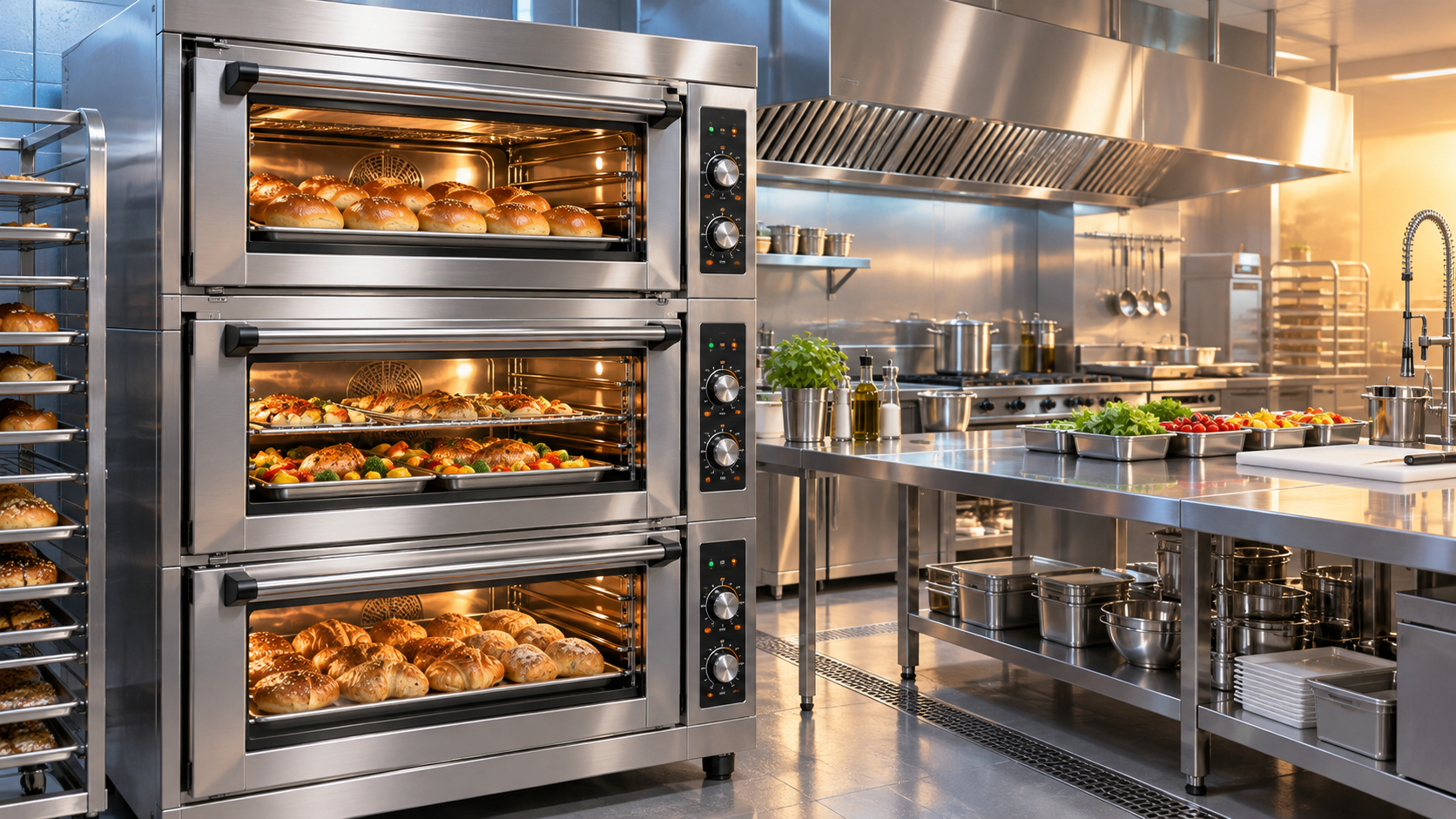
The material named in the update is commercially significant for the professional kitchen equipment supply chain. Aluminum strip is identified as a key input for several product structures, including heating tube substrates for commercial steam ovens and combi ovens, air duct support components for integrated cooking equipment, and cooling fins for refrigeration units used in central kitchen systems.
The direct business implication stated in the input is that Chinese kitchen equipment companies exporting high-end commercial equipment to Russia, Belarus, and Kazakhstan will face greater cost pressure as well as stronger technical compliance scrutiny.
Where pressure is likely to show up first
Exporters of high-end commercial equipment
From an industry perspective, exporters shipping finished equipment into Russia, Belarus, and Kazakhstan are the most immediate group affected. The reason is not only the duty itself, but the fact that the covered material is embedded in core components of premium commercial products. The pressure is most likely to appear in quotation, margin control, and delivery planning, while changes in compliance review may affect how products are documented and presented to customers.
Procurement and component sourcing teams
Procurement functions should pay attention because aluminum strip is tied to specific thermal, structural, and cooling applications inside equipment. Analysis shows that the issue is not limited to raw material pricing alone; it can also influence sourcing stability, supplier documentation, and the internal review of whether existing material arrangements still support exports into the relevant EAEU markets.
Manufacturing and engineering departments
For manufacturers and engineering teams, the development matters where product design intersects with export execution. Observably, if technical compliance review becomes stricter, teams responsible for material specifications, parts traceability, and product file preparation may face additional work. The impact is likely to concentrate on products positioned at the higher end of the commercial kitchen segment, where performance-critical components often receive more scrutiny.
Distributors and project-side buyers
Channel partners and commercial buyers in the destination markets should also monitor the change. Their exposure is likely to show up through procurement timing, product selection, and discussions around specification consistency. What deserves closer attention is whether supply-side pressure translates into longer confirmation cycles or closer review of product documentation before purchasing decisions are finalized.
What companies should watch now
Track official wording and any follow-up clarification
Companies should closely monitor how the announced extension is described in subsequent official communication. Analysis shows that the practical business impact often depends on how implementation language is interpreted in actual trade and compliance processes. At this stage, the extension itself is confirmed, but operational reading still requires continued verification.
Review exposed product categories and market routes
Teams serving Russia, Belarus, and Kazakhstan should identify which exported models rely on aluminum strip in the applications highlighted by the update. The immediate value of this review is to separate broad concern from product-level exposure, especially for high-end commercial steam cooking, integrated cooking systems, and central kitchen refrigeration equipment.
Recheck supplier files and export documentation
Because the summary points to stronger technical compliance scrutiny, businesses should re-examine supplier qualifications, material-related records, and document readiness linked to exported equipment. This is less about assuming a new rule that has not been published in the input and more about preparing for stricter review intensity in ongoing business.
Prepare customer communication around cost and lead time
What deserves closer attention is the distinction between policy signal and commercial execution. Even when a policy change is known, its effect on pricing, delivery, or contract discussion may emerge unevenly across products and customers. Companies should therefore prepare internal response paths for quotation updates, lead-time explanations, and project communication in the affected markets.
Why this looks like more than a short-term trade headline
Analysis shows that this development is better understood as a medium- to long-duration pressure signal rather than a one-off market fluctuation. The announced end date of May 24, 2031 gives the measure a multi-year horizon, which matters for exporters whose products depend on aluminum strip in key functional components.
At the same time, it is not yet appropriate to treat every downstream business outcome as settled fact. Observably, the confirmed information establishes a clear policy extension and points to stronger cost and compliance pressure, but the exact depth of impact on orders, pricing behavior, or procurement choices still requires continued observation through actual market execution.
How the market may best read this development
In practical terms, this update signals that commercial kitchen equipment exporters targeting Russia, Belarus, and Kazakhstan should not view material-related trade measures as isolated upstream issues. Because the affected material sits inside core thermal, structural, and cooling components, the pressure can move downstream into pricing, documentation, and customer-facing delivery discussions.
It is more appropriate to understand this as a confirmed policy extension with real supply-chain relevance, but one whose full commercial consequences still need to be tracked carefully. That makes it an actionable industry development, while also remaining a story that deserves continued monitoring rather than overstatement.
Basis of this article and follow-up verification
This article is based on the user-provided news title, event date, and event summary. The confirmed inputs used here are the May 28, 2026 announcement by the Eurasian Economic Commission, the extension of anti-dumping duties on Chinese aluminum strip until May 24, 2031, the identified use of aluminum strip in commercial kitchen equipment components, and the stated pressure on exports of high-end commercial equipment to Russia, Belarus, and Kazakhstan.
For this type of industry update, commonly relevant source categories may include official announcements, company disclosures, industry association releases, authoritative media coverage, and standard-setting documents. A specific official source link was not provided in the input, so further verification remains necessary. Continued attention should focus on any follow-up official wording, implementation detail, and market-side changes affecting procurement, compliance review, and export execution.
Popular Tags
Kitchen Industry Research Team
Dedicated to analyzing emerging trends and technological shifts in the global hospitality and foodservice infrastructure sector.
Industry Insights
Join 15,000+ industry professionals. Get the latest market trends and tech news delivered weekly.
No spam. Unsubscribe anytime.
Hot Articles
 How to Choose Food Containers for Hot, Cold, and Leak-Prone Takeout Meals
- How to Size a Commercial Oven for Peak Production Without Wasting Energy
- How to Evaluate Foodservice Equipment Suppliers for Reliability, Service, and Total Cost
- How to Choose a Cutlery Set for Restaurants: Material, Durability, and Cost


Contact With us
Contact:
Anne Yin (Ceramics Dinnerware/Glassware)
Lucky Zhai(Flatware)