
How to choose a stoneware pasta bowl that lasts
Choosing the right stoneware pasta bowl is about more than style. It affects durability, heat retention, cleaning ease, and daily use. A well-made bowl can serve family dinners for years. A poor one may chip fast, stain easily, or feel awkward in hand.
In the wider kitchen equipment industry, durable tableware matters because performance and longevity reduce replacement costs and improve mealtime efficiency. This guide explains how to compare materials, construction, finish, shape, and care before buying a stoneware pasta bowl that truly lasts.
What makes a stoneware pasta bowl durable?
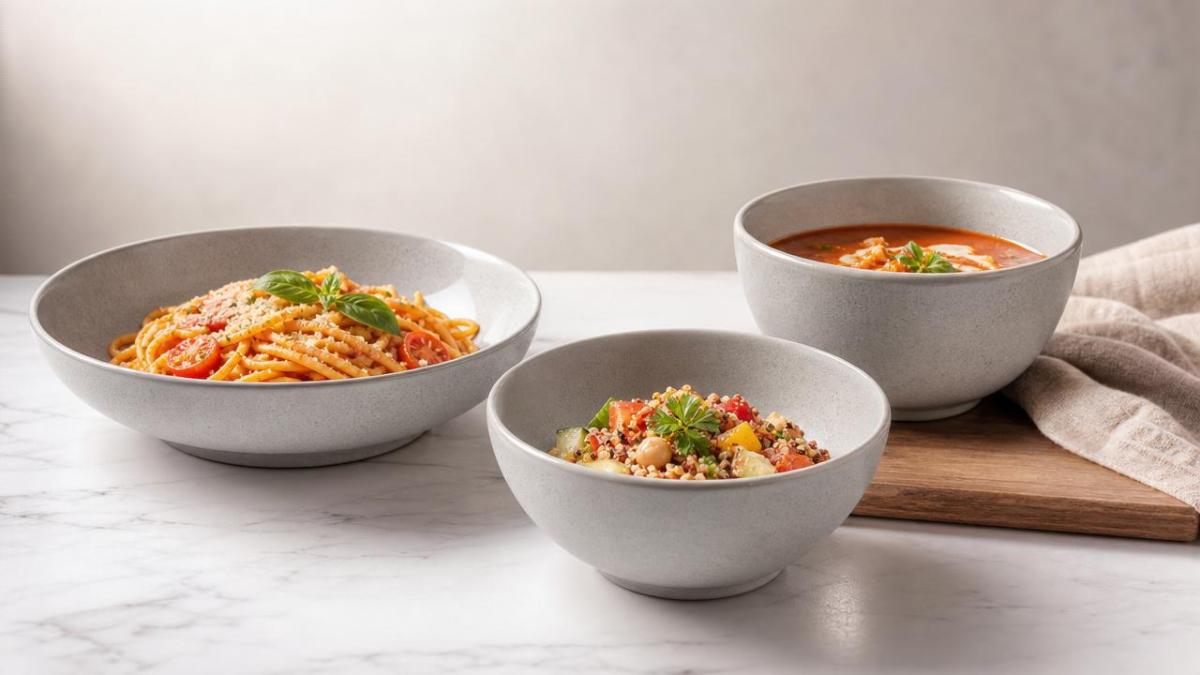
A durable stoneware pasta bowl starts with dense clay fired at high temperatures. This process creates a strong body that resists daily wear better than many lightweight ceramic options.
Thickness matters, but thicker does not always mean better. Good stoneware balances weight and strength. A bowl that feels solid without being clumsy usually performs well over time.
Look closely at the rim and base. These areas take the most impact during stacking, serving, and washing. Reinforced edges often help a stoneware pasta bowl resist chipping.
Glaze quality is equally important. An even glaze protects the surface from moisture, oil marks, and scratches. Uneven coating can lead to weak spots, discoloration, or rough texture.
If possible, check where the bowl was fired and whether the product description mentions vitrification. A more vitrified stoneware pasta bowl usually absorbs less water and lasts longer.
Quick durability signs to check
- Smooth, even glaze without bubbles or pinholes
- Rim feels solid and not razor-thin
- Base sits flat without wobbling
- Moderate weight with dense feel
- Dishwasher and microwave compatibility listed clearly
How do shape and size affect everyday use?
A stoneware pasta bowl should suit how food is actually served. Pasta, salads, grain bowls, stews, and shared side dishes all benefit from a wider, lower profile than standard soup bowls.
For everyday meals, a diameter between 8 and 10 inches is often practical. It gives enough room for sauce-coated noodles without crowding the plate or spilling during serving.
Depth also matters. A shallow bowl shows food attractively and works well for plated dishes. A deeper bowl supports saucy pasta, ramen, risotto, or mixed meals more securely.
The curve of the sides influences comfort. Gentle sloping sides help gather sauce and make eating easier. Very vertical walls can feel less elegant for pasta presentation.
Stackability deserves attention too. In homes with limited storage, a stoneware pasta bowl should nest neatly without sticking tightly or scratching neighboring bowls.
Best uses by bowl style
- Wide shallow bowl: pasta, salads, plated mains
- Medium-depth bowl: noodles, risotto, curry, grain bowls
- Deep bowl: soup-heavy dishes and one-bowl meals
Which finish and glaze details should you compare?
The finish affects both appearance and maintenance. A glossy stoneware pasta bowl usually resists stains well and cleans quickly. A matte finish can look modern but may show metal marks sooner.
Color consistency is another sign of quality. Slight variation is normal in artisanal stoneware. However, major patchiness may indicate less controlled production or uneven glazing.
Inspect the inside surface carefully. This area contacts acidic sauces, oils, and utensils. It should feel smooth, non-gritty, and fully coated to support long-term use.
Check whether the glaze is described as food-safe and lead-free. Trusted kitchen equipment standards increasingly emphasize material safety, especially for products used frequently with hot meals.
If you enjoy rustic design, choose texture on the exterior rather than the eating surface. A decorative outside can add character while keeping the inside of the stoneware pasta bowl practical.
Common finish issues to avoid
- Pinholes that trap food residue
- Rough glaze that drags against cutlery
- Hairline crazing before regular use
- Unfinished foot rings that scratch tables
How can you tell if a stoneware pasta bowl is suitable for daily kitchen use?
A lasting stoneware pasta bowl should handle modern kitchen routines. Microwave safety supports reheating. Dishwasher safety saves time. Oven-safe options add flexibility for warm serving and baked dishes.
Thermal shock resistance is important. Moving a bowl from fridge to very high heat can cause cracking. Good stoneware handles temperature changes better, but sudden extremes should still be avoided.
Weight should match daily habits. Heavy bowls may feel premium, yet they can become tiring during frequent washing or serving. Lighter stoneware may be easier for family use.
Also consider utensil marks. Some glazes show gray lines from metal flatware. These are often surface marks, not cracks, but they affect how clean the bowl looks over time.
In busy kitchens, convenience often matters as much as design. The best stoneware pasta bowl supports serving, reheating, cleaning, and storage without extra care demands.
What are the most common buying mistakes?
One mistake is choosing only by appearance. A stylish stoneware pasta bowl may photograph well, yet poor glaze, awkward depth, or unstable stacking can become daily frustrations.
Another mistake is ignoring dimensions. Online images often make bowls look larger or deeper than they are. Always read width, height, and capacity before buying.
Some buyers overlook the base finish. A rough foot can scratch wood, glass, or stone tables. It can also feel unfinished compared with better-quality stoneware.
Mixing unmatched replacements later can be difficult. If consistency matters, check whether the collection is part of an ongoing line with stable colors and repeat availability.
Finally, avoid assuming all stoneware performs the same. Manufacturing quality varies widely across the kitchen equipment market, from decorative entry-level pieces to robust daily-use tableware.
Red flags before purchase
- No care instructions listed
- No mention of food-safe glaze
- Very thin rim on a heavy bowl
- Inconsistent color across the set
- Multiple reviews mentioning chipping
How do you compare options quickly before buying?
A simple comparison table can help narrow choices. Focus on strength, finish, care needs, and real serving comfort rather than appearance alone.
FAQ: fast answers before you choose
To choose a stoneware pasta bowl that lasts, focus on material density, rim strength, glaze quality, useful dimensions, and easy-care compatibility. Those details often matter more than color or trend alone.
Before buying, compare at least three options side by side. Check dimensions, surface finish, and care instructions. A carefully selected stoneware pasta bowl will look good, feel comfortable, and perform reliably through everyday meals.
Popular Tags
Kitchen Industry Research Team
Dedicated to analyzing emerging trends and technological shifts in the global hospitality and foodservice infrastructure sector.
Industry Insights
Join 15,000+ industry professionals. Get the latest market trends and tech news delivered weekly.
No spam. Unsubscribe anytime.
Hot Articles
Contact With us
Contact:
Anne Yin (Ceramics Dinnerware/Glassware)
Lucky Zhai(Flatware)