
Restaurant kitchen equipment manufacturers and lead time gaps
Choosing the right restaurant kitchen equipment manufacturers is no longer only about price or product range. For procurement teams, lead time gaps can disrupt openings, delay renovations, and increase operating costs. As global demand rises and supply chains shift, understanding how manufacturers manage production schedules, customization, and delivery timelines has become essential to making smarter purchasing decisions.
Understanding the role of manufacturers and lead time variability
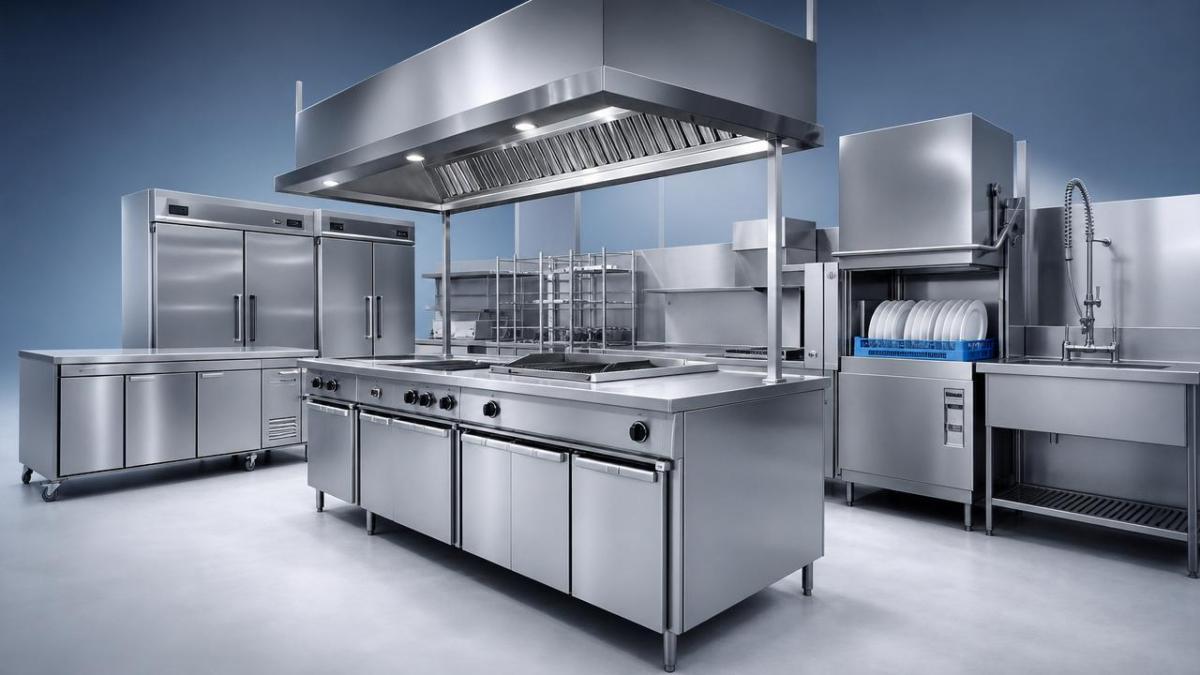
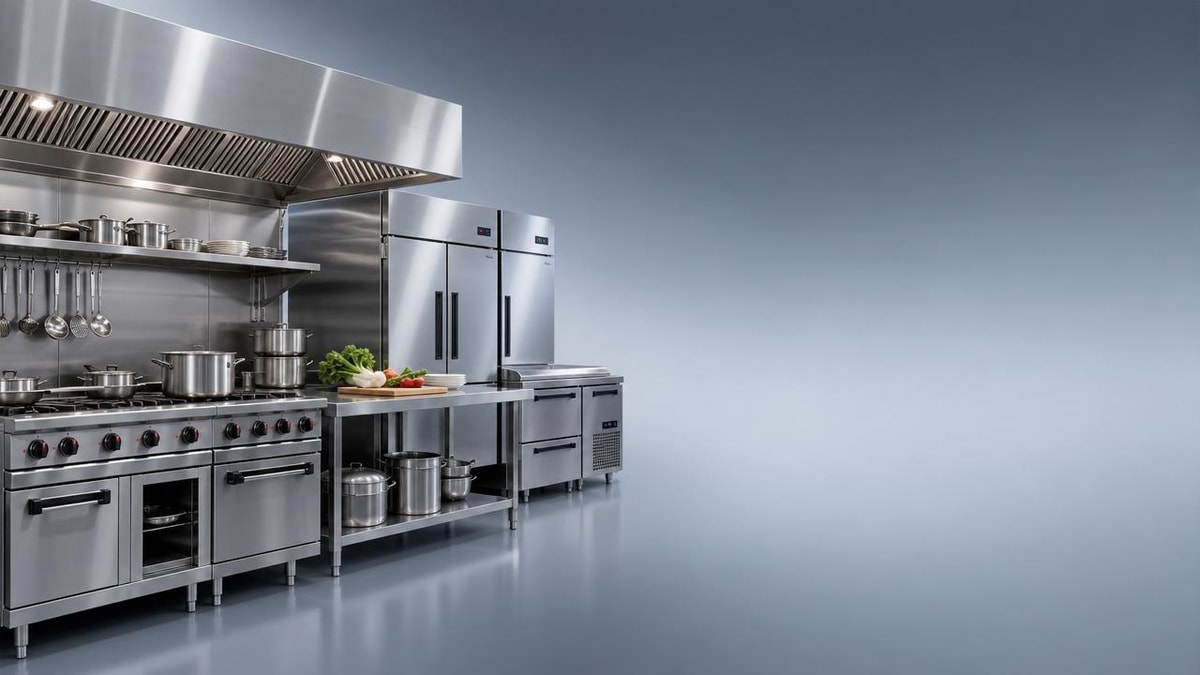
In the commercial foodservice market, restaurant kitchen equipment manufacturers supply the core systems that allow restaurants, hotels, central kitchens, and food processing operations to run safely and efficiently. Their product scope often includes cooking ranges, refrigeration units, stainless steel worktables, ventilation systems, dishwashing equipment, food preparation machinery, and increasingly, smart and energy-efficient solutions. For procurement professionals, these products are not simply assets; they are operational infrastructure that affects labor productivity, food safety compliance, energy use, and service continuity.
Lead time gaps refer to the difference between expected and actual delivery windows, or the variation in timing among manufacturers, product categories, and order types. A standard stock fryer may ship in days, while a customized ventilation canopy or integrated cooking suite may require several weeks or even months. These gaps matter because restaurant projects often depend on synchronized milestones such as construction, utility installation, inspections, staff training, and soft opening schedules. When kitchen equipment arrives too late, the entire project timeline can shift.
This is why procurement teams increasingly evaluate restaurant kitchen equipment manufacturers not only by catalog breadth and price competitiveness, but also by production discipline, supply chain visibility, export readiness, and after-sales coordination. In a market shaped by automation, digital controls, and global sourcing, timing has become a strategic selection factor.
Why lead time gaps are attracting more attention across the industry
The kitchen equipment industry has entered a period of structural change. Demand from restaurants, hotels, institutional catering, and food processing facilities continues to grow, while buyers increasingly request energy-saving designs, smart monitoring, and equipment tailored to workflow efficiency. At the same time, international supply chains remain exposed to raw material fluctuations, component shortages, shipping congestion, and changing compliance requirements. As a result, lead times are no longer stable reference points.
For restaurant kitchen equipment manufacturers, lead time performance depends on several variables. First, the manufacturing model matters. Some factories focus on high-volume standardized lines with predictable throughput, while others specialize in project-based stainless fabrication or custom assemblies. Second, component dependency matters. Equipment that relies on imported compressors, digital controllers, or specialty burners can face delays even if final assembly is local. Third, demand seasonality matters. Before holiday peaks, franchise rollouts, or hospitality expansion cycles, order backlogs can extend sharply.
From the buyer side, the problem becomes more complex when project teams treat all equipment categories as if they share similar procurement cycles. They do not. A procurement plan that ignores these differences may appear efficient on paper but create bottlenecks in execution.
This variation explains why restaurant kitchen equipment manufacturers are increasingly judged on planning capability as much as product quality. Buyers want realistic dates, not optimistic estimates that later require revision.
What lead time gaps mean for procurement teams
For procurement personnel, lead time gaps affect more than delivery schedules. They influence budget control, supplier allocation, contract terms, and project risk management. If a manufacturer cannot provide a dependable production timeline, the buyer may need to hold buffer inventory, split orders among multiple sources, or pay premium freight to protect project deadlines. Each of these responses increases total landed cost.
Lead time uncertainty also affects technical coordination. Many commercial kitchens require exact dimensions, utility placement, and installation sequencing. If one item is delayed, installers may be unable to complete gas, drainage, electrical, or exhaust connections on time. In a renovation project, this can prolong downtime. In a new opening, it can postpone revenue generation and create staffing inefficiencies because trained teams wait for a fully operational kitchen.
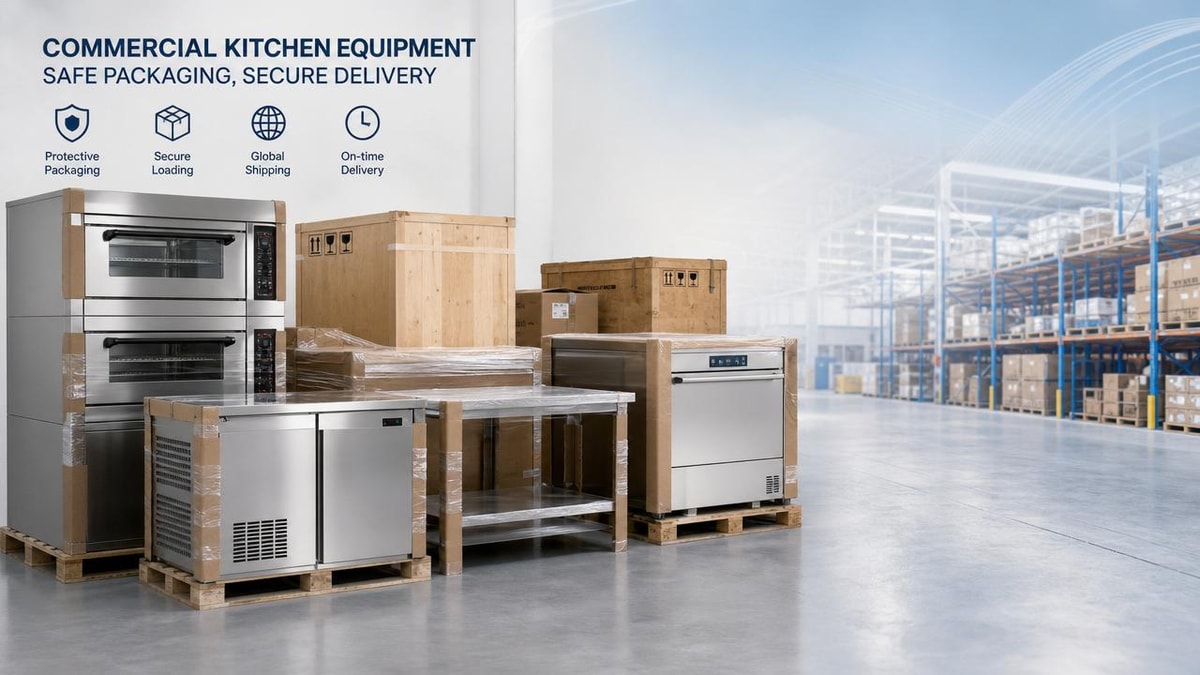
This is especially important when working with restaurant kitchen equipment manufacturers across borders. International procurement adds export packaging, customs clearance, document accuracy, local certification, and inland transportation to the lead time equation. A supplier that looks cost-effective at quotation stage may become less attractive if the timeline lacks transparency.
Common scenarios where timing differences become critical
Lead time gaps do not affect every purchase in the same way. Their impact becomes more serious in projects where equipment is tied to construction, branding, regulatory compliance, or multi-site rollout. Understanding these scenarios helps procurement teams prioritize which manufacturer capabilities matter most.
These situations show why procurement teams should segment suppliers by project fit rather than rely on a single vendor ranking. Some restaurant kitchen equipment manufacturers excel in fast-moving standard orders, while others are better suited for engineered and customized projects.
How to evaluate manufacturers beyond quoted delivery dates
A quoted lead time is only useful if it reflects actual factory conditions. Buyers should therefore assess the operating logic behind the date. The first point is capacity visibility. Can the supplier explain current workload, production batching, and slot allocation? The second is component control. Which critical parts are made in-house, and which depend on outside vendors? The third is change management. How does the manufacturer handle drawing revisions, specification changes, or urgent order adjustments?
It is also wise to review the manufacturer’s communication rhythm. Reliable restaurant kitchen equipment manufacturers typically provide milestone updates covering order confirmation, material preparation, fabrication, testing, packing, and dispatch. This level of transparency allows procurement teams to align internal stakeholders such as construction managers, consultants, finance teams, and operations leaders.
Quality systems should be considered alongside speed. An aggressive lead time is not beneficial if the result is rework, shipping damage, or installation conflict. In practical terms, a slightly longer but dependable schedule may produce lower overall project cost than an unstable fast promise.
Key evaluation points for buyers
When screening restaurant kitchen equipment manufacturers, procurement teams should pay close attention to production consistency, export capability, technical support, and post-order responsiveness. Factory audits, sample reviews, project references, and documented on-time delivery performance are often more valuable than headline pricing alone. Buyers should also ask whether the supplier separates standard and custom production lines, because this often reduces scheduling conflict.
Practical strategies to reduce lead time risk
The most effective way to manage lead time gaps is to treat them as a planning issue rather than a last-minute logistics problem. Early specification freeze is one of the strongest safeguards. If dimensions, power requirements, and materials remain under discussion after order placement, delivery risk increases significantly. Procurement teams should also classify items by urgency and complexity. Long-lead custom products should be ordered first, while standard accessories can follow later.
Another useful approach is supplier portfolio balancing. Instead of expecting one source to solve every need, buyers can combine specialized restaurant kitchen equipment manufacturers with reliable distributors or local fabricators. This creates flexibility when one production stream becomes constrained. For international projects, it is also prudent to build a time buffer for inspection, customs documentation, and inland delivery to the final site.
Digital coordination is becoming increasingly valuable as well. Manufacturers that use order tracking, engineering collaboration tools, and production status reporting make it easier for procurement teams to anticipate problems before they become schedule failures. In a market moving toward intelligent kitchen systems, visibility is part of supplier value.
The broader industry trend shaping manufacturer performance
Global kitchen equipment manufacturing is shifting toward automation, intelligence, and energy efficiency. Countries such as China, Germany, Italy, and Japan remain important production and export centers, but buyers now compare them not only by manufacturing cost or product design, but also by responsiveness and system integration ability. As restaurants seek smarter kitchens, connected appliances, and higher food safety standards, equipment often includes more electronics, software, and precision engineering than before. This raises the technical value of the product, but it can also increase lead time sensitivity.
For procurement teams, this means supplier evaluation must keep pace with industry evolution. Restaurant kitchen equipment manufacturers that invest in lean production, standardized modules, digital planning, and energy-efficient design are often better positioned to deliver stable outcomes. Their advantage is not just manufacturing scale; it is the ability to coordinate complexity without losing schedule discipline.
Frequently considered questions in manufacturer selection
Are shorter lead times always better?
Not necessarily. A short lead time only adds value when it is realistic and supported by quality control, packaging reliability, and clear technical documentation. For many buyers, predictability is more valuable than speed alone.
Do custom orders always create large delays?
Custom orders usually take longer, but the size of the delay depends on how quickly drawings are approved, whether measurements are accurate, and how experienced the manufacturer is with project engineering. Skilled restaurant kitchen equipment manufacturers can often manage custom work efficiently if the specification process is disciplined.
What is the most overlooked procurement risk?
A common oversight is treating factory completion as the same as site readiness. Even when production finishes on time, delays can still occur during inspection, shipment, customs clearance, or installation coordination.
A practical way forward for procurement teams
Selecting restaurant kitchen equipment manufacturers requires a broader view than product comparison alone. Procurement teams should understand what drives lead time gaps, which equipment categories carry the highest timing risk, and how supplier operating models affect delivery reliability. In today’s market, the best sourcing decisions combine technical suitability, realistic scheduling, and supply chain transparency.
If your organization is planning a new opening, renovation, chain rollout, or central kitchen project, start by mapping critical-path equipment and matching each category with manufacturers that have proven schedule control. This approach helps reduce disruption, protect budgets, and support smoother project execution in a competitive foodservice environment.
Popular Tags
Kitchen Industry Research Team
Dedicated to analyzing emerging trends and technological shifts in the global hospitality and foodservice infrastructure sector.
Industry Insights
Join 15,000+ industry professionals. Get the latest market trends and tech news delivered weekly.
No spam. Unsubscribe anytime.

Contact With us
Contact:
Anne Yin (Ceramics Dinnerware/Glassware)
Lucky Zhai(Flatware)