
Why kitchen design cost changes so much between layouts
Kitchen design cost can vary dramatically depending on whether the project is for homes, cafes, hospitals, schools, or industrial kitchens. From custom kitchen design and smart kitchen design to energy efficient kitchen design, every layout changes equipment needs, workflow, safety, and budget. This guide explains why kitchen design price shifts so much and how commercial restaurant supplies, stainless steel restaurant supplies, and the right restaurant supplies manufacturer influence total investment.
Why does kitchen design cost change so much from one layout to another?
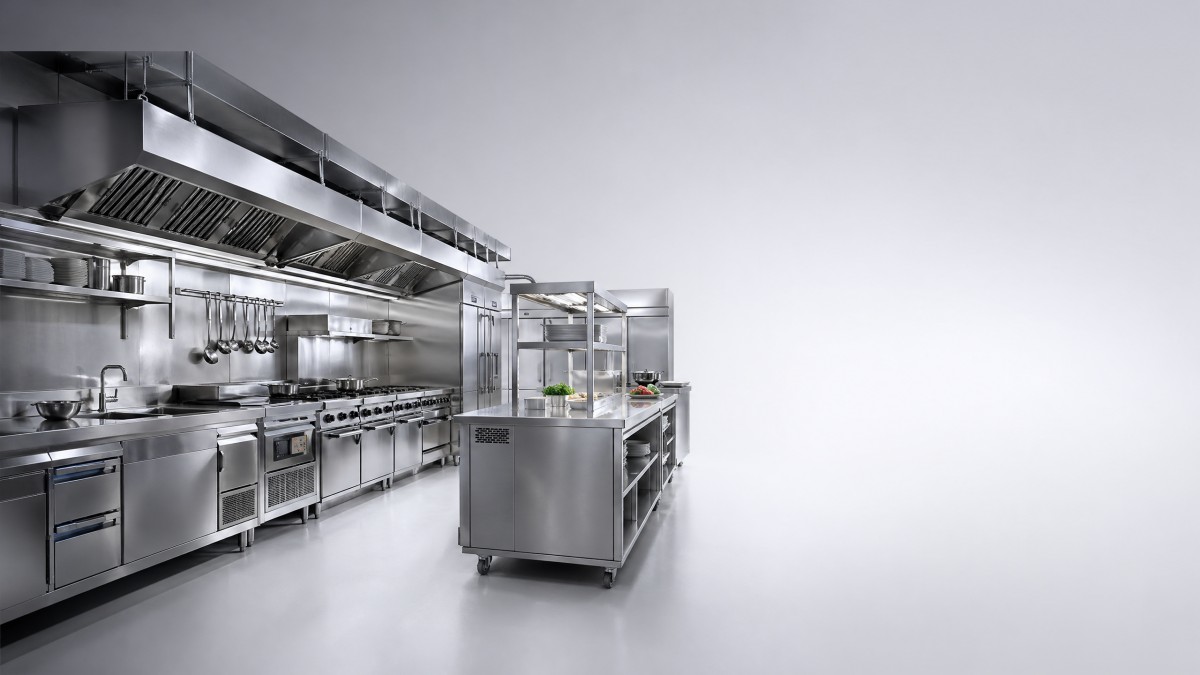
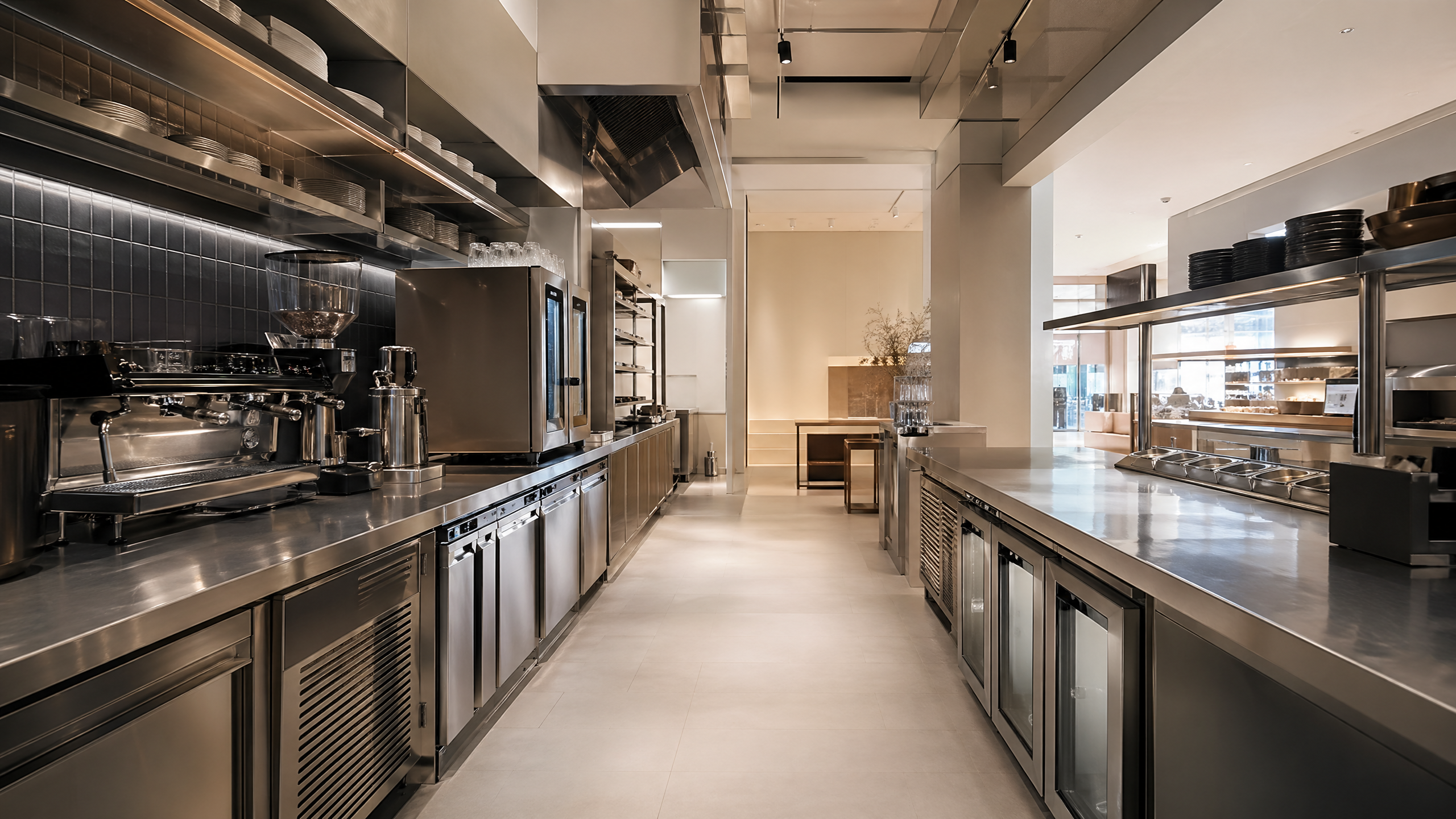
Kitchen design cost is not driven by square footage alone. In practice, the layout determines workflow, utility routing, equipment count, ventilation load, labor efficiency, and cleaning difficulty. A straight-line kitchen may need fewer connections and simpler traffic flow, while an island or zone-based commercial kitchen design can require more exhaust points, wider circulation paths, and additional prep stations.
For procurement teams and decision makers, the biggest cost swing usually comes from three variables: equipment intensity, compliance requirements, and customization depth. A household kitchen may focus on cabinets and appliances, but a cafe, school kitchen, or hospital catering unit often needs stainless steel restaurant supplies, grease management, washable surfaces, and reliable continuous operation for 8–16 hours per day.
The kitchen equipment industry also adds complexity because layouts must match production volume. A small outlet serving 50–100 meals per day has a very different design logic from a central kitchen producing 1,000+ portions. Once production targets increase, the design often shifts from basic installation to integrated kitchen systems with hot line, cold prep, washing, storage, and digital monitoring.
Another reason costs vary is that modern projects increasingly combine automation, intelligence, and energy efficiency. Smart kitchen design may include connected ovens, monitoring panels, temperature logging, or automated food processing support. These features can lower operating cost over 2–5 years, but they increase upfront design coordination, commissioning, and training needs.
The main cost drivers hidden inside a layout
- Workflow complexity: separate receiving, storage, prep, cooking, plating, and dishwashing zones usually need more space and more fittings.
- Utility demand: gas, electric, water, drainage, and exhaust loads rise quickly when heavy-duty cooking lines are added.
- Material specification: stainless steel worktops, splashbacks, and heavy-gauge fabrication cost more than residential finishes but support hygiene and durability.
- Compliance and safety: fire separation, ventilation balance, cleanability, and food safety planning often add design revisions and installation steps.
For information researchers comparing kitchen design price across suppliers, this means two quotes can look similar at first but reflect very different scopes. One may include basic equipment placement only, while another includes utility drawings, workflow validation, fabrication details, and after-installation support.
Which layouts usually cost less, and which ones cost more?
A practical way to understand cost differences is to compare layouts by application. In residential and light commercial settings, compact linear or L-shaped plans often control cost because they reduce pipe runs, duct length, and cabinet customization. In foodservice and processing environments, however, lower initial cost can create bottlenecks if the line cannot support peak periods or sanitation routines.
Higher-cost layouts are usually not expensive by accident. They are expensive because they solve operational problems. A U-shaped prep area can reduce movement during repetitive tasks. A separate clean and dirty flow in institutional kitchens can support hygiene management. An island suite can improve chef communication but often increases hood size, floor services, and installation coordination.
The table below shows how kitchen design cost typically changes when layout logic changes. These are not fixed prices, but common cost patterns used in planning discussions for commercial kitchen equipment and integrated kitchen systems.
The key takeaway is that the “cheapest” layout can become expensive later if labor, cleaning time, or service speed suffers. In many B2B projects, a layout that costs more at installation can reduce operator movement, improve food safety separation, and support faster throughput across 3–5 years of use.
Layout decisions by scenario
For cafes and quick-service outlets
Compact layouts usually work well when the menu is narrow and staff count is 2–5 people per shift. In these cases, careful placement of undercounter refrigeration, coffee systems, and wash areas matters more than adding extra floor area. Commercial restaurant supplies must fit speed and repeatability, not only appearance.
For hospitals, schools, and central kitchens
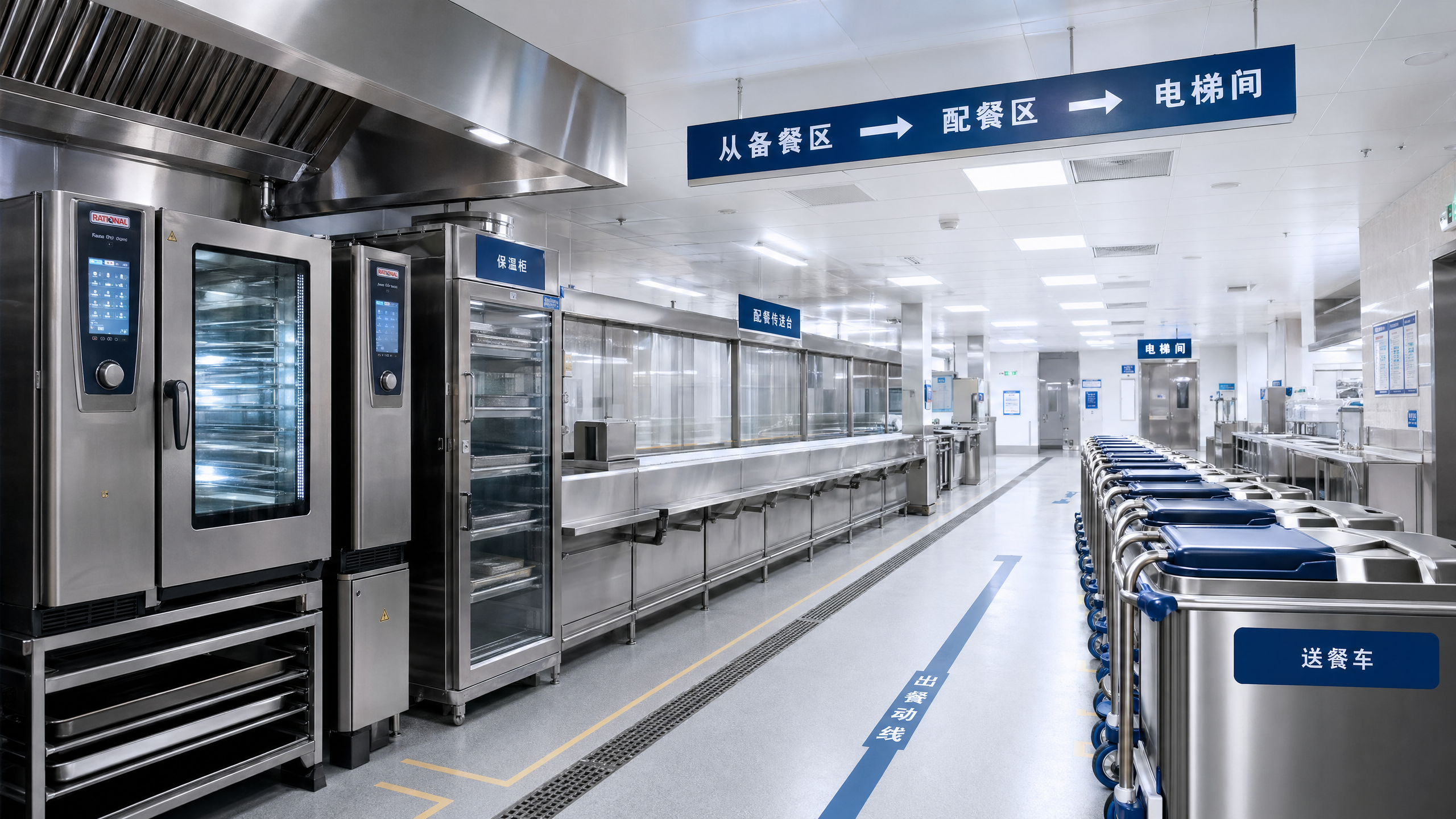
These layouts often need separated flows for raw, cooked, clean, and waste handling. The design may also need staging for carts, insulated transport, and bulk holding. That is why kitchen design cost increases when output rises from small-batch service to medium or large batch production.
How equipment, materials, and utilities reshape the final budget
After layout, the second major factor is specification. Two kitchens with similar floor plans can have very different budgets if one uses light-duty appliances and the other uses heavy-duty commercial kitchen equipment for continuous service. Power rating, heat rejection, service access, and cleaning design all affect installation cost.
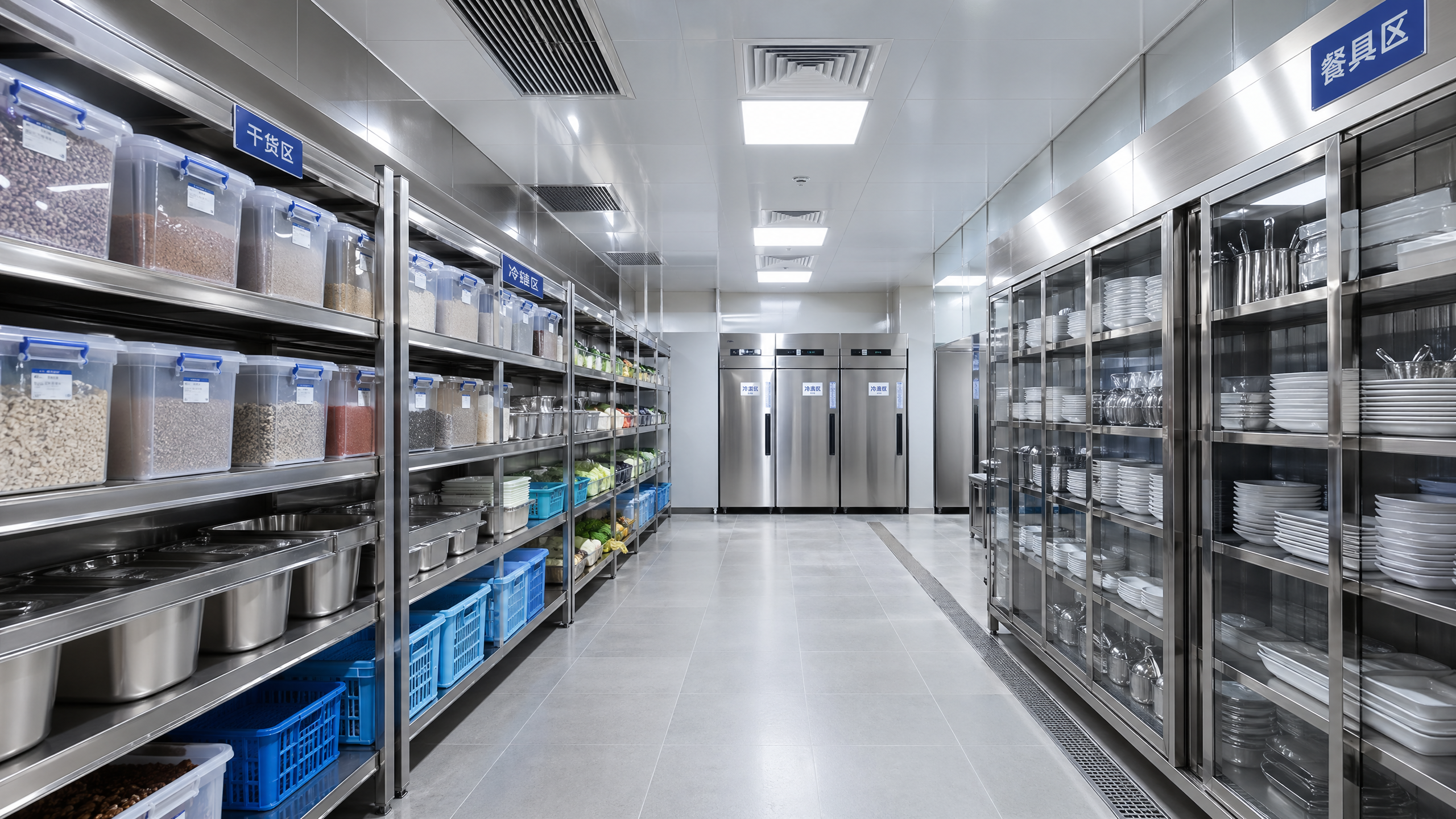
Stainless steel restaurant supplies are a common example. Stainless steel tables, sinks, shelving, and fabrication usually cost more than decorative residential materials, yet they remain a preferred choice in foodservice because they are easier to sanitize, more durable in wet environments, and better suited to repeated daily cleaning. Gauge, finish, and weld quality can also change the price significantly.
Utilities are another budget multiplier. A layout that clusters cooking equipment may simplify operations but increase ventilation load. A kitchen with electric combi ovens, refrigeration, dishwashing, and hot holding can push demand into a much higher electrical planning bracket. For many projects, utility coordination takes 2–4 weeks of engineering review before fabrication can begin.
Energy efficient kitchen design should also be evaluated carefully. High-efficiency equipment, heat recovery features, LED task lighting, and smart controls may cost more upfront, but they can reduce utility waste and operator error. The value becomes stronger where equipment runs daily, such as hotels, institutions, and food processing support kitchens.
Typical specification areas that change kitchen design price
- Duty cycle: occasional household use versus 10–16 hour commercial operation requires different construction and cooling strategies.
- Fabrication detail: custom corners, integrated backsplash, welded sink bowls, and mobile bases raise production time.
- Utility readiness: remote condensers, floor drains, grease traps, and make-up air systems add installation scope.
- Control level: manual equipment is simpler, while smart kitchen design adds sensors, connectivity, and training.
For users and operators, the correct question is not only “What does this equipment cost?” but also “What does this layout require to make the equipment work safely and efficiently?” That shift in thinking helps avoid underbudgeting during the early planning stage.
What should buyers compare before choosing a kitchen design supplier or restaurant supplies manufacturer?
Procurement decisions often fail when buyers compare quotations line by line without checking scope quality. A reliable restaurant supplies manufacturer or project partner should be able to explain workflow assumptions, material selection, utility requirements, and delivery boundaries. If these details are missing, a low quote may turn into site changes, delays, or performance issues later.
The most useful comparison method is to score suppliers on design capability, equipment matching, fabrication quality, compliance awareness, and service response. This is especially important in multi-site hospitality, education catering, healthcare foodservice, and export-oriented projects where lead time and documentation matter as much as unit price.
The table below can help purchasing teams compare kitchen design proposals in a structured way before confirming budget and production schedule.
A structured evaluation reduces purchasing risk because it shifts attention from headline price to total project readiness. For enterprise buyers, this is often the difference between a workable kitchen system and a costly installation problem hidden inside an attractive quotation.
A practical 5-point buyer checklist
- Confirm service volume: daily meals, peak-hour demand, and menu complexity should be defined before selecting layout.
- Check utility conditions: available gas, power, water pressure, and drainage capacity should be reviewed early.
- Request equipment list transparency: every major item should show size, function, and installation assumption.
- Review fabrication and hygiene details: corners, joints, and cleaning access affect long-term usability.
- Ask about lead time: custom projects commonly need 3–8 weeks depending on scope and material availability.
How can businesses control kitchen design cost without damaging performance?
Cost control does not mean removing critical equipment or choosing the lowest grade everywhere. It means aligning the layout with actual production targets and avoiding design features that look attractive but add little operational value. In many projects, the best savings come from standardization, phased upgrades, and smarter equipment grouping rather than aggressive cutting.
One common strategy is to separate “must-have” functions from “future-ready” options. For example, a new restaurant may install core cooking, prep, refrigeration, and dishwashing first, then add advanced monitoring or secondary specialty stations later. This phased approach can reduce first-stage capital pressure while keeping expansion possible within 6–18 months.
Another effective method is to use standardized stainless steel restaurant supplies where customization adds little value. Not every table, sink, rack, or shelf must be custom-fabricated. Standard modules often shorten lead time by 7–15 days and simplify replacement in high-use environments.
Energy efficient kitchen design also deserves a lifecycle view. It may be reasonable to spend more on high-use equipment such as combi cooking, refrigeration, or ventilation control, while selecting more economical solutions for lower-use auxiliary stations. This selective investment method can balance capital cost and operating efficiency more effectively than across-the-board premium purchasing.
Where cost savings are usually safe, and where they are risky
- Usually safe: standard tables, shelving, modular storage, and phased smart control upgrades when future compatibility is preserved.
- Potentially risky: ventilation undersizing, inadequate drainage, weak refrigeration capacity, and hard-to-clean fabrication details.
- Usually worth the spend: heavy-use cooking line equipment, hygienic work surfaces, operator safety features, and reliable service access.
For decision makers, the most productive question is not “How do we make this design cheap?” but “How do we remove nonessential cost while protecting throughput, hygiene, and maintainability?” That mindset improves both procurement outcomes and long-term return.
FAQ: what do buyers and operators ask most often about kitchen design cost?
Does a bigger kitchen always cost more?
Not always. A larger but simpler layout can cost less than a smaller kitchen packed with high-duty commercial kitchen equipment, custom stainless fabrication, and complex ventilation. Cost is driven more by function density, compliance needs, and utility demand than by floor area alone.
Is custom kitchen design worth the extra budget?
It depends on the scenario. Custom kitchen design is often justified when the menu is specialized, the footprint is irregular, hygiene zoning is strict, or workflow speed directly affects revenue. For straightforward operations, partial customization plus standard modules is often the better value.
How long does a commercial kitchen project usually take?
A typical sequence includes 1–2 weeks for requirement confirmation, 2–4 weeks for design and technical review, and 3–8 weeks for fabrication and delivery depending on scope. Installation and commissioning time can vary further based on site readiness and utility coordination.
What are the most common cost mistakes?
The main mistakes are underestimating ventilation, ignoring operator flow, choosing equipment without checking actual output need, and comparing supplier quotes without confirming scope. Another frequent issue is buying low-cost restaurant appliances that are not suitable for the real duty cycle.
Why work with us when planning kitchen design, equipment selection, and supply coordination?
A successful kitchen project needs more than product supply. It needs layout understanding, equipment matching, material judgment, and practical coordination between design, production, and site conditions. Whether you are planning a cafe, hotel, school, hospital, food processing support area, or residential upgrade, we can help you connect kitchen design cost with real operating needs.
You can contact us to discuss 6 key items before purchase: layout review, equipment list confirmation, stainless steel restaurant supplies specification, utility compatibility, delivery schedule, and customization options. If your project includes smart kitchen design or energy efficient kitchen design goals, we can also discuss which upgrades are suitable now and which can be phased later.
For procurement teams, we can support quotation comparison, parameter clarification, and selection logic across different kitchen layouts. For operators and end users, we can focus on workflow practicality, cleaning access, and maintenance convenience. For business decision makers, we can help define the balance between initial investment, expected output, and future expansion.
If you are comparing commercial restaurant supplies, evaluating a restaurant supplies manufacturer, or planning a new kitchen system, send your floor plan, menu outline, service volume, and target timeline. With those basics, it becomes much easier to discuss suitable equipment, likely lead time, customization scope, and a budget range that fits the layout instead of guessing from price alone.
- commercial kitchen equipment
- smart kitchen
- industrial kitchen
- cooking equipment
- central kitchen
- kitchen design
- restaurant supplies
- kitchen equipment
- commercial kitchen design
- kitchen design supplier
- energy efficient kitchen design
- smart kitchen design
- kitchen design price
- custom kitchen design
- kitchen design cost
- commercial restaurant supplies
- restaurant supplies manufacturer
- stainless steel restaurant supplies
Popular Tags
Kitchen Industry Research Team
Dedicated to analyzing emerging trends and technological shifts in the global hospitality and foodservice infrastructure sector.
Industry Insights
Join 15,000+ industry professionals. Get the latest market trends and tech news delivered weekly.
No spam. Unsubscribe anytime.
Contact With us
Contact:
Anne Yin (Ceramics Dinnerware/Glassware)
Lucky Zhai(Flatware)