
How to Budget for Professional Catering Equipment
Budgeting for professional catering equipment requires more than comparing prices. From hotel kitchen equipment and industrial food equipment to grease trap equipment and commercial kitchen layout planning, every choice affects efficiency, compliance, and long-term costs. Whether you are sourcing from catering equipment suppliers, restaurant equipment suppliers, or commercial kitchen equipment manufacturers, this guide helps procurement teams, operators, and decision-makers build a practical budget with confidence.
What should a realistic catering equipment budget include?
A professional catering equipment budget should cover far more than the initial purchase price. In commercial kitchens, total spending usually falls into 4 layers: core cooking equipment, preparation and storage equipment, installation and utility adaptation, and after-sales maintenance. Ignoring any one of these layers often leads to unplanned spending during commissioning or the first 6–12 months of operation.
For restaurants, hotels, central kitchens, and food processing facilities, budgeting also depends on production volume, menu complexity, hygiene controls, and operating hours. A kitchen serving 80–150 meals per service needs a very different equipment mix from a site handling 500–1,000 portions per day. This is why experienced buyers start with workflow and capacity planning before they request quotes from commercial kitchen equipment manufacturers.
Operators and purchasers should also separate mandatory costs from optional upgrades. For example, refrigeration, cooking lines, extraction, stainless worktables, and grease trap equipment are usually essential. Smart controls, energy monitoring, or higher automation levels may be strategic upgrades depending on labor costs, training levels, and expected payback within 2–4 years.
A practical budgeting method is to list every line item under 5 headings: equipment, utilities, compliance, delivery, and service. This helps decision-makers compare suppliers on equal terms and reduces the risk of choosing a low quotation that excludes ventilation interfaces, drainage work, startup support, or spare parts.
Core budget categories for commercial kitchen projects
The table below can help procurement teams define a complete budget framework before contacting catering equipment suppliers. It is especially useful when evaluating hotel kitchen equipment, restaurant equipment, and integrated kitchen systems in multiple usage scenarios.
This structure makes budget review more accurate because it captures hidden costs early. It also creates a shared language between operations teams, technical staff, and enterprise decision-makers who may evaluate the same project from different angles.
A simple 5-step budgeting sequence
- Define menu output, service model, and daily production range, such as 100, 300, or 800 meals per day.
- Confirm site limits including electrical load, gas type, drainage points, and ventilation routing.
- Shortlist equipment by process line: storage, prep, cooking, holding, cleaning, and waste handling.
- Ask for itemized quotations that separate equipment cost from installation, freight, and training.
- Reserve contingency, often used for utility modification, layout changes, or local compliance adjustments.
Following this sequence reduces decision pressure and helps buyers compare like-for-like proposals rather than headline numbers alone.
How do kitchen type and operating scenario change the budget?
The right equipment budget depends heavily on where and how the kitchen operates. Hotel kitchen equipment often needs broader menu flexibility, banquet support, and higher peak-load resilience. By contrast, industrial food equipment for central kitchens may prioritize throughput, repeatability, hygienic zoning, and continuous operation over aesthetic front-of-house integration.
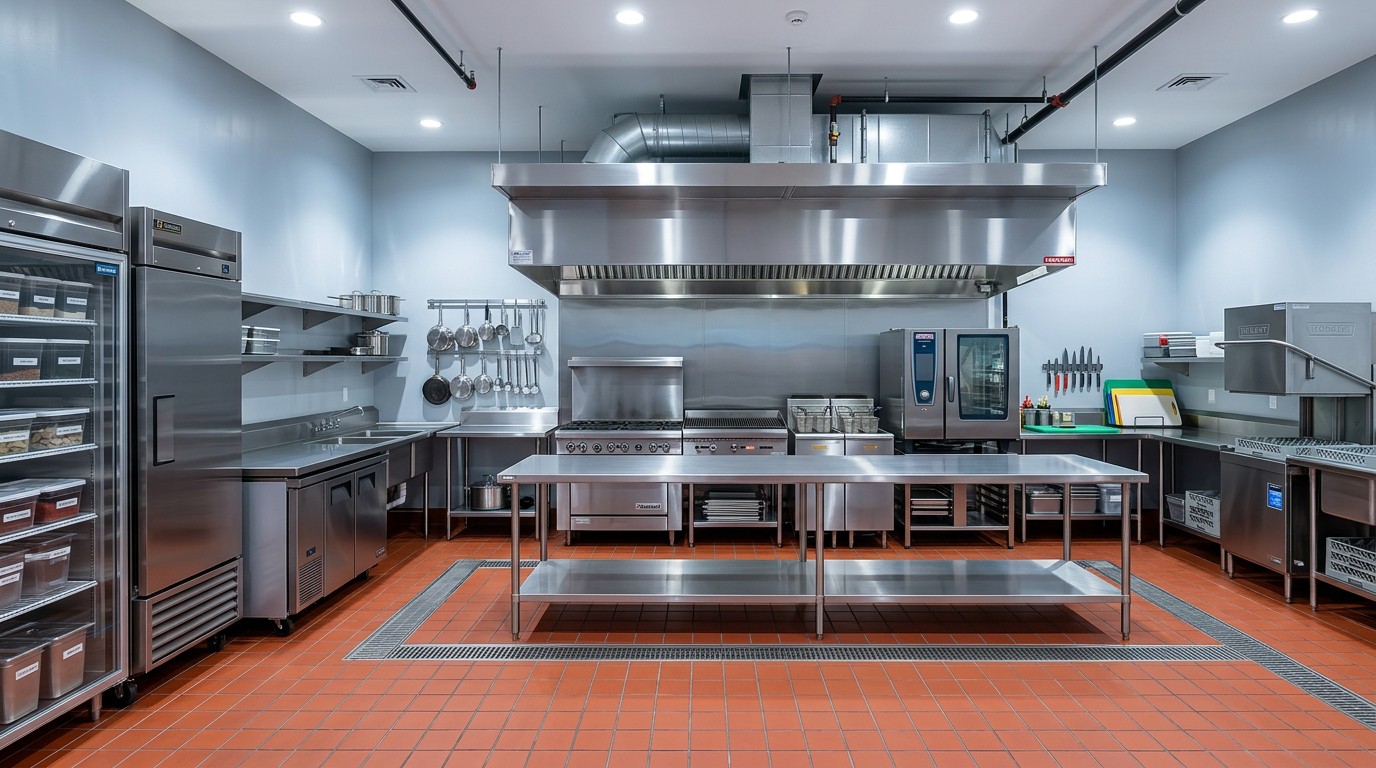
Restaurant kitchens usually focus on speed, compact commercial kitchen layout planning, and labor efficiency within limited floor space. Food processing operations, however, may need stricter material handling, washdown capability, batch control, and product consistency across 2 or 3 shifts. This changes both capital expenditure and maintenance planning.
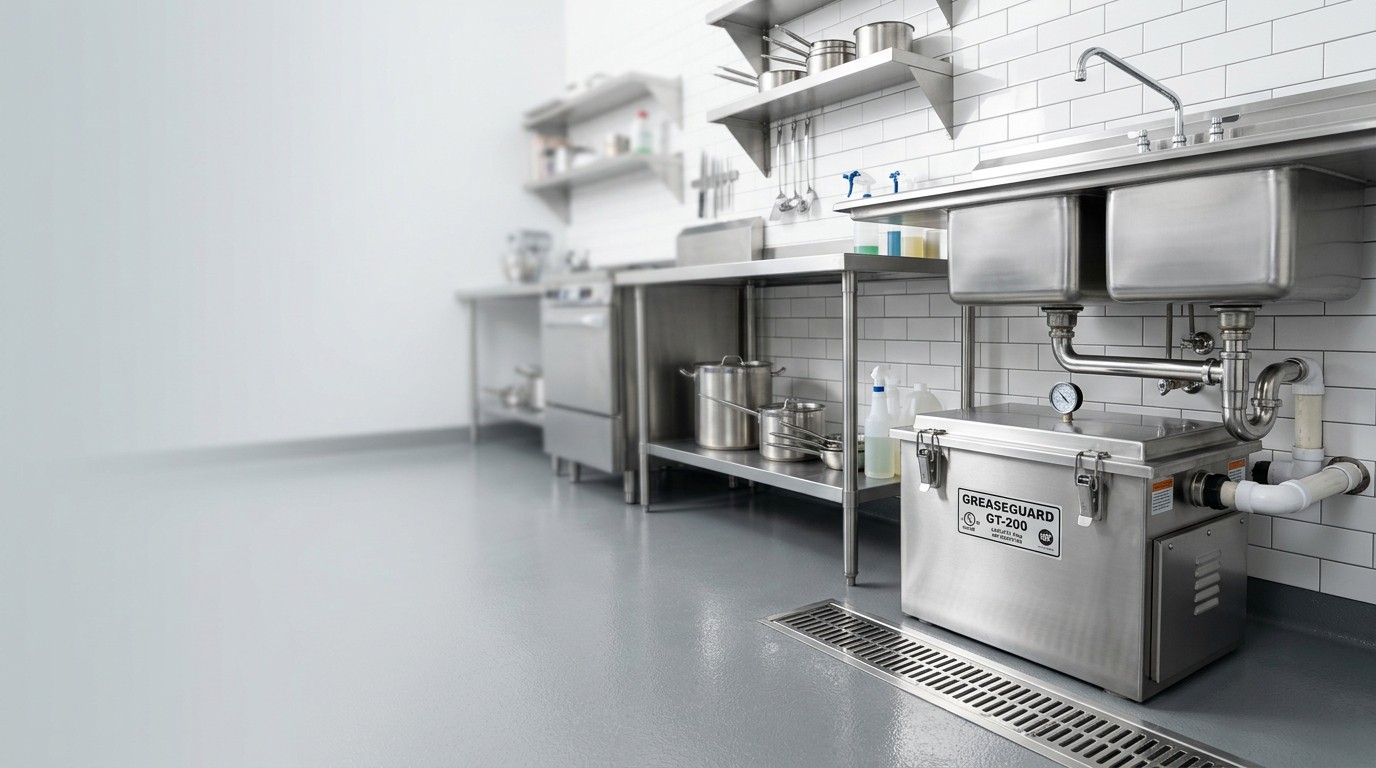
Grease trap equipment is another example of a scenario-based cost. In high-fat cooking environments such as quick-service outlets, grill restaurants, and hotel hot kitchens, underestimating grease handling can increase plumbing interventions and hygiene risks. In lower-fat bakery or cold-prep areas, the required specification may be less demanding, although local codes still matter.
When procurement teams map equipment to operation type, they avoid overbuying premium features that do not fit actual usage. They also avoid underbuying on durability, which is a common problem in kitchens running 10–16 hours per day.
Scenario-based budget priorities
The following comparison helps identify which cost drivers matter most across common foodservice and food production environments.
A clear scenario match improves spending efficiency. It also gives commercial kitchen equipment manufacturers enough detail to recommend suitable power ratings, production sizes, and service intervals instead of generic quotations.
Questions to ask before finalizing the equipment list
- How many hours per day will the equipment run, and will there be single-shift or multi-shift use?
- Does the site need modular units for future expansion in 6–18 months?
- Will local teams have the skill level to operate smart or semi-automated systems safely?
- Are cleaning requirements basic daily wipe-down procedures or full sanitation routines after each production cycle?
These questions often reveal whether a lower-cost option is actually suitable or whether it will create labor, hygiene, or maintenance problems later.
Which cost drivers are most often underestimated?
In professional catering projects, the biggest budget surprises usually come from items outside the equipment catalog. Site preparation, utility compatibility, commissioning, and service access are frequent blind spots. A combi oven or refrigeration system may look competitively priced, but if the electrical supply, extraction route, or floor drainage needs upgrading, the actual project cost changes quickly.
Energy use is another long-term cost driver. Equipment with a lower purchase price may consume more electricity, gas, or water over 3–5 years. For kitchens running daily, even small differences in recovery time, insulation quality, or standby control can affect operating budgets. This is why total cost of ownership matters more than invoice price alone.
Maintenance planning should also be built into the budget from day one. High-use appliances often require periodic inspection, wear-part replacement, and cleaning support at monthly or quarterly intervals, depending on intensity. If spare parts are hard to source or if service response is slow, downtime costs can exceed any initial savings from a cheaper purchase.
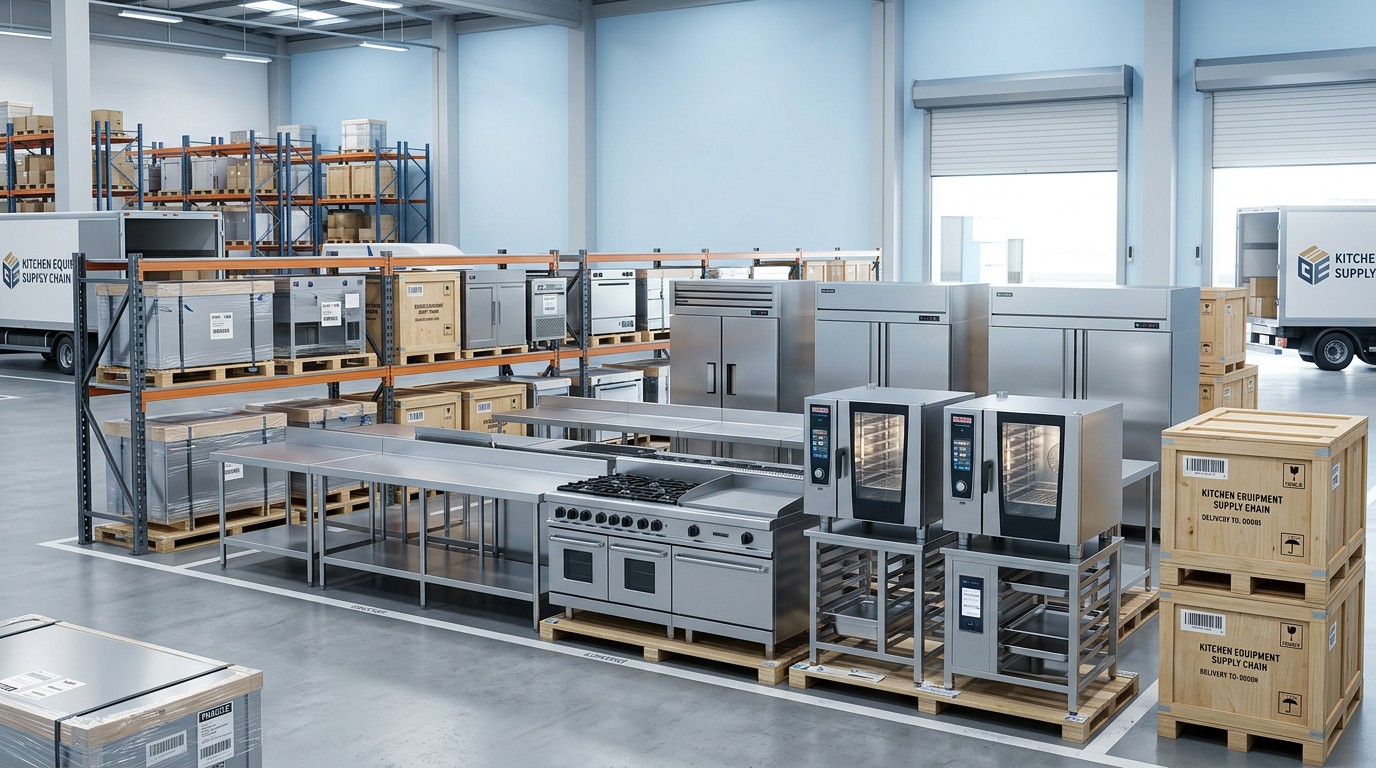
For imported equipment, buyers should also assess lead time, replacement part availability, voltage compatibility, and documentation quality. In international procurement, 7–15 days for standard stock and 4–10 weeks for custom production are common planning ranges, but they vary by specification, destination, and certification needs.
Direct cost versus lifecycle cost
Before selecting between restaurant equipment suppliers, compare both immediate and ongoing expenses. The table below highlights typical cost categories that influence budget decisions in professional kitchen projects.
This comparison shows why the cheapest option is not always the lowest-cost option. A balanced budget should weigh productivity, durability, energy efficiency, and serviceability together.
Three hidden budget risks to watch
1. Utility mismatch
If equipment power demand exceeds available site capacity, upgrade work can delay launch and create extra contractor coordination. Confirm voltage, phase, gas type, inlet pressure, and drainage points before order approval.
2. Over-specification
Some buyers choose industrial food equipment with capacities far beyond actual demand. This increases capital cost, footprint, and cleaning burden without improving output. Capacity should be linked to realistic peak demand, not only future ambition.
3. Weak service planning
A reliable supply of consumables and common wear parts matters as much as the original purchase. Ask what parts are typically stocked, what the service response window looks like, and what training is included at startup.
How should buyers compare suppliers and equipment options?
Comparing professional catering equipment suppliers becomes easier when the evaluation criteria are fixed in advance. Procurement teams should review at least 5 dimensions: technical fit, compliance readiness, lifecycle cost, lead time, and support capability. Without this framework, quotations often appear similar while hiding meaningful differences in accessories, materials, and service scope.
Commercial kitchen equipment manufacturers may also differ in how they support layout optimization. A supplier that understands workflow can reduce unnecessary movement between storage, prep, cooking, and washing zones. This is especially important in compact kitchens, where poor layout can waste labor minutes every hour and affect food safety separation.
For enterprise decision-makers, supplier evaluation should include documentation quality and communication discipline. Clear drawings, utility schedules, manuals, parts lists, and acceptance checklists reduce execution risk. In cross-border sourcing, documentation accuracy often determines how smoothly installation and local approval proceed.
Do not compare by product image alone. Stainless finish, insulation, control interfaces, access for cleaning, and replacement part standardization all affect real operating value. A slightly higher-priced system may be the better budget decision if it shortens cleaning time or reduces service interruptions over the first 24–36 months.
Supplier evaluation checklist for procurement teams
- Request a detailed bill of supply that clarifies what is included and what remains under contractor scope.
- Ask for utility data such as electrical load, water consumption, drainage needs, and ventilation interface points.
- Check whether food-contact surfaces, weld quality, and cleanability align with the intended hygiene level.
- Confirm realistic production lead time, shipping time, and startup support schedule.
- Review spare parts policy, routine maintenance expectations, and operator training coverage.
What matters in commercial kitchen layout planning?
Workflow before equipment count
A strong layout budget starts with movement logic: receiving, storage, prep, cooking, plating, cleaning, and waste handling. If these steps cross each other, labor use rises and hygiene control becomes harder. Even a 3-zone or 5-zone layout review can reveal where fewer but better-placed machines deliver stronger value.
Access and maintenance space
Leave enough clearance for operation, door swing, cleaning, and service access. Tight spacing may reduce upfront fit-out cost, but it can increase repair difficulty and lengthen maintenance time later.
Future expansion options
If demand is expected to rise within 12–24 months, modular planning can protect the budget. This may include reserving power capacity, drainage access, or physical slots for later equipment additions.
What compliance, training, and implementation costs should be planned?
Professional catering equipment budgets should include compliance-related costs from the beginning. Depending on region and application, buyers may need to review food-contact material suitability, electrical safety, gas installation rules, fire interfaces, wastewater handling, and ventilation performance. Even when the equipment itself is compliant, the full kitchen system still needs correct installation and documentation.
Training is another budget line that should not be treated as optional. New equipment often changes operating routines, cleaning procedures, and preventive maintenance tasks. A short handover is rarely enough for sites with multiple shifts or mixed-experience teams. Practical operator training over 1–2 sessions can prevent misuse, reduce avoidable faults, and improve consistency.
Implementation should also be staged. A typical project may move through 4 steps: requirement confirmation, drawing and utility review, production and delivery, then installation and acceptance. When buyers compress all stages into a single purchasing decision, errors in sizing, positioning, or utility connection become more likely.
For multinational procurement, compliance review becomes even more important. Equipment sourced from one country may need adaptation for local voltage, plug standards, gas category, or documentation format in the destination market. Early coordination avoids customs delays, rework, and operational downtime.
Common implementation steps and budget checkpoints
- Requirement mapping: confirm menu, output, peak demand, cleaning process, and utility limits.
- Technical review: verify drawings, power and drainage points, extraction path, and floor loading.
- Delivery planning: check packing dimensions, site access, unloading method, and receiving schedule.
- Startup and acceptance: test functions, confirm operator training, and record any outstanding items.
A documented implementation flow helps all stakeholders understand where costs occur and where delays can be prevented.
FAQ for budgeting and procurement teams
How much contingency should be kept in a catering equipment budget?
The right contingency depends on project certainty, site condition, and customization level. In practice, teams often reserve a separate allowance for utility changes, layout adjustments, or compliance-related modifications rather than treating the equipment quote as the final total.
Should buyers choose smart kitchen features from the start?
Smart controls, monitoring, and automation can be valuable where labor cost, consistency, or energy tracking matter. However, they should be selected based on operator capability, maintenance readiness, and return expectations over a realistic 2–4 year window.
What is the most common procurement mistake?
The most common mistake is comparing quotations without matching scope. One supplier may include accessories, startup, and documentation while another quotes equipment only. Always compare itemized supply lists and installation assumptions.
When should layout planning begin?
Layout planning should begin before the final equipment shortlist is approved. Early planning allows the team to verify workflow, utility demand, cleaning access, and food safety zoning before procurement locks the project into unsuitable dimensions.
Why choose us for professional catering equipment planning and sourcing?
We support buyers who need more than a price list. Our approach focuses on matching commercial kitchen equipment, hotel kitchen equipment, and industrial food equipment to actual operating conditions, budget boundaries, and delivery targets. That means helping your team review capacity, layout logic, utility requirements, and service expectations before purchase decisions are finalized.
If you are comparing catering equipment suppliers or restaurant equipment suppliers, we can help structure the evaluation process around practical criteria: output range, cleaning method, installation conditions, lead time, spare parts planning, and compliance considerations. This is useful for information researchers, operators, procurement teams, and senior decision-makers who need aligned technical and commercial input.
You can contact us to discuss specific topics such as parameter confirmation, commercial kitchen layout planning, grease trap equipment selection, product configuration, estimated delivery cycle, custom solutions, documentation needs, sample support where applicable, and quotation communication. If your project involves cross-border sourcing, we can also help clarify utility adaptation and implementation checkpoints.
The most effective budget is one built on the right assumptions. Share your kitchen type, production target, site conditions, and timeline, and we can help you turn broad equipment demand into a clearer, more controlled procurement plan.
- commercial kitchen equipment
- restaurant equipment
- smart kitchen
- catering equipment
- cooking equipment
- central kitchen
- restaurant kitchen
- kitchen equipment
- kitchen equipment manufacturers
- commercial kitchen layout
- grease trap equipment
- restaurant equipment suppliers
- catering equipment suppliers
- commercial kitchen equipment manufacturers
- professional catering equipment
- hotel kitchen equipment
- industrial food equipment
Popular Tags
Kitchen Industry Research Team
Dedicated to analyzing emerging trends and technological shifts in the global hospitality and foodservice infrastructure sector.
Industry Insights
Join 15,000+ industry professionals. Get the latest market trends and tech news delivered weekly.
No spam. Unsubscribe anytime.
Contact With us
Contact:
Anne Yin (Ceramics Dinnerware/Glassware)
Lucky Zhai(Flatware)