
Why Ceramic Salad Bowl Trends Favor Natural Tones
Natural tones are reshaping tableware choices, and the ceramic salad bowl is at the center of this shift. For buyers, operators, and decision-makers tracking kitchen innovation, these earthy designs offer more than visual appeal—they support versatile presentation, pair well with a ceramic breakfast bowl or porcelain serving dish, and reflect the growing demand for practical, stylish, and trend-driven dining solutions across modern kitchens.
Why natural-tone ceramic salad bowls are gaining market preference
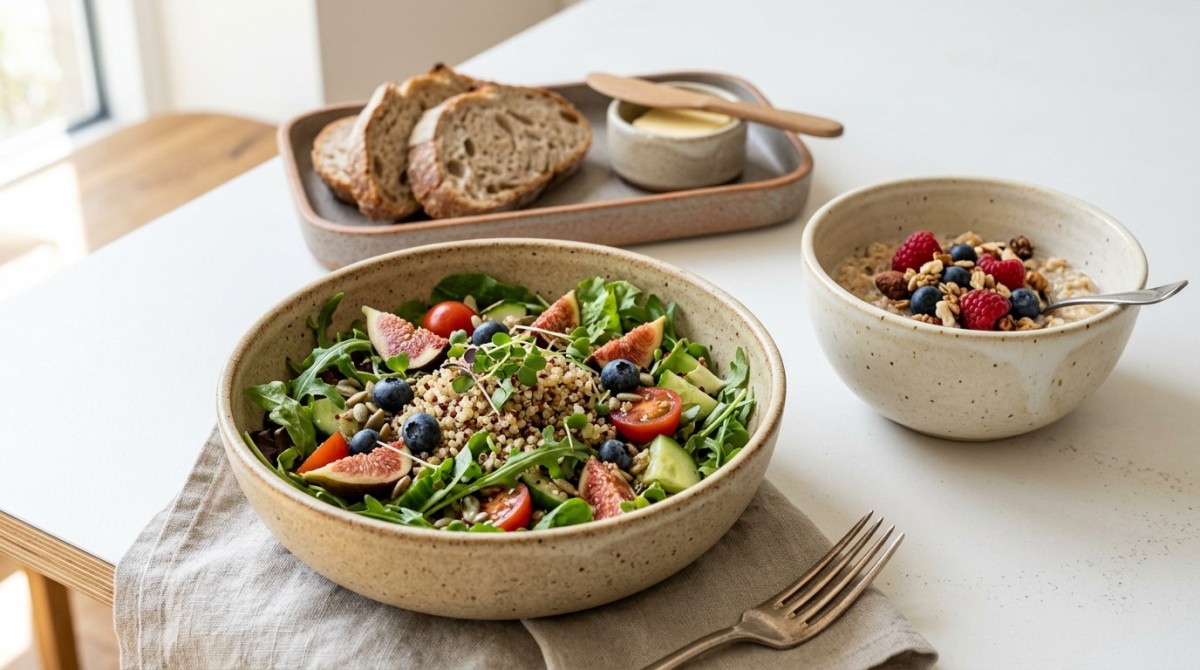
The main reason ceramic salad bowl trends favor natural tones is simple: they align with what today’s buyers and end users want from tableware—visual warmth, flexibility across dining settings, and a more premium yet approachable presentation style. Instead of bold colors that can limit pairing options, natural shades such as sand, beige, clay, stone, off-white, moss, and muted grey work across casual cafés, hotel breakfast service, modern restaurants, and home dining.
For procurement teams and business decision-makers, this trend is not only about aesthetics. Natural-tone ceramic bowls are easier to integrate into different table concepts, seasonal menu updates, and mixed tableware collections. A ceramic salad bowl in an earthy finish can often match a ceramic breakfast bowl, porcelain serving dish, and other neutral tabletop items without forcing a full replacement of existing inventory.
This creates real business value: lower styling risk, broader usability, and a longer design lifecycle. In a market where operators want tableware that looks current without becoming outdated quickly, natural tones offer a safer and more versatile investment.
What buyers, operators, and decision-makers care about most
When people search for this topic, they are usually not asking only, “What colors are popular?” They are trying to understand whether this design direction has practical value. Different target readers tend to focus on different questions.
Information researchers want to know what is driving the trend, whether it reflects larger dining and kitchen equipment movements, and how it connects to consumer preferences.
Users and operators care about day-to-day performance. They want ceramic salad bowls that are easy to use, easy to clean, suitable for different menu items, and visually effective in real service conditions.
Procurement professionals focus on standardization, supplier reliability, replacement planning, compatibility with existing tableware, and whether the product can support multiple service scenarios.
Business decision-makers look at return on investment, brand presentation, operational efficiency, customer perception, and whether natural-tone tableware helps create a more modern and marketable dining environment.
Because of these priorities, the most useful discussion is not about color theory alone. It is about how natural tones improve menu presentation, reduce styling friction, support long-term use, and fit broader hospitality and kitchen trends.
Natural tones support food presentation better than many brighter alternatives
One of the biggest reasons for the growth of natural-tone ceramic salad bowls is their ability to make food stand out. Salads, grain bowls, fruit, breakfast dishes, and plant-forward meals often feature green, red, orange, yellow, and purple ingredients. Earthy ceramic backgrounds frame these ingredients without competing with them.
This matters in both physical and digital dining environments. Restaurants, cafés, hotels, and foodservice brands increasingly care about presentation not only for guests at the table but also for social media, menu photography, and delivery platform images. A natural-tone ceramic salad bowl helps produce a balanced, premium look that feels contemporary and authentic.
Muted ceramic finishes also communicate craftsmanship and material quality. In contrast, overly glossy or highly saturated colors may look less adaptable and can sometimes distract from the food itself. For operators who want one bowl shape to serve salads, breakfast items, side dishes, and healthy lunch concepts, natural tones create a more consistent visual foundation.
Why this trend fits broader changes in hospitality and kitchen environments
The popularity of natural tones is part of a wider shift across the kitchen equipment and foodservice industry. Buyers are increasingly choosing products that combine function, durability, and design coherence. This applies not only to cooking systems and food processing equipment but also to front-of-house presentation tools such as bowls, serving dishes, and tableware.
Modern dining spaces are moving toward calmer, more tactile, more organic visual identities. Interior design trends in restaurants and hotels now often feature wood, stone, matte surfaces, neutral fabrics, and warm lighting. A ceramic salad bowl in a natural tone fits these environments much better than high-contrast, trend-sensitive colors that may date quickly.
This also reflects the industry’s larger movement toward sustainability and thoughtful purchasing. While a bowl color alone does not make a product sustainable, neutral and natural-looking tableware tends to stay relevant longer. That can help reduce frequent redesign cycles and unnecessary tableware replacement.
How natural-tone ceramic bowls improve purchasing flexibility
For procurement teams, flexibility is one of the strongest reasons to favor natural tones. A well-selected ceramic salad bowl in a neutral earthy palette can work in multiple service contexts: buffet lines, à la carte dining, hotel breakfast, healthy fast-casual concepts, conference catering, and even residential premium kitchen collections.
This versatility makes assortment planning easier. Instead of purchasing separate color families for each meal type or service format, buyers can build a coordinated tableware system. A ceramic breakfast bowl, salad bowl, and porcelain serving dish in compatible natural finishes can support a wide range of plating styles while keeping inventory more manageable.
Natural tones also simplify replacement and expansion. If a venue later adds new pieces, neutral shades are generally easier to match than fashion-driven colors. That reduces the risk of visual inconsistency across batches or product updates.
What to evaluate before choosing a ceramic salad bowl in natural tones
Not every product that follows the trend delivers the same value. Buyers should evaluate more than color alone. Several practical factors determine whether a ceramic salad bowl will perform well in commercial or repeated-use settings.
Glaze quality: The finish should be consistent, durable, and resistant to staining from oils, dressings, sauces, and acidic ingredients.
Surface practicality: Matte and reactive glazes are popular, but they should still be easy to clean and maintain in service environments.
Stackability: Bowls used in restaurants, hotels, and central kitchens should store efficiently and reduce breakage risk.
Weight and handling: A bowl should feel substantial enough for premium presentation without slowing service or increasing handling fatigue.
Size range: Operators often need a coordinated family of bowls for salad, breakfast, side dishes, and serving applications.
Color consistency across batches: Natural tones often vary slightly by design, but the variation should still be controlled and commercially acceptable.
Compatibility with existing tableware: The bowl should pair naturally with porcelain serving dishes, flatware, trays, and tabletop concepts already in use.
These factors help distinguish a useful, scalable purchase from a purely decorative one.
Common concerns about natural-tone tableware—and how to assess them
Some buyers worry that natural tones may look too plain, too rustic, or too similar across product lines. In reality, the trend is broad enough to support many positioning strategies. Soft beige and off-white can feel refined and modern. Clay and stone-inspired tones can feel artisanal. Grey-green and muted mineral shades can support minimalist or upscale casual concepts.
Another concern is whether these bowls suit all cuisines. In most cases, yes. Natural-tone ceramic salad bowls are especially effective with fresh produce, grains, proteins, breakfast foods, bakery items, and shared side dishes. The key is choosing tone depth and finish carefully. Darker earthy shades can add drama, while lighter neutrals can create a cleaner, brighter dining impression.
There is also the question of trend durability. Compared with statement colors, natural tones generally have stronger staying power because they are less dependent on short-term fashion cycles. For businesses trying to balance style with long-term purchasing efficiency, this is one of the biggest advantages.
How to decide if this trend is right for your operation
If your business values presentation consistency, broad menu compatibility, and lower visual obsolescence, natural-tone ceramic bowls are a strong choice. They are particularly well suited for restaurants emphasizing fresh ingredients, hotel dining programs, café concepts, breakfast service, health-focused menus, and brands that want a calm, premium, contemporary look.
A practical decision method is to review three points:
Brand fit: Does the earthy palette support your interior design, food style, and customer expectations?
Operational fit: Can the bowl handle washing, stacking, storage, and repeated use without creating extra friction?
Portfolio fit: Will it coordinate with your ceramic breakfast bowl, porcelain serving dish, and other tabletop essentials to create a unified system?
If the answer is yes across these areas, the trend is not just aesthetically relevant—it is commercially useful.
Conclusion
Ceramic salad bowl trends favor natural tones because these colors do more than look fashionable. They enhance food presentation, match a wide range of dining environments, support flexible procurement, and offer longer-lasting design value than many brighter alternatives. For operators, buyers, and decision-makers in the kitchen equipment and foodservice space, natural-tone tableware is a practical response to changing market preferences.
In short, this trend matters because it combines appearance with usability. A well-chosen natural-tone ceramic salad bowl can work across service formats, complement a ceramic breakfast bowl or porcelain serving dish, and help create a modern tabletop strategy that feels both current and durable.
Popular Tags
Kitchen Industry Research Team
Dedicated to analyzing emerging trends and technological shifts in the global hospitality and foodservice infrastructure sector.
Industry Insights
Join 15,000+ industry professionals. Get the latest market trends and tech news delivered weekly.
No spam. Unsubscribe anytime.

Contact With us
Contact:
Anne Yin (Ceramics Dinnerware/Glassware)
Lucky Zhai(Flatware)