
Glass Wedding Vase Styles Couples Keep Choosing
From timeless centerpieces to modern statement décor, glass wedding vase styles remain a favorite for couples seeking elegance and versatility. As wedding aesthetics evolve alongside kitchen innovation and design trends, items like the glass wedding vase, glass wine cup, porcelain serving dish, and ceramic salad bowl continue to inspire coordinated event settings. This guide explores the styles couples keep choosing and what makes them stand out.
For most couples, planners, and event buyers, the real question is not simply which glass wedding vase styles look beautiful, but which ones work best for the wedding theme, table layout, floral design, budget, and overall guest experience. The styles couples keep choosing tend to share a few traits: they are visually flexible, easy to pair with flowers and tableware, available in multiple sizes, and practical for transport, setup, and reuse. If you are comparing options for event styling, sourcing, or product planning, understanding these factors will help you make a better choice.
Why certain glass wedding vase styles remain the most popular
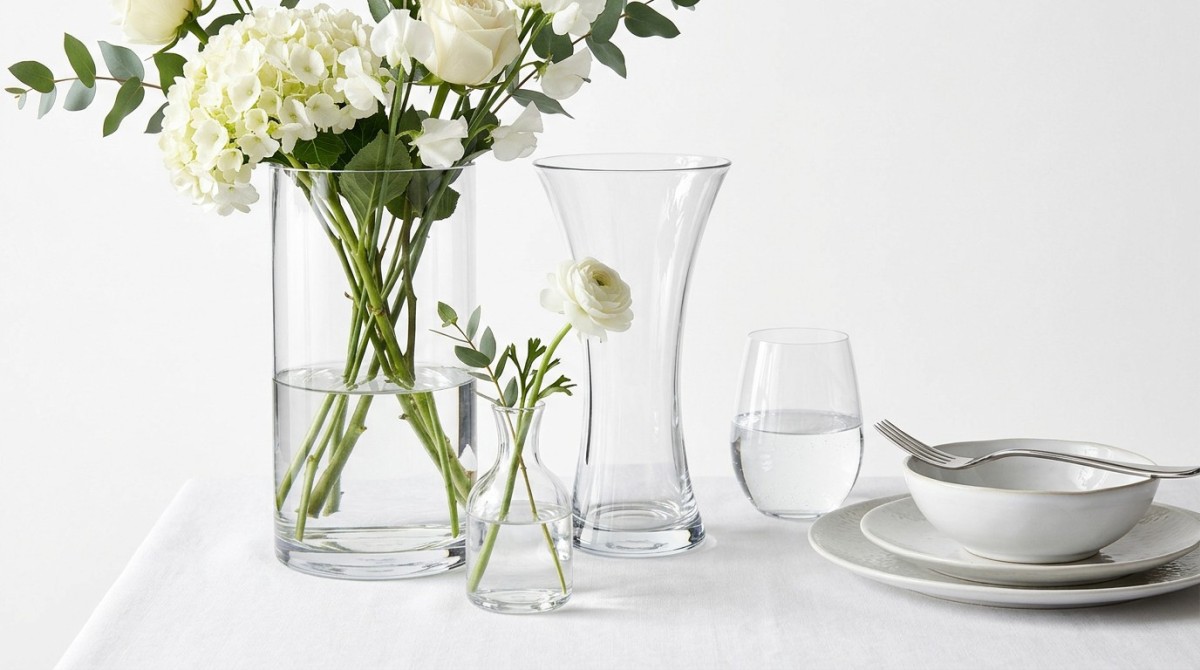
Popular wedding décor trends change every year, but some glass vase styles continue to stand out because they balance elegance and usability. Couples rarely choose based on appearance alone. They also consider how the vase looks in photos, how easily it fits the venue, and whether it complements the rest of the table setting.
The most selected styles usually offer:
- Versatility across themes: suitable for classic, modern, rustic, luxury, minimalist, and garden weddings
- Compatibility with different flowers: from roses and peonies to pampas grass, orchids, and dried arrangements
- Flexible sizing: useful for sweetheart tables, guest tables, ceremony aisles, and buffet or dessert stations
- Visual lightness: glass adds elegance without making the table feel crowded
- Easy coordination: pairs naturally with glass wine cups, porcelain serving dishes, candleholders, and ceramic salad bowls
For procurement teams and business decision-makers, these are also commercially important features. Styles that fit multiple event scenarios are easier to stock, market, and sell because they appeal to a wider customer base and reduce inventory risk.
Which glass wedding vase styles couples choose most often
While personal taste varies, several vase categories consistently perform well in weddings and related event settings.
Cylinder glass vases
Cylinder vases are among the safest and most widely chosen options. Their clean shape works with floating candles, submerged flowers, fresh floral stems, and minimalist greenery. They are especially popular for modern weddings and formal banquet layouts.
Why couples choose them: simple elegance, easy styling, and strong compatibility with different centerpiece heights.
Trumpet vases
Trumpet vases create a more elevated and dramatic look. They are often used for luxury receptions, large venues, and statement centerpieces where couples want visual impact without filling the entire tabletop.
Best for: ballroom weddings, formal dinners, and events where floral arrangements need height and presence.
Bud vases
Bud vases are frequently chosen for intimate weddings, minimalist table designs, and mixed centerpiece arrangements. Instead of one large arrangement, couples use several small vases across the table for a softer, more organic look.
Why they work: budget-friendly, highly flexible, and ideal for modern understated aesthetics.
Compote and bowl-shaped glass vases
These wider, lower-profile vases are popular for lush floral arrangements that encourage guest conversation by keeping sightlines open. They are practical for round dining tables and coordinated with low-profile tableware such as porcelain serving dishes and ceramic salad bowls.
Geometric and sculptural glass vases
Couples planning contemporary weddings often choose distinctive shapes to create a design-forward atmosphere. These vases function almost like décor objects on their own and are often paired with monochrome palettes or refined metallic accents.
Vintage-inspired pressed or colored glass vases
For romantic, garden, or retro themes, textured and tinted glass remains highly desirable. Amber, blush, smoke gray, and soft green are especially popular because they add personality while still feeling elegant.
How to choose the right vase style for the wedding setting
The best glass wedding vase is the one that fits the event as a whole. Couples and buyers should evaluate the vase in context rather than in isolation.
Match the vase to table size and guest interaction
Tall centerpieces can look dramatic, but they may obstruct conversation if not designed carefully. Lower vases often work better for intimate receptions, while taller styles suit large venues with more visual space.
Consider the floral design plan
Not every vase supports every arrangement equally well. Long-stem flowers may require taller vessels, while compact blooms and mixed greenery often look better in bowls or compotes. Before selecting the vase, confirm the intended flower type, stem volume, and arrangement shape.
Coordinate with the rest of the tablescape
A wedding table rarely includes just one décor element. The vase should work with chargers, glass wine cups, porcelain serving dishes, candles, linens, and food presentation pieces. Clear glass is often preferred because it adapts easily, but colored or textured glass can create a stronger design identity when used intentionally.
Think about logistics, not just appearance
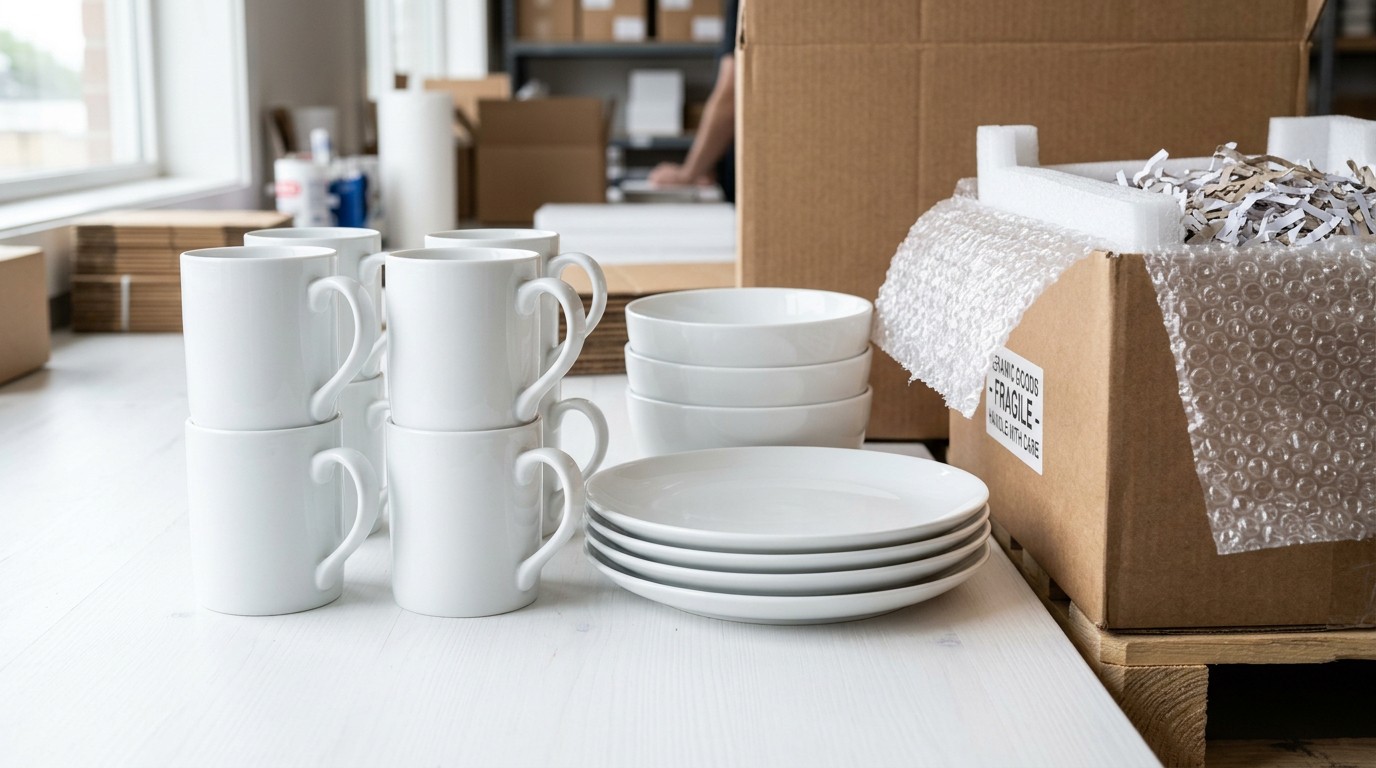
For event operators and purchasing teams, weight, packing safety, cleaning efficiency, and breakage rate matter. A visually appealing vase that is difficult to transport or costly to replace may not be the best operational choice for repeated use.
What buyers, planners, and sourcing teams should pay attention to
For professional users, style is only one part of the decision. Product quality and supply reliability are just as important, especially when purchasing in volume for hospitality, weddings, or rental inventory.
- Glass thickness and finish: better durability and a more premium feel
- Consistency across batches: important for matching multi-table event setups
- Available sizes: supports layered centerpiece planning
- Packaging quality: reduces damage during transport and storage
- Ease of cleaning and reuse: especially important for event rental and hospitality businesses
- Supplier flexibility: helpful for mixed orders that may also include tableware and serving items
Businesses operating in foodservice, hospitality, and event supply increasingly prefer coordinated sourcing. That means selecting not only wedding vases, but also related products that create a complete table presentation. A supplier able to offer matching glassware, serving ware, and display solutions may reduce purchasing complexity and improve visual consistency.
Why coordinated glass and tableware styling matters more than ever
One reason glass wedding vase styles continue to perform well is that they fit naturally into a broader event design language. Today’s weddings often blend décor with dining presentation, creating a unified visual experience from ceremony to reception table.
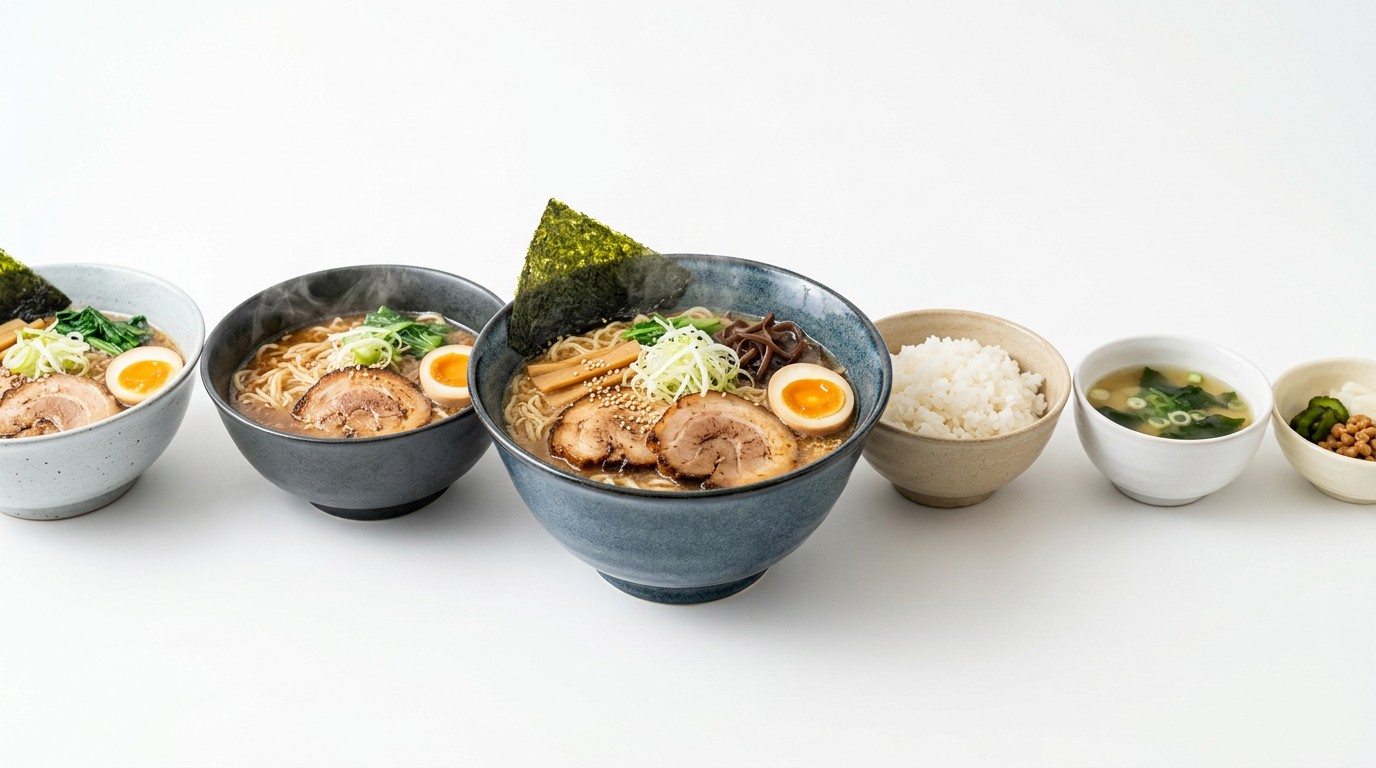
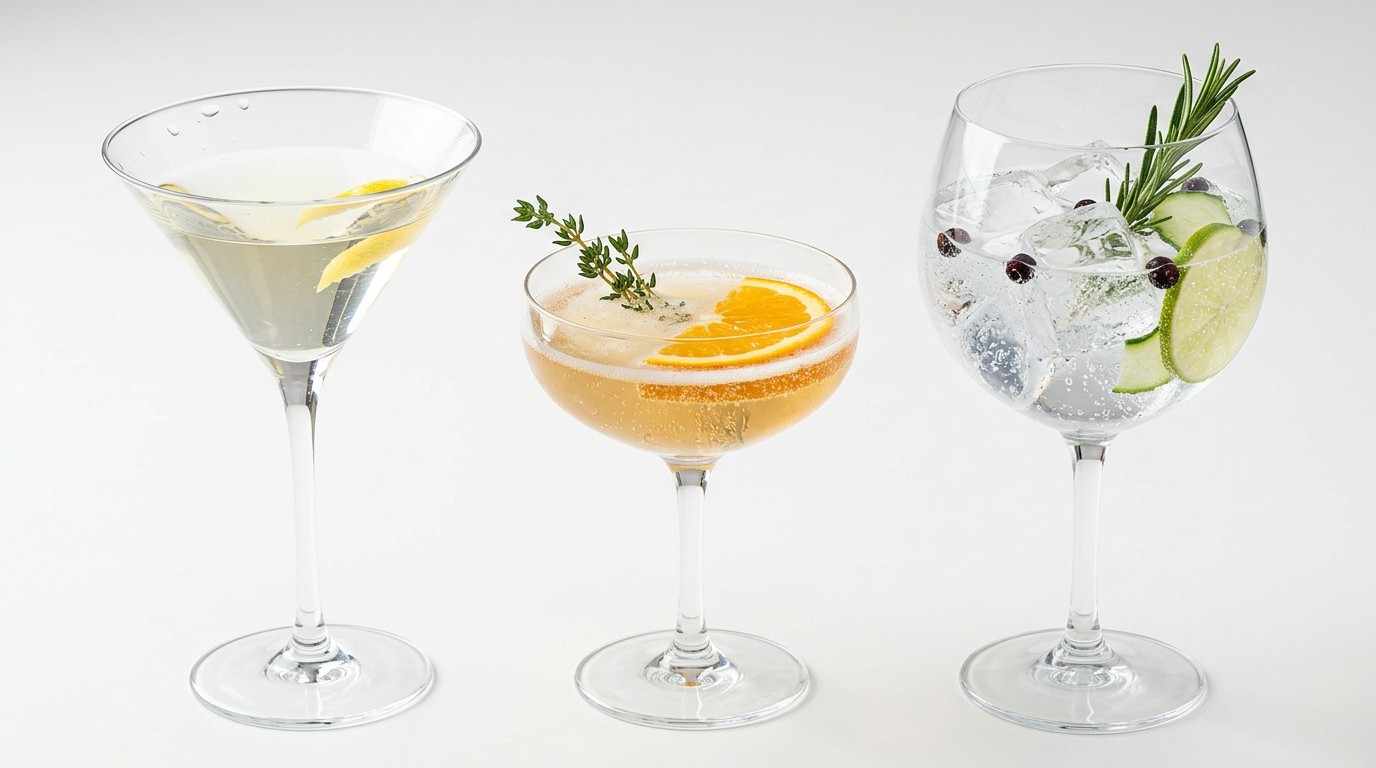
That is why products like glass wine cups, porcelain serving dishes, and ceramic salad bowls are increasingly considered alongside centerpieces. Couples want harmony between floral styling and food presentation. Venues and planners want event setups that photograph well, support service efficiency, and reflect a polished brand image.
For suppliers and decision-makers, this trend creates practical opportunity. Instead of treating wedding décor and dining equipment separately, there is growing value in presenting them as part of one integrated solution for events, hospitality, and premium gatherings.
Final thoughts on the glass wedding vase styles couples keep choosing
The glass wedding vase styles couples return to most often are not just beautiful; they are adaptable, functional, and easy to integrate into complete wedding table settings. Cylinder vases, trumpet vases, bud vases, bowl-shaped designs, and vintage-inspired glass all remain strong choices because they solve real styling needs across different themes and budgets.
For readers researching options, the best approach is to evaluate vase style based on theme compatibility, floral use, table layout, and operational practicality. For buyers and business decision-makers, the strongest value comes from choosing designs that combine aesthetic appeal, supply consistency, and coordination with complementary tabletop products.
In short, the most successful glass wedding vase choice is the one that looks elegant, works reliably, and supports the complete event experience.
Popular Tags
Kitchen Industry Research Team
Dedicated to analyzing emerging trends and technological shifts in the global hospitality and foodservice infrastructure sector.
Industry Insights
Join 15,000+ industry professionals. Get the latest market trends and tech news delivered weekly.
No spam. Unsubscribe anytime.
Contact With us
Contact:
Anne Yin (Ceramics Dinnerware/Glassware)
Lucky Zhai(Flatware)