Glass Cocktail Cup Shapes That Improve Drink Presentation
The right glass cocktail cup can instantly elevate drink presentation, turning ordinary beverages into memorable visual experiences. From elegant glass wine cup styles to practical serving solutions that pair with a glass tea server or glass jam jar, shape matters more than many buyers expect. This guide explores how different glass cocktail cup designs enhance aesthetics, functionality, and customer appeal for operators, purchasers, and hospitality decision-makers.
In foodservice and hospitality, presentation is no longer a secondary detail. A bar, restaurant, hotel lounge, or catering business often evaluates servingware based on 4 practical factors at once: visual impact, handling efficiency, durability, and replacement cost. For procurement teams and operators working inside broader kitchen equipment systems, the choice of glass cocktail cup shapes affects service speed, drink consistency, storage planning, and guest perception.
This is especially relevant in a market where smart kitchen operations, integrated beverage service, and cost-conscious purchasing are shaping buying decisions. Whether the goal is premium mixology, banquet service for 200 guests, or standardized beverage programs across multiple sites, selecting the right glass shape supports both brand image and operational performance.
Why Glass Cocktail Cup Shape Matters in Modern Beverage Service
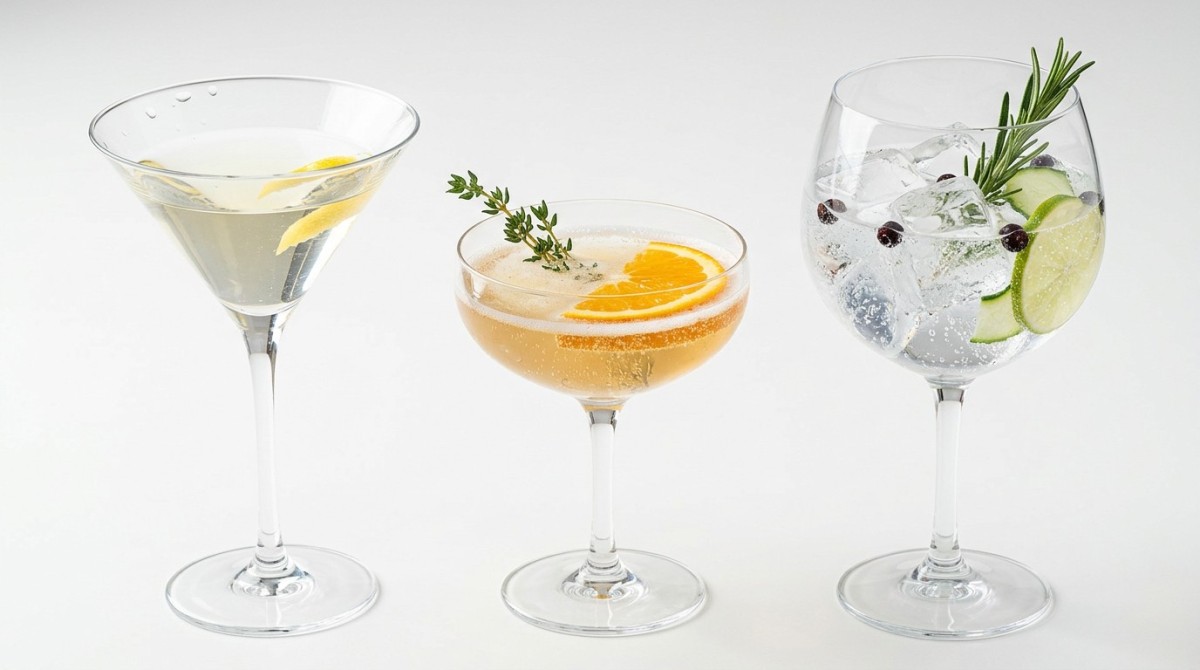
A glass cocktail cup does more than hold liquid. Its bowl width, rim diameter, stem height, and base stability influence aroma release, garnish visibility, temperature retention, and ease of carrying. In busy hospitality settings, these details directly affect the guest experience within the first 3 to 5 seconds of presentation.
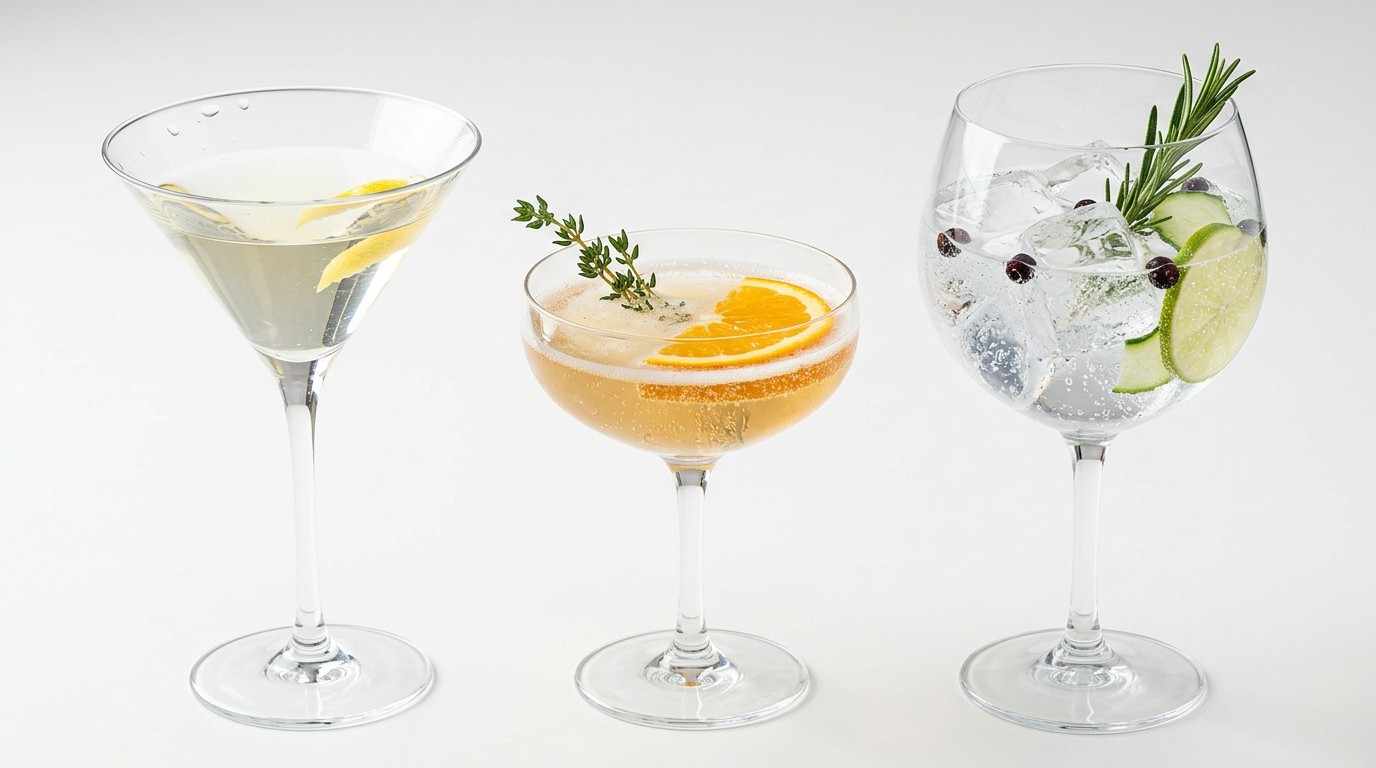
For operators, the wrong shape can create practical issues. A wide coupe may look elegant but may spill more easily during tray service. A tall martini glass can improve visual drama, yet it may require more shelf clearance and higher replacement frequency if staff move quickly through narrow service paths. These trade-offs matter when beverage programs run at volumes of 80 to 300 drinks per shift.
For procurement managers, glass shape should be evaluated as part of a larger serving system alongside ice handling, bar tools, washing equipment, storage racks, and front-of-house workflow. The same logic used to select commercial kitchen equipment—fit for purpose, durability, efficiency, and total lifecycle value—applies to beverage glassware.
Decision-makers should also consider how a glass cocktail cup aligns with menu strategy. Signature drinks, low-ABV beverages, mocktails, dessert cocktails, and tea-infused creations all benefit from shape-led presentation. A glass wine cup may support elegant spritz formats, while a glass jam jar suits rustic concepts, seasonal promotions, or casual outdoor service.
Key presentation factors influenced by shape
- Surface area: Wider bowls highlight foam, herbs, citrus oils, and layered colors more effectively.
- Height and silhouette: Tall profiles create visual elegance and help drinks stand out in social media photography.
- Grip and balance: Stemmed designs reduce hand warmth transfer, while stemless options lower breakage risk.
- Rim design: A thinner rim often improves perceived quality, especially for premium cocktails and sparkling serves.
Operational impact beyond aesthetics
Glassware that looks good but performs poorly can increase hidden costs. In many venues, breakage rates above 3% to 5% per month create unnecessary replacement pressure. Shapes that stack poorly or require hand polishing also add labor time. For buyers managing multiple outlets, standardizing 2 to 4 high-performing glass formats can improve both visual consistency and inventory control.
Popular Glass Cocktail Cup Shapes and Their Best Use Cases
Different drink programs call for different shapes. The right selection depends on beverage style, garnish size, serving volume, and service environment. Most venues benefit from matching glass form to menu function rather than choosing only on appearance. This reduces mismatch between drink design and real-world service conditions.
The table below compares common shapes used in bars, restaurants, hotels, and event operations. It can help purchasers narrow down which formats best support both presentation and workflow across casual, upscale, or mixed-service environments.
The main takeaway is that no single glass cocktail cup suits every beverage concept. A hotel bar may need 4 or 5 shapes to cover signature cocktails, banquets, room service, and all-day dining. In contrast, a chain café-bar may streamline to 2 or 3 formats for simpler purchasing, faster washing cycles, and easier staff training.
A useful strategy is to define one hero glass for premium drinks, one practical high-volume option, and one thematic piece such as a glass jam jar or specialty glass wine cup. This balance improves menu differentiation without overcomplicating storage or reorder planning.
When pairing with related serving items
In broader beverage programs, glassware often works alongside a glass tea server, dessert jars, infusion vessels, and chilled carafes. Buyers should ensure visual compatibility across these items. Matching clarity, rim finish, and style family can strengthen table presentation in tea cocktails, zero-proof menus, brunch service, and tasting flights.
How Buyers Should Evaluate Glassware for Presentation and Performance
A good-looking glass that fails under operational pressure is a weak investment. Buyers should evaluate a glass cocktail cup using measurable criteria, not only catalog images. In B2B purchasing, the decision usually involves at least 5 checkpoints: capacity accuracy, durability, washability, storage efficiency, and concept fit.
For capacity, the target fill level should leave 10% to 20% headspace for garnish and movement. For instance, a cocktail served at 150 ml may need a 180 to 220 ml cup to avoid overflow. This is especially important for foamed drinks, carbonated mixes, or fruit-heavy presentations where volume expands after pouring.
Material thickness is another factor. Thin-rim glasses enhance premium perception, but extremely thin walls may increase breakage in high-turnover environments. Venues serving 500 or more beverages daily often prefer medium-thickness glass for better lifespan. Buyers should also test whether the base remains stable on trays, bar mats, and dish racks.
Cleaning compatibility matters as much as front-end beauty. If the cup shape traps lipstick marks, syrup residue, or dehydrated citrus particles, wash cycles become slower. A shape that performs well in commercial washers can reduce manual polishing and help maintain hygiene standards in restaurants, hotels, and central beverage prep areas.
Procurement checklist for glass cocktail cup selection
- Confirm intended serving volume range, such as 120–180 ml for stirred cocktails or 300–450 ml for long drinks.
- Review the rim and bowl shape for foam retention, garnish stability, and guest drinking comfort.
- Check whether the item fits existing racks, shelf spacing, and wash machine baskets.
- Estimate replacement planning based on expected breakage rate, reorder cycle, and lead time of 2–6 weeks.
- Compare whether the same design works across cocktail, mocktail, dessert, and special event applications.
Decision matrix for purchasing teams
The following table can help procurement teams compare options using practical criteria rather than appearance alone. It is especially useful when multiple departments—bar, operations, finance, and brand management—are involved in final selection.
This matrix shows that presentation and performance should be assessed together. A buyer who considers only upfront price may overlook labor, breakage, and storage costs over a 12-month cycle. In many commercial settings, the better purchasing decision is the one that offers stronger service reliability, not simply the lowest unit cost.
Matching Glass Shapes to Service Scenarios in Restaurants, Hotels, and Catering
Different operating environments place different demands on a glass cocktail cup. A fine-dining restaurant values elegance and aroma expression, while a rooftop bar may prioritize visual height and ice capacity. Banquet teams often need fast tray movement and consistent replacement stock, and catering businesses may favor more durable shapes with lower tipping risk.
For restaurants, a glass wine cup works well for aperitif cocktails, sangria, and herb-forward serves because it offers enough room for citrus slices, ice cubes, and botanical garnish. It also transitions easily between wine service and mixed drinks, which can reduce SKU complexity in venues with limited storage. Typical practical capacity ranges from 300 to 450 ml.
Hotels often benefit from a layered glassware program. For lobby bars and lounges, coupe and martini shapes create a premium feel. For room service and all-day dining, stemless or more stable options may be safer. For tea lounges or fusion beverage concepts, pairing a glass cocktail cup with a glass tea server creates a coordinated visual story for infused cocktails and zero-proof service.
In outdoor events, cafés, and themed casual dining, a glass jam jar can support a rustic and approachable look. It is particularly useful for batch cocktails, fruit punches, and cold brew presentations. However, businesses targeting luxury positioning should use it selectively, because its informal character may not match all premium brand identities.
Scenario-based selection guide
- For signature cocktails with visual garnish, choose a wide bowl or open coupe to showcase color and texture.
- For high-volume service exceeding 150 drinks per hour, prioritize stability, wash speed, and easy rack handling.
- For banquet or wedding service, avoid overly shallow rims that increase spill risk during movement.
- For cross-category beverage menus, use versatile formats that also suit mocktails, spritzes, and desserts.
Common mistakes in real operations
One common mistake is buying oversized glassware for visual appeal without recalculating recipe cost. Another is selecting fragile stemware for outlets with limited staff training or crowded layouts. A third is mixing too many shapes across sites, which complicates inventory planning, dishwasher setup, and replacement ordering. In multi-location operations, reducing assortment by even 20% can simplify purchasing and improve consistency.
Implementation, Maintenance, and Long-Term Value for Business Buyers
Selecting the best glass cocktail cup is only the first step. Long-term value depends on how the glassware is introduced, used, cleaned, and replenished. For business buyers, the implementation process should connect bar operations, warewashing procedures, staff handling, and reorder planning. This is similar to other kitchen equipment decisions, where lifecycle management matters as much as initial specification.
A practical rollout usually includes 4 stages: sample evaluation, pilot service, staff training, and reorder planning. During the pilot phase, teams should test at least 2 drink types per glass shape and monitor spill frequency, washing performance, and guest feedback over 7 to 14 days. This creates a more reliable basis for full purchasing decisions than showroom inspection alone.
Maintenance also affects presentation quality. Water spots, rim chips, and micro-scratches reduce perceived beverage value. Commercial users should define daily handling rules, weekly inspection routines, and replacement thresholds. For example, chipped rim items should be removed immediately, while glasses showing visible haze after repeated cycles may need polishing review or water treatment checks.
From a budgeting standpoint, buyers should estimate annual usage rather than only startup quantity. A venue that needs 120 active glasses may purchase 150 to 180 units initially to cover breakage, peak service rotation, and washing downtime. Lead times of 2 to 6 weeks should be factored into replenishment plans, particularly for imported or seasonal designs.
Maintenance practices that protect presentation quality
- Separate delicate stemware from heavier items in wash racks to reduce impact damage.
- Use polishing cloths designed for glass finishing and inspect for residue at the rim and base.
- Store glasses according to shape and height to avoid pressure points and unstable stacking.
- Train staff on tray loading limits, especially for coupe and martini forms with wider tops.
FAQ for operators and purchasers
How many glass shapes should a mid-size venue stock?
For many mid-size restaurants or hotel bars, 3 to 5 core shapes are enough. This usually covers classic cocktails, long drinks, wine-based serves, specialty beverages, and themed presentations without creating excessive storage pressure.
Is a glass wine cup suitable for cocktails?
Yes, especially for spritzes, sangria, fruit-forward cocktails, and herb-infused signatures. Its larger bowl supports aroma release, garnish display, and ice retention, making it a strong choice for premium casual service.
When is a glass jam jar a smart option?
It works well in rustic cafés, outdoor events, seasonal promotions, and casual dining concepts. It is less suitable when the beverage program aims for a formal luxury image or highly refined stemware presentation.
What should buyers ask suppliers before ordering?
Ask about usable volume, pack quantity, replenishment lead time, compatibility with commercial dishwashing, and whether sample testing is available. These points help reduce mismatch between catalog expectations and operational reality.
Glass cocktail cup shapes have a direct influence on drink presentation, service efficiency, and brand perception. The best choice depends on beverage style, venue format, storage conditions, and operating volume. By evaluating shape, capacity, stability, cleaning performance, and concept fit together, businesses can improve visual appeal without losing control of cost or workflow.
For operators, purchasers, and decision-makers in restaurants, hotels, and broader kitchen equipment supply chains, choosing the right serving glass is a practical investment in both guest experience and daily performance. If you are reviewing glassware options for a new project or upgrading an existing beverage program, contact us now to get tailored recommendations, discuss product details, or explore a more complete serving solution.
Popular Tags
Kitchen Industry Research Team
Dedicated to analyzing emerging trends and technological shifts in the global hospitality and foodservice infrastructure sector.
Industry Insights
Join 15,000+ industry professionals. Get the latest market trends and tech news delivered weekly.
No spam. Unsubscribe anytime.
Contact With us
Contact:
Anne Yin (Ceramics Dinnerware/Glassware)
Lucky Zhai(Flatware)