
Why Ceramic Breakfast Bowl Shape Changes Portion Perception
From a ceramic breakfast bowl to a porcelain cereal bowl or ceramic rice bowl, shape can subtly influence how much people think they are eating. For buyers, operators, and decision-makers in kitchen innovation, understanding portion perception helps improve presentation, customer satisfaction, and serving control. This article explores why bowl design matters and how it connects to smarter choices in modern kitchen equipment.
Why does bowl shape change portion perception in real foodservice use?
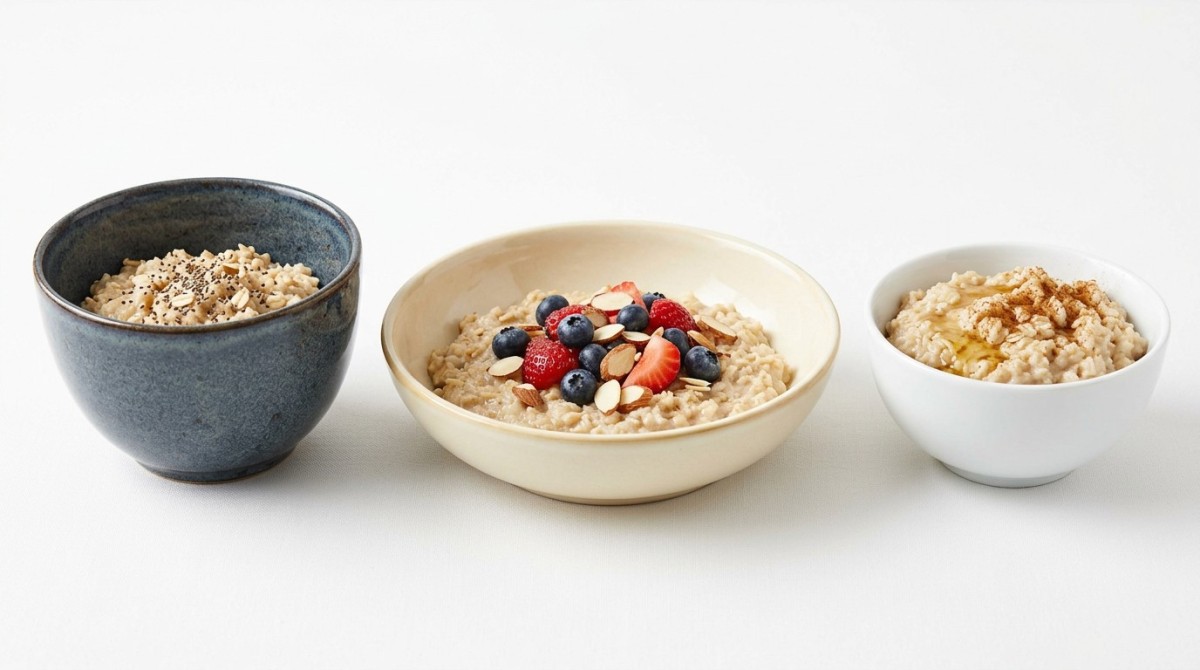
Portion perception is not only a consumer psychology topic. In restaurants, hotels, central kitchens, and even premium household product lines, the visible shape of a ceramic breakfast bowl can influence how generous, balanced, or controlled a serving appears. A narrower opening, deeper body, or higher sidewall may make the same measured volume look fuller than a wide and shallow bowl.
This matters because many operations work within tight serving ranges. Breakfast service, buffet lines, rice portions, fruit bowls, yogurt bowls, and cereal presentations often rely on repeatable capacities such as 300–450 ml, 450–650 ml, or 650–900 ml. If the vessel changes visual cues, customer expectations and operator behavior can shift even when the actual fill volume stays constant.
For procurement teams, bowl shape also affects more than appearance. It connects to plating consistency, stackability, transport safety, dishwasher loading, and replacement frequency. In a modern kitchen equipment environment where efficiency, food safety, and cost control are all under pressure, small tabletop decisions can create measurable downstream effects across service and operations.
For decision-makers evaluating ceramic breakfast bowl programs, it helps to view shape as a working specification rather than only a design preference. The useful question is not “Which bowl looks nice?” but “Which bowl shape supports perceived value, serving accuracy, workflow, and brand presentation across 1 meal period, 1 site, or 20 locations?”
The main visual mechanisms behind portion perception
Several visual mechanisms are relevant in breakfast and casual dining settings. First, depth affects fullness cues. A deep ceramic rice bowl often makes compact foods such as oats, granola, fruit, and rice appear abundant. Second, rim diameter changes the eye’s reference point. A wide porcelain cereal bowl may visually “spread out” the same volume and appear lighter or less satisfying.
Third, curvature influences how consumers read quantity. Rounded interior walls compress ingredients toward the center, while straighter walls create a flatter surface area. Fourth, color and glaze reflectivity can alter contrast between food and bowl, affecting how dense or sparse the portion looks during service periods that typically last 2–4 hours in breakfast operations.
- Deep and narrow bowls often support a fuller visual impression for measured portions such as 350 ml or 500 ml.
- Wide and shallow bowls can work well for toppings visibility, but they may make standard portions appear smaller.
- Rounded interiors tend to present cereals, fruit, and rice in a more centered and abundant way.
- High-contrast food colors in glossy white ceramics can improve visual appeal but may also reveal underfilling more clearly.
Which bowl shapes work better for breakfast, buffet, and controlled-portion service?
In practice, the ideal bowl shape depends on service model. A hotel buffet needs a different ceramic breakfast bowl profile than a quick-service chain, a hospital foodservice unit, or a premium café. Operators should compare not just nominal capacity, but also top diameter, usable fill line, foot stability, and stacking height. These factors affect guest perception and back-of-house handling at the same time.
The comparison below shows how common breakfast bowl formats perform in typical kitchen equipment and tabletop scenarios. The goal is not to declare one universal winner, but to match shape with service intent, labor pattern, and menu composition. This becomes especially important when one site serves cereal, porridge, fruit, and rice in the same bowl family.
A useful reading of this comparison is that perceived portion size and operational efficiency do not always point to the same shape. A bowl that improves fullness cues may also reduce topping visibility. A wider bowl may support premium presentation but require slightly larger actual fills to avoid looking under-portioned. Procurement choices should therefore be linked to menu mix and service objectives, not only visual preference.
Scenario-based shape selection
Hotels and breakfast buffets
Hotels often need a bowl that works across self-service and staff-assisted setups. A 400–550 ml ceramic breakfast bowl is frequently practical because it accommodates cereal, fruit, porridge, and yogurt without looking sparse. Deep profiles can reduce the visual need to overfill during peak windows, especially when replenishment cycles run every 20–40 minutes.
Central kitchens and institutional catering
Where portion control, nutritional consistency, and tray-line speed matter, a compact ceramic rice bowl or straight-wall bowl often performs better. Operators can train staff around a repeatable fill line, reducing variation across shifts. In multi-site programs, this may support more stable serving practices over weekly or monthly menu rotations.
Cafés and premium casual concepts
For premium brunch menus, wide porcelain cereal bowls can showcase toppings, color contrast, and layered presentation. However, operators should test actual serving weight against perceived value. If a 500 ml bowl looks half empty with the intended portion, a smaller but deeper format may improve satisfaction without increasing food cost.
What should buyers and procurement teams evaluate before selecting a ceramic breakfast bowl?
Buyers should treat ceramic breakfast bowl sourcing as both a tabletop decision and a kitchen equipment workflow decision. The wrong shape can increase breakage, complicate stacking, slow dishwashing, or create inconsistent serving outcomes. In B2B purchasing, at least 5 checkpoints usually matter: capacity, dimensions, material durability, dishwasher suitability, and supply consistency across reorder cycles.
The next table helps procurement teams compare evaluation dimensions in a structured way. It is especially useful when shortlisting a porcelain cereal bowl, ceramic rice bowl, and multi-use breakfast bowl for hotels, restaurants, foodservice distributors, or private-label kitchenware programs. The selection criteria below focus on decisions that affect both service quality and total operating cost.
The practical lesson is simple: a bowl should be purchased by usable performance, not by catalog volume alone. Teams should request dimensional drawings, confirm whether the listed capacity is brimful or recommended fill, and compare handling behavior in actual service. Even a 1–2 cm change in rim diameter can alter visual fullness and line efficiency.
A 4-step procurement checklist
- Define menu use first. Separate bowls for cereal, rice, fruit, and mixed breakfast service if the visual expectations differ.
- Request both capacity and dimension data. Diameter, depth, and stack height are as important as stated milliliters.
- Test 3–5 sample shapes under real filling conditions. Compare perceived fullness, ease of handling, and washing performance.
- Check supply continuity. Reorder consistency matters for multi-site operations, seasonal replacement, and brand presentation.
For many B2B buyers, sample review takes 7–15 days depending on shipping and internal approval flow. This is often a worthwhile step because shape-driven perception issues usually become obvious only when the bowl is filled with the intended food and placed in the actual service environment.
How do material, compliance, and lifecycle cost affect the final decision?
A bowl that looks correct but fails in durability is not a sound procurement decision. In kitchen equipment and foodservice supply chains, lifecycle performance matters because breakfast bowls often go through repeated handling, dishwashing, and storage contact every day. A ceramic breakfast bowl or porcelain cereal bowl should therefore be evaluated for service conditions, not only showroom appearance.
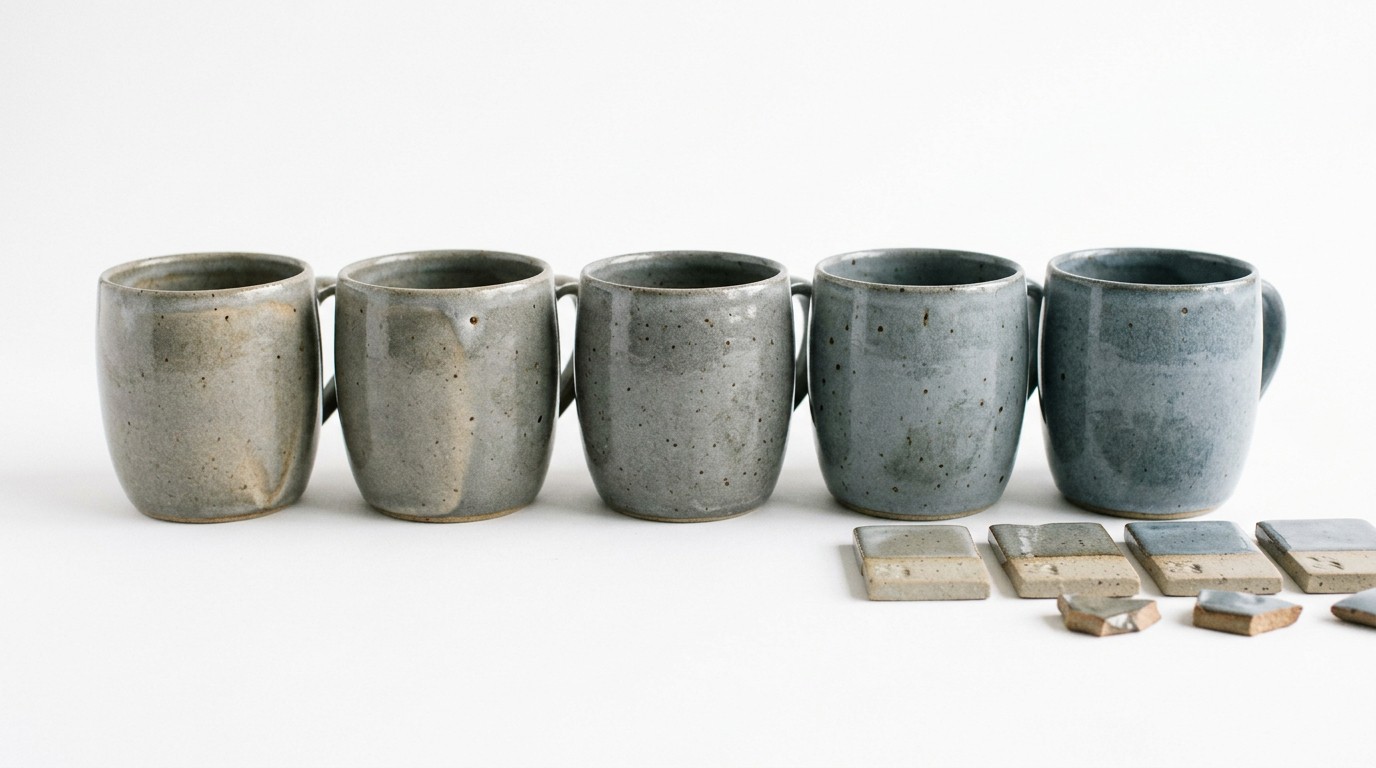
Material choice can affect weight, edge resistance, glaze stability, and long-term replacement rates. Heavier pieces may communicate premium value but can increase operator fatigue and rack weight. Thinner profiles may look refined but need careful review for high-frequency service. The right balance depends on whether the bowl is used 1–2 times daily in hospitality or across continuous meal cycles in institutional settings.
Compliance checks are also part of responsible buying. Buyers commonly ask suppliers to clarify food-contact suitability, manufacturing consistency, and export documentation where applicable. If a program involves international distribution, it is prudent to align on destination market requirements before finalizing artwork, glaze, packing, or labeling. This reduces delays during a typical 2–6 week production scheduling window.
Common cost and risk points buyers overlook
- Breakage cost is not just unit price. It includes handling loss, emergency replenishment, and appearance inconsistency on the table.
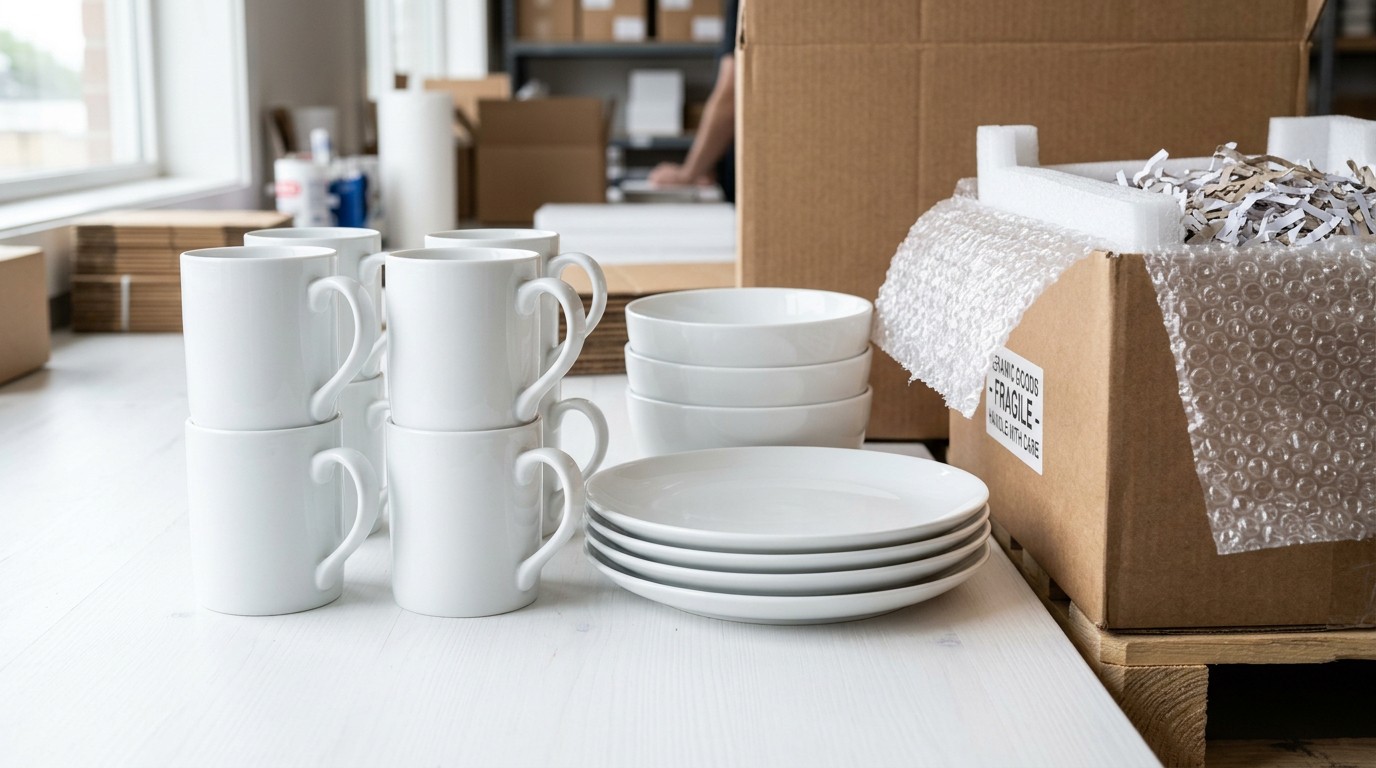
- Packing method matters. Export and domestic handling may require different carton protection and pallet logic.
- Shape changes storage efficiency. A visually attractive bowl that stacks poorly can reduce shelf capacity across a full site.
- Replacement continuity matters for chains. If the same ceramic rice bowl cannot be reordered after 6–12 months, standardization is lost.
A balanced decision model
A practical model is to score options across 3 groups: service presentation, operational efficiency, and supply reliability. This prevents teams from overvaluing appearance while ignoring warewashing, storage, and replenishment risk. For many professional buyers, the most successful bowl program is not the most dramatic shape, but the one that performs steadily across day-to-day use.
This is especially relevant as the kitchen equipment industry moves toward smarter, more integrated operations. Digital kitchen management, standardized serving systems, and energy-efficient back-of-house planning all reward products that reduce variation. Even tableware selection can support better control when it aligns with measured portioning and repeatable service behavior.
FAQ: what do users, buyers, and decision-makers ask most often?
Is a deeper ceramic breakfast bowl always better for portion control?
Not always. A deeper bowl often improves perceived fullness for servings in the 300–600 ml range, but it may not suit topping-heavy menus or self-service concepts where guests want clear visibility. The better approach is to test shape against the actual food category, fill level, and service style rather than choosing depth alone.
How many sample options should a buyer review before ordering?
For most B2B projects, reviewing 3–5 shapes is efficient. This usually provides enough variation in diameter, depth, and wall profile to identify the best fit without slowing the project. Buyers should test at least one deep bowl, one wider porcelain cereal bowl, and one more neutral straight-wall design.
What is the biggest mistake in breakfast bowl procurement?
The most common mistake is buying by stated volume only. A 500 ml bowl can look very different depending on opening width and interior shape. The second mistake is ignoring stackability and dishwashing behavior. In high-turn operations, these two factors can affect labor and replacement cost as much as the initial unit price.
Are ceramic rice bowls and porcelain cereal bowls interchangeable?
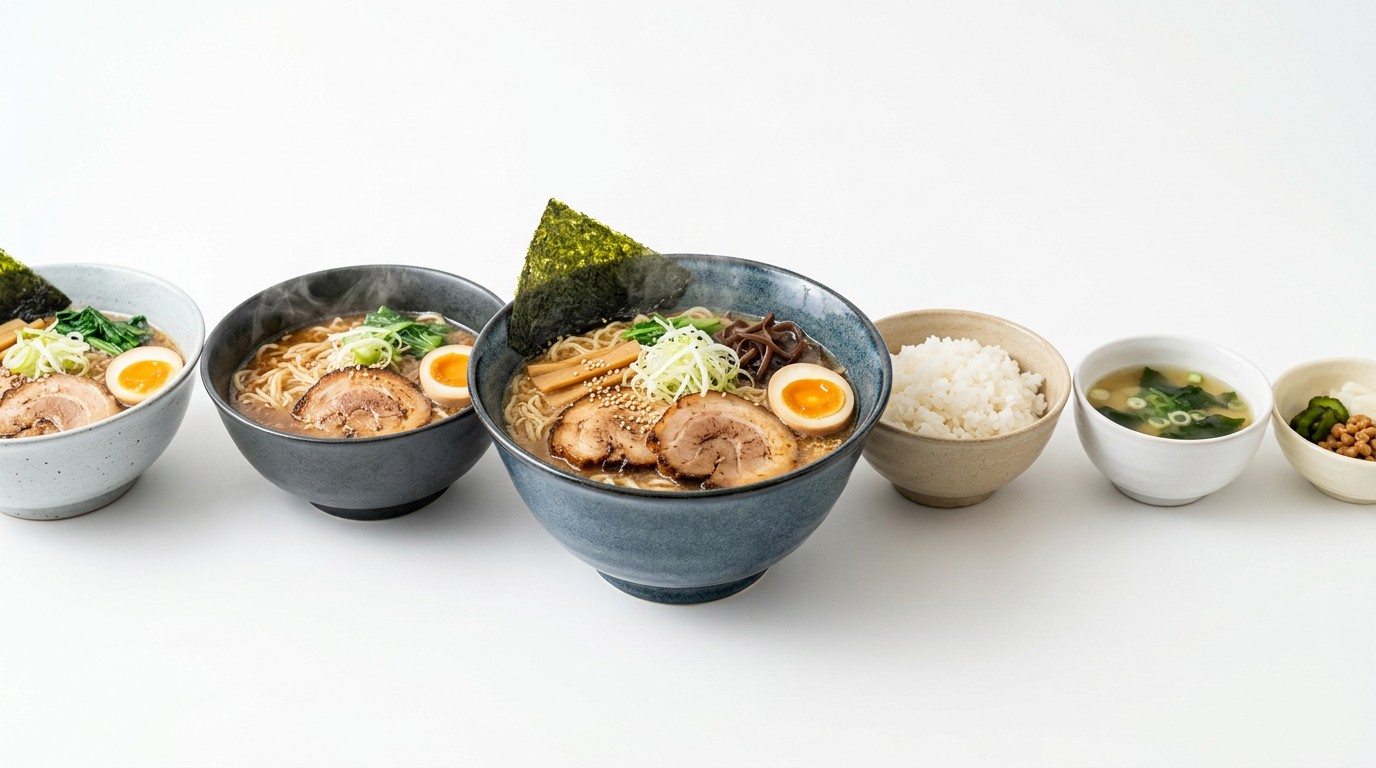
Sometimes, but not always. A ceramic rice bowl usually emphasizes compact presentation and perceived density, while a porcelain cereal bowl often supports wider visual spread and ingredient display. If one bowl must cover multiple uses, teams should prioritize the main menu role and accept some compromise in secondary presentations.
Why choose us for bowl selection, sourcing support, and kitchen equipment coordination?
In the kitchen equipment industry, successful sourcing means connecting tabletop items with operational goals. We support buyers, operators, and decision-makers who need more than a catalog choice. Our approach focuses on practical matching between ceramic breakfast bowl shape, menu application, handling workflow, and procurement requirements across hospitality, foodservice, and distribution channels.
You can contact us for specific support on bowl capacity confirmation, shape comparison, sample selection, packing method, delivery timing, and destination-market requirements. If you are comparing a porcelain cereal bowl, ceramic rice bowl, or multi-use breakfast bowl program, we can help narrow options based on service scenario, quantity range, and replacement planning.
We can also discuss practical points that often delay purchasing decisions: whether a shape is better for buffet or tray service, how many samples should be tested, what fill volume should be used in staff training, and how to align bowl choice with broader kitchen equipment efficiency goals. These details matter when budgets are limited and rollout schedules are tight.
If you are preparing a new product line, a hospitality opening, or a replacement order for an existing operation, contact us with your target capacity range, application scenario, quantity estimate, and expected delivery window. We can support product selection, sample review, quotation discussion, and customized recommendations that fit both presentation goals and real operating conditions.
Popular Tags
Kitchen Industry Research Team
Dedicated to analyzing emerging trends and technological shifts in the global hospitality and foodservice infrastructure sector.
Industry Insights
Join 15,000+ industry professionals. Get the latest market trends and tech news delivered weekly.
No spam. Unsubscribe anytime.

Contact With us
Contact:
Anne Yin (Ceramics Dinnerware/Glassware)
Lucky Zhai(Flatware)