
Stoneware dinnerware keeps gaining share in casual dining spaces
Stoneware dinnerware is steadily gaining share in casual dining spaces as operators seek durable, stylish, and cost-effective table solutions. From a ceramic dinner set and ceramic plate to ceramic bowl and dinner plate options, buyers are comparing materials that balance presentation, performance, and value. This article explores why stoneware dinnerware is becoming a preferred choice for restaurants, hotels, and foodservice decision-makers.
Why stoneware dinnerware is winning in casual dining operations
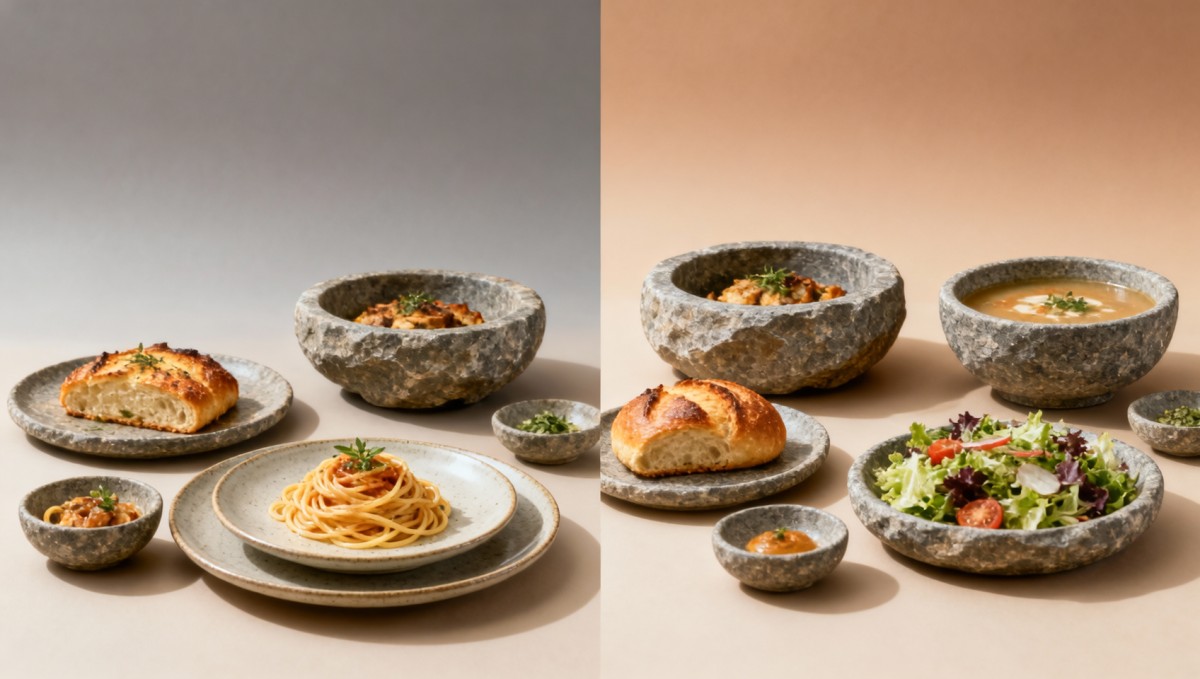
Casual dining operators work in a narrow performance window. Tableware must look appealing during service, survive repeated handling, and fit a budget that supports high table turnover. In this environment, stoneware dinnerware has gained attention because it sits between basic porcelain alternatives and more fragile presentation-focused ceramics. For many buyers, it delivers a practical balance across 3 core factors: visual warmth, functional durability, and controllable replacement cost.
The shift is also tied to broader kitchen equipment purchasing logic. Restaurants, hotels, and central kitchens are not only buying ovens, refrigeration, and preparation systems; they are also optimizing every front-of-house tool that affects guest perception and operating efficiency. A ceramic dinner set is now evaluated like other foodservice assets: by service life, handling risk, cleaning compatibility, and procurement continuity over 6–12 month replenishment cycles.
Stoneware dinnerware fits contemporary casual dining design language. Its slightly organic surface, matte or reactive glaze options, and heavier hand feel support menus built around comfort food, fusion dishes, premium café concepts, and hotel all-day dining. A ceramic plate or ceramic bowl in stoneware often creates a more approachable visual message than highly formal whiteware, which matters for brands trying to combine quality with relaxed service positioning.
Another reason for growth is supply-side flexibility. Global kitchen equipment and tabletop sourcing has become more international, with buyers comparing Asian and European production bases for lead time, glaze consistency, carton protection, and batch repeatability. In many routine procurement projects, standard stoneware dinnerware programs can be sampled within 7–15 days and moved into bulk order planning in 2–6 weeks, depending on decoration complexity and order volume.
- Operators want tableware that can move from lunch to dinner service without looking too formal or too basic.
- Procurement teams need product lines with repeat order stability across multiple SKUs such as dinner plate, side plate, soup bowl, and sharing bowl.
- Decision-makers look for lower breakage exposure and easier brand styling compared with highly customized premium tabletop.
What buyers usually mean when they ask for stoneware
In commercial purchasing, “stoneware” usually refers to vitrified ceramic dinnerware fired at relatively high temperatures to achieve a dense body suited to foodservice use. Buyers are typically not asking for a decorative retail product. They are asking for ceramic dinnerware that performs under repetitive washing, tray loading, stacking, and service pressure. The practical question is not simply material type; it is whether the piece can support daily throughput and maintain acceptable appearance over hundreds of service cycles.
This is why product review should move beyond showroom appearance. A dinner plate that looks attractive under warm lighting may still fail if its foot ring scratches tables, its rim chips easily, or its glaze shows metal marking too quickly. For casual dining spaces, performance must be judged under real conditions: back-of-house handling, dishwashing temperature variation, and front-of-house speed. In many operations, those details matter more than premium packaging or trend-driven surface effects.
Stoneware vs porcelain and other ceramic dinnerware options
Buyers often compare stoneware dinnerware with porcelain, earthenware, and other ceramic plate programs before final selection. The decision depends on service format, menu style, breakage tolerance, and brand positioning. A hotel breakfast room, a chain café, and a neighborhood bistro may all purchase ceramic dinnerware, but the best material choice can differ because operating conditions are not the same.
The comparison below summarizes common procurement considerations. These are not absolute rankings, because exact performance depends on body formulation, firing process, glaze quality, and piece design. Still, the table helps procurement teams narrow down which ceramic dinner set profile best matches a casual dining environment.
For many casual dining spaces, stoneware dinnerware stands out because it supports menu storytelling without forcing the operator into premium-tabletop cost structures. It is especially useful when the concept needs more character than plain white porcelain but still requires dependable back-of-house performance. In projects with 4–8 primary tabletop SKUs, that balance can simplify both launch planning and repeat ordering.
How weight, rim design, and glaze affect daily use
A ceramic plate is not chosen by appearance alone. Weight affects tray carrying, stack height, shelf loading, and staff fatigue during peak periods. Rim design affects chip resistance and plating area. Glaze finish influences cutlery marking visibility and cleaning consistency. These details become more important in sites serving 150–500 covers per day, where small weaknesses quickly become operating costs.
Procurement teams should also compare whether a ceramic bowl or dinner plate nests efficiently in storage. Poor nesting may waste shelf space or increase chipping risk during stacking. In compact urban restaurants and hotel kitchens, storage efficiency is a real cost factor. A range that looks unified on the table but creates friction in warewashing and storage may not be the right long-term choice.
Quick decision signals
- Choose stoneware when brand atmosphere, tactile appeal, and moderate-to-high commercial durability need to coexist.
- Choose porcelain when a cleaner formal profile, lighter handling, or banquet-style standardization is the priority.
- Avoid low-density ceramic options for heavy daily service unless replacement planning is already built into the budget.
Which application scenarios benefit most from stoneware dinnerware?
Not every foodservice space needs the same ceramic dinner set. The best-fit scenario depends on service speed, menu composition, dishwasher intensity, and brand image. Stoneware dinnerware usually performs best in concepts that want to project comfort, craft, and modern informality while still managing operational pressure. That includes both independent restaurants and multi-site groups.
In casual dining restaurants, a stoneware dinner plate supports burgers, pasta, grilled mains, and plated sharing dishes with a more substantial and premium feel. In cafés and bakery-restaurants, a ceramic bowl with natural glaze texture helps soups, grain bowls, salads, and brunch items photograph well and feel less standardized. In hotel all-day dining, stoneware can soften the transition between breakfast, lunch, and dinner, reducing the need for multiple visual tabletop identities.
Operators should still map usage by zone. A front-service display area may justify more distinctive reactive glaze pieces, while high-turnover back-service areas may need simpler shapes with stronger stacking reliability. Many buyers therefore split tabletop programs into 2 layers: hero presentation pieces for signature dishes and core service pieces for daily volume. This approach can control cost while preserving brand identity.
The following scenario table can help foodservice teams decide where stoneware dinnerware delivers the strongest operational value and where another ceramic tableware option may be more suitable.
The table shows that stoneware dinnerware is not a one-size-fits-all choice, but it does align particularly well with spaces where visual differentiation matters and service intensity remains commercially demanding. When buyers match material choice to actual workflow instead of trend alone, the resulting ceramic dinnerware program is more likely to hold up over the first 12–24 months of operation.
Operational checkpoints before rollout
Before full deployment, operators should test 3 things in-house: dishwasher compatibility, stack behavior, and real plating suitability. A sample set that performs well in a showroom may show different results when exposed to repeated machine washing, fast stacking, and active service. A 2–4 week in-operation sample review is often more useful than a quick visual approval meeting.
It is also wise to review item count carefully. Many casual dining concepts overbuy shapes in the early stage. A more efficient approach is to define 5–7 essential SKUs first, then add specialty pieces only if menu engineering truly supports them. This helps control warehouse load, opening inventory cost, and later replenishment complexity.
What should procurement teams check before buying a ceramic dinner set?
For procurement personnel and business decision-makers, the right question is not “Is this ceramic dinner set attractive?” but “Will this set perform economically and consistently over time?” Stoneware dinnerware should be reviewed through a structured sourcing process that links design preference with supply reliability, warewashing demands, and replenishment risk. In most commercial projects, poor specification causes more long-term cost than modest unit-price differences.
A practical evaluation model includes 5 key checkpoints: body density, glaze stability, edge protection, stack efficiency, and supply repeatability. If imported sourcing is involved, buyers should also ask about carton protection methods, breakage claim procedures, and typical production windows. Standard production lead times often range from 30–60 days after sample approval for non-rush orders, though this varies by decoration method and seasonal factory load.
Procurement should cooperate with operations, culinary, and finance teams. Operations can assess handling and washing. Culinary can assess plating proportion and heat retention behavior. Finance can compare total landed cost, not just ex-factory or unit price. This cross-functional review reduces the common mistake of selecting a ceramic plate line that looks right on paper but creates hidden costs after launch.
The checklist below can support supplier discussions and internal approval meetings when reviewing stoneware dinnerware for restaurant or hotel use.
A 5-point procurement checklist
- Confirm commercial-use suitability. Ask whether the ceramic dinnerware is intended for repeated foodservice washing rather than occasional household use.
- Review edge and rim design. Pieces with exposed weak points may chip faster in stacking, bussing, and machine loading.
- Check dimensional consistency across batches. This matters when stacking plates, fitting racks, and maintaining a uniform table presentation.
- Request replenishment planning. Confirm whether the supplier can support repeat orders over 6–12 months without major tone or shape variation.
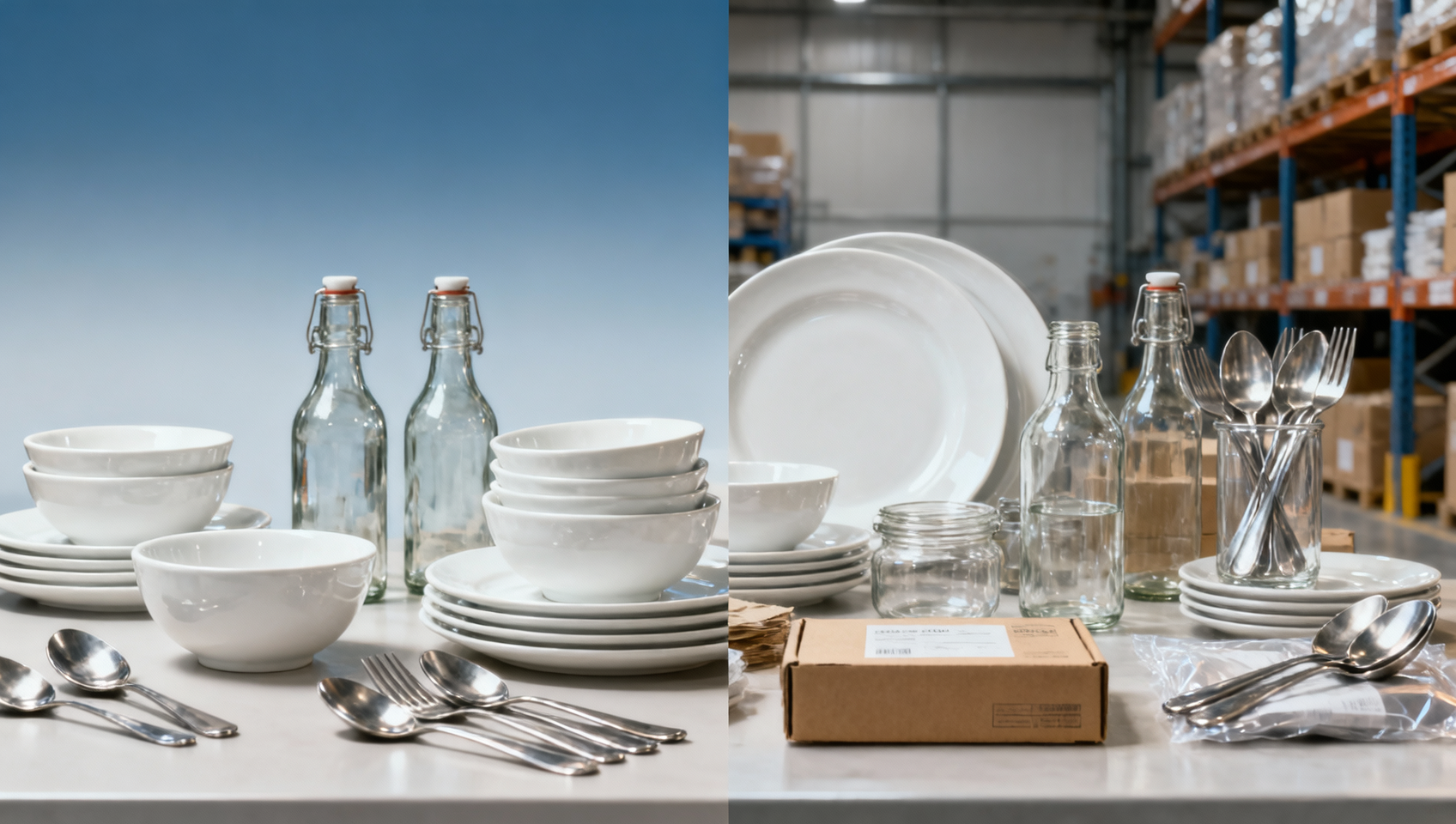
- Evaluate logistics and packing. For export procurement, inner separators, carton strength, and palletization affect damage rates during transit.
Questions worth asking suppliers
Ask whether sample support is available for a ceramic bowl, dinner plate, and side plate combination rather than single-piece approval. Ask how finish variation is controlled for reactive glaze programs. Ask whether the dinnerware suits microwave or dishwasher use when those functions are required. Ask what the minimum order quantity looks like for 3–5 SKUs versus a larger opening package. These questions make quotations more comparable and reduce surprises later.
If your project includes branded hospitality or chain rollout, also ask about model continuity. A tabletop supplier may offer attractive launch samples but have limited long-term consistency across future orders. That is a risk for chains, hotels, and multi-unit foodservice groups that need the same ceramic dinner set profile across locations and replenishment seasons.
Cost, lifecycle value, and common mistakes in stoneware dinnerware selection
Unit price matters, but lifecycle value matters more. A lower-cost ceramic plate that chips quickly or a visually striking ceramic bowl that stacks poorly can increase replacement frequency, labor friction, and storage inefficiency. Over a 12-month operating period, these hidden costs may outweigh initial savings. That is why experienced buyers compare total cost of use rather than only purchase cost.
Stoneware dinnerware often performs well in this calculation because it balances aesthetic appeal with practical endurance. However, not every stoneware line offers the same value. Heavy bodies can raise freight cost. Complex glazes can extend lead time. Irregular handmade-style shapes may look distinctive but reduce stack efficiency. Cost evaluation should therefore include 4 layers: purchase price, freight and packing, breakage exposure, and replenishment practicality.
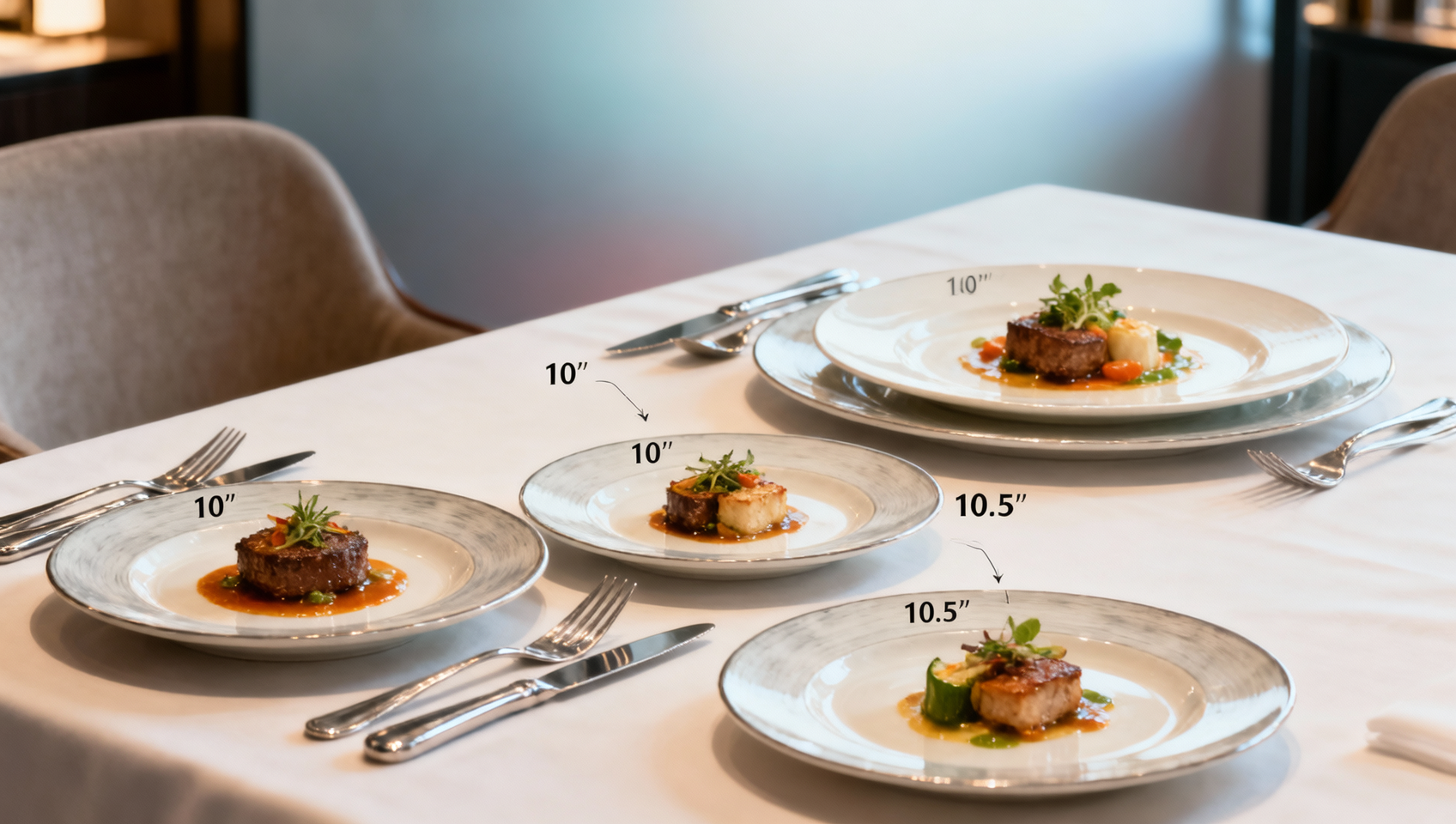
Common mistakes appear repeatedly in the market. Some buyers choose oversized dinner plate formats that do not fit dish racks or shelving. Others approve glaze tones under showroom lighting but not under restaurant lighting. Some select a complete ceramic dinner set before menu finalization, leading to mismatched portion presentation. These are preventable errors when specification is linked to operating reality.
Another overlooked point is replacement strategy. Operators should plan for routine replenishment percentages, especially during the first 6 months of opening. Even when a stoneware dinnerware line is durable, breakage and loss still happen in active foodservice environments. Early reserve stock or a confirmed repeat-order channel can protect service continuity.
Common misconceptions
“Heavier always means stronger”
Not necessarily. A heavier ceramic dinner plate may feel more substantial, but strength depends on body formulation, firing quality, and edge design, not weight alone. Excess weight can even increase handling fatigue and accidental drops during high-volume service.
“Reactive glaze is always better for branding”
Reactive glaze can add visual character, but it also requires tighter expectation management because variation between pieces is part of the look. For chains or highly standardized hospitality brands, too much variation may conflict with consistency goals.
“One ceramic dinner set can cover every use case”
In many projects, a mixed program works better. Core items can prioritize durability and stackability, while selected statement pieces support premium menu items. This often delivers stronger cost control than using feature-grade tabletop across the entire operation.
FAQ and next-step guidance for buyers evaluating stoneware dinnerware
Buyers researching ceramic dinnerware often have similar final questions before moving to sample review or quotation. The answers below reflect common foodservice purchasing logic and can help narrow the decision faster.
How do I know whether stoneware dinnerware is suitable for my restaurant?
Start by reviewing your service style, daily cover range, and brand positioning. Stoneware dinnerware is usually a strong match for casual dining, cafés, modern hotel dining, and concepts that want warmth and character without stepping into highly formal tabletop. A 2–4 week sample test across washing, stacking, and live plating is one of the most reliable ways to confirm suitability.
What are the most important items in a starter ceramic dinner set?
For many restaurant openings, 5–7 core SKUs are enough: one dinner plate, one side plate, one pasta or coupe plate, one soup or salad bowl, one dessert or appetizer plate, and one or two shareable formats. This keeps opening inventory practical while covering most menu needs. Additional specialty pieces can be added after menu performance is proven.
What should I check when comparing ceramic plate samples from different suppliers?
Compare rim strength, stack feel, base finish, glaze consistency, and how the plate frames actual dishes. Also ask about packaging protection and repeat-order consistency. A ceramic plate should be reviewed in both visual and operational terms. If possible, test at least 3 samples side by side under the same lighting and washing conditions.
How long does a commercial stoneware dinnerware order usually take?
For common programs, sample preparation may take around 7–15 days, while production often falls in the 30–60 day range after final approval. More customized glaze work, packaging changes, or peak-season scheduling can extend the timeline. That is why buyers with opening deadlines should start evaluation early and confirm milestone dates in writing.
Why choose us for ceramic dinnerware and tabletop sourcing support?
We focus on practical foodservice purchasing needs, not just product display. If you are evaluating stoneware dinnerware, ceramic plate, ceramic bowl, or a full ceramic dinner set for restaurants, hotels, or hospitality projects, we can support the process in a structured way. You can consult us on item configuration, material comparison, sample selection, typical lead time, packing method, replenishment planning, and project quotation.
For buyers managing multiple stakeholders, we can also help organize the decision path: confirm required SKUs, discuss suitable finish direction, identify high-risk items, align budget with service intensity, and review whether the chosen dinner plate and bowl mix fits your menu and storage conditions. This is especially useful when timelines are tight, order quantities are phased, or consistency across repeat orders matters.
If you are preparing a new opening, a replacement program, or a hospitality upgrade, contact us with your target application, approximate quantity, desired style, and delivery window. We can discuss sample support, product selection, customization scope, packaging expectations, and quote planning based on your actual operating scenario rather than a generic catalog list.
Popular Tags
Kitchen Industry Research Team
Dedicated to analyzing emerging trends and technological shifts in the global hospitality and foodservice infrastructure sector.
Industry Insights
Join 15,000+ industry professionals. Get the latest market trends and tech news delivered weekly.
No spam. Unsubscribe anytime.


Contact With us
Contact:
Anne Yin (Ceramics Dinnerware/Glassware)
Lucky Zhai(Flatware)