
Ceramic bowl sourcing gets harder as kiln capacity tightens
As kiln capacity tightens, sourcing a reliable ceramic bowl or ceramic plate is becoming more complex for buyers across foodservice and retail. From ceramic dinner set planning to balancing supply with glass container, glass bottle, and stainless steel cutlery needs, procurement teams face rising pressure on cost, lead time, and consistency. This article explores what is driving the shortage and how smarter sourcing can reduce risk.
Why ceramic bowl sourcing is getting harder in the current market
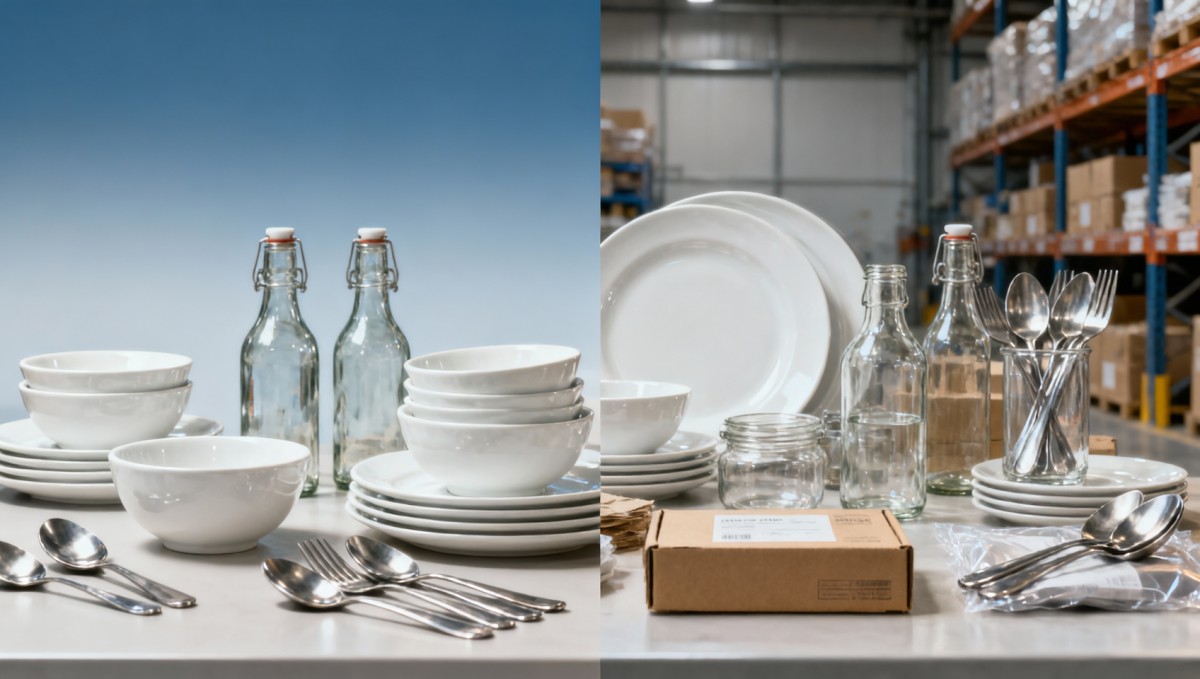
For restaurants, hotels, distributors, and private label buyers, the ceramic bowl market is no longer just about finding a factory with the right shape or glaze. The bigger issue is capacity allocation. Kilns are shared across multiple product lines, and when demand for plates, mugs, serving ware, and customized ceramic dinner set items rises at the same time, available firing slots shrink quickly. That puts pressure on lead times that once moved in 30–45 days and can now extend to 45–75 days in busy periods.
The kitchen equipment industry is also changing the buying pattern behind tableware. Foodservice operators now want coordinated sourcing across ceramic bowl, ceramic plate, glass container, glass bottle, and stainless steel cutlery categories. Procurement teams are being asked to consolidate vendors, reduce handling risk, and maintain visual consistency across front-of-house and back-of-house operations. When one ceramic supplier cannot secure stable kiln time, the ripple effect can delay an entire launch or replenishment cycle.
Capacity tightening is usually driven by a mix of practical factors rather than a single shortage. Ceramic production depends on forming, drying, glazing, firing, inspection, and packing. Among these stages, firing is the least flexible because kiln cycles often run for 10–20 hours per batch, and product thickness, glaze chemistry, and stacking method all affect output. A supplier may have labor and raw materials ready, yet still be unable to commit to a shipment window if kiln planning is uncertain.
Buyers who understand this production bottleneck make better decisions. Instead of treating ceramic bowls as a simple commodity, they assess throughput limits, mold availability, glaze changeover frequency, and the supplier’s ability to prioritize repeat SKUs. This matters even more in commercial kitchens, central kitchens, and hospitality groups where replacement cycles can be monthly or quarterly, not occasional.
What is causing the tight kiln schedule?
Several conditions are overlapping. Energy costs influence firing plans, export orders compete with domestic replenishment, and customized shapes require more setup than standard round bowls. In addition, some factories prefer higher-margin decorated items or bundled ceramic dinner set orders over basic open-stock SKUs. That can leave buyers of plain white ceramic bowls waiting longer than expected even when the product itself seems simple.
- Peak season crowding: pre-holiday and hospitality restocking periods often increase order concentration within 6–10 weeks.
- High SKU complexity: multiple diameters, depths, decal options, and glaze colors reduce scheduling efficiency.
- Kiln compatibility limits: not every bowl or plate can be mixed in the same firing cycle without quality risk.
- Inspection pressure: tighter requirements for chip rate, glaze pinholes, and color variance slow release.
For information researchers and purchasing teams, the key takeaway is simple: ceramic bowl sourcing has become a production-planning issue as much as a price issue. A low quote without confirmed kiln allocation is not the same as supply security.
Which risks matter most for buyers of ceramic bowl and ceramic plate programs?
When kiln capacity tightens, the first visible problem is lead time, but the more costly problems usually appear later. Restaurants may open with incomplete tabletop assortments. Distributors may receive mixed lots with shade variation. Retail brands may launch a ceramic dinner set with missing bowls while glass bottle or stainless steel cutlery components have already arrived. For operators, this creates inventory imbalance and avoidable storage cost.
The second major risk is consistency across repeat orders. A bowl sourced in one quarter may not match the next quarter if a supplier switches clay body, glaze lot, or firing sequence to cope with capacity pressure. Small color shifts can be acceptable in artisanal retail lines, but they are often a problem in hotel chains, airline catering, and restaurant groups that need visual standardization across 20, 50, or more locations.
The third risk is hidden procurement fragmentation. Teams trying to solve ceramic shortages often split orders between suppliers without aligning dimensions, carton standards, and quality criteria. As a result, the nominally same 8-inch ceramic plate may differ in actual stacking height, rim profile, or carton drop resistance. That complicates warewashing, shelving, and replenishment forecasting at the operating level.
A structured risk view helps decision-makers compare options beyond unit price. The table below summarizes common sourcing risks and the practical checks that reduce them before purchase orders are released.
This comparison shows why the most reliable ceramic bowl supplier is not always the cheapest one on paper. In a B2B kitchen equipment environment, a delayed or inconsistent tabletop program can affect service efficiency, customer perception, and inventory turns at the same time.
Operational pain points by buyer role
For users and operators
Operators care about stackability, chip resistance, wash durability, and speed of replacement. If a ceramic bowl profile changes even slightly, rack fit and plating rhythm can suffer. In high-turn foodservice settings, that operational friction is felt every day.
For procurement teams
Buyers need predictable lead time, pack-out accuracy, and supplier responsiveness. They often manage 3–5 categories at once, including ceramic plate, glass container, glass bottle, and stainless steel cutlery. Delays in one category can force costly split shipments or temporary substitutions.
For business decision-makers
Management looks at landed cost, service continuity, and brand presentation. A sourcing model that appears to save 5% on unit cost may create a much larger loss through delayed openings, expedited freight, or dead stock created by mismatched dinnerware components.
How to evaluate a ceramic bowl supplier when capacity is tight
A strong ceramic bowl sourcing strategy starts with the right evaluation framework. Buyers should move beyond catalog review and ask how a factory manages capacity, quality release, and category coordination. This is especially important for hospitality projects, chain restaurant rollouts, and retail programs that require repeat purchases over 6–12 months rather than a one-time order.
The practical method is to divide supplier assessment into three layers: production capability, specification control, and service coordination. Production capability covers firing access and batch planning. Specification control includes size tolerance, glaze repeatability, and packaging discipline. Service coordination checks how well the supplier aligns ceramic bowl and ceramic plate orders with complementary items such as glass bottle and stainless steel cutlery.
The following table can be used as a procurement checklist for RFQ comparison, sampling review, and final negotiation. It is designed for B2B buyers who need clearer selection criteria under compressed timelines.
Using a checklist like this reduces sourcing decisions based only on visual appeal or initial quotation. It also helps internal stakeholders speak the same language. Operators can comment on function, buyers can compare commercial terms, and decision-makers can judge supply continuity with fewer assumptions.
A practical 4-step sourcing workflow
- Define the usage profile: confirm whether the ceramic bowl is for restaurant service, buffet, central kitchen plating, retail gifting, or mixed use.
- Lock the specification sheet: include dimensions, color reference, weight range, packing details, and replacement expectations.
- Validate samples and schedule: request production sample approval and a realistic shipment plan with weekly milestones.
- Coordinate related categories: align ceramic plate, glass container, glass bottle, and stainless steel cutlery delivery before final PO release.
In tight markets, this workflow often saves more cost than aggressive price negotiation. Avoiding one delayed launch or one mismatched replenishment run can offset several percentage points of unit price difference.
Cost pressure, alternatives, and category balancing decisions
When ceramic bowl sourcing gets difficult, buyers usually ask two questions: should we wait, or should we switch? The answer depends on service style, brand positioning, budget, and how tightly the item integrates with the rest of the kitchen equipment and tabletop program. Not every ceramic plate or bowl needs a full redesign, but some projects benefit from controlled substitution.
For example, open-stock utility bowls in high-volume canteens may allow more flexibility than signature serving bowls in a hotel dining concept. In some cases, buyers can simplify glaze options, reduce the number of bowl sizes from 5 to 3, or shift part of the beverage service into glass container or glass bottle programs. These adjustments relieve pressure without sacrificing the overall dining presentation.
However, substitution should be planned carefully. Material changes affect breakage patterns, stack height, visual feel, and replacement logic. Stainless steel cutlery is often easier to cross-source than ceramic dinner set items because the tabletop identity is usually more dependent on dinnerware color and form than on cutlery finish alone.
When alternatives make sense
- Use standard white ceramic instead of custom reactive glaze when launch deadlines are within 4–8 weeks.
- Reduce SKUs when multiple bowl depths serve overlapping menu functions.
- Shift selected presentation items to glass container formats if the application is cold service or retail display.
- Bundle sourcing under one project manager to align ceramic plate, bowl, glass bottle, and cutlery deliveries.
Cost should be measured beyond the unit price
A low-cost ceramic bowl with a 3-week delay can become more expensive than a higher-priced bowl that ships on time. Buyers should review at least five cost layers: unit price, packaging loss, expedited freight risk, inventory imbalance, and replacement stability. This broader view is especially relevant for chains, importers, and foodservice groups managing monthly replenishment.
In practice, the best option is often a balanced one: hold core SKUs in stable ceramic finishes, customize only high-visibility items, and keep at least one approved backup design for urgent replenishment. That gives purchasing teams more flexibility during periods of kiln congestion.
Standards, quality checks, and implementation details buyers often miss
Even in a supply-constrained market, quality discipline should not be relaxed. For ceramic bowl and ceramic plate procurement, buyers typically need clear agreement on food-contact suitability, visual quality criteria, dimensional tolerance, and packing method. If products are intended for commercial dishwashing, thermal cycling and edge-chip performance should also be reviewed during sample approval.
These checks do not require exaggerated claims or brand-specific promises. They require documentation and process control. A reliable supplier should be able to discuss material consistency, production inspection points, and what happens if a repeat order must be run under a different kiln plan. That transparency matters more than polished sales language.
For importers and procurement managers, implementation works best when inspection is tied to milestones. A practical model uses 3 stages: pre-production confirmation, in-process review, and pre-shipment verification. For larger programs, one additional carton review step is useful to confirm labeling, quantity per carton, and pallet pattern before booking shipment.
Five checkpoints before approving a shipment
- Confirm the approved reference sample still matches the production batch in shape, glaze tone, and finish.
- Check key dimensions on representative pieces, especially for stackable ceramic bowls and rim-sensitive plates.
- Review defect criteria such as pinholes, glaze runs, black specks, and edge roughness with written acceptance levels.
- Verify pack-out details, barcode or carton markings, and pallet arrangement to reduce handling loss.
- Align shipment timing with related glass container, glass bottle, and stainless steel cutlery deliveries if the goods are part of one launch.
Buyers often focus on appearance and overlook pack-out control. Yet transit damage and warehouse inefficiency can erase savings quickly. In multi-category kitchen equipment programs, packaging discipline is often the difference between a smooth installation and a fragmented receiving process.
FAQ and next-step planning for ceramic bowl procurement
Because ceramic bowl sourcing now involves timing, quality, and category coordination, many buyers have the same final questions before moving forward. The answers below address common concerns from researchers, operators, procurement staff, and business decision-makers.
How long does ceramic bowl sourcing usually take now?
For standard repeat items, a practical planning range is often 30–60 days, but this depends on quantity, decoration complexity, and confirmed kiln access. New molds, unusual glazes, or mixed-size ceramic dinner set programs can extend the timeline. Buyers should separate sample approval time from mass production time and ask for milestone dates rather than one headline estimate.
What matters more: price or lead time?
In foodservice and retail launches, lead time reliability often has greater operational value than the lowest price. If delayed ceramic plate or bowl supply causes split shipments, missing shelf sets, or postponed openings, the extra cost can exceed the savings gained from the original quotation. The best comparison combines unit price, on-time confidence, and replacement continuity.
Can ceramic bowls be sourced together with glass bottle and cutlery items?
Yes, and in many B2B projects it is a better approach. Coordinated sourcing reduces communication gaps and helps purchasing teams manage 3–4 milestone checkpoints across categories. It also supports more consistent branding in hotels, restaurant groups, and retail tabletop collections.
What are the most common mistakes in ceramic bowl procurement?
The most common errors are approving samples without full written specifications, accepting quoted lead times without kiln confirmation, and splitting orders across factories without standardizing carton and tolerance requirements. Another frequent mistake is treating ceramic bowl sourcing as separate from the broader kitchen equipment plan, even though launch success often depends on synchronization with glass container and stainless steel cutlery deliveries.
Why choose us for sourcing support and supply coordination?
We support buyers with practical sourcing work rather than generic product listing. That means helping you confirm ceramic bowl and ceramic plate specifications, compare realistic lead times, evaluate replacement stability, and coordinate related categories such as glass container, glass bottle, and stainless steel cutlery. For commercial kitchen, hospitality, retail, and distribution projects, we can discuss sample planning, packaging details, delivery windows, and backup options before you commit.
If you are reviewing suppliers or preparing a new tabletop program, contact us with your target dimensions, usage scenario, estimated quantity, desired shipment timing, and any compliance or packaging requirements. We can help with parameter confirmation, product selection, sample support, quotation comparison, delivery planning, and customized sourcing solutions that reduce risk under tight kiln capacity conditions.
Popular Tags
Kitchen Industry Research Team
Dedicated to analyzing emerging trends and technological shifts in the global hospitality and foodservice infrastructure sector.
Industry Insights
Join 15,000+ industry professionals. Get the latest market trends and tech news delivered weekly.
No spam. Unsubscribe anytime.


Contact With us
Contact:
Anne Yin (Ceramics Dinnerware/Glassware)
Lucky Zhai(Flatware)