
Restaurant Kitchen Equipment Accessories Worth Adding Early
Choosing the right restaurant kitchen equipment accessories early can improve workflow, reduce downtime, and support food safety as your operation grows. For business decision-makers, these additions are not small extras but practical investments that strengthen efficiency, equipment performance, and long-term cost control. Understanding which accessories deliver value from the start helps build a smarter, more scalable kitchen.
Why accessory decisions change by restaurant scenario
Not every kitchen needs the same accessory package, even when the core cooking line looks similar. A quick-service brand focused on speed, a hotel kitchen handling banquet peaks, and a central production kitchen serving multiple outlets all use restaurant kitchen equipment accessories in different ways. The real business question is not simply which accessory is popular, but which one improves output, hygiene, consistency, and maintenance in your operating context.
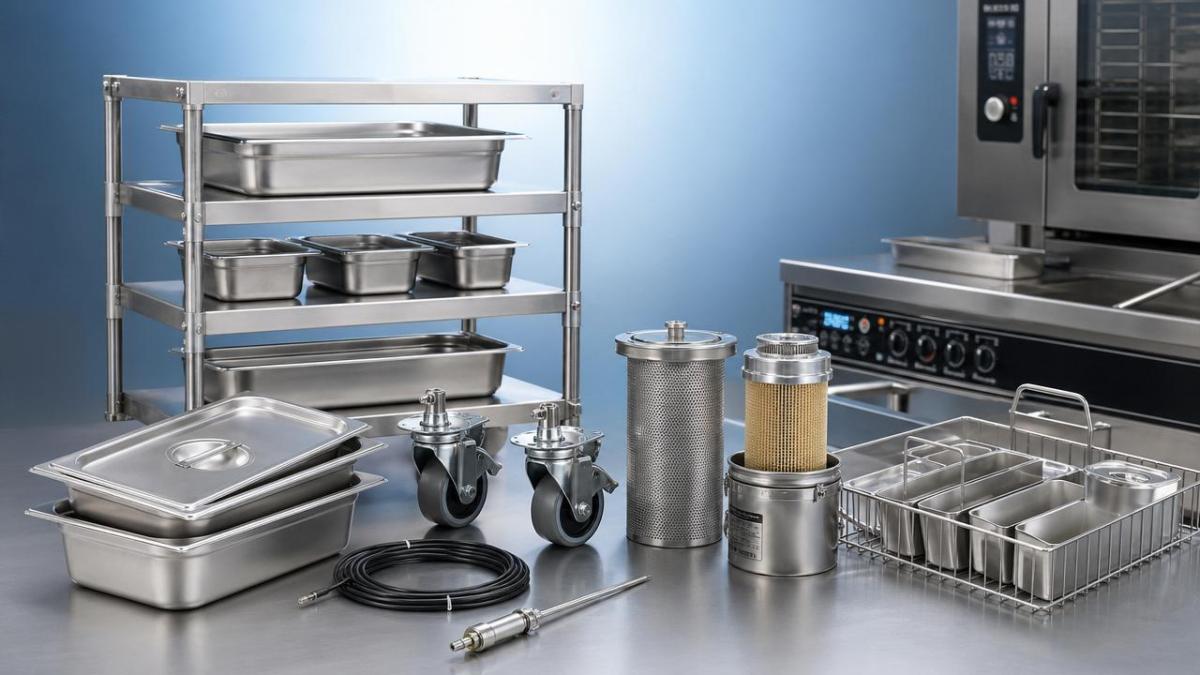
For enterprise buyers, scenario-based planning matters because accessories often influence labor efficiency more than major equipment upgrades do. Shelving systems, prep inserts, filtration kits, casters, splash guards, pans, racks, temperature probes, and water treatment devices may appear secondary, yet they can reduce handling steps, prevent breakdowns, and support compliance. In fast-moving foodservice environments, small delays from missing accessories can create expensive bottlenecks.
This is especially important in a kitchen equipment market that is shifting toward automation, smarter controls, and energy efficiency. Many commercial kitchens now expect accessories to support integrated operations, easier cleaning, lower utility waste, and more predictable maintenance. As a result, early selection of restaurant kitchen equipment accessories should be tied to use case, production rhythm, menu structure, and expansion plans.
Core restaurant kitchen equipment accessories worth adding early
Before comparing scenarios, it helps to identify the accessory categories that deliver early operational value across most professional kitchens. These are not decorative add-ons; they are practical support tools that improve how core equipment performs day after day.
- Mobility and positioning accessories such as heavy-duty casters, leveling feet, and locking wheel kits for easier cleaning and layout changes.
- Storage and workflow accessories such as undershelves, ingredient bins, pan racks, tray slides, and wall-mounted organizers.
- Safety and sanitation accessories such as splash guards, cutting board attachments, grease filters, drain trays, and hands-free waste solutions.
- Performance support accessories such as water filtration, pressure regulators, replacement nozzles, oven racks, and compatible gastronorm pans.
- Monitoring accessories such as digital thermometers, food probes, timer modules, and simple data logging tools.
- Maintenance-focused accessories such as spare gaskets, liners, removable inserts, and quick-change wear parts.
When selected early, these restaurant kitchen equipment accessories reduce later retrofitting costs and make staff onboarding easier. They also help standardize operations across multiple locations, which is often a top priority for business decision-makers.
Scenario comparison: where priorities differ most
The table below shows how accessory priorities change across common foodservice settings. This kind of comparison helps purchasing teams avoid overbuying in one area while missing essential support items in another.
Scenario 1: Quick-service and chain operations
In quick-service environments, accessory value is measured by seconds saved per order and minutes saved per cleaning cycle. Restaurant kitchen equipment accessories for this scenario should support repetition, fast swaps, and staff simplicity. Examples include fryer basket systems, oil filtration accessories, heat-resistant holding racks, condiment pan organizers, and integrated timer modules.
Chain operators also benefit from standardized accessories that can be deployed across multiple units. If each store uses the same pan size, shelf configuration, and replacement gasket kit, procurement becomes easier and maintenance becomes more predictable. This approach supports brand consistency and lowers inventory complexity.
For this scenario, buyers should ask three questions: Can the accessory shorten repetitive tasks? Can it simplify cleaning under health inspection pressure? Can it be replaced quickly without special technical support? If the answer is yes, it is often worth adding early.
Scenario 2: Full-service restaurants with broader menus
A full-service kitchen usually faces more variation in prep methods, station coordination, and service timing. Here, restaurant kitchen equipment accessories should improve organization rather than pure speed alone. Prep table inserts, labeled ingredient bins, removable cutting surfaces, oven rack options, and accurate temperature monitoring tools become more valuable because they support menu diversity and quality control.
These kitchens often experience hidden inefficiencies caused by poor station setup. Staff may walk too far for tools, open refrigeration too frequently, or delay service because pans and trays are not staged correctly. Accessories that reduce motion and create a clearer station logic can deliver stronger returns than some larger capital purchases.
Decision-makers in this segment should prioritize compatibility. Accessories must fit existing prep counters, refrigeration units, combi ovens, and dishwashing flow. A useful accessory that does not match the kitchen layout often becomes unused inventory.
Scenario 3: Hotels, catering, and banquet production
Hotels and banquet kitchens operate with extreme shifts in volume. On a normal day, accessory demand may look moderate; during events, the same kitchen must stage, transport, hold, and recover rapidly. In this setting, restaurant kitchen equipment accessories that support movement and surge capacity are especially important. Mobile racks, extra shelving, transport carts, hot holding inserts, steam table accessories, and backup water filtration components all add resilience.
Water quality accessories deserve special attention in this scenario. Banquet operations often depend on steamers, coffee systems, combi ovens, and warewashing equipment running continuously. Filtration and scale-control accessories protect these assets and reduce service interruptions during high-revenue events.
In practical terms, this scenario favors accessories that support staging before service peaks. If equipment can be loaded, held, moved, and cleaned more efficiently, labor pressure drops and event execution becomes more reliable.
Scenario 4: Central kitchens and food production environments
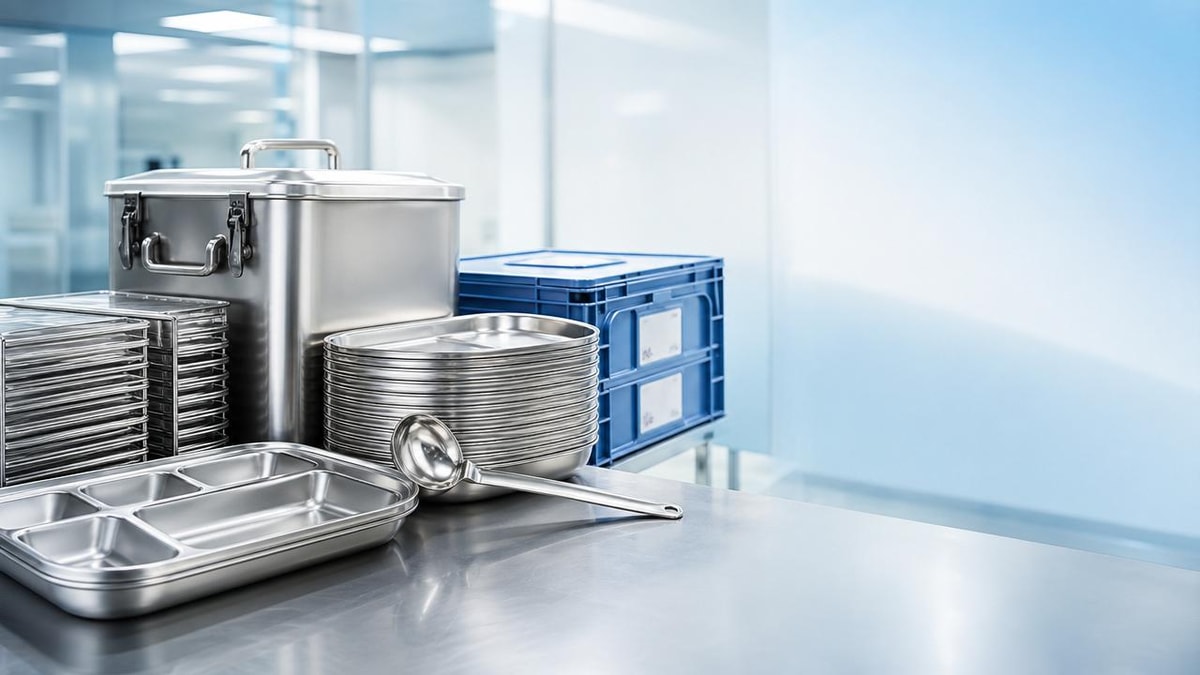
Central kitchens and high-output production sites require restaurant kitchen equipment accessories that strengthen control, traceability, and sanitation. The main concern here is not individual ticket speed but stable batch performance across larger volumes. Accessories such as standardized containers, mobile ingredient bins, thermometer systems, washdown components, machine guards, and spare wear parts help maintain predictable production.
Because output is often distributed to multiple service points, these operations also need accessories that support repeatable handling and easier staff training. Uniform inserts, color-coded tools, and clear rack systems can reduce cross-contact risks and simplify workflow management. In a sector increasingly influenced by automation and smart kitchen practices, monitoring accessories can also support data-backed improvement over time.
For enterprise buyers, this scenario usually justifies investing early in maintenance kits and replacement components. A low-cost missing part can interrupt a high-value production line, so accessory planning should be tied directly to continuity risk.
How to judge which accessories fit your business stage
The right restaurant kitchen equipment accessories depend not only on kitchen type but also on company stage. A single-site operator may focus on flexibility and staff ease, while a regional group may focus on standardization, maintenance control, and supplier consistency.
- New openings: prioritize sanitation, storage, mobility, and accessories that reduce training time.
- Growing multi-unit brands: prioritize standard pan systems, replacement parts, and accessories that simplify rollouts.
- Renovation projects: prioritize compatibility with existing utilities, footprints, and cleaning procedures.
- High-volume operations: prioritize monitoring, water treatment, spare kits, and workflow accessories that protect uptime.
A useful rule is to rank accessories by four filters: operational frequency, hygiene impact, downtime prevention, and scalability. If an accessory scores well in at least two of those categories, it usually deserves early consideration.
Common buying mistakes in restaurant kitchen equipment accessories
One common mistake is treating accessories as end-of-budget items. This often results in major equipment arriving without the supporting pieces needed for efficient daily use. Another mistake is buying generic accessories that do not match equipment dimensions, utility conditions, or cleaning methods. Poor fit creates frustration, wasted capital, and safety issues.
A third mistake is overlooking maintenance-related accessories. Many businesses invest in visible production tools but delay spending on filtration cartridges, spare seals, drain components, or replacement racks. These items rarely attract attention during procurement, yet they often have a direct effect on equipment lifespan and emergency repair frequency.
Finally, some teams focus only on today’s menu and ignore future scaling. Restaurant kitchen equipment accessories should be selected with some room for menu adjustment, labor changes, and expansion. Early flexibility reduces the need for disruptive changes later.
FAQ for business decision-makers
Which accessories usually offer the fastest return?
Accessories tied to cleaning efficiency, station organization, temperature control, and preventive maintenance often show value quickly. In many kitchens, casters, shelving, pan systems, filtration accessories, and probes produce measurable gains within routine operations.
Should accessories be sourced together with major equipment?
Yes, in most cases. Buying restaurant kitchen equipment accessories at the same planning stage improves compatibility, installation readiness, and budget visibility. It also reduces delays during opening or renovation.
How can multi-location operators simplify accessory procurement?
Create a standardized accessory list by kitchen format, station type, and approved equipment model. This supports consistent training, easier replenishment, and better supplier negotiation.
A practical next step for selecting the right accessories
The most effective way to choose restaurant kitchen equipment accessories is to map them against real operating scenarios, not abstract product categories. Review your peak service pattern, menu complexity, cleaning routine, staff skill level, and expansion plan. Then identify which accessories reduce friction at the station level and which ones protect uptime at the equipment level.
For business decision-makers, the goal is not to buy more accessories, but to buy the right ones early. When selected with scenario fit in mind, restaurant kitchen equipment accessories can improve workflow, strengthen food safety, support smarter kitchen management, and create better long-term value across commercial foodservice operations.
Popular Tags
Kitchen Industry Research Team
Dedicated to analyzing emerging trends and technological shifts in the global hospitality and foodservice infrastructure sector.
Industry Insights
Join 15,000+ industry professionals. Get the latest market trends and tech news delivered weekly.
No spam. Unsubscribe anytime.
Contact With us
Contact:
Anne Yin (Ceramics Dinnerware/Glassware)
Lucky Zhai(Flatware)