
Commercial restaurant supplies that hold up in busy kitchens
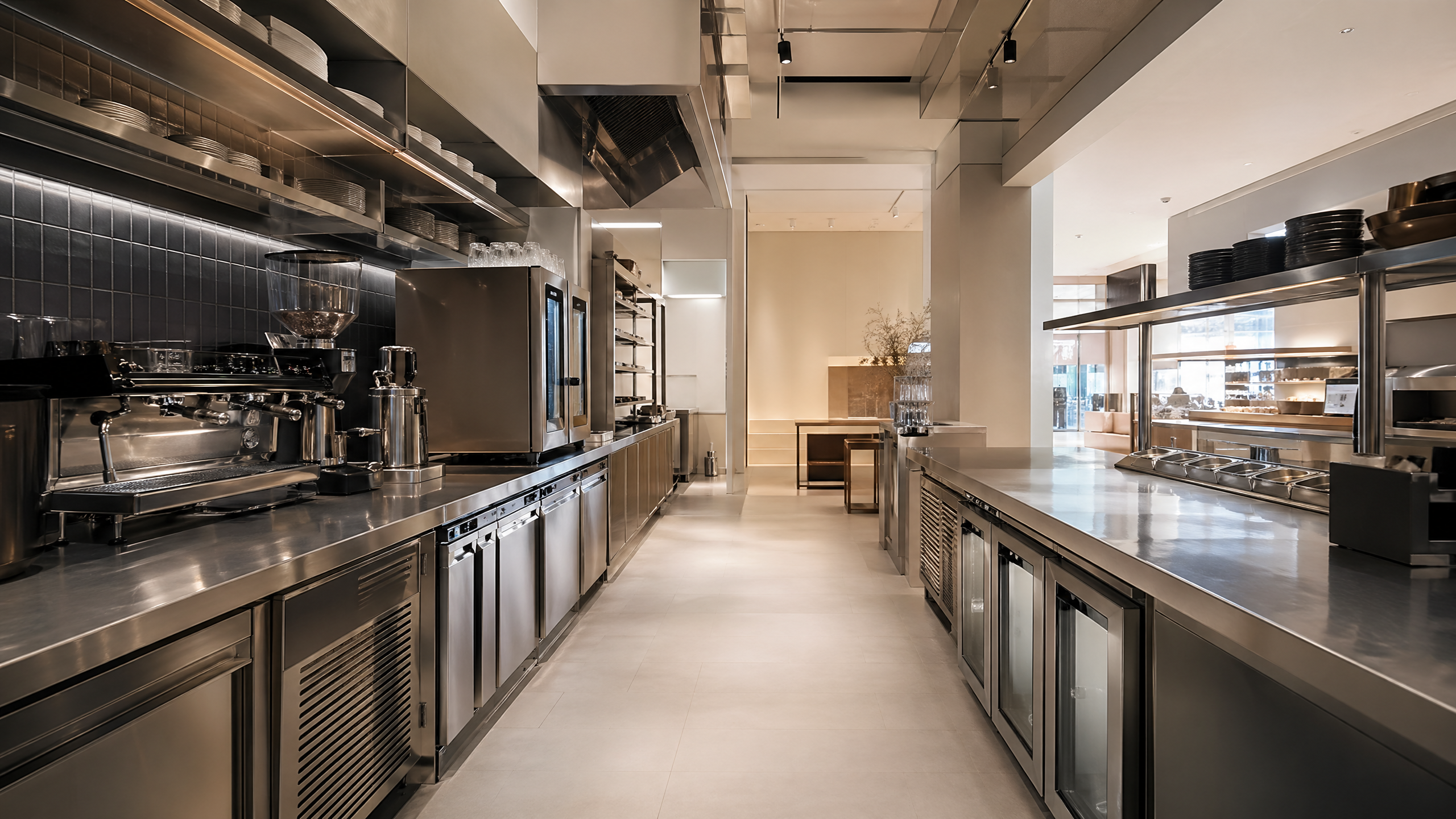
In busy kitchens, choosing commercial restaurant supplies that can withstand constant use is essential for safety, speed, and long-term value. From stainless steel restaurant supplies to restaurant supplies bulk order options, buyers today need reliable products and smarter planning. Whether you are sourcing from a trusted restaurant supplies manufacturer or exploring energy efficient kitchen design, the right solutions can improve performance in hotels, schools, hospitals, cafes, and food processing facilities.
For operators, the challenge is practical: equipment and supplies must survive 10 to 16 hours of daily use, frequent cleaning, heat exposure, impact, and fast staff turnover. For procurement teams and decision-makers, the challenge is broader. They need commercial restaurant supplies that balance durability, lead time, operating cost, hygiene compliance, and future scalability across one site or multiple locations.
The kitchen equipment industry is also changing quickly. Buyers are no longer looking only at basic utensils, prep tables, shelving, sinks, and cooking equipment. They are comparing automation readiness, maintenance cycles, energy consumption, cleaning efficiency, and compatibility with digital kitchen workflows. In this environment, better selection decisions can reduce replacement frequency, lower downtime, and support safer kitchen operations.
What Makes Commercial Restaurant Supplies Suitable for Busy Kitchens
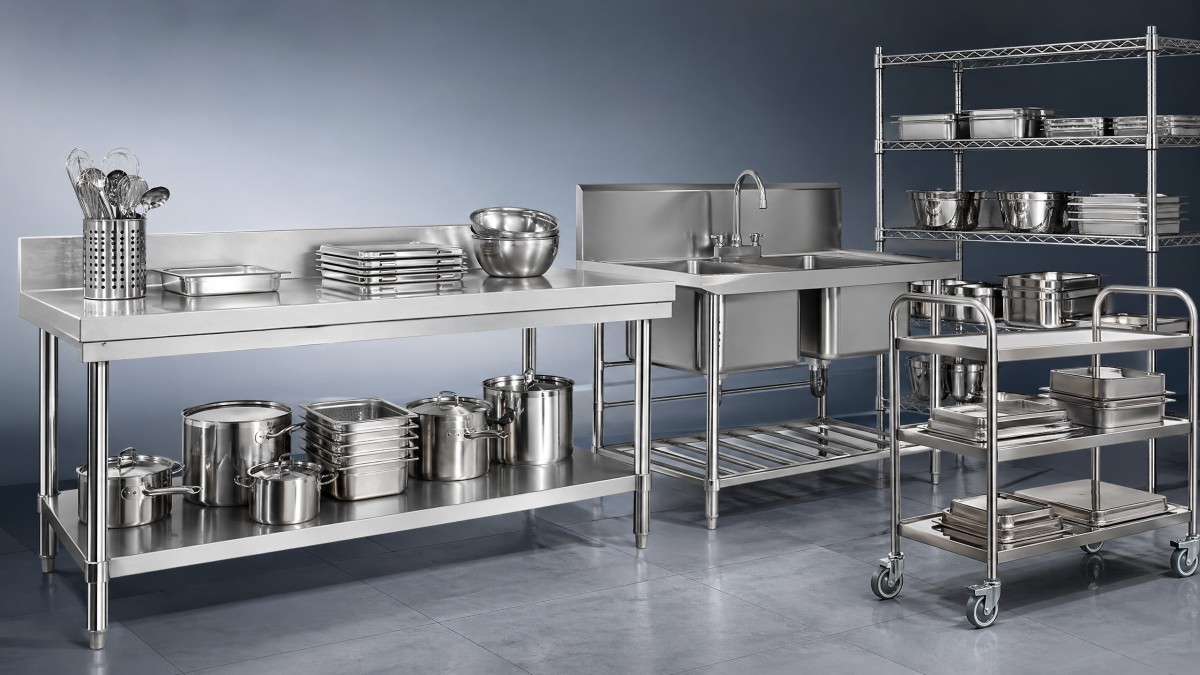
Not all restaurant supplies are built for the same workload. A café serving 80 covers per day and a hospital kitchen producing 1,500 meals per shift put very different stress on tables, pans, storage systems, carts, cutting tools, and small appliances. In high-volume environments, commercial restaurant supplies must perform consistently under repeated use, moisture, grease, detergents, and tight cleaning schedules.
Durability usually starts with material choice. Stainless steel restaurant supplies remain a top option because grades such as 201 and 304 are widely used for corrosion resistance and cleanability. For areas with high humidity, acidic food contact, or daily washdown, 304 stainless steel is often preferred. Thickness also matters. Worktables, shelves, and sink units built with 0.8 mm to 1.2 mm steel generally offer better rigidity than lighter constructions used in low-demand environments.
Core performance factors to evaluate
Busy kitchens demand more than a polished finish. Procurement and operations teams should evaluate at least 5 core factors before placing bulk orders: structural strength, hygiene design, heat resistance, ease of cleaning, and parts availability. If one of these fails, the total cost of ownership rises quickly through repair, replacement, workflow disruption, or sanitation risk.
- Structural stability: shelves, trolleys, and workstations should handle realistic load ranges such as 100 kg to 300 kg depending on application.
- Surface finish: smooth, non-porous surfaces reduce residue buildup and shorten cleaning time per shift.
- Joint design: welded or reinforced corners often last longer than lightly fastened assemblies in high-traffic kitchens.
- Thermal tolerance: cookware, trays, and nearby fixtures should tolerate repeated exposure to hot holding or cooking zones.
- Maintenance access: removable parts and easy-to-replace fittings can reduce service time from several hours to less than 30 minutes for minor issues.
Another key factor is workflow compatibility. Commercial restaurant supplies that hold up physically but slow down kitchen movement are not ideal. For example, undersized prep stations, poorly placed storage racks, or bins without clear labeling can add seconds to each task. Across 300 to 800 task cycles per day, these seconds become measurable productivity losses. Good supply selection supports speed, consistency, and safer movement in tight spaces.
The table below compares common supply categories and the durability features buyers should prioritize in busy kitchens.
The main takeaway is simple: durability is not one feature but a combination of materials, fabrication quality, and fit-for-purpose design. Buyers who compare these details early are more likely to avoid premature failure within the first 6 to 18 months of operation.
How Different Facilities Choose Restaurant Supplies by Use Case
Commercial restaurant supplies serve a wide range of facilities, and the best purchasing decision depends on production volume, menu complexity, cleaning frequency, and staff workflow. A hotel banquet kitchen, a school cafeteria, a quick-service restaurant, and a food processing prep room all need durable supplies, but not the same product mix or specification level.
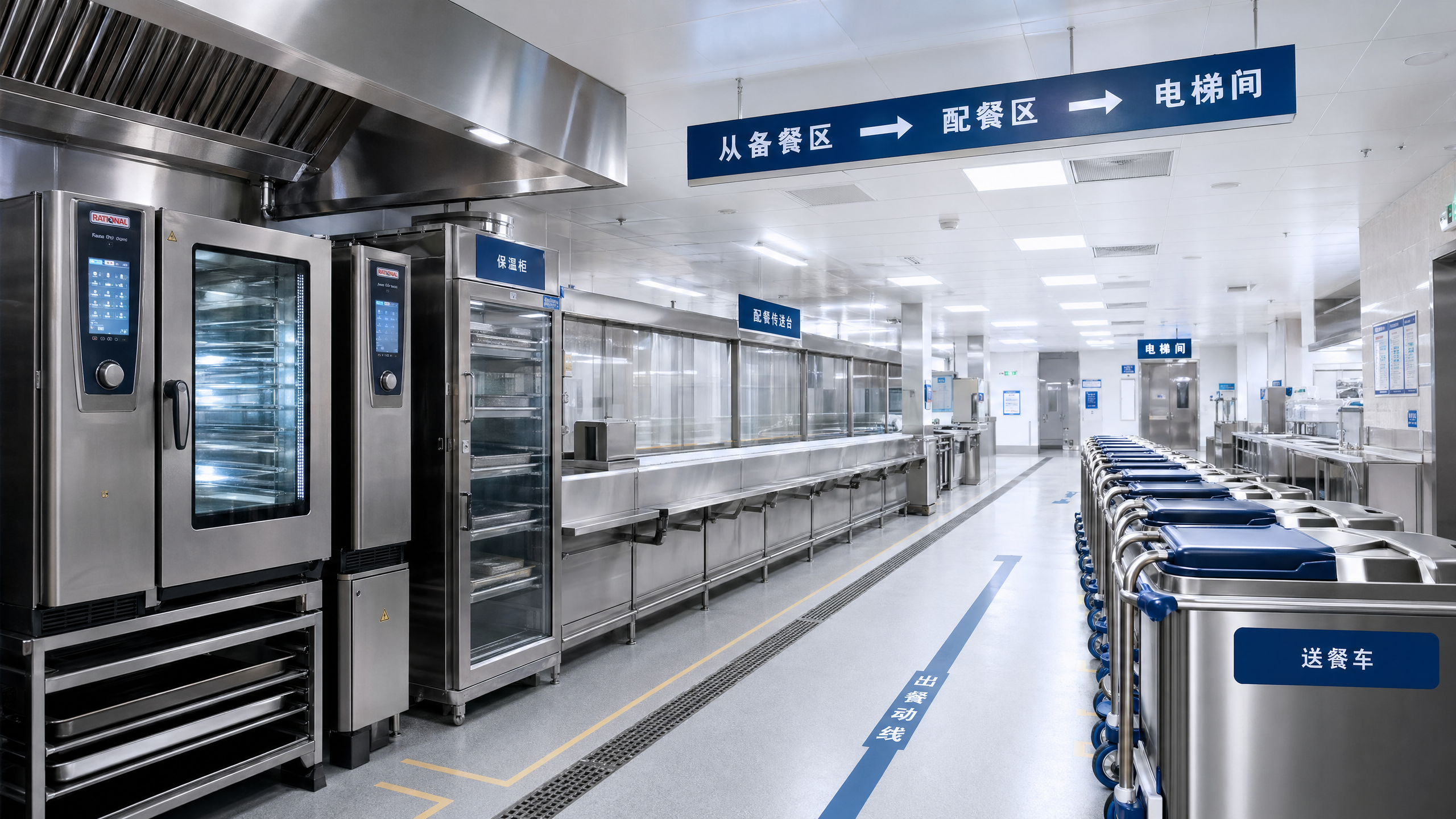
Hotels and full-service restaurants usually require supplies that support flexible menus and presentation standards. That often means heavy-duty prep surfaces, GN-compatible pans and containers, insulated holding tools, and mobile transport units for service transitions. In these environments, appearance matters along with durability, especially for open kitchens or back-of-house areas connected to guest-facing service.
Operational priorities by facility type
Schools, hospitals, and central kitchens typically focus more heavily on throughput, hygiene control, and predictable replenishment. Supplies are often selected around repetitive meal production, standardized cleaning procedures, and tight budget planning. For these sites, consistency across 20, 50, or even 200 identical items can matter more than design variety.
Food processing facilities have another layer of requirements. They may need restaurant supplies and kitchen tools that integrate with production hygiene rules, separate raw and cooked zones, and support frequent sanitation. In these settings, color-coded tools, drainage-friendly tables, and easy-disassembly parts can reduce contamination risk and improve audit readiness.
The following comparison helps buyers align supply selection with real kitchen demand instead of purchasing generic items that wear out too quickly.
This kind of use-case planning also supports better restaurant supplies bulk order decisions. Instead of ordering the same specification for every site, buyers can segment items into three tiers: heavy-duty core supplies, medium-use support items, and consumable or semi-consumable accessories. That approach often improves budget control and reduces over-specification in low-load areas.
Practical signs that a kitchen needs an upgrade
- Frequent replacement of shelves, bins, or pans every 3 to 6 months.
- Cleaning takes longer because surfaces trap grease, water, or food particles.
- Staff create informal workarounds because storage, transport, or prep tools do not match workflow.
- Rust, deformation, loose fasteners, or unstable legs appear under normal daily use.
When these issues appear across multiple stations, the problem is often not isolated product failure. It usually points to a mismatch between kitchen workload and the grade of commercial restaurant supplies being used.
Procurement Standards: How Buyers Compare Suppliers, Materials, and Bulk Orders
For procurement teams and business decision-makers, selecting a restaurant supplies manufacturer involves more than asking for a price list. A lower unit price can be offset by longer lead times, inconsistent finishing, poor packaging, missing spare parts, or high minimum order quantities. Strong sourcing decisions usually come from a structured review process with 4 to 6 evaluation points.
A practical supplier review framework
Start with manufacturing consistency. For fabricated stainless steel restaurant supplies, buyers should check material thickness tolerance, weld quality, edge treatment, and dimensional accuracy. Even a 3 mm to 5 mm variation in assembly alignment can create installation issues when multiple workstations or storage units must fit into a tight line layout.
Next, review supply chain responsiveness. In many commercial projects, standard items can ship within 7 to 15 days, while customized configurations may need 3 to 6 weeks depending on quantity and complexity. Buyers should confirm production capacity, packaging protection, replacement part support, and whether the supplier can handle phased deliveries for multi-site rollouts.
Bulk ordering also needs careful planning. Restaurant supplies bulk order strategies can reduce unit cost, but only when SKU standardization, storage space, and replenishment timing are controlled. Over-ordering the wrong items ties up budget and warehouse space, while under-ordering causes fragmented reorders and inconsistent product batches.
The table below shows a practical decision matrix that many buyers can adapt for commercial kitchen projects.
The most effective procurement teams usually predefine acceptance criteria before ordering. That may include dimensional tolerance limits, packaging standards, finish requirements, and inspection points for 5 to 10 representative SKUs. This helps avoid disputes later and keeps the supplier relationship focused on measurable quality, not vague expectations.
Checklist before confirming a bulk order
- Separate standard items from custom-fabricated items to reduce lead-time uncertainty.
- Request a sample, drawing confirmation, or finish photo for critical SKUs.
- Match packaging method to shipping route, especially for export or long-distance inland delivery.
- Define spare quantity for high-loss items, usually 2% to 5% for frequently handled small tools and accessories.
- Confirm replenishment process for repeat orders within the next 6 to 12 months.
This procurement discipline is especially important when sourcing from global manufacturing centers. International supply can offer strong value, but only if specification clarity, logistics planning, and after-sales communication are built into the buying process.
Energy Efficiency, Smart Kitchen Planning, and Long-Term Operating Value
Durability is only one part of value. In many modern kitchen projects, buyers also evaluate how commercial restaurant supplies support energy efficient kitchen design, labor efficiency, and digital workflow. This is particularly relevant in operations facing high utility costs, labor pressure, and stricter sanitation routines.
Some supplies influence energy use indirectly. Better-insulated holding accessories, organized storage near prep zones, correctly sized containers, and efficient transport carts reduce unnecessary door opening, repeated walking, and heat loss from cooking or holding equipment. These are small gains individually, but over 2 to 3 shifts per day they can improve workflow and reduce wasted motion.
Where smart planning affects supply performance
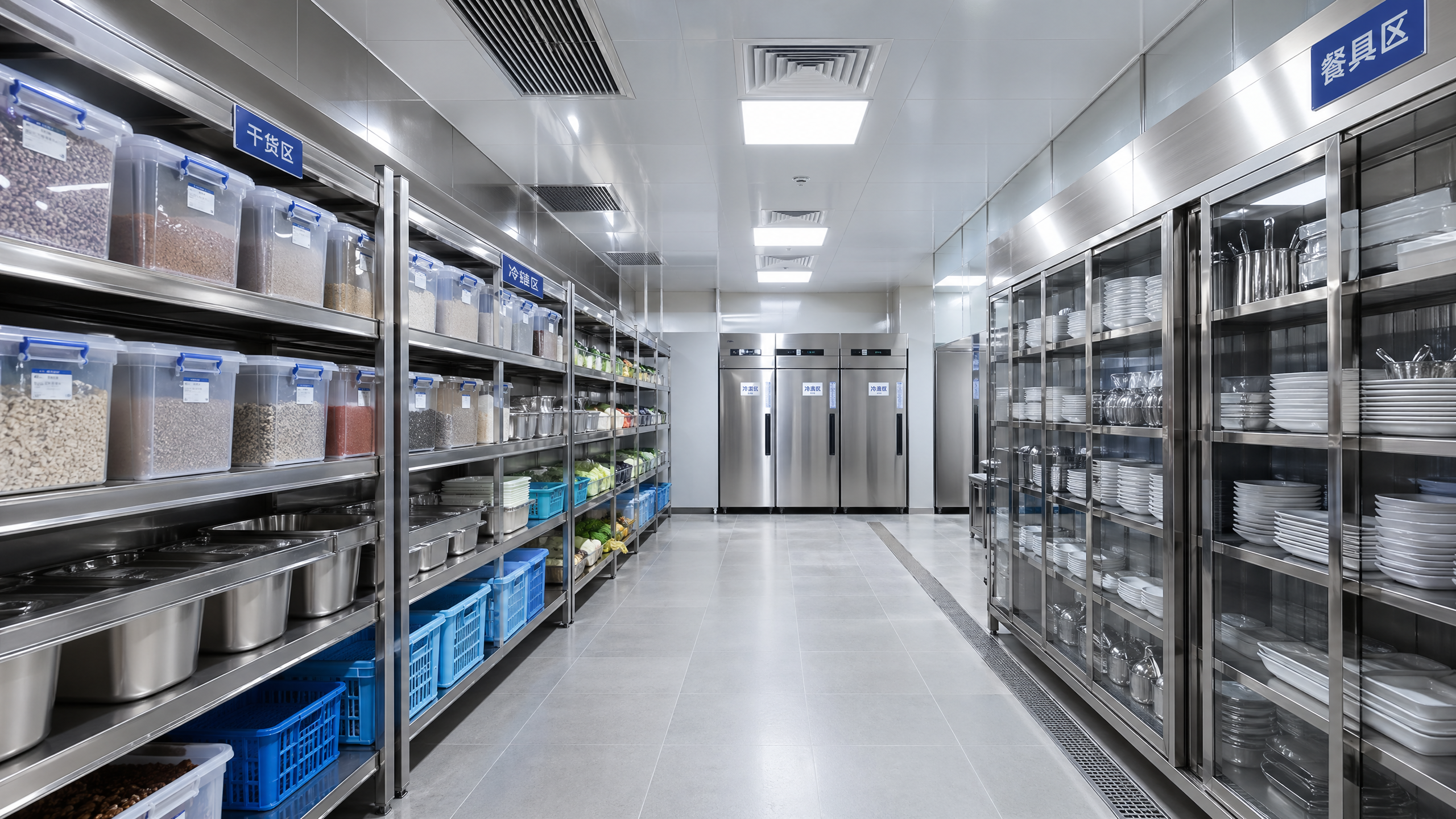
Integrated kitchen planning often groups supplies into stations: receiving, storage, prep, cooking, holding, washing, and waste handling. When station design is done well, staff move fewer steps, cross-traffic decreases, and supplies last longer because they are used for their intended purpose. A prep table used as a transport platform or storage overflow area usually wears out faster than one used correctly within a planned workflow.
Smart kitchen trends are also influencing supply choices. Buyers increasingly ask whether carts, racks, prep systems, and accessory stations are compatible with modular layouts and digital kitchen management. Even simple features such as labeling zones, standardized dimensions, or traceable batch storage can support more disciplined production and easier inventory control.
Below is a practical view of how supply decisions connect to long-term operating value.
When buyers look beyond initial purchase price, they often identify better long-term value. A supply item that lasts 24 months instead of 12 months, or saves 10 minutes of cleaning per day, may deliver a stronger return than a cheaper alternative. This is why experienced decision-makers increasingly review lifecycle cost, not just invoice cost.
Common planning mistakes
- Buying oversized items that reduce circulation space in narrow kitchens.
- Ignoring cleaning access under tables, racks, and mobile equipment.
- Using residential-grade tools in commercial workflows with 5 to 10 times the usage intensity.
- Choosing non-standard sizes that complicate tray, pan, and storage compatibility.
Avoiding these mistakes helps kitchens operate more smoothly today while staying ready for future automation, smarter inventory systems, and energy-conscious expansion.
Maintenance, Risk Control, and Questions Buyers Often Ask
Even the best commercial restaurant supplies need a maintenance routine. In busy kitchens, damage usually starts with small issues: loose wheels, bent shelf brackets, rough edges, cracked handles, or water exposure at weak joints. If these are ignored for 2 to 4 weeks, they can develop into hygiene problems, safety incidents, or costly replacement needs.
A simple inspection schedule can extend service life. High-use mobile items may need weekly checks, while fixed stainless steel furniture and storage systems can often be reviewed monthly. Cleaning chemicals should also match material compatibility. Strong agents that are effective for sanitation may still shorten the life of low-grade materials if used repeatedly without proper rinsing and drying.
Recommended maintenance routine
- Daily: remove residue, dry surfaces, and check for visible instability or deformation.
- Weekly: inspect wheels, screws, shelf supports, handles, and seals on high-contact items.
- Monthly: review rust spots, weld condition, load stress points, and cleaning access issues.
- Quarterly: compare replacement rates by category and update future purchasing specifications.
This approach gives both operators and procurement teams useful feedback. If the same item type fails every 6 months in one area but lasts 18 months in another, the issue may be misuse, overload, cleaning practice, or an under-specified product category. Better data leads to better ordering.
How do buyers know if a product is heavy-duty enough?
Ask for measurable details. These may include steel grade, material thickness, shelf load rating, caster capacity, assembly method, and intended application. For example, a cart meant for light bins should not be used for dense ingredient containers approaching 150 kg. Matching actual load and usage frequency is more reliable than relying on general marketing descriptions.
What is a realistic lead time for restaurant supplies bulk orders?
For stock-supported standard items, 7 to 15 days is common in many supply chains. Custom stainless steel fabrication, mixed-SKU export packing, or project-based orders may require 3 to 6 weeks. Buyers should also allow extra time for drawing confirmation, inspection, and inland delivery scheduling where applicable.
Are stainless steel restaurant supplies always the best choice?
They are often the most practical choice for prep, wash, and storage areas because they combine hygiene, durability, and easy cleaning. However, the right grade and construction matter. In lower-impact areas, alternative materials may be acceptable for selected accessories. In wet or high-cleaning zones, stainless steel usually remains the safer long-term option.
What should decision-makers prioritize first?
Focus on three things: operational fit, lifecycle cost, and supplier consistency. If a product fits the kitchen workflow, lasts through repeated use, and can be reordered with the same specification 6 or 12 months later, it is usually a stronger decision than choosing only by lowest upfront price.
Commercial restaurant supplies that hold up in busy kitchens are rarely selected by accident. They come from clear workload analysis, disciplined supplier review, and planning that connects daily operations with long-term cost control. Whether you manage a restaurant, hotel, hospital kitchen, school cafeteria, or food processing site, durable and well-matched supplies can improve hygiene, reduce replacement frequency, and support more efficient kitchen performance. If you are evaluating new supply options, planning a restaurant supplies bulk order, or comparing a reliable restaurant supplies manufacturer, now is the right time to review your specifications and get a tailored solution. Contact us today to discuss product details, request a customized recommendation, or learn more about efficient commercial kitchen supply solutions.
Popular Tags
Kitchen Industry Research Team
Dedicated to analyzing emerging trends and technological shifts in the global hospitality and foodservice infrastructure sector.
Industry Insights
Join 15,000+ industry professionals. Get the latest market trends and tech news delivered weekly.
No spam. Unsubscribe anytime.
Contact With us
Contact:
Anne Yin (Ceramics Dinnerware/Glassware)
Lucky Zhai(Flatware)