
Ceramic dinner set trends shifting toward mixed glaze finishes
Mixed glaze finishes are redefining the ceramic dinner set market, blending artisanal texture with modern table appeal. For buyers, operators, and decision-makers in kitchen equipment and dining solutions, this trend influences everything from ceramic plate and ceramic bowl selection to matching stainless steel cutlery and stoneware dinnerware, helping create distinctive, durable, and market-ready dining experiences.
Why mixed glaze ceramic dinner sets are gaining attention in foodservice and retail
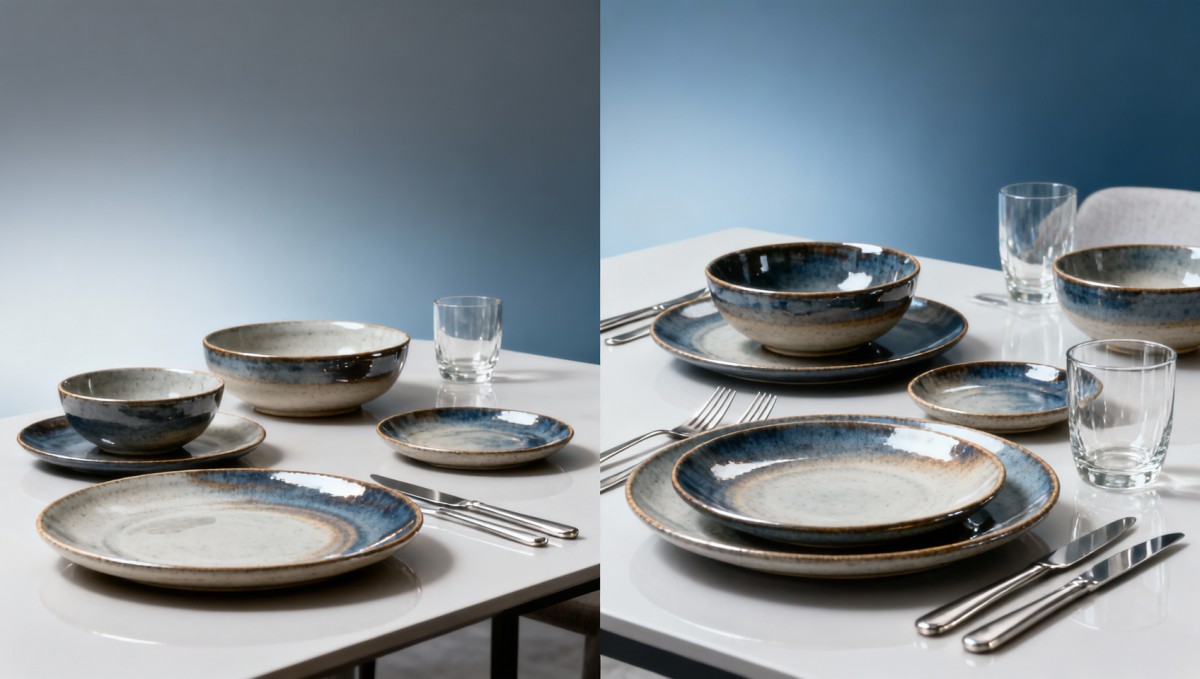
In the kitchen equipment and dining solutions sector, tableware is no longer treated as a purely decorative purchase. Restaurants, hotels, central kitchens, and premium household brands now evaluate ceramic dinner sets as part of a wider operating system that includes food presentation, wash durability, replacement planning, and brand positioning. Mixed glaze finishes fit this shift because they offer visual differentiation without moving completely away from practical production standards.
A mixed glaze ceramic dinner set usually combines 2 or more glaze effects on the same collection, such as matte and glossy contrast, reactive glaze variation, hand-finished rim effects, or layered tone transitions. For procurement teams, this means a product can look artisanal while still being sourced in repeatable volumes. In many projects, buyers compare 3 core factors at once: appearance consistency, chip resistance, and replenishment feasibility over 6–12 months.
This trend also aligns with broader kitchen equipment industry development. As operators invest in smarter, more integrated back-of-house systems, front-of-house presentation is expected to match the same upgrade in quality and efficiency. A ceramic plate or ceramic bowl that photographs well, stacks safely, and survives frequent dishwashing supports both service flow and commercial value. That is why mixed glaze finishes are increasingly discussed alongside stoneware dinnerware, stainless steel cutlery, and complete tabletop coordination.
From a market perspective, mixed glaze finishes answer a common pain point: buyers want a differentiated dining identity, but they cannot afford fragile or hard-to-replace pieces. This is especially relevant in high-turn environments where tableware may be used several times per day, washed in commercial dishwashing cycles, and reordered in batches ranging from small trial runs to container-level volume.
What buyers are really looking for
- A ceramic dinner set trend that creates stronger shelf appeal or table appeal without requiring fully custom molds.
- A finish that hides minor marks and daily wear better than flat single-color glaze surfaces.
- A collection that can be paired with stainless steel cutlery, glassware, and buffet equipment across 2–4 service formats.
- A repeat-order plan with reasonable lead times, commonly 30–60 days depending on decoration complexity and order quantity.
In practice, mixed glaze finishes are not just a design trend. They are a procurement response to the growing need for products that work across branding, operations, and supply continuity. For many B2B buyers, that combination matters more than following fashion alone.
Which dining scenarios benefit most from mixed glaze finishes?
Not every service environment needs the same ceramic dinner set profile. A fine dining restaurant may prioritize layered visual depth and plating contrast, while a hotel breakfast operation may focus on stacking stability and replacement convenience. Mixed glaze finishes work best when the finish supports the service concept rather than competing with it.
For operators, the main question is not whether mixed glaze looks attractive. The real question is whether it performs under daily use. In moderate-to-high turnover settings, a ceramic bowl or ceramic plate may go through repeated thermal change, utensil contact, and commercial washing. A practical mixed glaze collection should therefore be judged by 4 operating conditions: stackability, glaze hardness, edge protection, and visual consistency across replenishment batches.
The following table helps compare common application scenarios. It is useful for information researchers, purchasing teams, and business decision-makers trying to balance aesthetics, service intensity, and replacement planning.
The table shows that mixed glaze finishes serve different purposes depending on the operating model. In restaurant use, the finish often enhances plating value. In hotel or chain settings, it must also support consistent procurement and service speed. This is why a visually striking stoneware dinnerware line still needs disciplined production and replenishment planning behind it.
Scenario-based selection tips
High-turn foodservice
Choose shapes with stable foot design and manageable stacking height, especially if plates are moved many times per shift. Many operators review stack tests over 20–30 pieces and check whether glaze contact points produce marks after repeated storage.
Brand-led dining concepts
Use mixed glaze to define the dining mood, but keep at least 1 neutral coordinating item such as a plain side plate or cereal bowl. This reduces replacement pressure and helps stainless steel cutlery, serving utensils, and table accessories stay visually balanced.
Export or multi-market retail
Request clear packing specifications, barcode alignment, and sample approval steps before volume production. In export-oriented kitchen equipment supply chains, packaging verification and drop-test planning can be as important as glaze appearance, especially for long shipping cycles of 4–8 weeks.
How do mixed glaze finishes compare with plain glaze and traditional stoneware looks?
Procurement teams often face a three-way choice: plain glaze for consistency, traditional stoneware looks for rustic appeal, or mixed glaze finishes for a more layered and contemporary result. The right decision depends on service intensity, brand message, and tolerance for natural variation. A good comparison framework prevents costly mistakes, especially when buyers must standardize across multiple sites.
Mixed glaze finishes generally offer stronger visual individuality than plain glaze collections. However, they can require tighter sample confirmation because each batch may show controlled variation in tone flow or surface depth. This is not necessarily a defect. It becomes a problem only when the acceptable variation range was never defined at the ordering stage.
The comparison below helps clarify where each option fits. It is particularly useful when selecting ceramic dinner set collections to pair with stainless steel cutlery, buffet equipment, or modular tabletop systems.
The best choice is often not a full replacement of one finish by another. Many successful buyers use a mixed strategy: statement dinner plates in mixed glaze, support pieces in more stable plain glaze, and stainless steel cutlery selected to bridge both looks. This approach reduces inventory pressure while preserving a premium appearance.
Practical comparison criteria before approval
- Review at least 3 pieces per SKU from the same sample set to understand natural glaze spread.
- Check whether the finish interferes with cutlery contact areas, especially on flat central plate zones.
- Confirm whether replacement orders after 90–180 days can maintain a comparable visual family.
- Assess whether the collection still looks coherent under warm dining light and daylight retail display.
These checks are simple, but they prevent one of the most common procurement problems: buying a ceramic dinner set based on showroom appearance alone and discovering later that replenishment, service handling, or visual coordination is much harder than expected.
What should procurement teams check before ordering a mixed glaze ceramic dinner set?
For purchasing managers and business decision-makers, appearance is only the first screening step. The real value comes from disciplined evaluation of product structure, supply capability, and after-order execution. In commercial kitchen equipment and tabletop supply, delays or mismatch in tableware can affect opening schedules, promotional campaigns, and replacement budgets.
A practical review usually covers 5 key checkpoints: body material, glaze behavior, set composition, packing method, and replenishment support. If the ceramic plate and ceramic bowl assortment will be used in a professional setting, it is also important to ask about dishwasher suitability, microwave suitability where relevant, and edge profile performance during repetitive stacking and handling.
The table below can be used as a procurement guide during supplier discussions. It supports both first-time sourcing and supplier comparison across domestic and international channels.
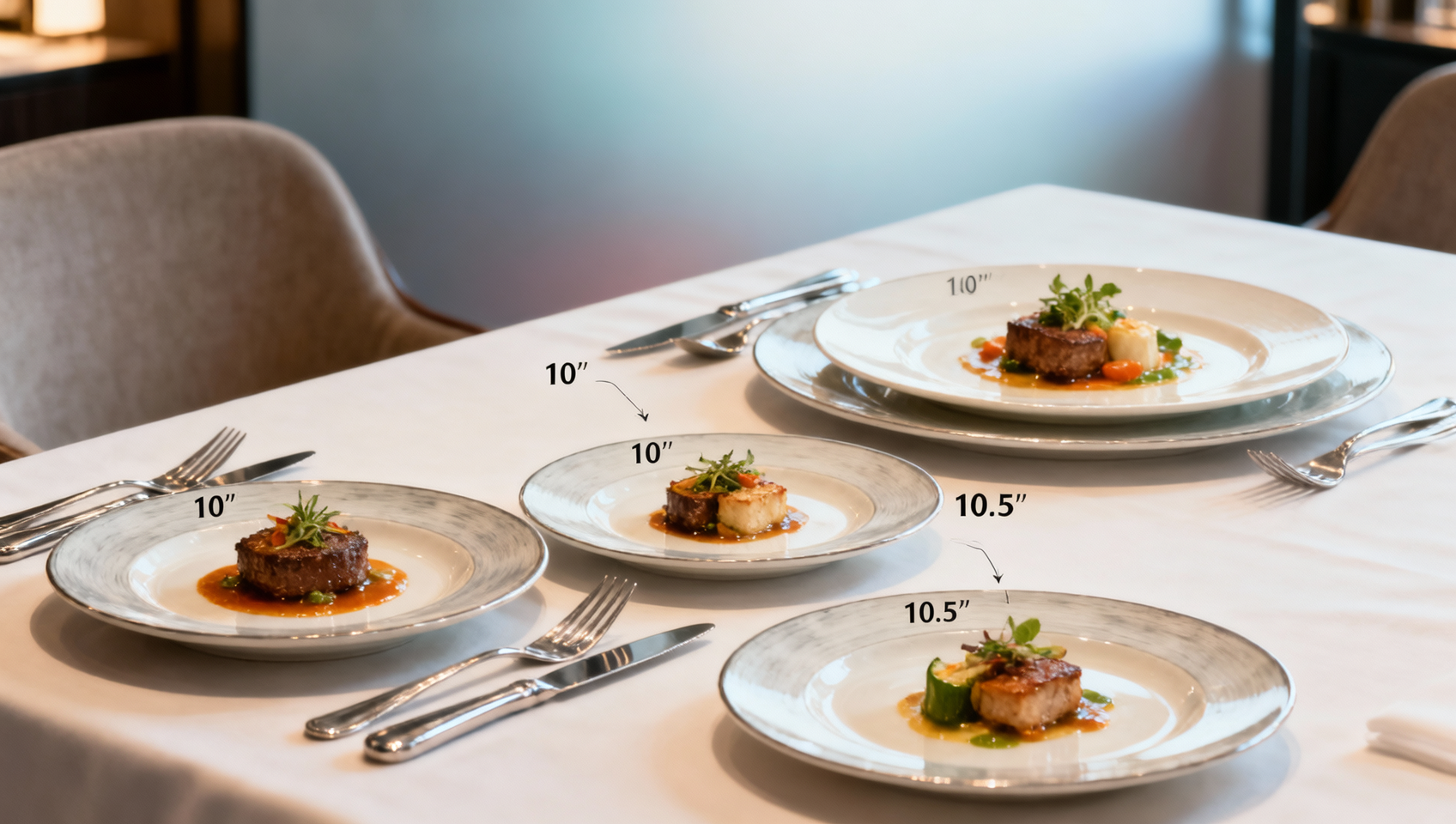
A procurement checklist like this helps teams move from subjective preference to measurable decision-making. It also creates alignment between purchasing, operations, and management. That matters in multi-site projects where even a small mismatch in dinner plate diameter or bowl stacking profile can create service disruption.
Recommended 4-step sourcing process
- Define use case and menu style. Identify whether the set is for plated dining, buffet, room service, retail, or mixed use.
- Review samples by SKU group. Test 3–5 core items first, including dinner plate, side plate, pasta bowl, and cereal bowl.
- Confirm commercial details. Lock in lead time, carton specification, replenishment plan, and any compliance documents required by the destination market.
- Approve pilot order before scale-up. A limited first batch helps verify packing, breakage control, and actual service performance over 2–4 weeks.
This process is especially useful when sourcing from global manufacturing hubs. It reduces risk without slowing the project unnecessarily and gives decision-makers better control over cost, timing, and quality outcomes.
Common risks, compliance questions, and misconceptions buyers should avoid
One frequent misconception is that all mixed glaze finishes are too inconsistent for professional use. In reality, controlled variation is a design feature, not automatically a quality issue. The problem begins when the supplier and buyer fail to define the acceptable visual range, sampling basis, and replenishment expectation before production starts.
Another mistake is evaluating only color and ignoring operational compatibility. A ceramic dinner set may look strong in a catalog, but if the plate rims chip easily or the bowl profile wastes storage space, the long-term operating cost rises. Buyers should consider total use conditions across washing, transport, storage, and replacement cycles, not just unit cost.
Compliance is also part of the decision. While exact requirements depend on market and application, buyers commonly ask about food-contact suitability, labeling, carton marking, and routine quality checks. For cross-border sourcing, it is practical to clarify documentation needs at the quotation stage rather than after deposit payment. That avoids delay in projects with 2–3 approval stages involving procurement, QA, and logistics teams.
The list below summarizes avoidable risks that often affect ceramic plate, ceramic bowl, and stoneware dinnerware sourcing projects.
- Assuming every piece will be visually identical even when ordering a reactive or layered glaze collection.
- Skipping stack and handling tests because the design was approved by photo only.
- Buying a full set without confirming whether open-stock replacement is available for high-loss items.
- Neglecting outer carton and inner packaging standards for long-distance transport or e-commerce channels.
- Choosing a finish that clashes with existing stainless steel cutlery, tray systems, or buffet presentation tools.
FAQ for buyers and operators
How much glaze variation is acceptable in a mixed glaze dinner set?
Acceptable variation depends on the approved sample standard. A practical method is to sign off on 3 reference pieces or a clear photo range for each key SKU. This gives purchasing teams a realistic basis for bulk inspection and reduces disagreement during delivery review.
Are mixed glaze ceramic plates suitable for commercial dishwashing?
They can be, provided the body and glaze system are made for repeated washing. Operators should ask about intended usage conditions, especially if pieces will move through frequent wash cycles every day. Testing a pilot quantity for 2–4 weeks is often more reliable than relying on appearance alone.
What is a typical lead time for custom or semi-custom orders?
For many supply arrangements, samples may take about 7–15 days, while bulk production often falls in the 30–60 day range depending on order size, glaze complexity, and packaging requirements. Export shipping time should be added separately based on destination and transport mode.
Should buyers choose full mixed glaze sets or combine them with plain items?
A combined approach is often more efficient. Use mixed glaze for showcase items such as dinner plates and serving bowls, then add plain or simpler support pieces for high-turn categories. This balances image, cost, and replacement flexibility.
Why contact us when evaluating ceramic dinner set trends and supply options?
When mixed glaze finishes are part of a broader kitchen equipment or dining solution project, buyers need more than product photos. They need help matching aesthetic goals with real operating conditions, logistics requirements, and reorder strategy. That is where a structured supplier conversation becomes valuable.
We can support discussions around ceramic dinner set selection, ceramic plate and ceramic bowl assortment planning, coordination with stainless steel cutlery, and practical stoneware dinnerware alternatives for different budgets and service models. This is especially useful for restaurants, hotels, importers, retailers, and project teams comparing several tabletop directions at once.
If you are reviewing a new product line or replacing an existing collection, you can contact us for 6 concrete topics: sample evaluation, size and set composition, lead time planning, packaging requirements, compliance document preparation, and quotation comparison. For more complex projects, we can also discuss custom glaze direction, open-stock replacement strategy, and shipment planning by batch.
A useful first inquiry usually includes 3–5 target SKUs, expected order volume, destination market, preferred delivery window, and any special needs such as gift packaging or hospitality-grade durability. With that information, the sourcing process becomes faster, clearer, and easier to align with your operational and commercial goals.
Popular Tags
Kitchen Industry Research Team
Dedicated to analyzing emerging trends and technological shifts in the global hospitality and foodservice infrastructure sector.
Industry Insights
Join 15,000+ industry professionals. Get the latest market trends and tech news delivered weekly.
No spam. Unsubscribe anytime.



Contact With us
Contact:
Anne Yin (Ceramics Dinnerware/Glassware)
Lucky Zhai(Flatware)