
Ceramic cereal bowl demand is moving toward deeper profiles
As dining habits evolve, demand for the ceramic cereal bowl is shifting toward deeper profiles that improve portion control, versatility, and presentation. Buyers comparing a porcelain cereal bowl, ceramic rice bowl, or stoneware pasta bowl are increasingly focused on function as much as style. This trend is reshaping tabletop sourcing decisions across hospitality, retail, and home kitchen markets.
Why are deeper ceramic cereal bowls gaining attention in foodservice and retail?
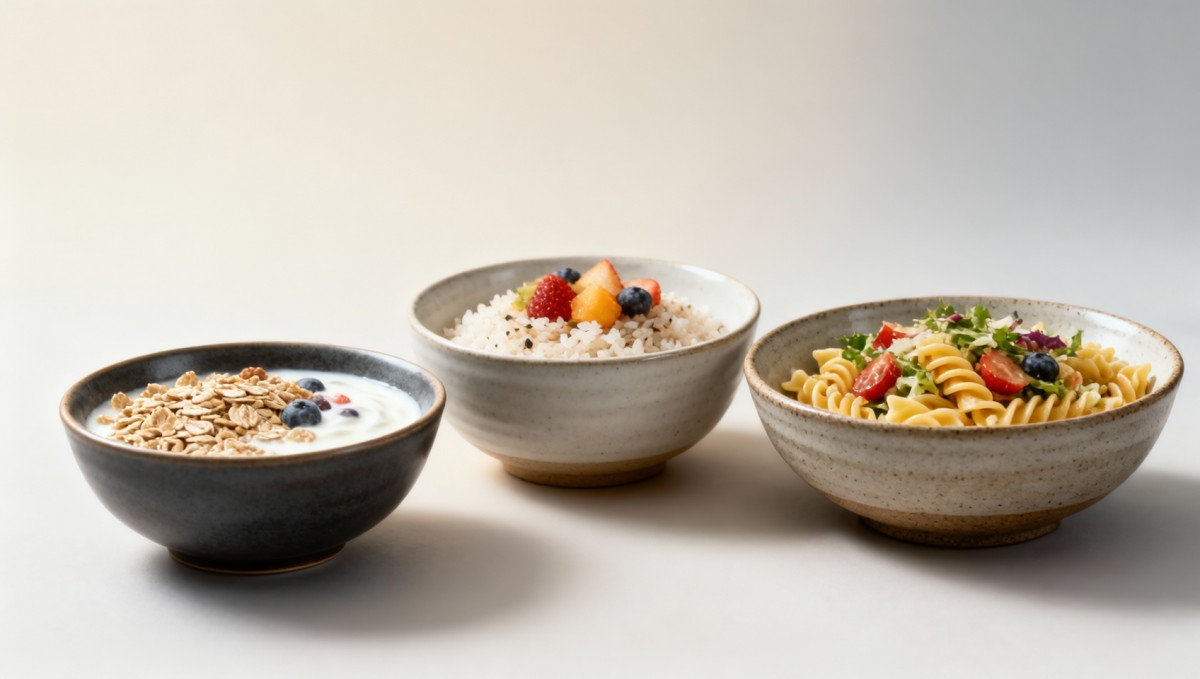
The move toward a deeper ceramic cereal bowl is not just a design preference. It reflects changes in menu formats, serving control, and multi-use dining. In restaurants, hotels, and central kitchens, operators want bowls that can handle cereal, soup, grains, salads, noodles, desserts, and side dishes without forcing them to maintain 5–7 separate bowl formats.
For procurement teams, deeper profiles reduce SKU complexity while improving visual consistency across breakfast, all-day dining, and room service. A bowl that performs in 3–4 serving scenarios often has stronger purchasing value than a shallow format used for only one purpose. This is especially relevant when buyers are managing inventory turnover, replacement rates, and cross-location standardization.
For users and kitchen operators, depth changes handling and performance. A deeper porcelain cereal bowl can help reduce spillover during transport from kitchen pass to table, while a ceramic rice bowl with a balanced foot ring may feel more secure in high-frequency service. In buffet or semi-self-service settings, even a small reduction in overflow matters because it affects cleaning time, tray appearance, and guest satisfaction.
The wider kitchen equipment industry is also influencing this shift. As foodservice operations become more systemized, buyers increasingly evaluate tableware the same way they assess other kitchen tools: by efficiency, durability, wash-cycle suitability, storage logic, and lifecycle cost. A bowl is still a small item, but in high-volume use, the operational impact becomes significant over 6–12 months.
What practical needs are driving deeper profiles?
The first driver is portion control. A deeper bowl gives a clearer fill line for cereal, yogurt, porridge, rice, or mixed dishes. This helps operators maintain consistency without requiring overly large rim diameters. In hospitality, where breakfast service may run 2–4 hours continuously, consistent portions support cost control and predictable guest experience.
The second driver is menu flexibility. Many foodservice businesses now serve hybrid menus that combine Asian rice bowls, Western breakfast bowls, soups, and plated grain dishes. A deeper stoneware pasta bowl or porcelain cereal bowl can bridge these categories. That flexibility matters when kitchens are under pressure to optimize shelf space, simplify replacement purchasing, and shorten staff training time.
The third driver is presentation. Deeper interior walls help ingredients layer more cleanly and can improve visual height. This is useful for fruit bowls, acai bowls, congee, and composed side servings. Retail buyers also notice that consumers increasingly choose bowls not just by diameter, but by how the bowl frames food in photos, on the table, and in open shelving displays.
- Operational value: fewer spills during transport, stacking, and dish return.
- Inventory value: one bowl shape can replace 2–3 narrowly defined formats.
- Merchandising value: deeper bowls often look more substantial on shelves and online product pages.
Typical buying signals to monitor
Popular Tags
Kitchen Industry Research Team
Dedicated to analyzing emerging trends and technological shifts in the global hospitality and foodservice infrastructure sector.
Industry Insights
Join 15,000+ industry professionals. Get the latest market trends and tech news delivered weekly.
No spam. Unsubscribe anytime.

Contact With us
Contact:
Anne Yin (Ceramics Dinnerware/Glassware)
Lucky Zhai(Flatware)