
Restaurant kitchen exhaust upgrades that cut maintenance downtime
For after-sales maintenance teams, restaurant kitchen exhaust upgrades are more than a compliance fix—they are a practical way to reduce grease buildup, prevent unexpected failures, and shorten service interruptions. As kitchens demand higher efficiency and cleaner operation, choosing the right exhaust improvements can help technicians cut maintenance downtime, improve equipment reliability, and support safer, more consistent back-of-house performance.
When people search for ways to improve restaurant kitchen exhaust performance, the core intent is usually practical rather than theoretical. They want to know which upgrades actually reduce service calls, what causes repeat failures, and how to improve ventilation systems without creating new maintenance headaches. For after-sales teams, the real question is simple: which exhaust improvements make kitchens easier to keep running day after day?
The short answer is that the best upgrades are the ones that reduce grease accumulation, stabilize airflow, simplify cleaning access, and help technicians spot problems before they shut a line down. Not every retrofit delivers the same value. Some changes mainly satisfy code, while others directly lower downtime by cutting filter blockages, fan strain, heat stress, and unplanned shutdowns.
This article focuses on what maintenance personnel actually need to evaluate: common failure points, the upgrades with the strongest service impact, how to prioritize investment, and how to judge whether a restaurant kitchen exhaust system is becoming more reliable or simply more complex.
What after-sales maintenance teams really need from a restaurant kitchen exhaust upgrade
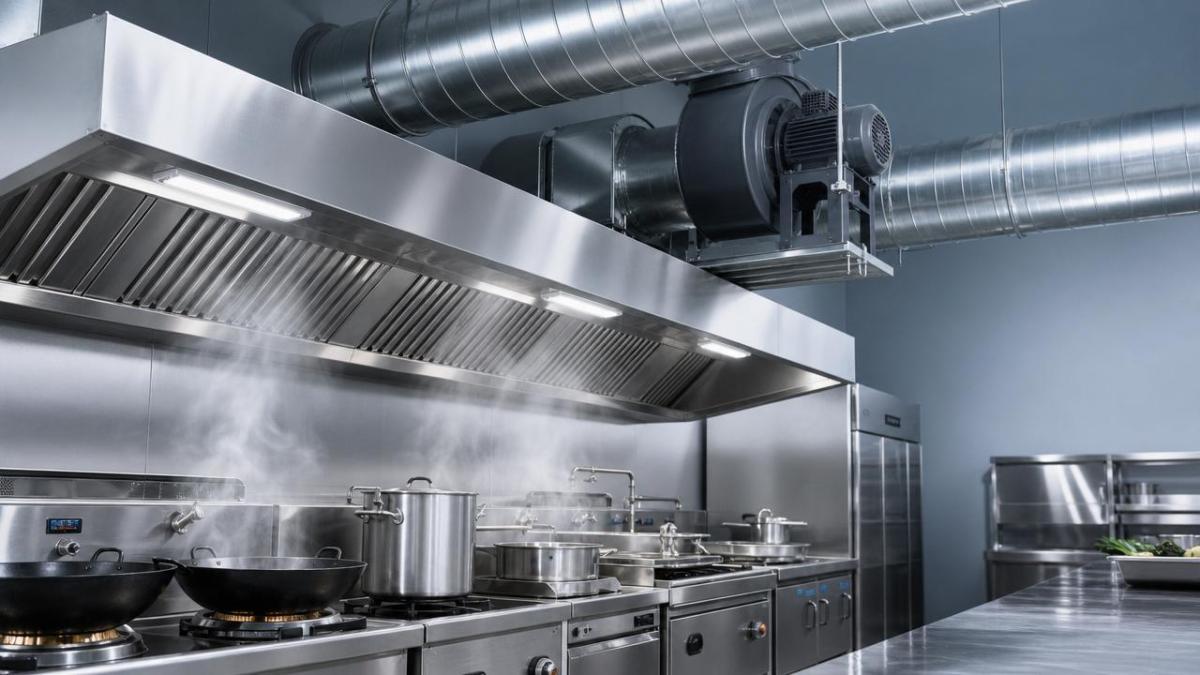
For maintenance teams, success is not measured only by airflow numbers on paper. It is measured by fewer emergency callouts, shorter cleaning cycles, fewer overheating complaints, and less grease-related wear on connected equipment. A useful upgrade should make the exhaust system easier to inspect, easier to clean, and less likely to fail under peak cooking loads.
In many commercial kitchens, downtime is triggered by a chain reaction rather than a single broken part. Grease loads rise, filters clog faster, airflow drops, heat builds up around cooking equipment, fan motors work harder, and staff start reporting smoke, odor, or inconsistent capture. By the time a technician is called, the issue often involves several linked problems.
That is why maintenance teams usually care about four things most: whether the upgrade reduces contamination, whether it improves access for service, whether replacement parts are standardized, and whether the system can maintain stable performance during rush periods. If an upgrade improves one area but complicates the others, its real maintenance value may be limited.
Why maintenance downtime happens so often in older exhaust systems
Older restaurant kitchen exhaust systems often suffer from design drift. The kitchen’s cooking profile changes over time, but the ventilation system stays the same. A line that originally handled light-duty cooking may now run fryers, charbroilers, and high-output ranges. That mismatch increases grease production and thermal load far beyond the system’s original service expectations.
Another common issue is poor access. In many kitchens, technicians can inspect visible hood areas quickly, but fans, duct sections, hinges, drains, and control components are hard to reach. When cleaning and inspection take too long, preventive work gets delayed. Small problems then grow into breakdowns that require shutdowns, emergency labor, or out-of-hours service.
Air imbalance is also a major hidden cause of downtime. If makeup air is insufficient or poorly directed, the exhaust hood may not capture contaminants effectively even when the fan is running. That can lead to smoke spill, excessive heat around appliances, and operator complaints that are mistakenly blamed on cooking equipment rather than the ventilation system itself.
Electrical and control issues should not be overlooked either. Legacy switches, unstable fan controls, aging belts, and inconsistent motor performance can all contribute to stop-start failures. These faults do not always appear dramatic at first, but they create repeat service visits that gradually increase maintenance cost and kitchen disruption.
Which restaurant kitchen exhaust upgrades usually deliver the fastest reduction in downtime
Not every improvement needs to be a full system replacement. In many facilities, targeted upgrades can significantly reduce maintenance downtime without requiring a major rebuild. One of the most effective starting points is improved grease filtration. High-efficiency baffle filters or multi-stage grease capture components can reduce how much grease enters the duct and fan assembly, cutting cleaning frequency and lowering the chance of performance decline.
Fan upgrades are another high-impact option. Replacing an aging fan or motor with a more efficient, properly sized unit can stabilize airflow and reduce overheating, vibration, and belt-related failures. For service teams, the value is not just better airflow. It is fewer recurring visits for noise, poor capture, shutdown alarms, and mechanical wear.
Access improvements are often underestimated but highly practical. Hinged access panels, better roof access arrangements, easier-to-remove filter banks, and service-friendly fan housings can save significant labor time during every inspection and cleaning cycle. Over a year, those saved hours can be more valuable than a more sophisticated feature that is rarely used.
Variable speed controls can also help when applied correctly. In kitchens with fluctuating cooking demand, they allow the system to operate more efficiently while limiting unnecessary fan strain during off-peak periods. However, they should only be considered a maintenance benefit if the controls are reliable, easy to calibrate, and compatible with the actual cooking pattern.
For high-grease kitchens, automated wash or grease management features may be worth evaluating. These systems can reduce manual cleaning burden and improve consistency, but only if the restaurant is willing to maintain the added components. Otherwise, a simpler and more robust mechanical upgrade may provide better long-term reliability.
How to evaluate an exhaust upgrade from a maintenance perspective, not just a specification sheet
Specification sheets often highlight airflow volume, efficiency, or smart features. Those details matter, but they do not tell the full after-sales story. Maintenance teams should assess upgrades based on service access, cleaning intervals, spare part availability, control simplicity, and how easy it is to diagnose faults in real operating conditions.
A good evaluation starts with service history. Look at the last 12 to 24 months of callouts and identify repeat patterns. Are there frequent complaints about smoke escape, high temperatures, clogged filters, motor trips, noise, vibration, or grease leaks? The best upgrade is usually the one that directly addresses the most common and disruptive failure pattern.
It is also important to assess the kitchen’s actual duty level. A medium-volume kitchen with occasional high-heat cooking may not need the same solution as a site running long fryer hours or continuous grilling. Overspecifying a system can increase cost and complexity, while underspecifying guarantees more maintenance stress later.
Another useful test is to ask how many routine tasks can be completed faster after the upgrade. If technicians can inspect belts, bearings, drains, fan blades, access doors, and filters more quickly, then the upgrade has measurable operational value. Reduced service time is one of the clearest indicators that maintenance downtime will improve.
Signs that an upgrade will probably create new maintenance problems
Some exhaust improvements look attractive in proposals but create avoidable after-sales challenges. One warning sign is excessive control complexity. If the system relies on multiple sensors, software settings, and proprietary interfaces without clear support documentation, troubleshooting may become slower than with a conventional system.
Another concern is limited parts availability. A high-performance component is not helpful if replacement motors, filters, boards, or actuators take weeks to source. For busy commercial kitchens, spare parts standardization is often more valuable than a slight gain in technical efficiency.
Poor integration is another risk. An upgrade that improves hood extraction but ignores makeup air, cooking line layout, or duct conditions may shift the problem rather than solve it. The result can be continued complaints, even though a major exhaust component has been replaced.
Maintenance teams should also be cautious about systems that reduce manual cleaning on paper but demand frequent calibration, water treatment attention, or specialized service procedures. In environments where staff turnover is high and operating discipline varies, simple, durable solutions often outperform advanced systems with narrow maintenance tolerances.
Practical upgrade priorities for kitchens with limited budgets
Many restaurants cannot justify a complete exhaust retrofit at once, so after-sales teams often need to recommend phased improvements. In that situation, the best approach is to prioritize upgrades by downtime impact rather than by technology appeal. Start with the items most closely tied to recurring failure and service interruption.
First priority is usually grease capture and airflow stability. If filters are inadequate, clogged too quickly, or poorly matched to the cooking process, the rest of the system will continue to suffer. The next priority is fan reliability, including motor condition, belt drive condition where applicable, vibration control, and proper sizing.
Third, improve service access. This may not seem as urgent as replacing a fan, but better access lowers labor time on every future visit and increases the likelihood that preventive maintenance will actually happen on schedule. Fourth, review controls and safety interlocks to eliminate nuisance trips and simplify fault finding.
If budget remains, consider monitoring upgrades that provide useful maintenance data, such as filter loading indicators, motor status alerts, or run-time tracking. These features are most valuable when they support action, not when they simply generate more information without a clear maintenance workflow behind it.
How to reduce downtime after the upgrade is installed
Even the best restaurant kitchen exhaust upgrade will not deliver full value without a practical post-installation plan. After commissioning, maintenance teams should establish baseline measurements for airflow behavior, motor load, noise level, cleaning interval, and visible grease accumulation. These reference points make it easier to detect decline before complaints escalate.
It is also important to revise the preventive maintenance schedule. A new fan, upgraded filtration stage, or modified control strategy may change inspection frequency and cleaning tasks. Using the old maintenance routine on a newly upgraded system can lead to missed issues or unnecessary labor.
Training matters as well. Kitchen staff do not need deep technical knowledge, but they should know the early signs of exhaust trouble: reduced capture, unusual smell, excess heat, dripping grease, abnormal noise, or repeated control resets. Fast reporting helps after-sales teams intervene before service disruption becomes a shutdown.
For service organizations managing multiple customer sites, standardized reporting can create major value. If every technician records the same key indicators during visits, patterns become visible across similar kitchens. That makes it easier to recommend the right restaurant kitchen exhaust upgrades to future customers based on proven field performance rather than assumptions.
What good results look like six months after an exhaust upgrade
Maintenance teams should expect more than “the system is newer.” A successful upgrade should show visible operational gains within months. These usually include longer intervals between grease-heavy cleanings, fewer airflow complaints during peak service, reduced emergency visits, and faster completion of routine maintenance tasks.
Technicians may also notice secondary benefits. Cooking equipment often runs in a more stable thermal environment when exhaust capture improves. That can reduce heat-related stress on nearby components and help the whole back-of-house space operate more consistently. In other words, a good exhaust upgrade can indirectly support broader kitchen equipment reliability.
Customer feedback is another useful indicator. If managers and kitchen staff report fewer odor problems, less smoke escape, and fewer disruptions during service hours, the upgrade is likely addressing real operating pain points rather than only improving technical performance on paper.
From an after-sales perspective, the strongest proof of value is a decline in repeat faults. When the same issue no longer triggers repeated visits, the upgrade has done what matters most: it has reduced maintenance downtime, improved service efficiency, and made the site easier to support over time.
Conclusion: choose upgrades that make the exhaust system easier to maintain, not just newer
For after-sales maintenance teams, the best restaurant kitchen exhaust upgrades are the ones that remove recurring causes of failure. Better grease capture, more stable airflow, stronger fan reliability, simpler controls, and easier service access usually deliver the greatest reduction in downtime. These improvements protect both kitchen continuity and maintenance productivity.
When evaluating upgrade options, focus less on feature lists and more on real service outcomes. Ask whether the change will reduce grease buildup, shorten maintenance time, prevent repeat breakdowns, and support reliable operation during peak demand. If the answer is yes, the upgrade is likely worth recommending.
In a busy foodservice environment, ventilation is not just a background utility. It directly affects cleaning load, equipment stress, safety, and service continuity. That is why smart exhaust upgrades are not merely facility improvements—they are a practical maintenance strategy that helps kitchens stay operational with fewer interruptions.
Popular Tags
Kitchen Industry Research Team
Dedicated to analyzing emerging trends and technological shifts in the global hospitality and foodservice infrastructure sector.
Industry Insights
Join 15,000+ industry professionals. Get the latest market trends and tech news delivered weekly.
No spam. Unsubscribe anytime.
Contact With us
Contact:
Anne Yin (Ceramics Dinnerware/Glassware)
Lucky Zhai(Flatware)